You would rightfully balk if Omega rolled out a smartwatch, or if Rolex tried to sell you high-tops. Yet, while Audemars Piguet hasn’t ventured into fitbits or footwear, its recent trajectory has been easing collectors toward a reality that continues to raise eyebrows.
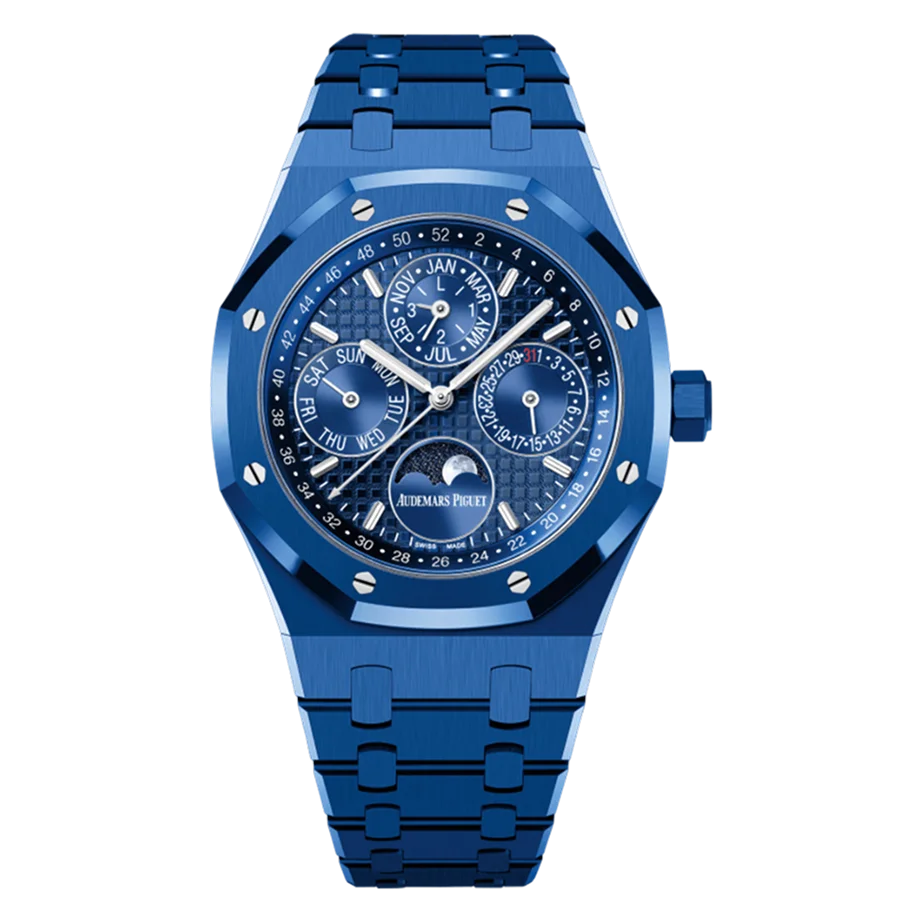
Seasoned purists still recall the collective shudder that went through the watch world in May 2026, when hordes gathered globally to wrestler over the "Royal Pop" a vibrant, hype-driven release that split the fanbase instantly. Long-time collectors vowed to estrange themselves from the manufacture as secondary market dynamics reacted severely; in the weeks following the mayhem, WatchCharts data showed average secondary market premiums on core Royal Oak references contracting dramatically in a matter of months, signalling a sharp recalibration of brand perception.
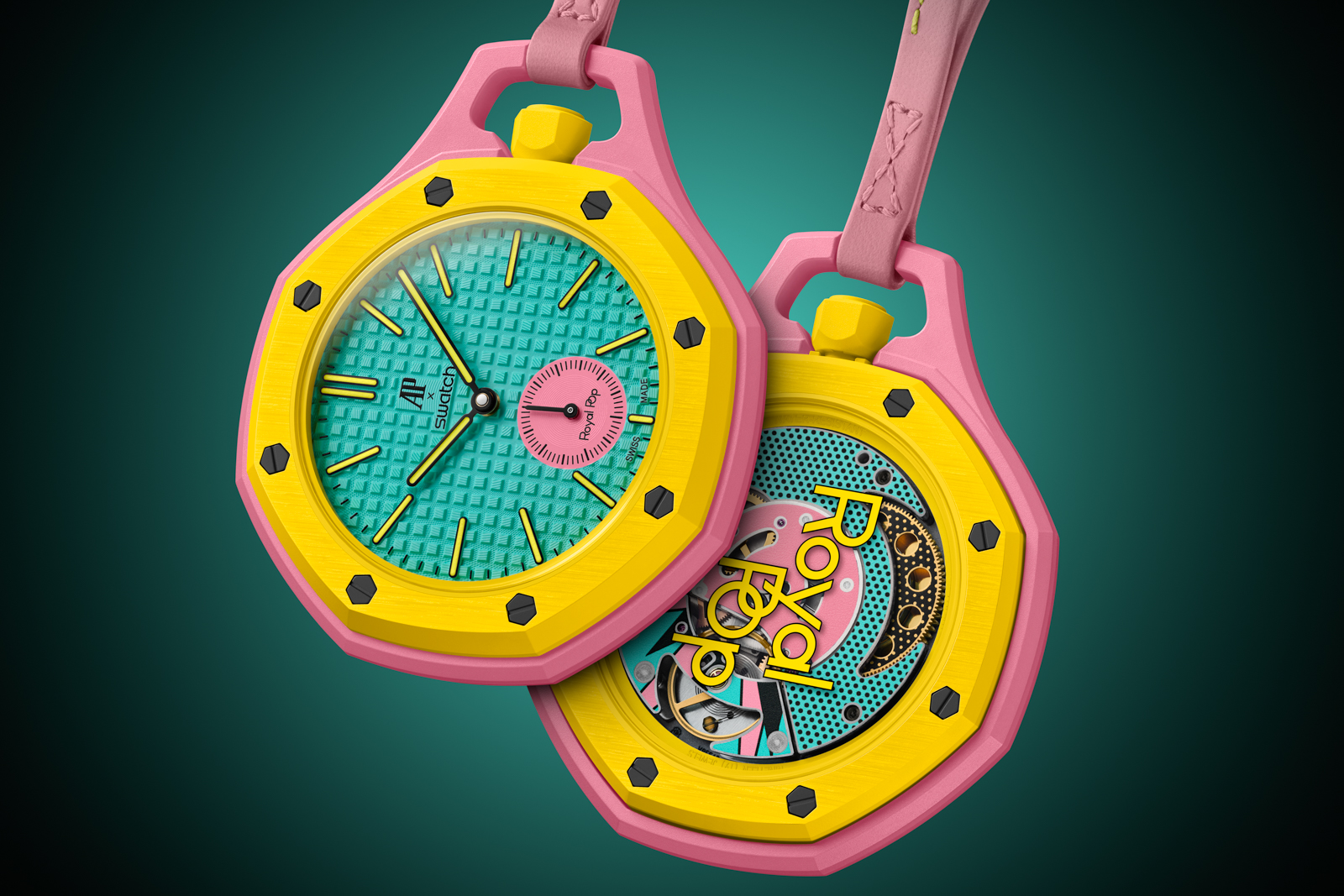
Yet, the warning signs came even earlier with the AP-branded Hôtel des Horlogers in 2024. For traditionalists, watching a brand rooted in the quiet Vallée de Joux transform into a trendy hotel felt like a fundamental betrayal of its heritage.

Embellishing The Truth
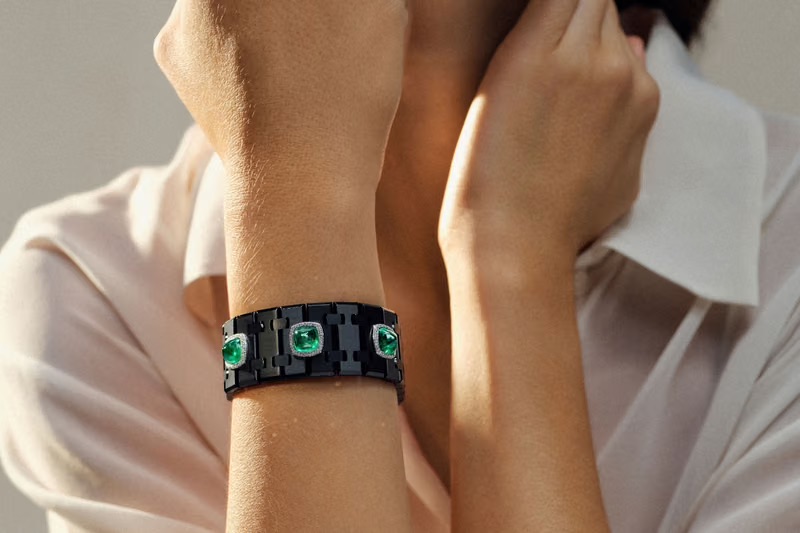
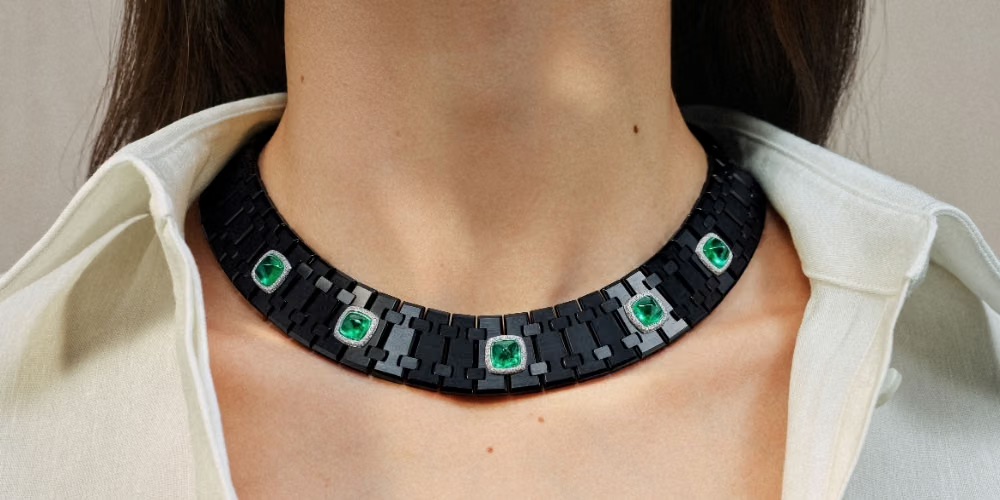
With yesterday’s unveiling of its dedicated fine jewellery line, Audemars Piguet has formally crossed the rubicon. The collection features motif-driven rings, bangles, and pendants crafted in 18k white gold, adorned with gem-set geometric cuts that mimic the iconic octagonal geometry of the Royal Oak’s bezel.
We’ve already had many enthusiasts and collectors at an event we held yesterday tell us that the timing feels tone-deaf. Collectors and aspirants have long called for AP to direct its immense creative engine toward developing more compelling, core mechanical timepieces particularly as the Code 11.59 line continues to face uphill adoption challenges. When measured against recent heavy-hitting launches from rivals, such as Patek Philippe’s Cubitus or Rolex’s Land-Dweller, the Code 11.59 has struggled to capture the same broad cultural zeitgeist.
Instead of focusing all efforts on engineering a true horological successor to the Royal Oak, CEO Ilaria Resta publicly framed the pivot as a way to "amplify the brand's savoir-faire." The choice of the term “brand” is interesting. Whether that choice of phrase was deliberate PR or an inadvertent slip, it underscores a growing fear: the manufacture that former CEO François Bennahmias spent years forging into one of watchmaking’s most revered names, is intent on becoming a lifestyle brand.
Ears to the Ground: The Cases For and Against

Reaction across forums, watch media, and collector circles has been swift and polarized.
AP already possesses world-class expertise in finishing and gem-setting; leveraging the mastery of these techniques in purely aesthetic pieces is an operational home run. Expanding directly into women’s jewellery also allows AP to capture a broader client demographic without relying solely on watch enthusiasts.
However, many argued that crafting gold trinkets relies heavily on visual branding rather than horological innovation. Avoiding the immense engineering friction that comes with hairsprings and balances means forgoing the glory that comes with the triumphs.
Critics were also quick to point out an over-reliance on the Royal Oak’s octagonal design language across the jewellery pieces, which inarguably cheapens the visual identity of the flagship watch itself. Then what’s stopping Resta from putting the Le Brassus signature on homeware or bed linens next.
Prospective Outlooks

Where does this leave Audemars Piguet in the long run? The manufacture stands at a structural crossroads with three distinct potential outcomes:
1. Commercial Triumph, Heritage Loss: AP successfully transitions into a multi-category luxury powerhouse like Cartier or Bulgari. Revenue increases exponentially as high-margin jewellery balances volatile secondary watch markets, though the question arises of whether the brand forfeits its status as a pure "Holy Trinity" watchmaker.
You might have heard the urban legend of a Rolls-Royce executive purportedly being asked why his brand is superior to Mercedes-Benz, to which he replied, “we don’t make vans.” Regardless of whether this exchange really happened, it underscores a singular devotion to one’s specialisation, and why reputed manufactures like Jaeger-LeCoultre and Vacheron Constantin aren't touting tiaras to your significant other.
2. The Collector Backlash and Course Correction: If core watch collectors continue to migrate towards other longstanding powerhouses (Rolex, Patek, Vacheron Constantin, and A. Lange &Söhne) and independent watchmakers (F.P. Journe, Rexhep Rexhepi, De Bethune, etc), secondary values may depress further. AP regards lifestyle extensions as a misadventure, and doubles down on movement manufacture.
3. The Integrated Ecosystem: AP successfully uses jewellery and hospitality to subsidize radical, low-volume haute horlogerie R&D (such as new RD concepts), keeping both the luxury consumer and the hardcore horologist satisfied under one roof.
If AP does indeed succeed in straddling both the worlds of haute horlogerie and haute joaillerie (only a handful of maisons like Cartier, Chopard and Bulgari have achieved this), then no modicum of praise should be withheld. But whether this high jewellery launch is remembered as a masterstroke of modern luxury marketing or the moment AP lost its way, one thing is certain: all that glitters is not mechanical precision.
FAQ’s
1. What has Audemars Piguet launched, and why is it controversial?
AP has unveiled a fine jewellery line of rings, bangles, and pendants in 18k white gold, with gem-set cuts echoing the Royal Oak’s octagonal bezel. Critics see it as another move away from watchmaking; supporters see a smart use of AP’s finishing and gem-setting expertise.
2. Why do collectors fear AP is becoming a lifestyle brand?
The jewellery follows the hype-driven Royal Pop release and the AP House & Resort concept, while the Code 11.59 still lags rivals like Patek’s Cubitus and Rolex’s Land-Dweller. CEO Ilaria Resta’s “amplify the brand’s savoir-faire” wording added to the concern.
3. What does “Holy Trinity” mean in watchmaking?
It refers to the three most revered Swiss watch manufactures, commonly Patek Philippe, Vacheron Constantin, and Audemars Piguet. Collectors worry AP’s jewellery push could weaken its standing as a pure watchmaker in that group.
4. What are the possible outcomes for AP’s long-term strategy?
The article outlines three: a commercial triumph at the cost of heritage, a collector backlash forcing a return to movement manufacture, or an integrated ecosystem where jewellery and hospitality fund high-horology R&D.