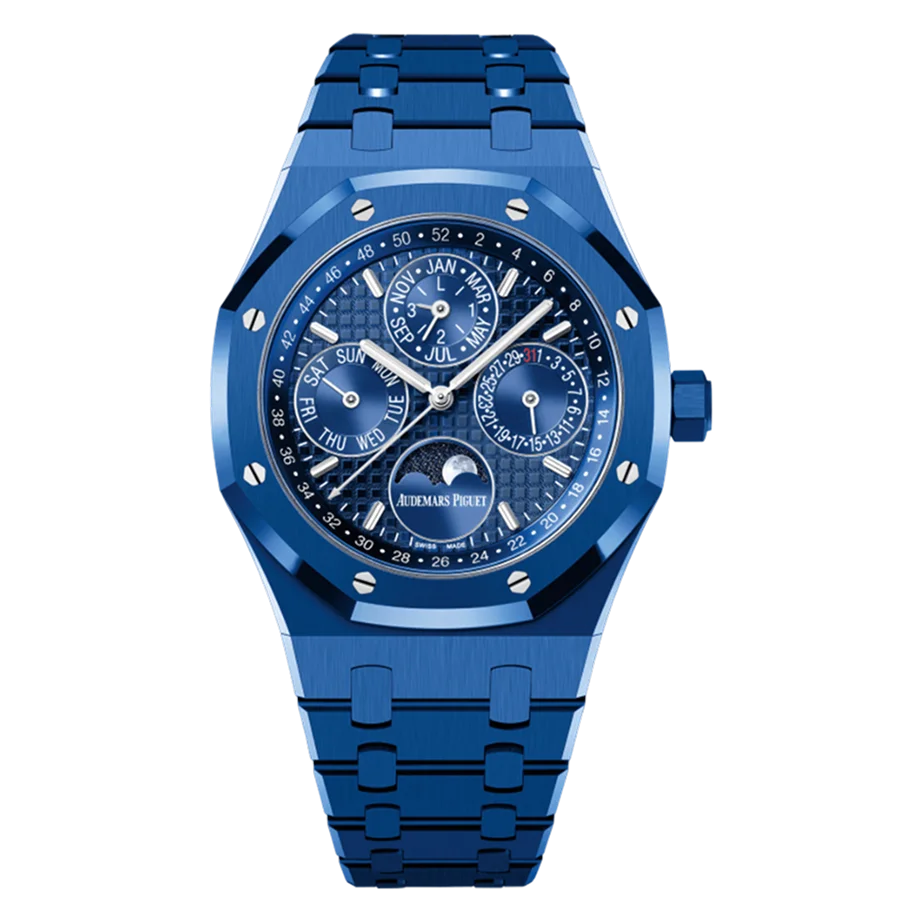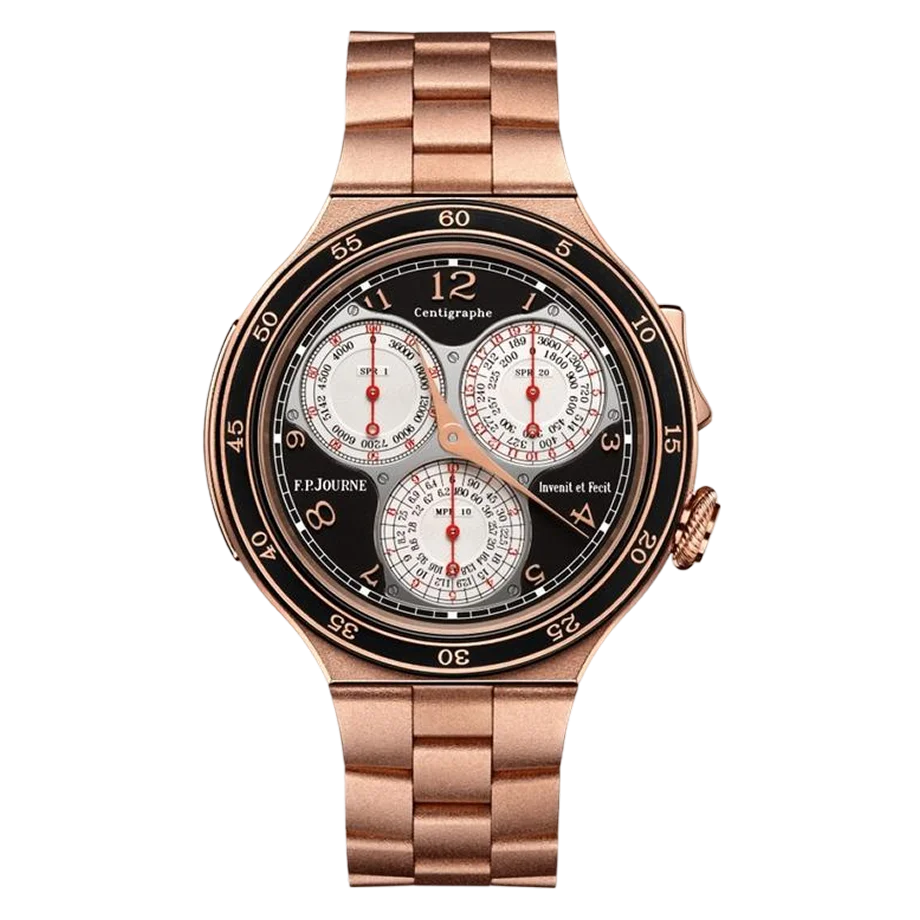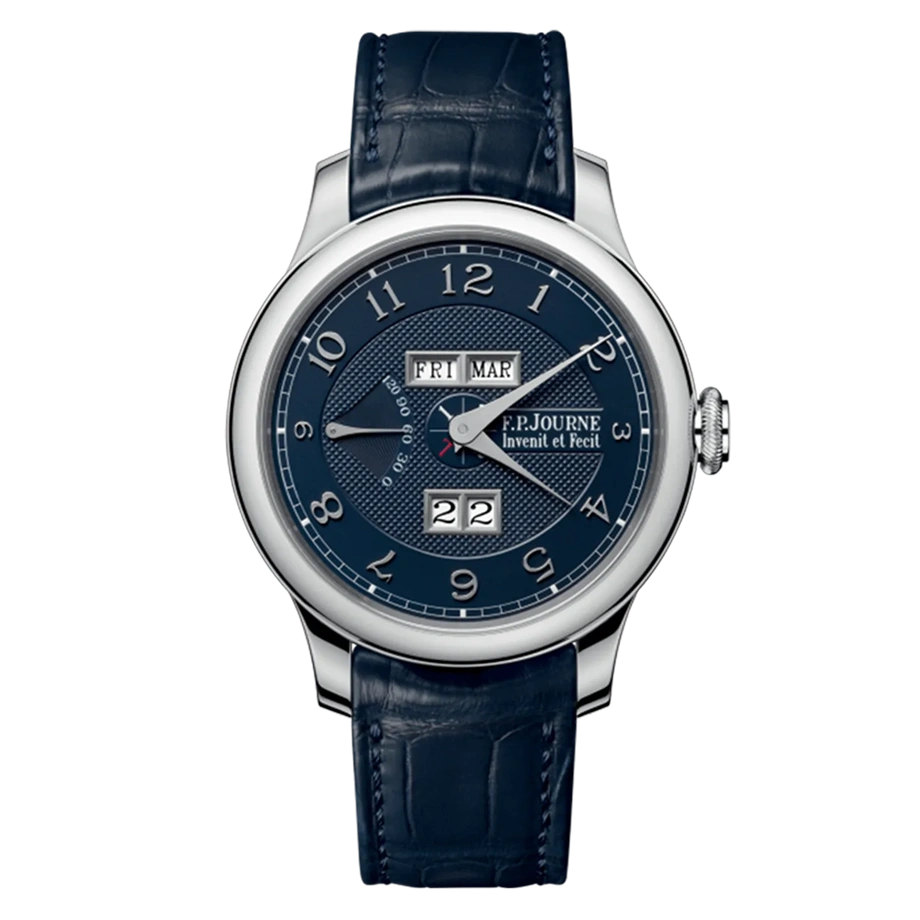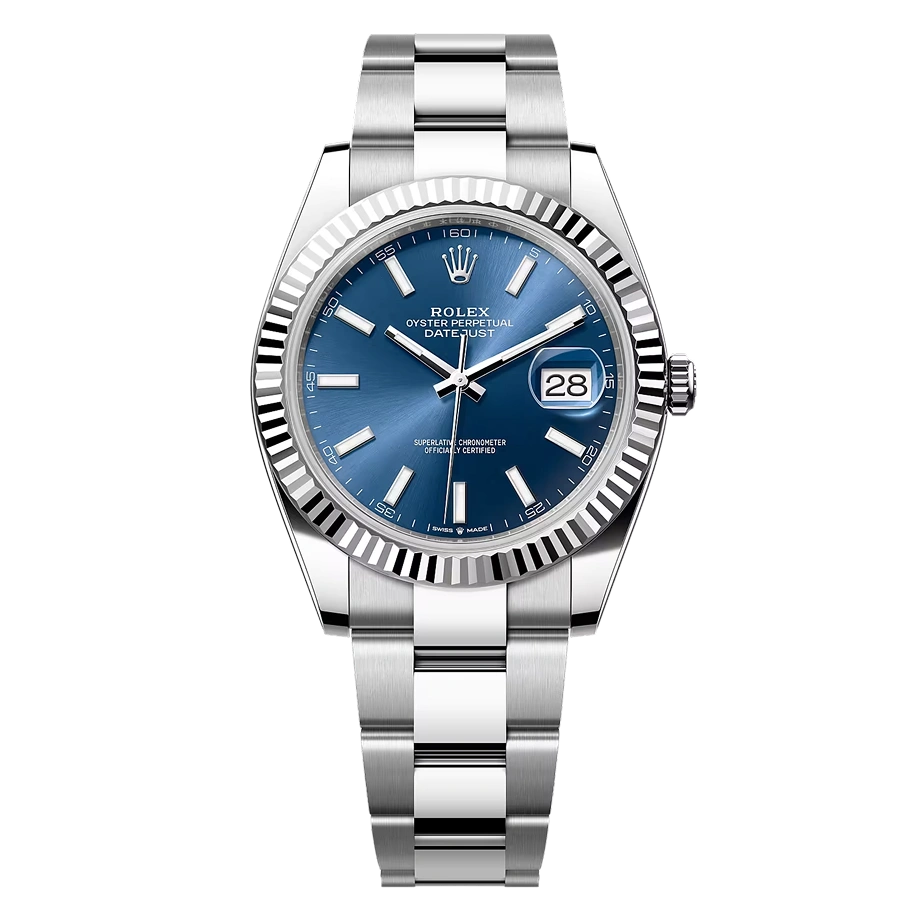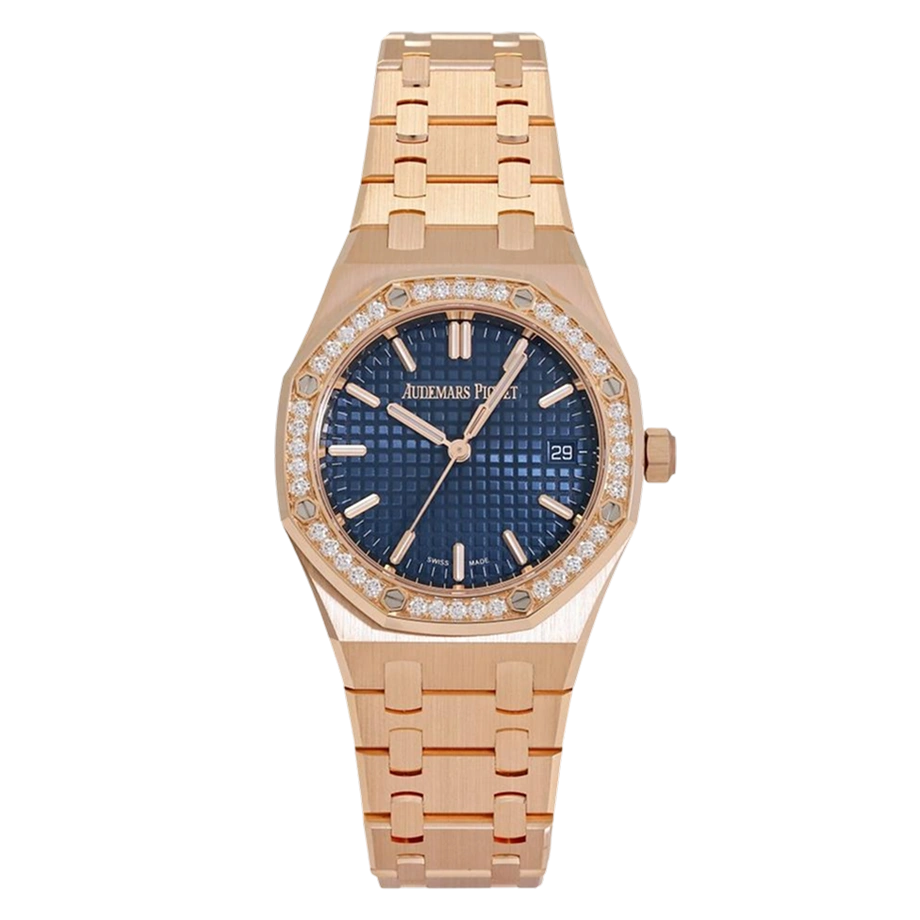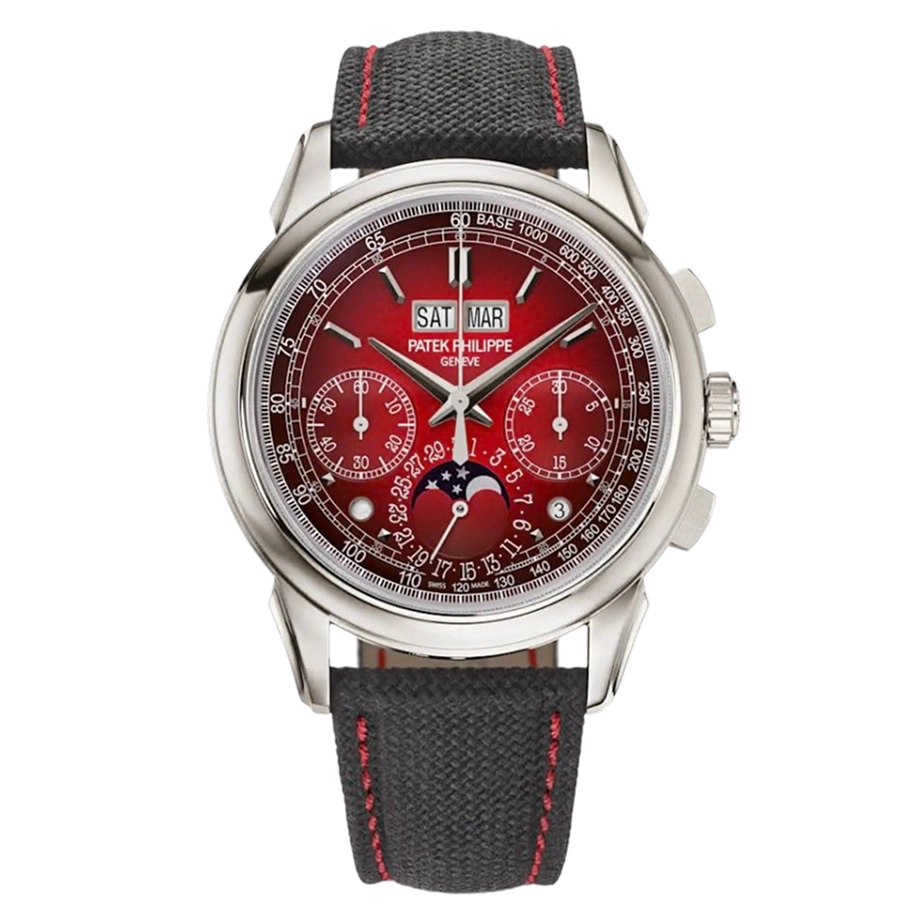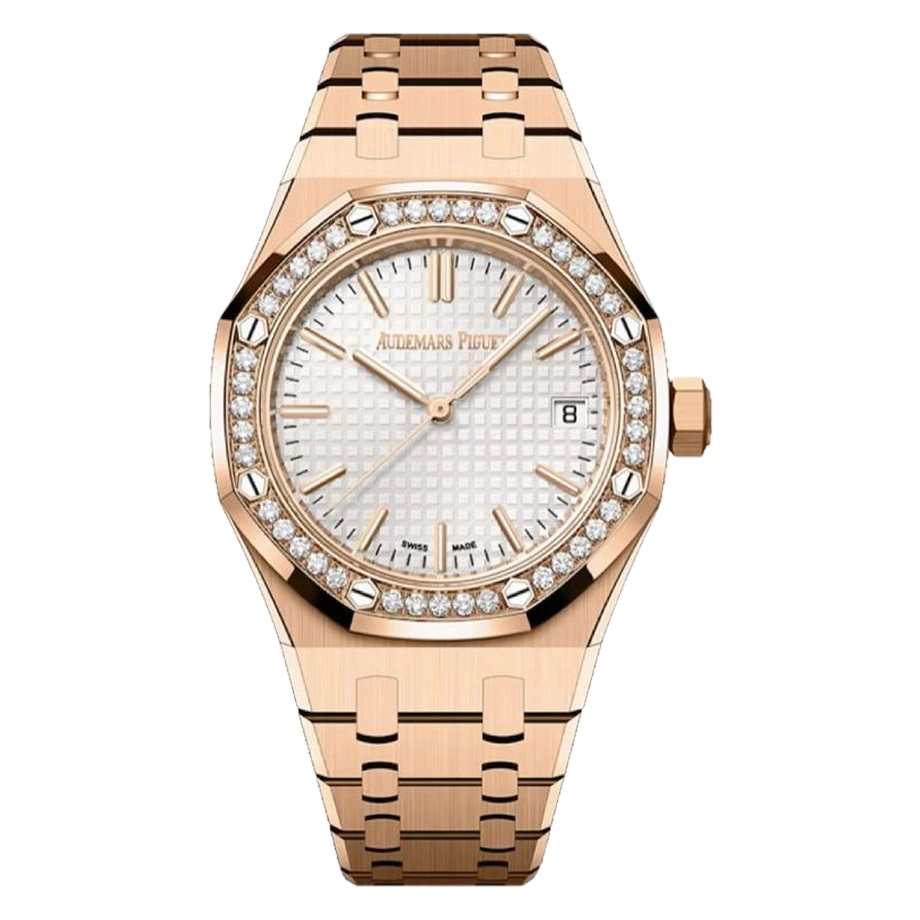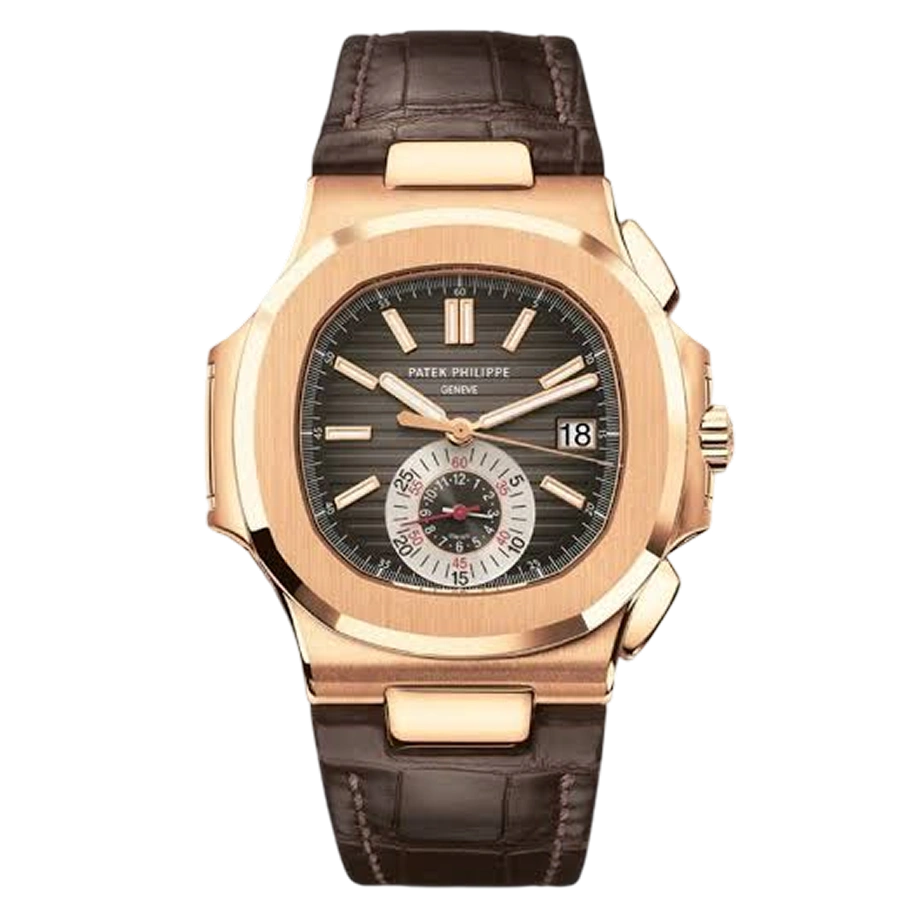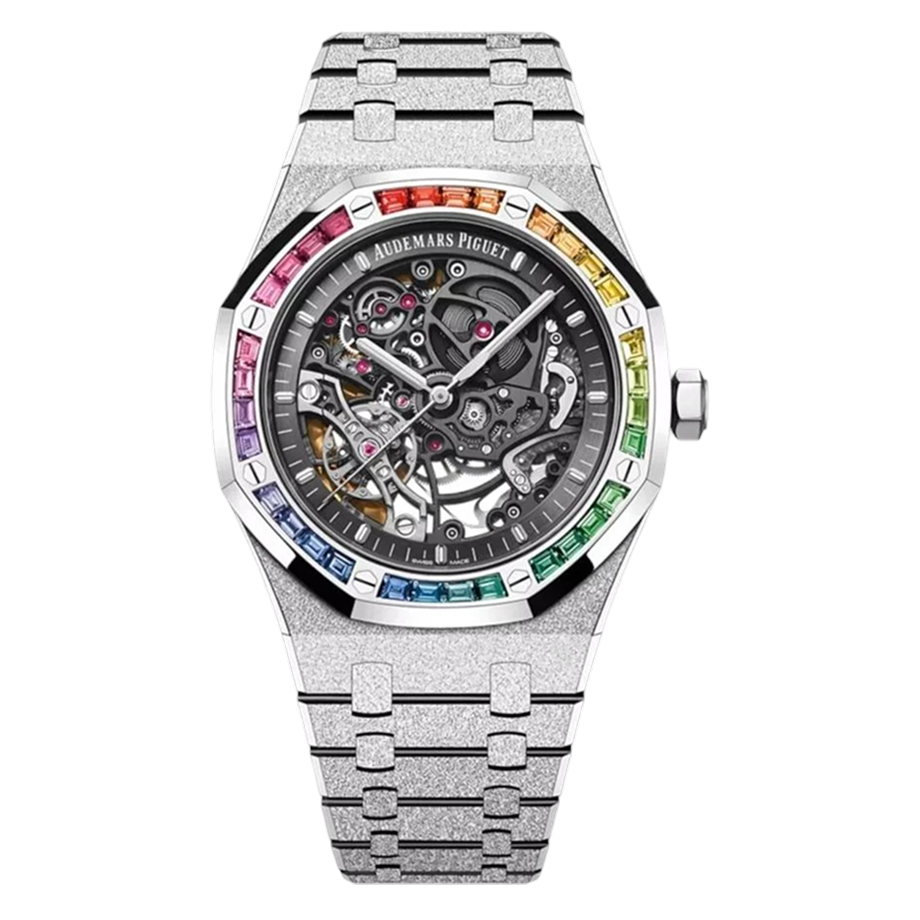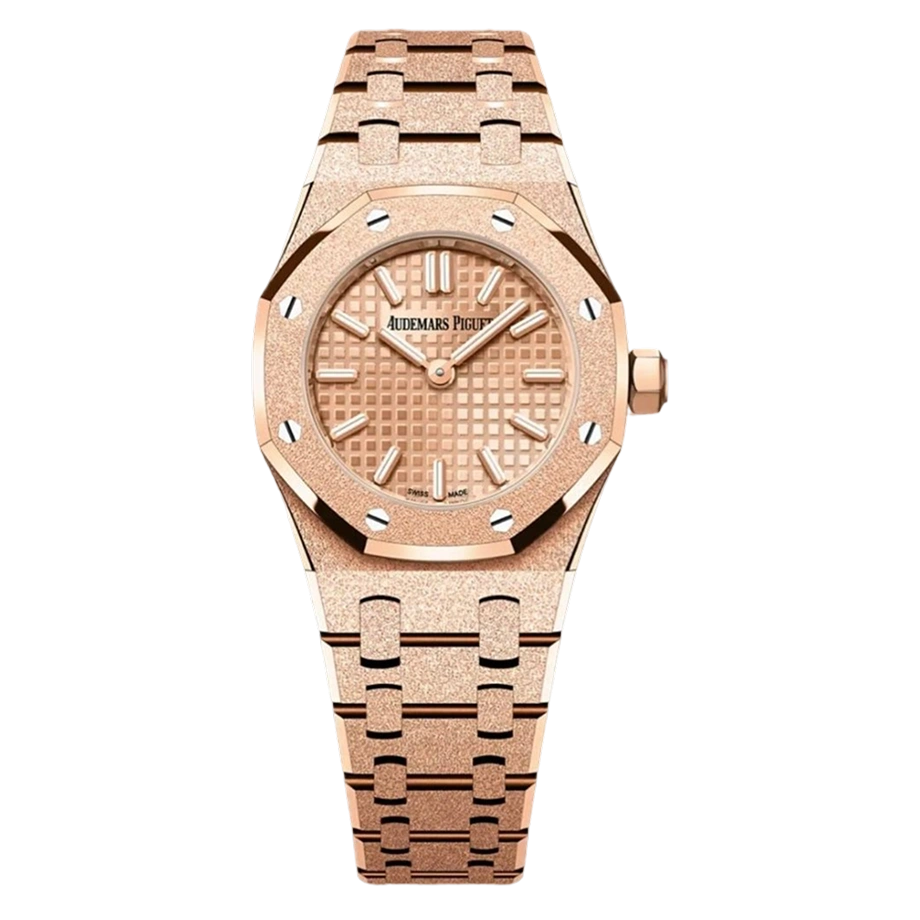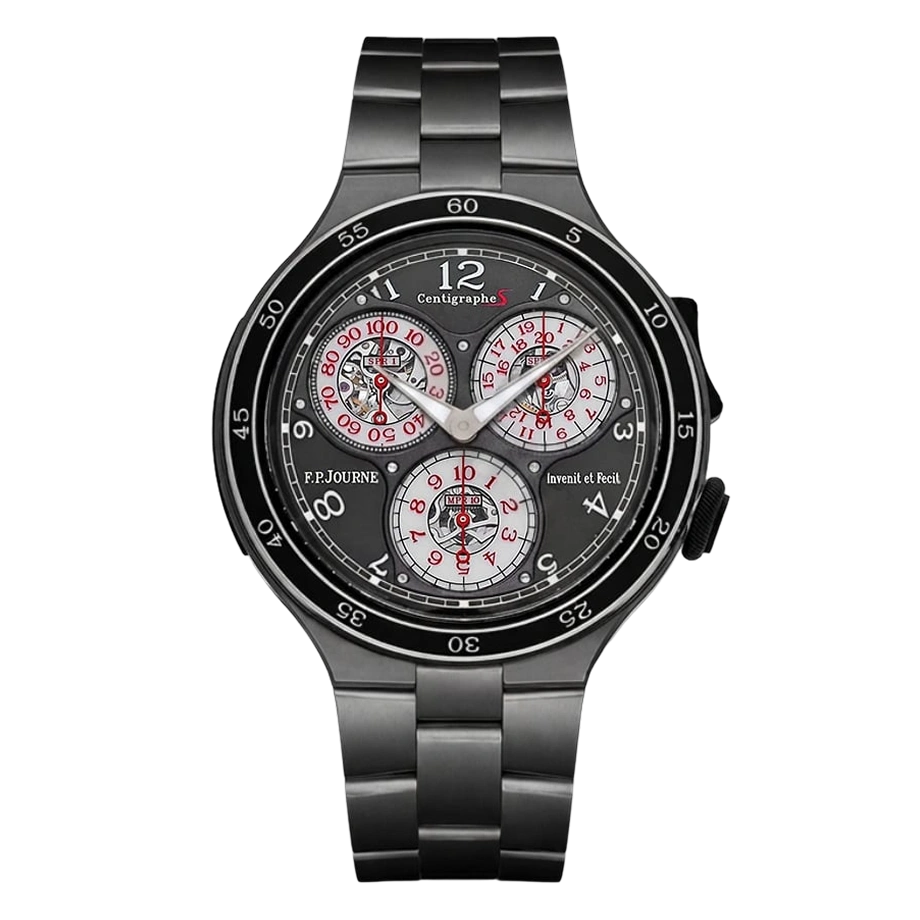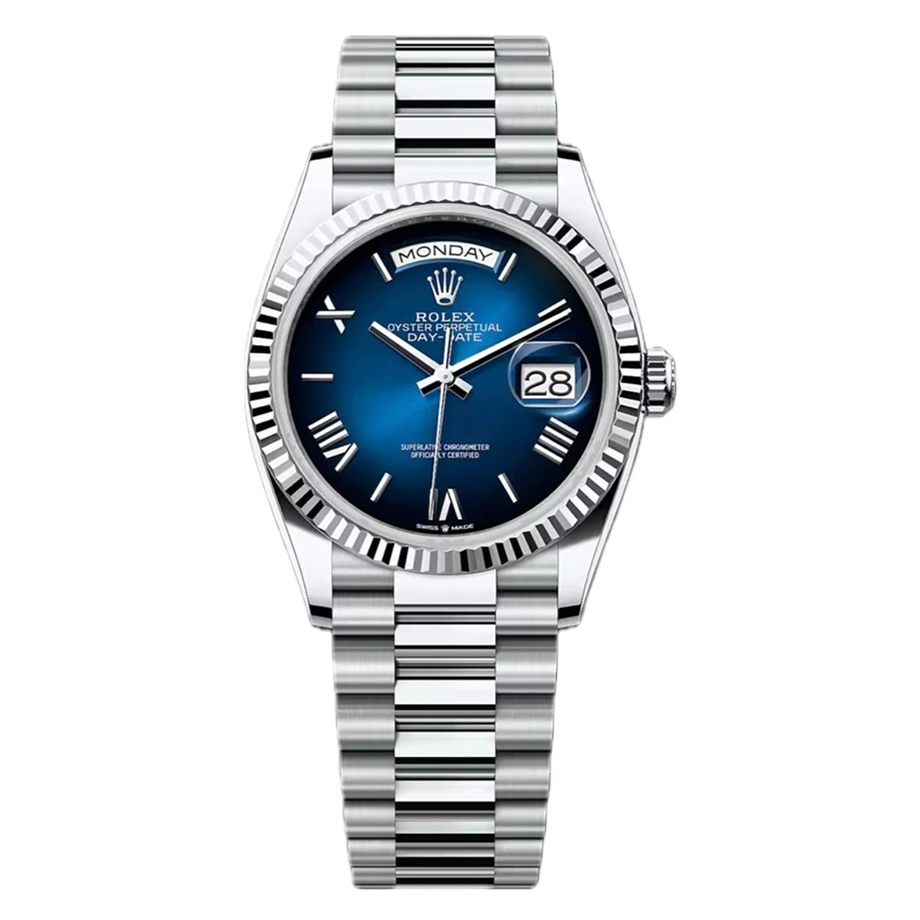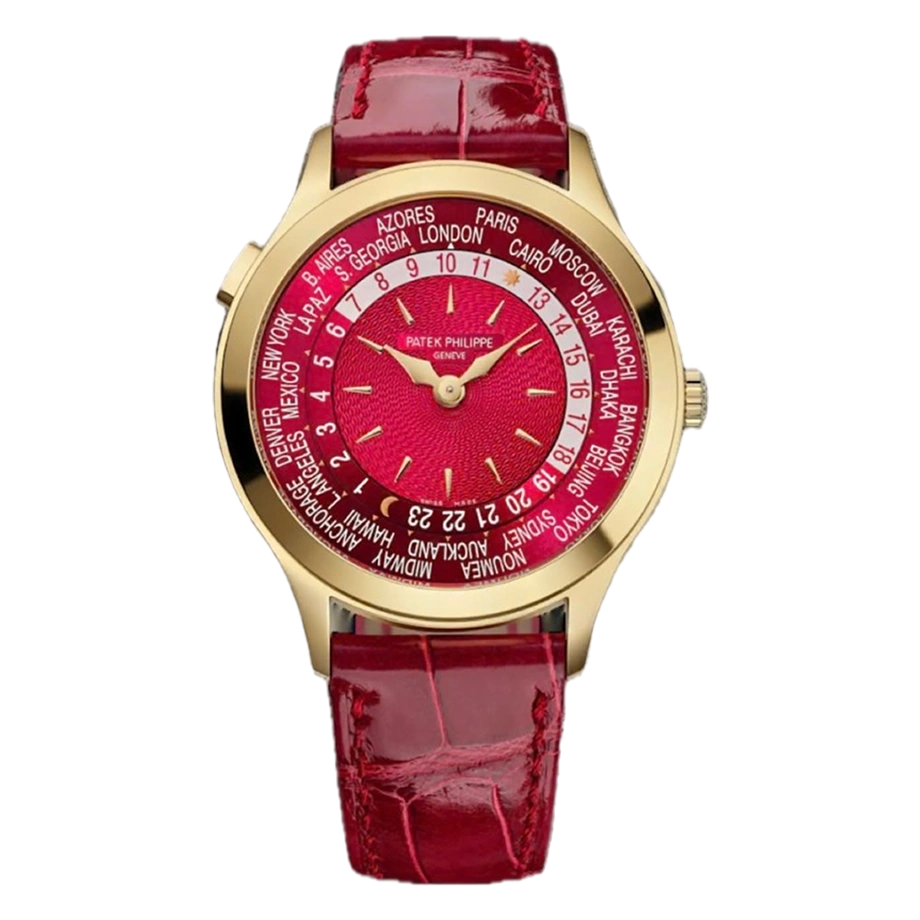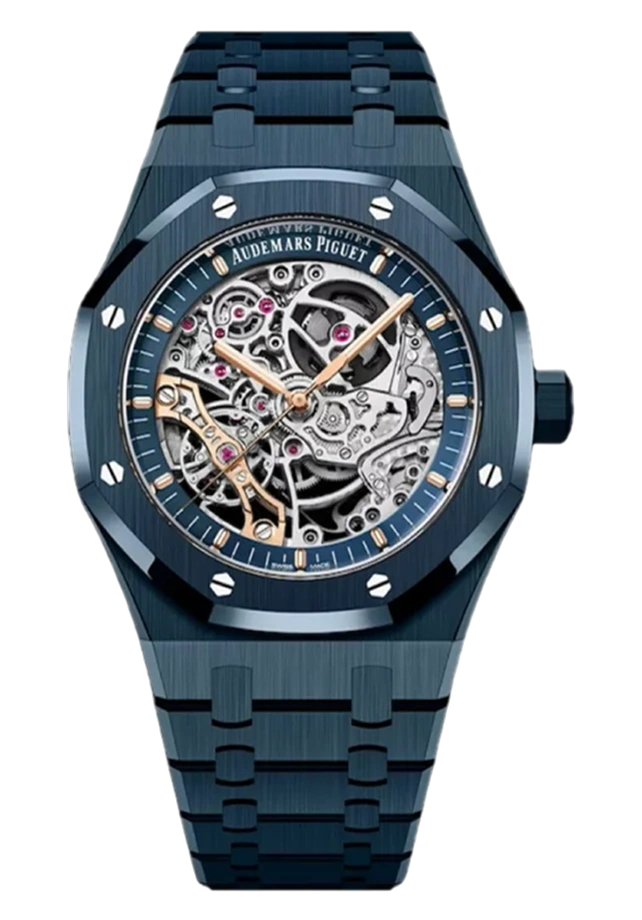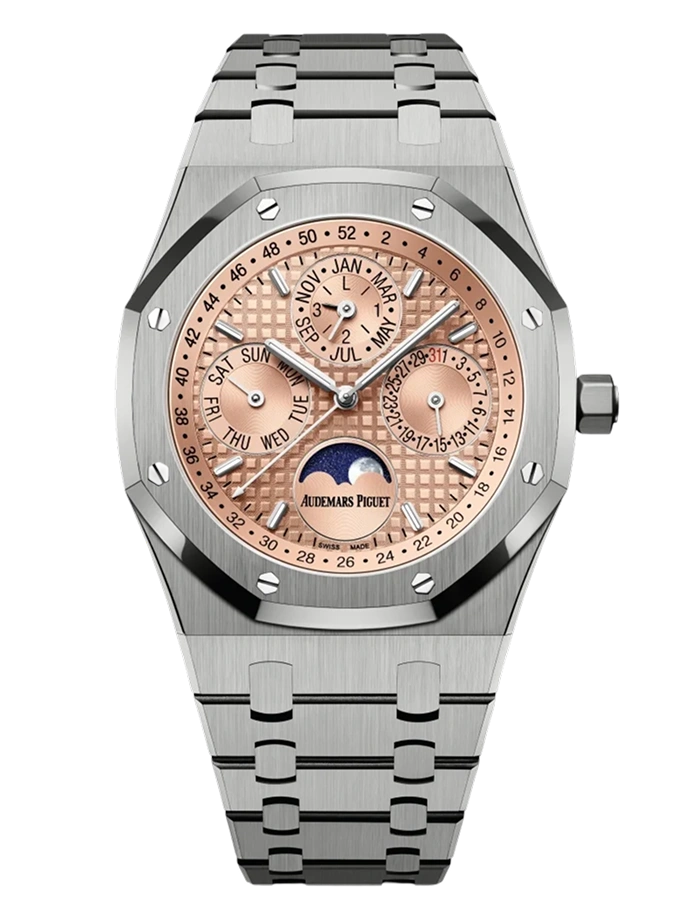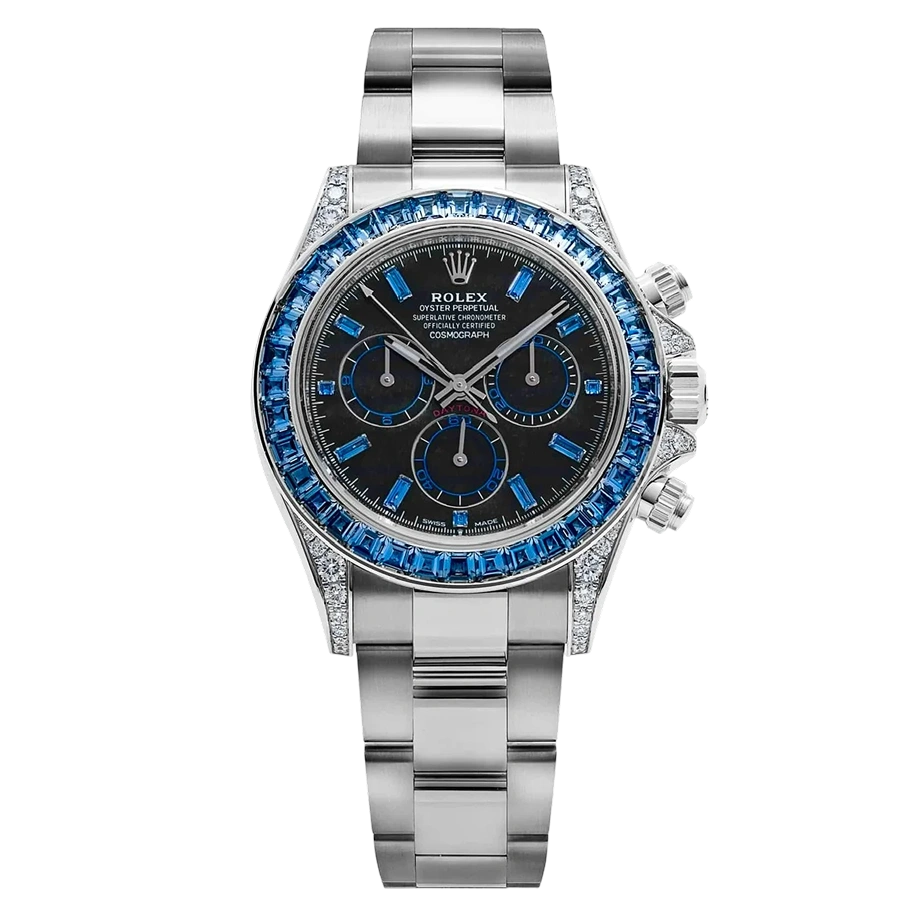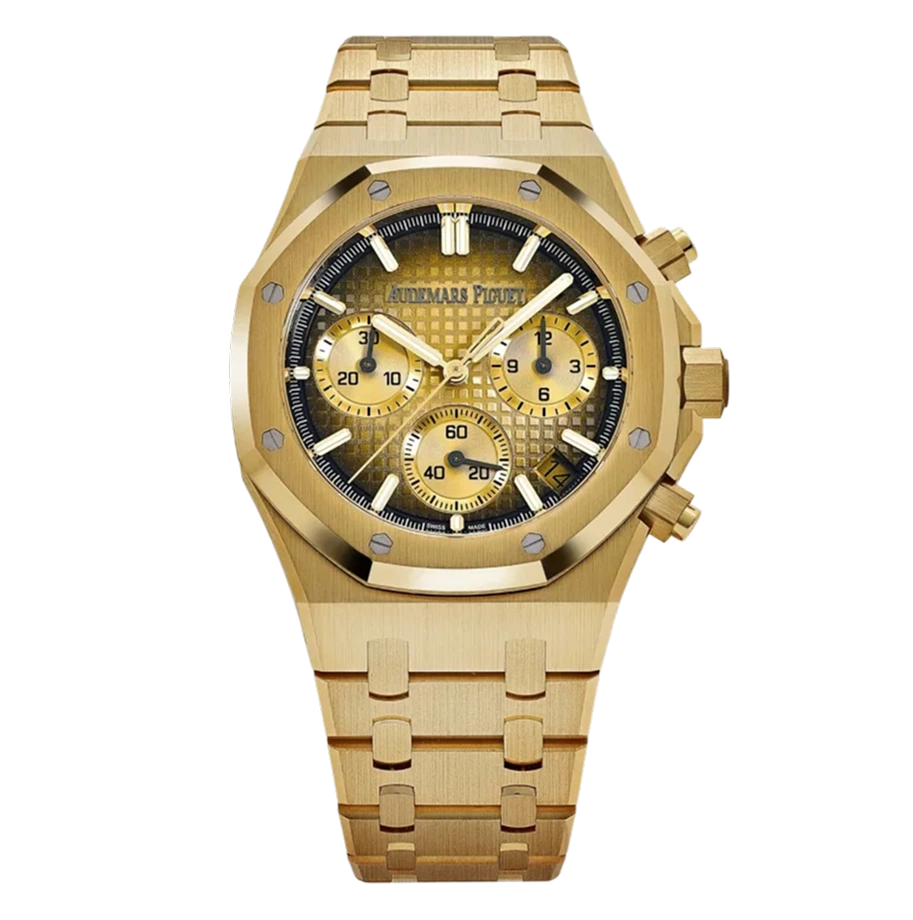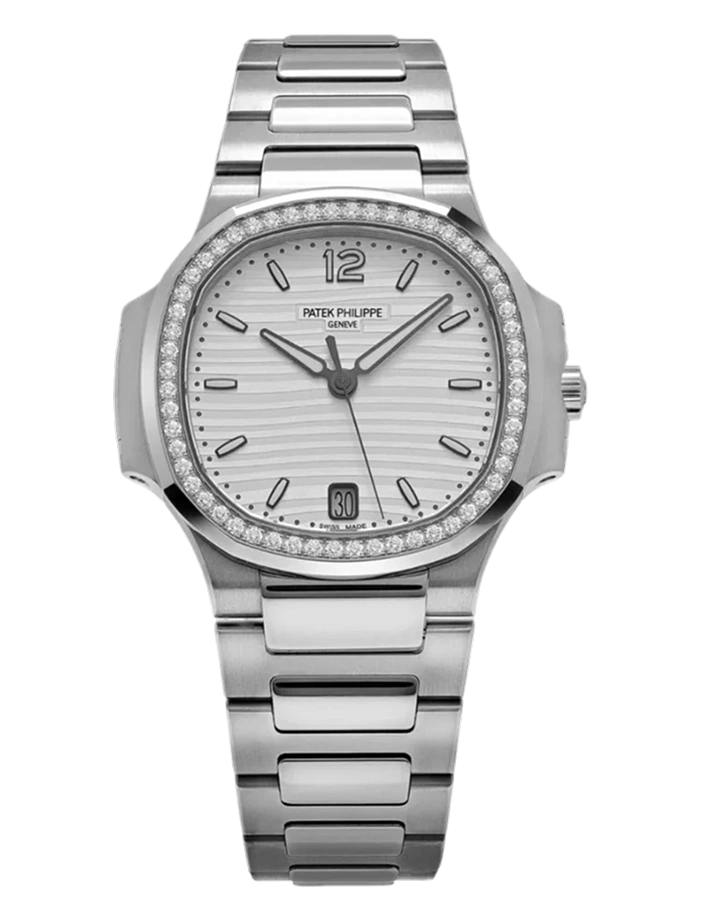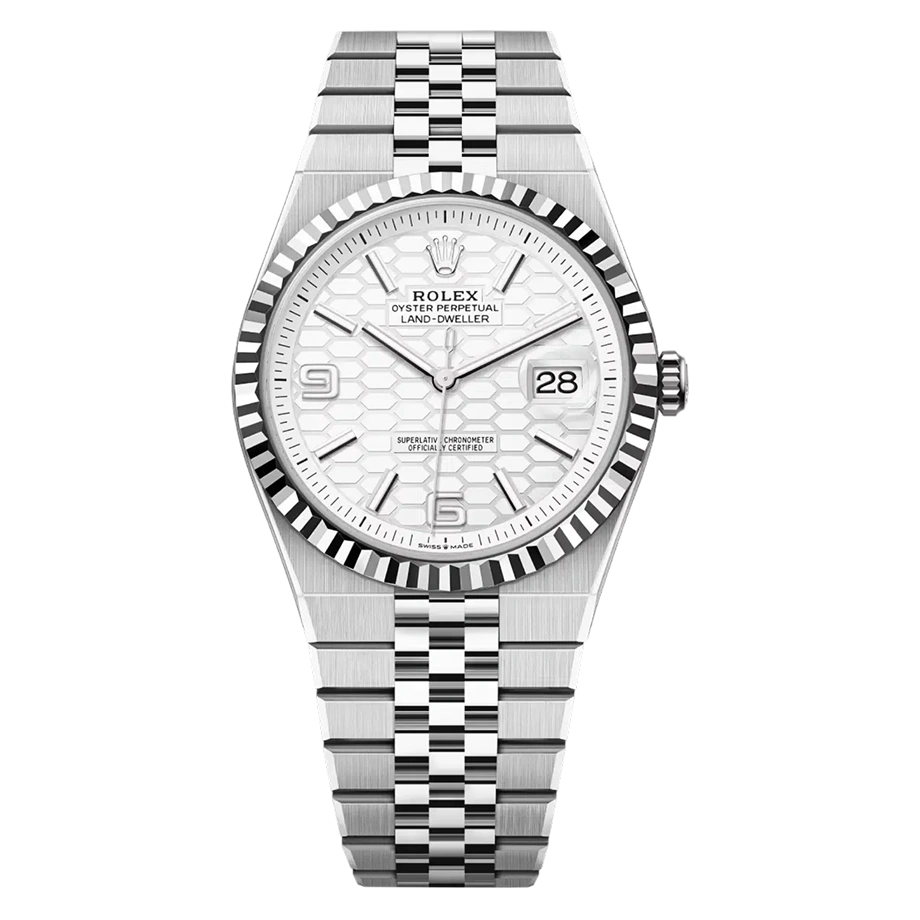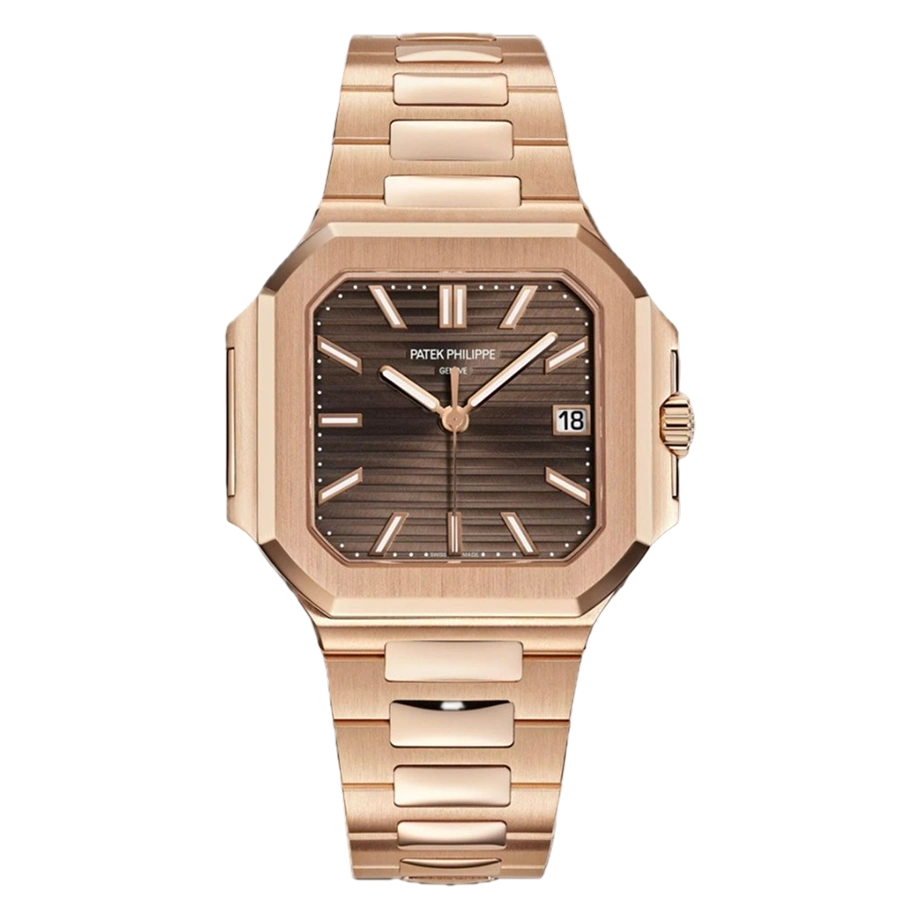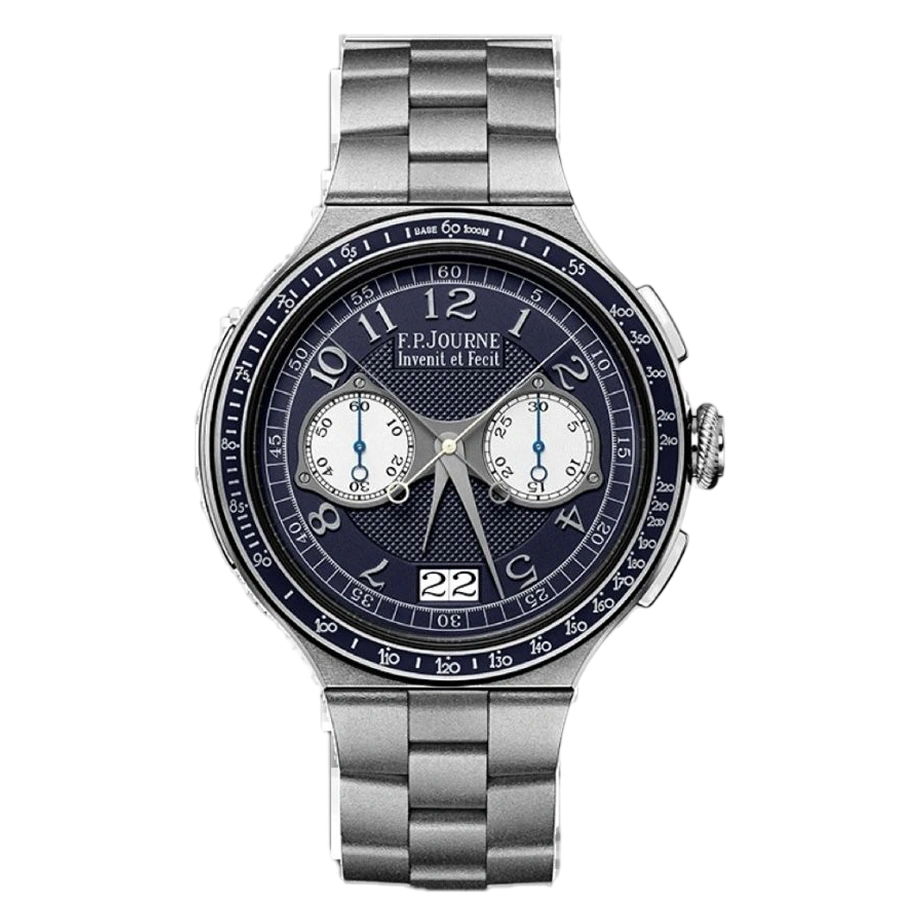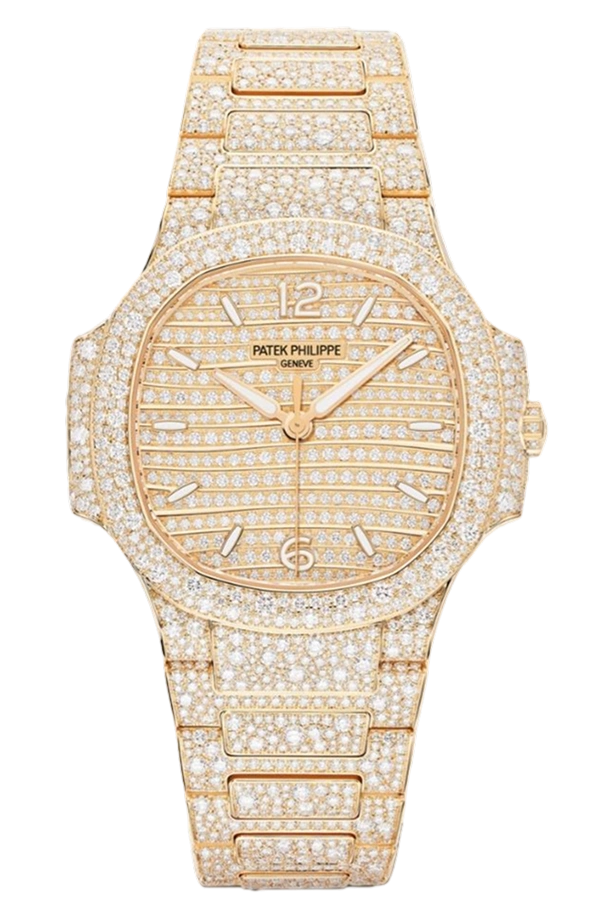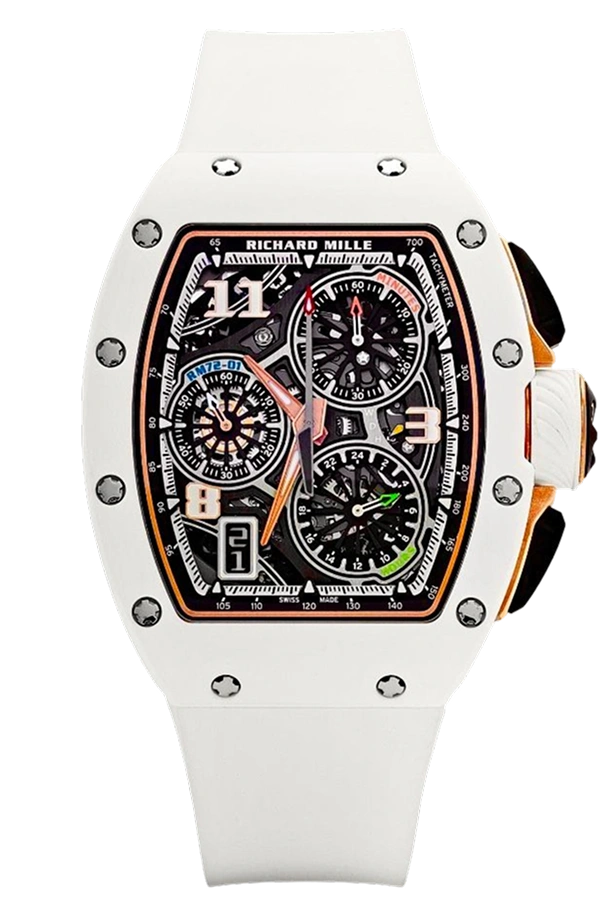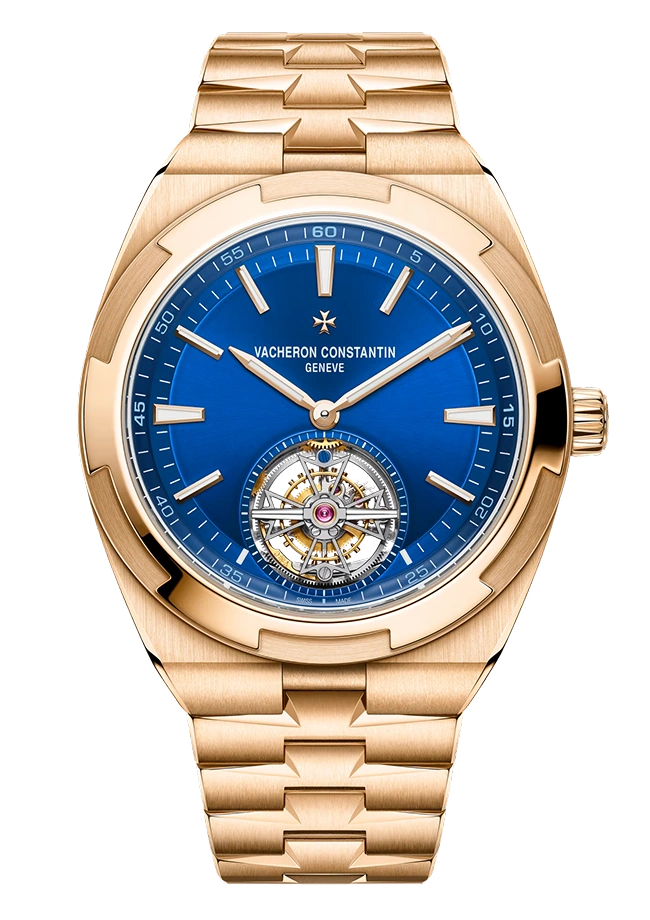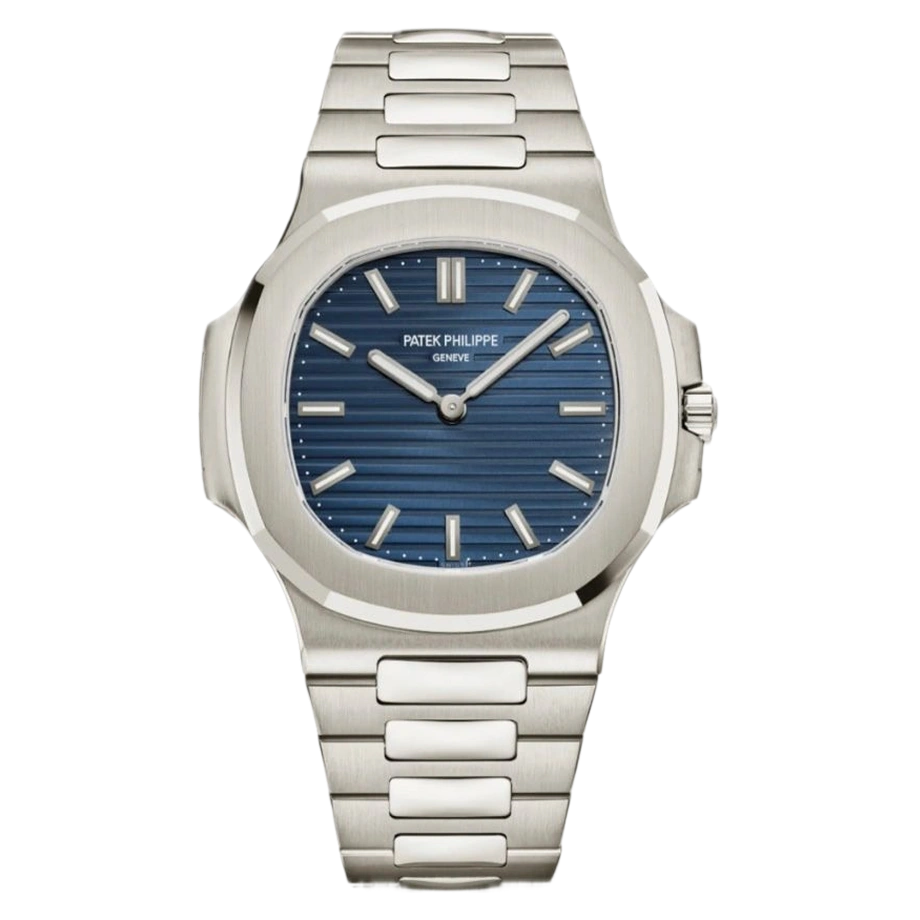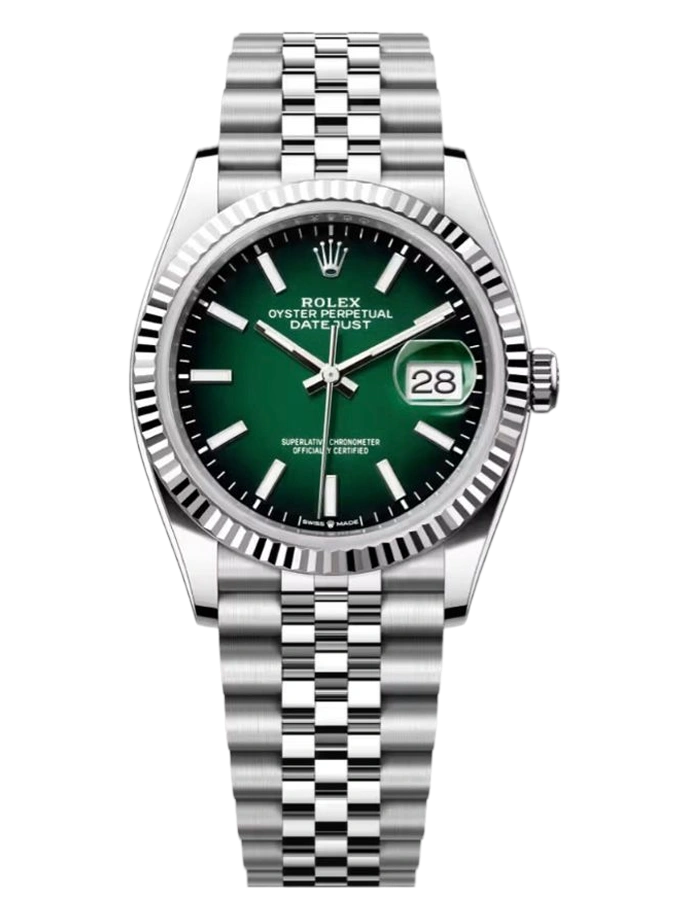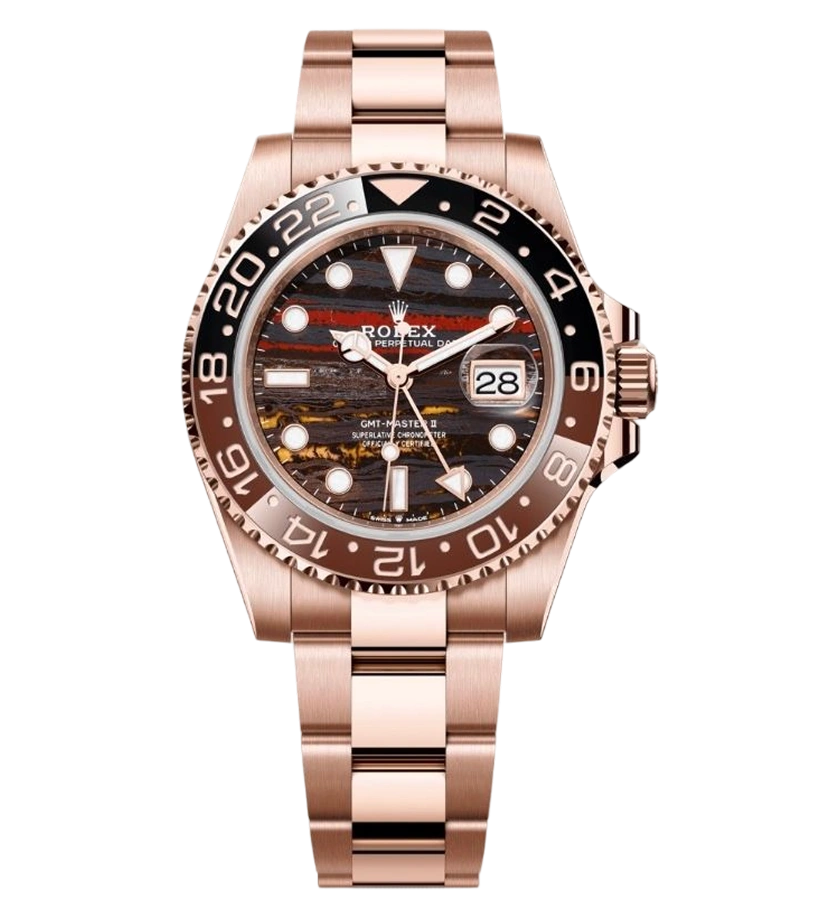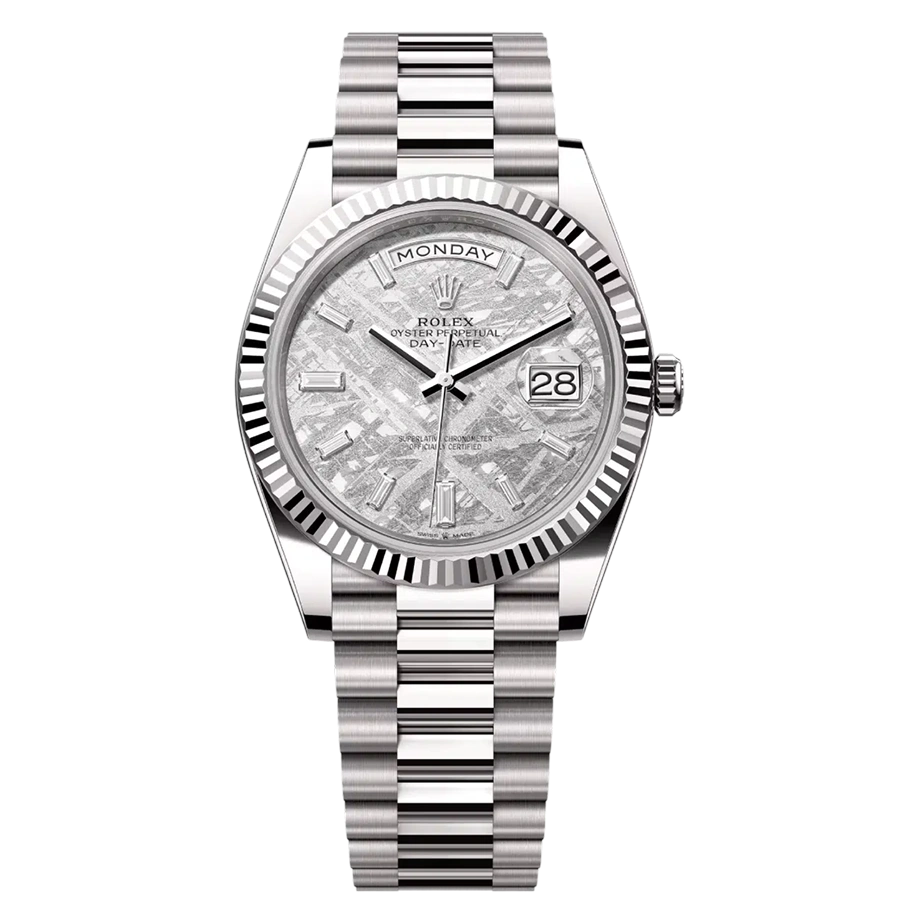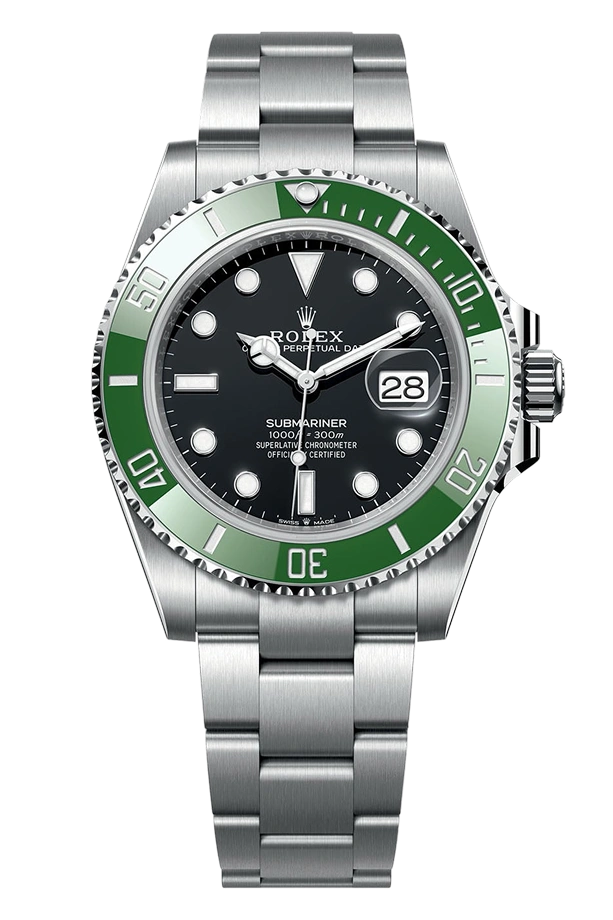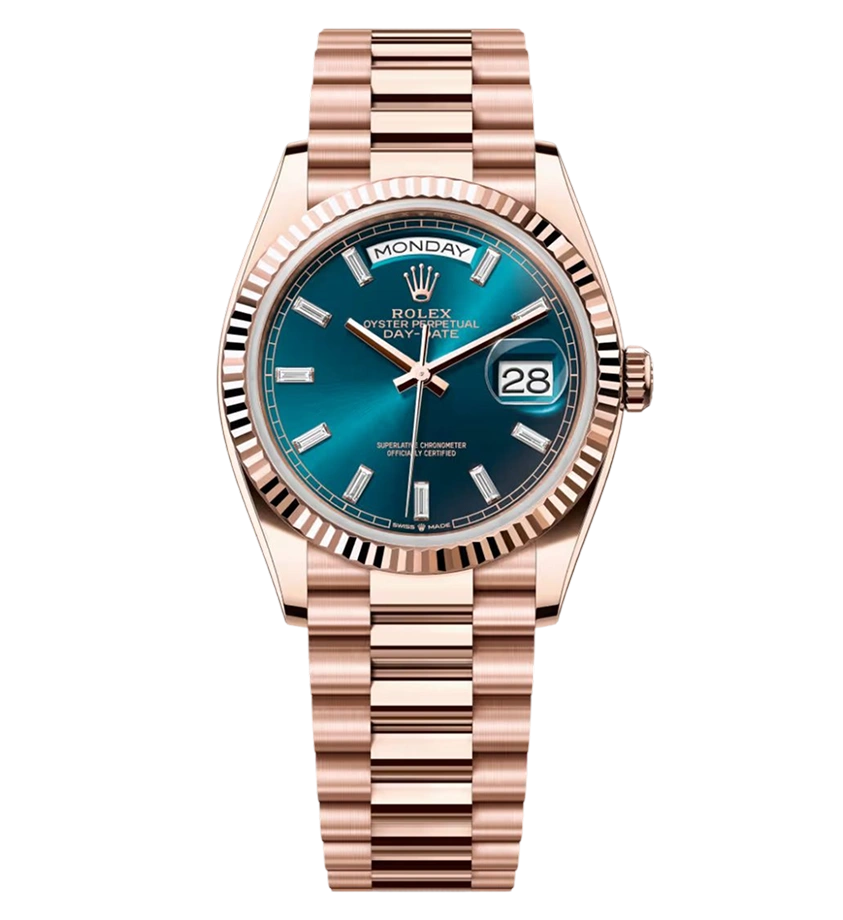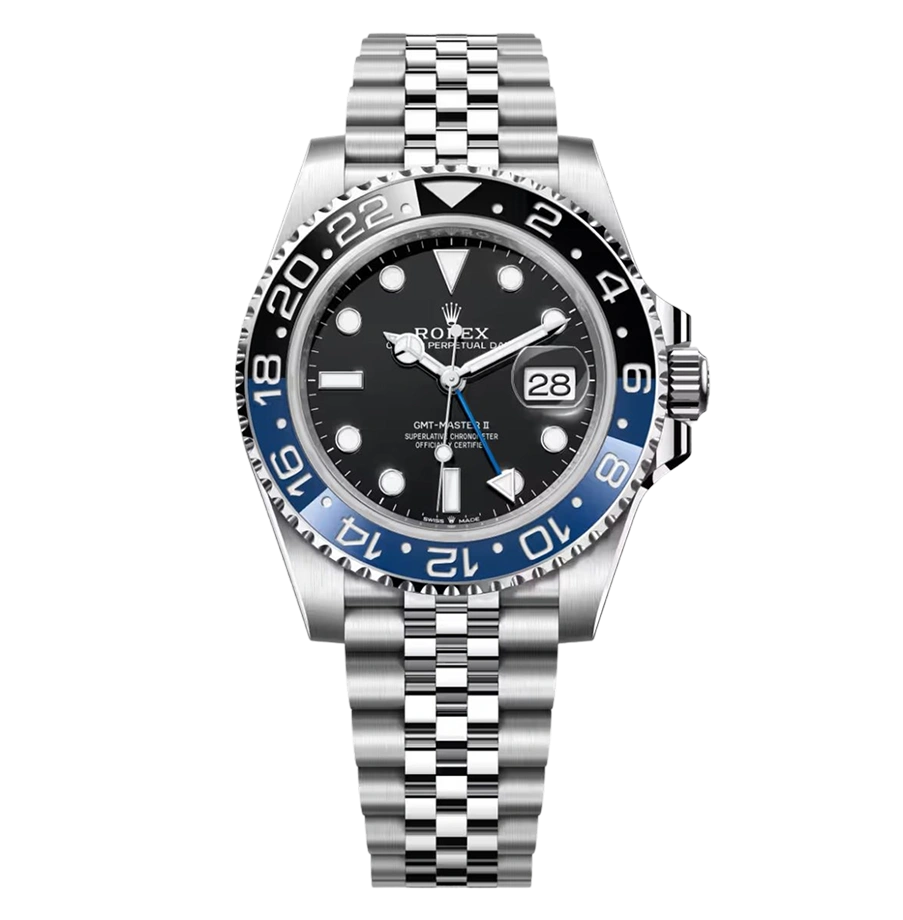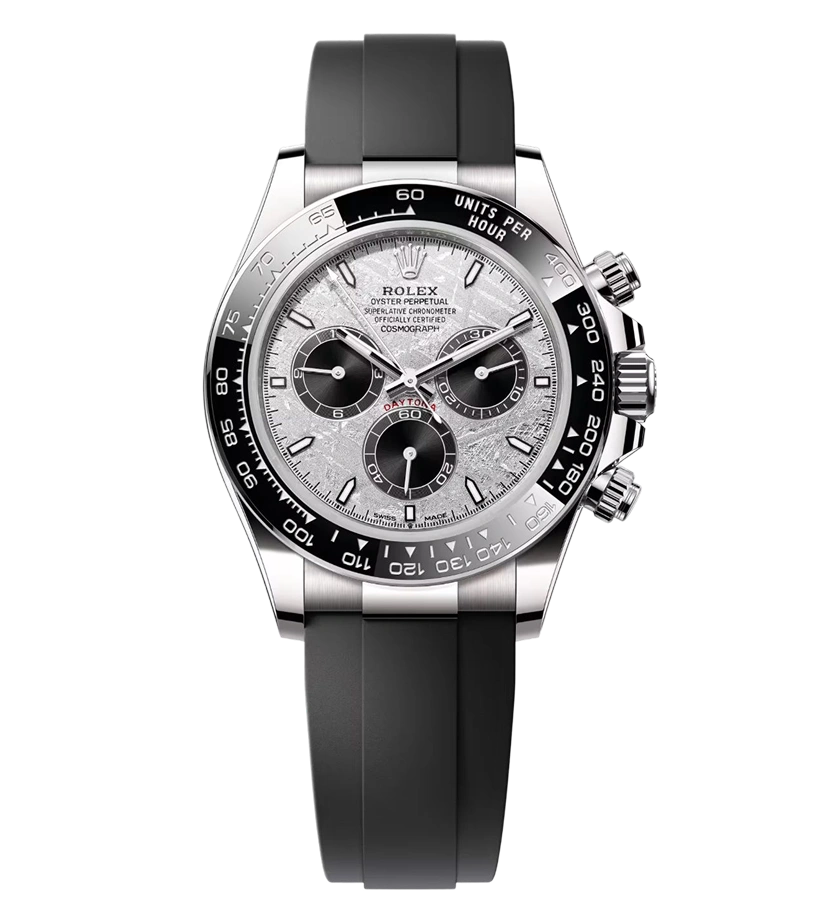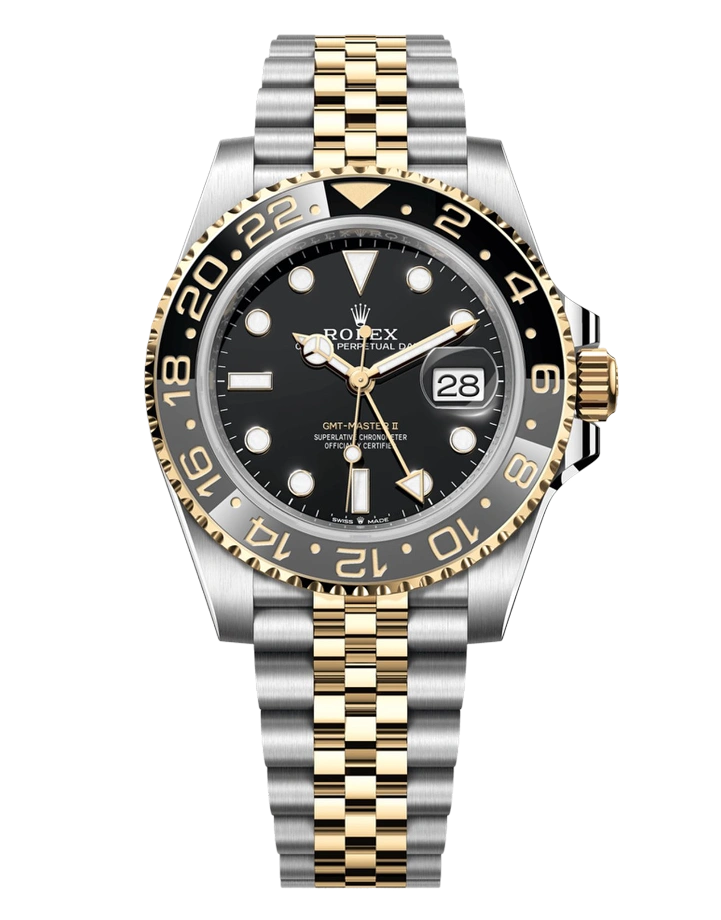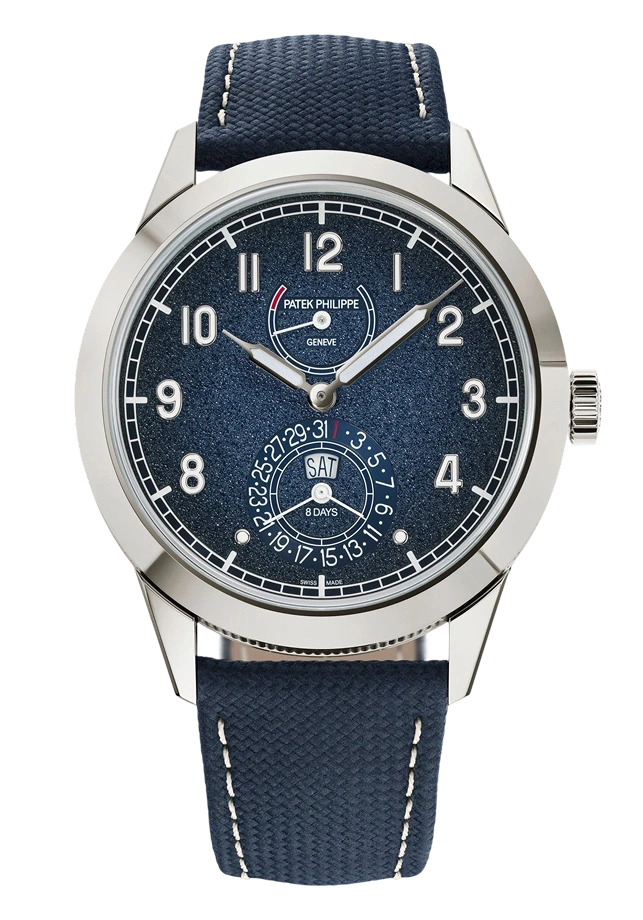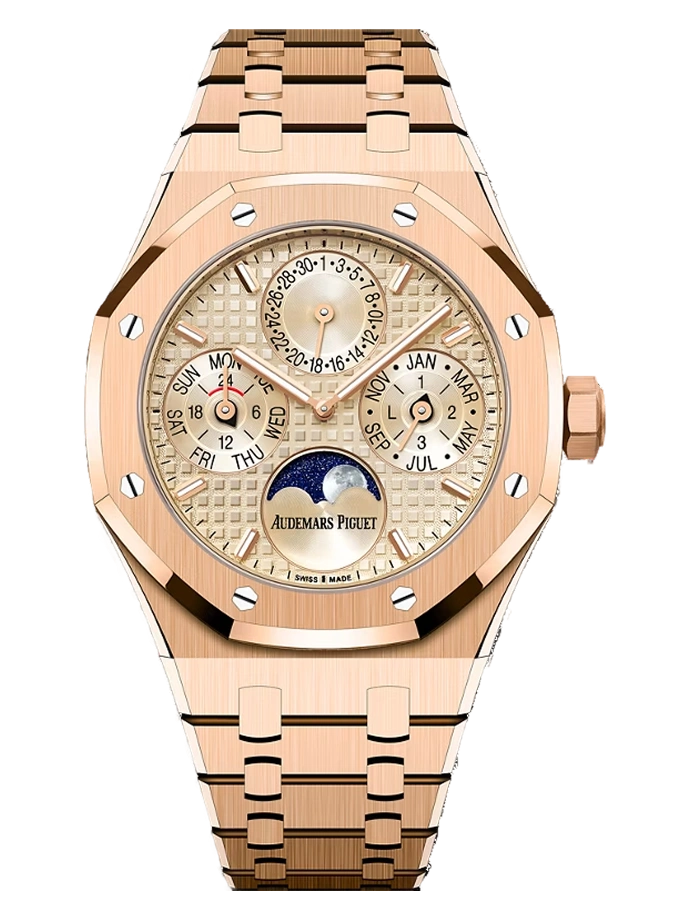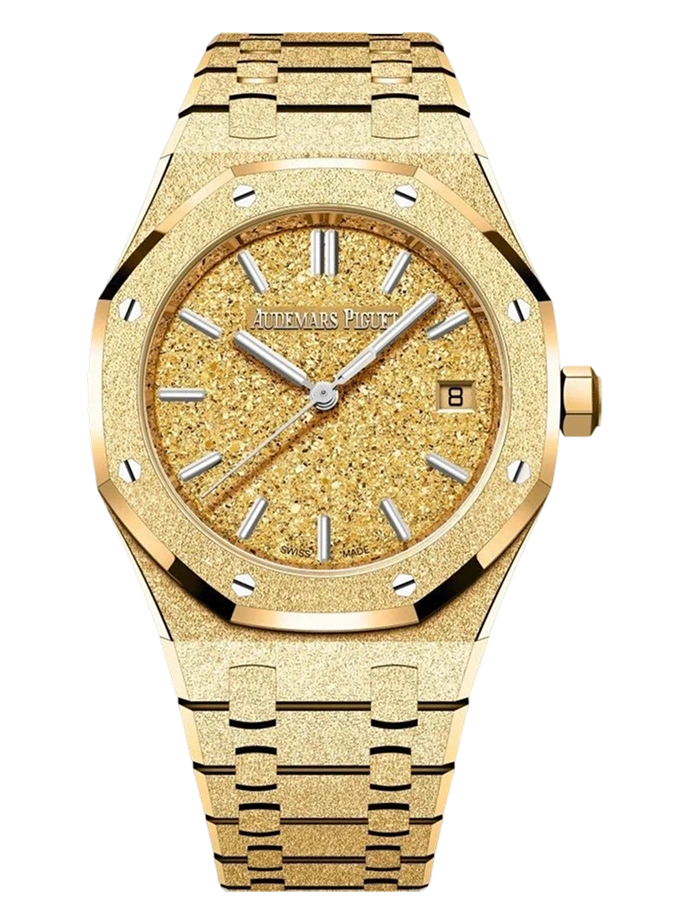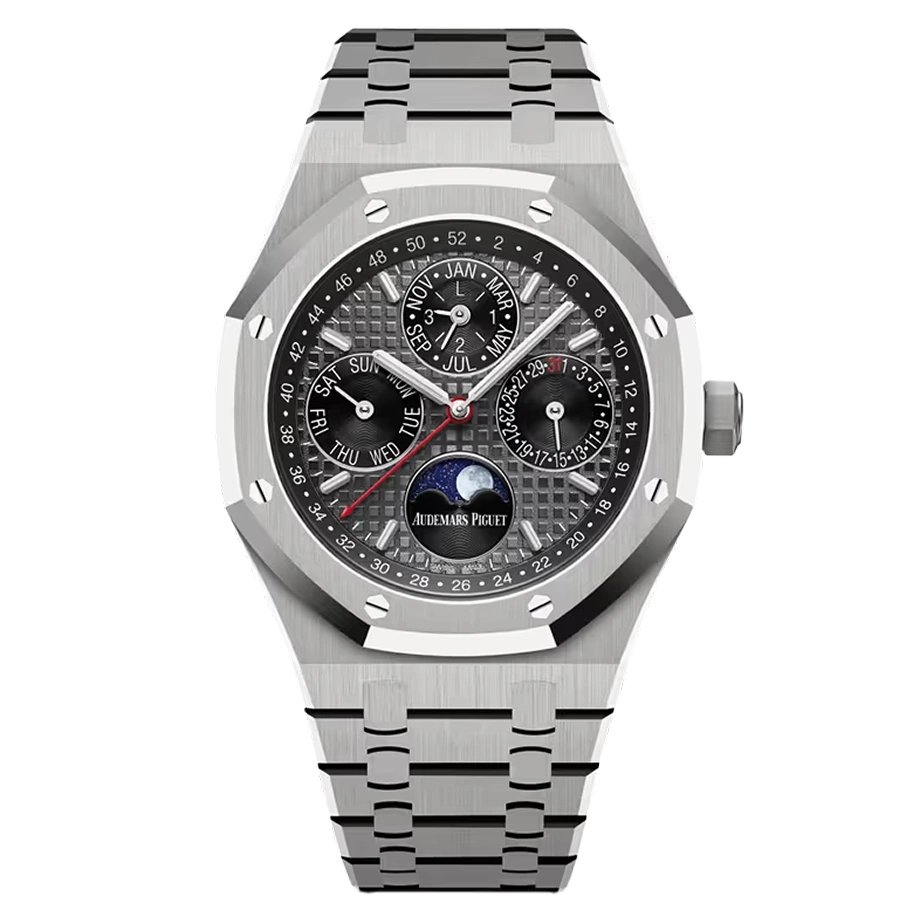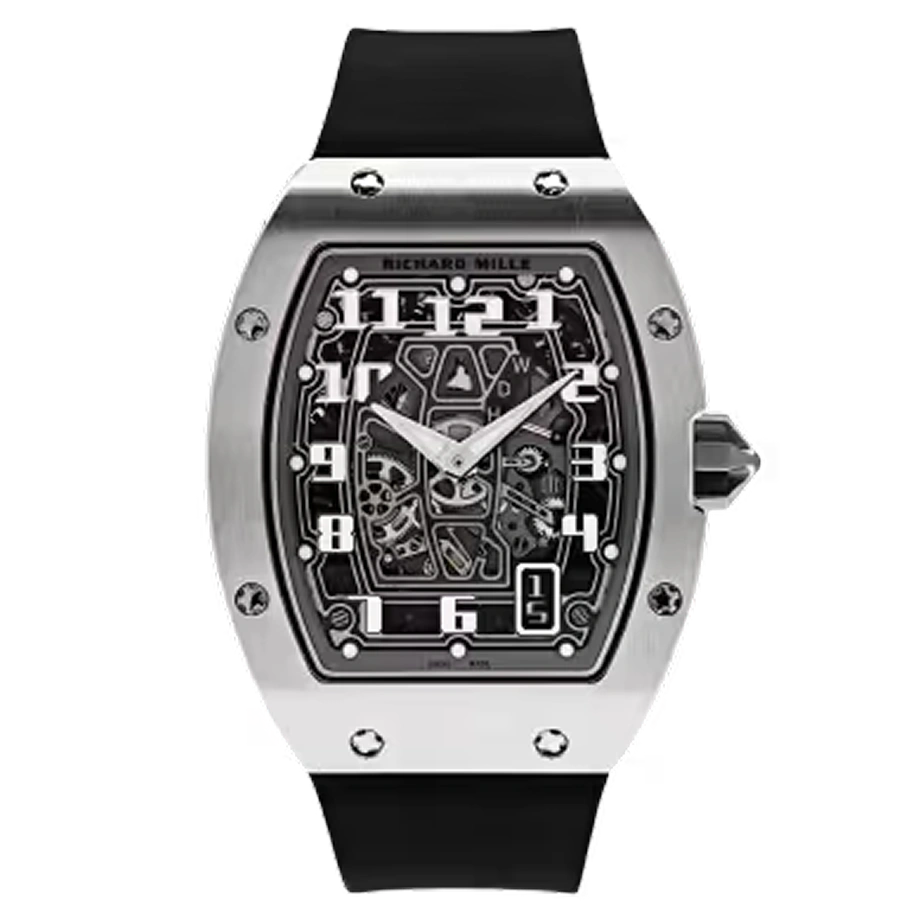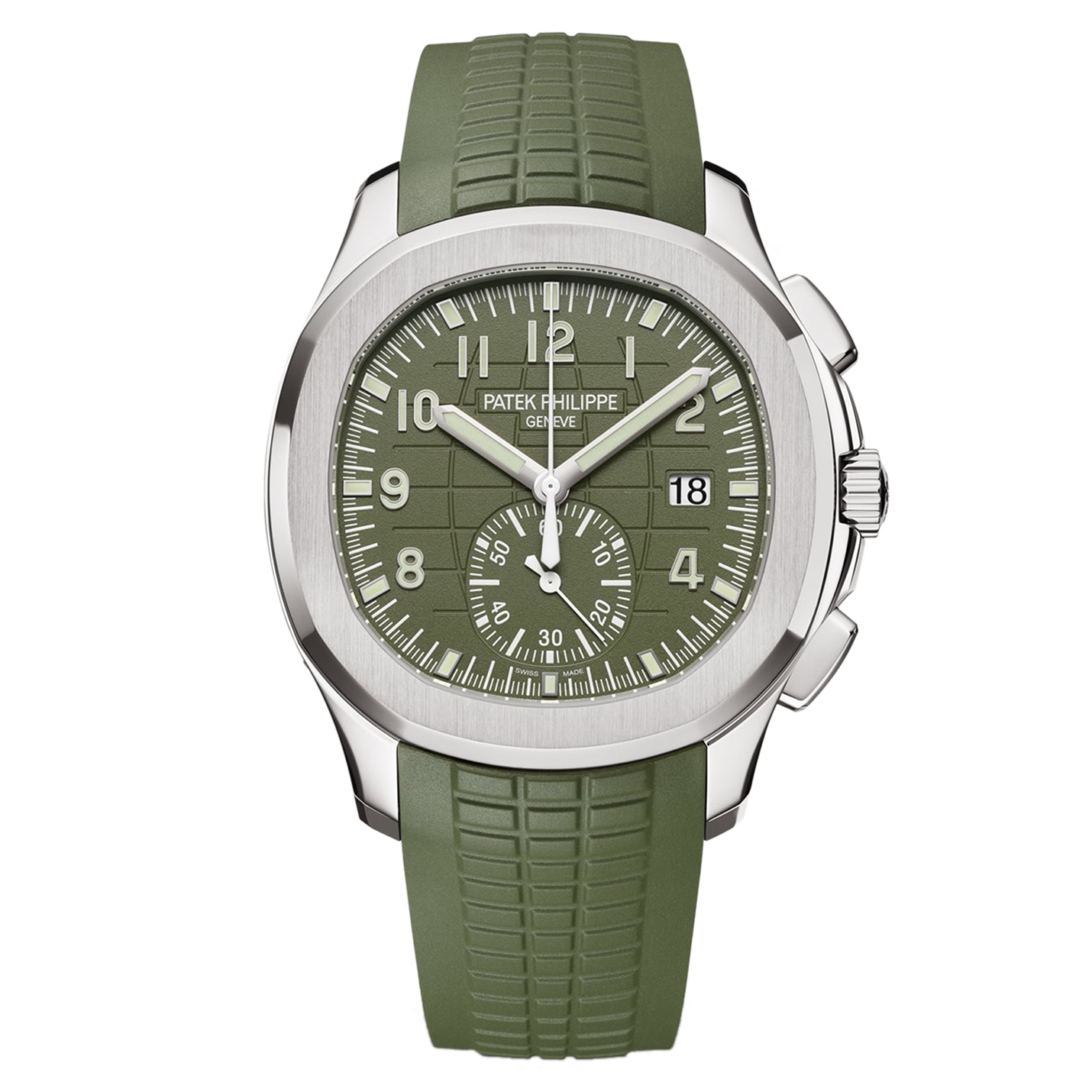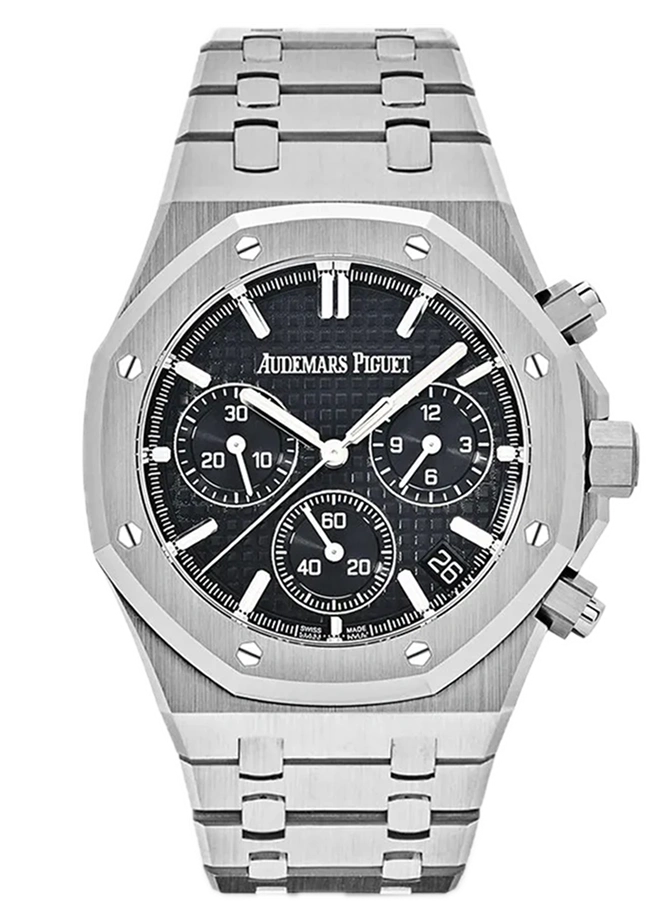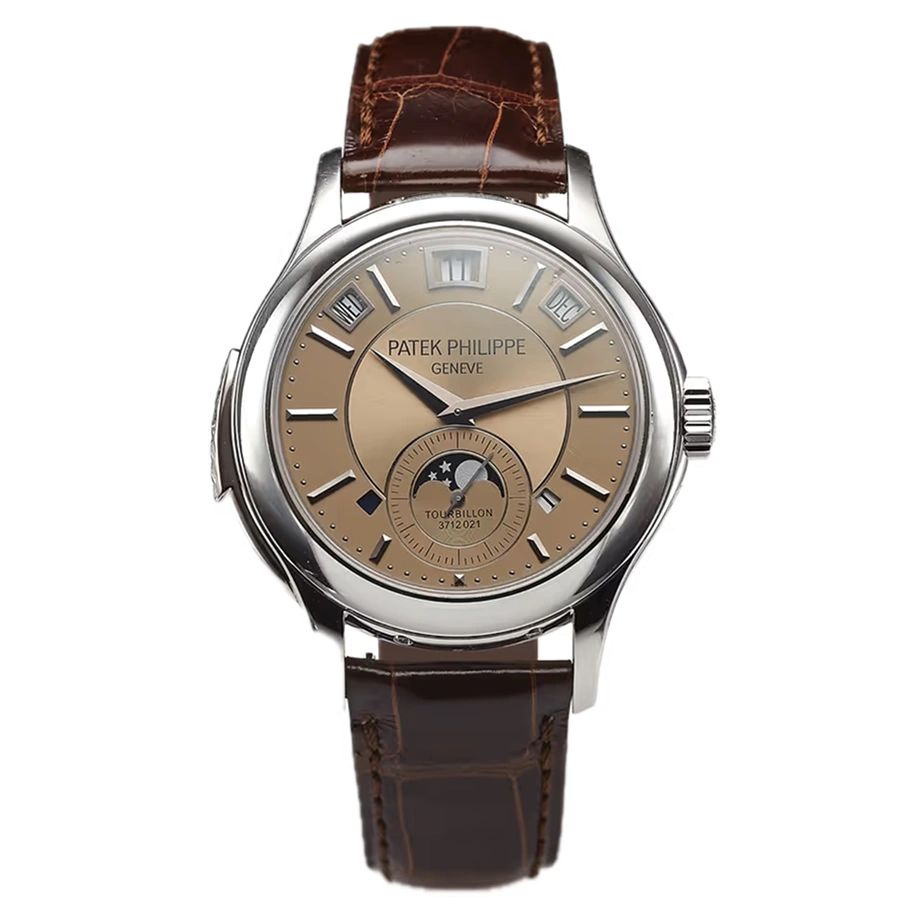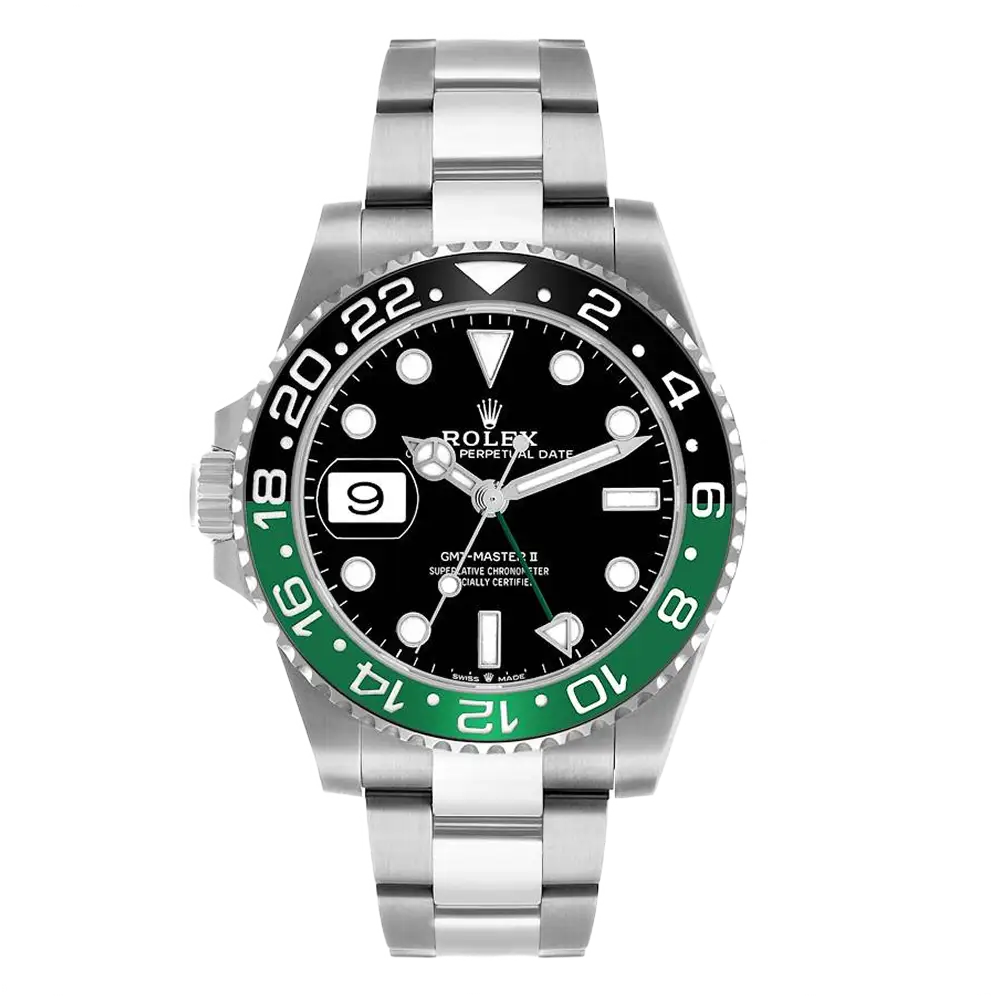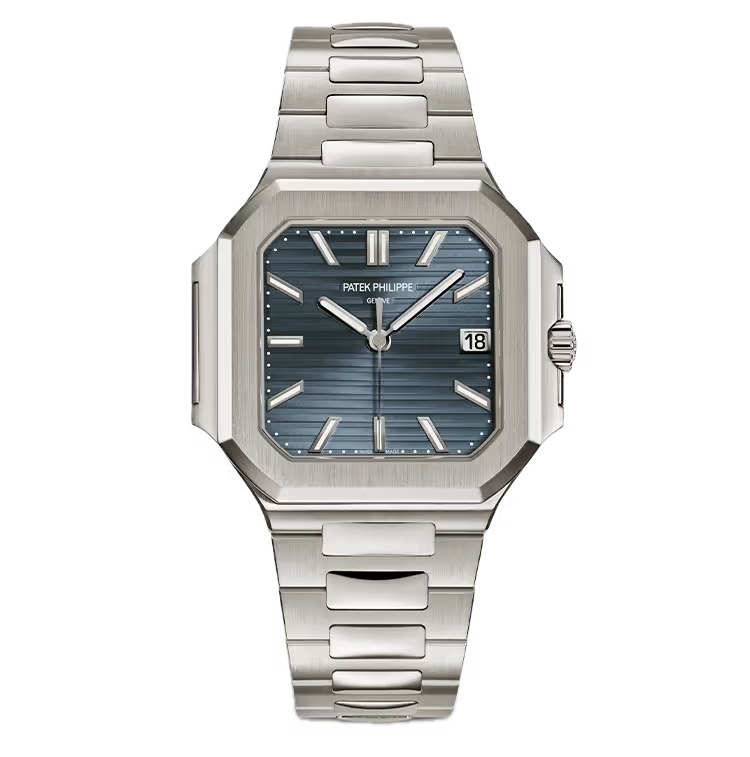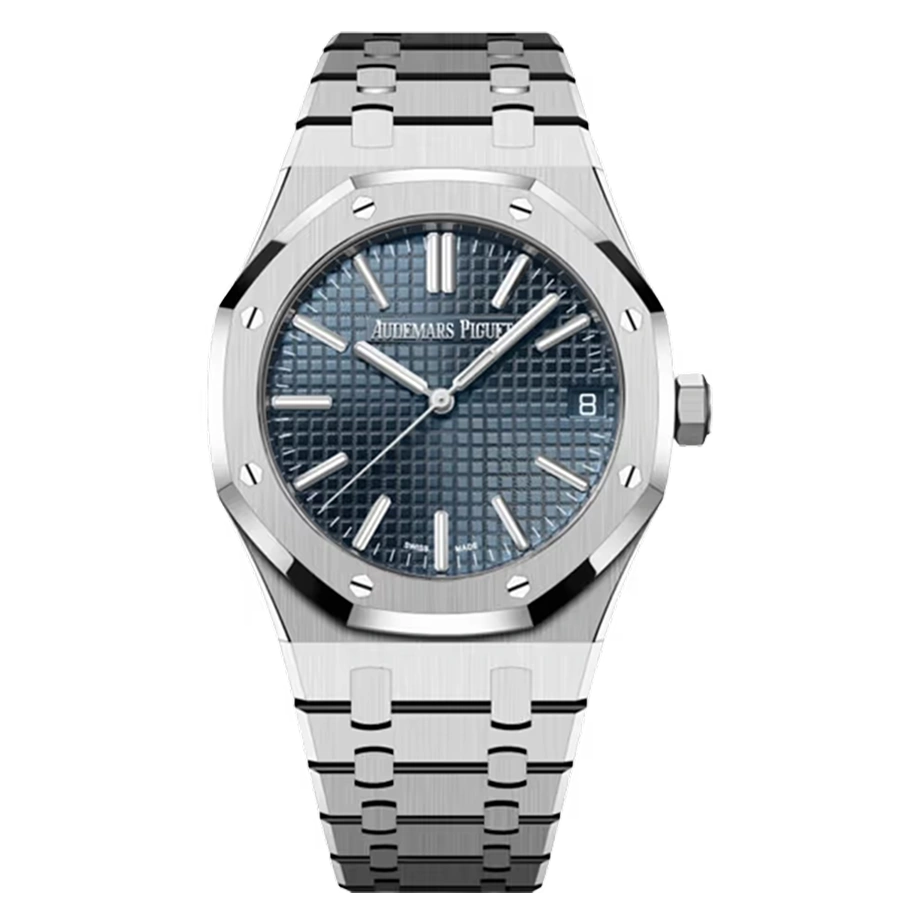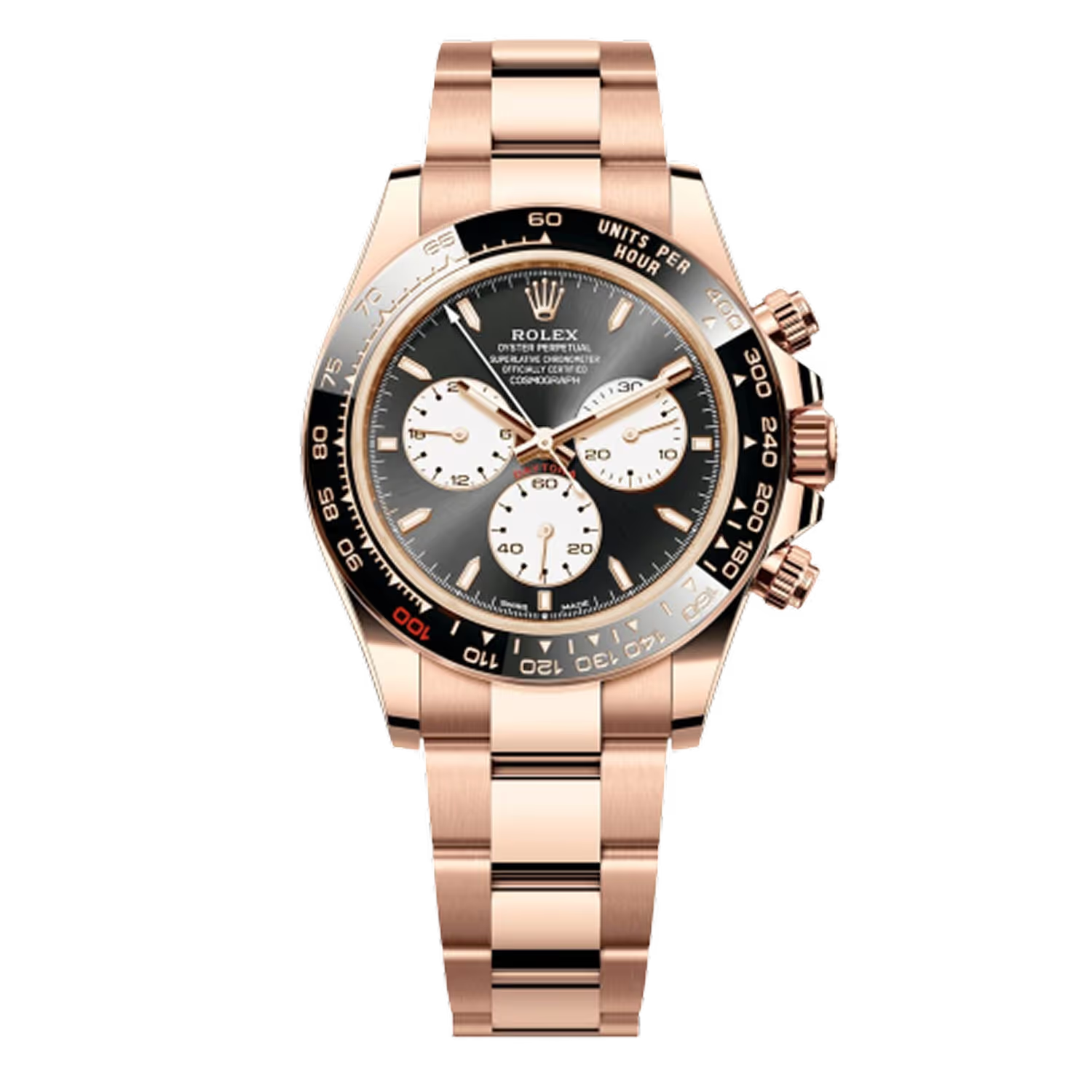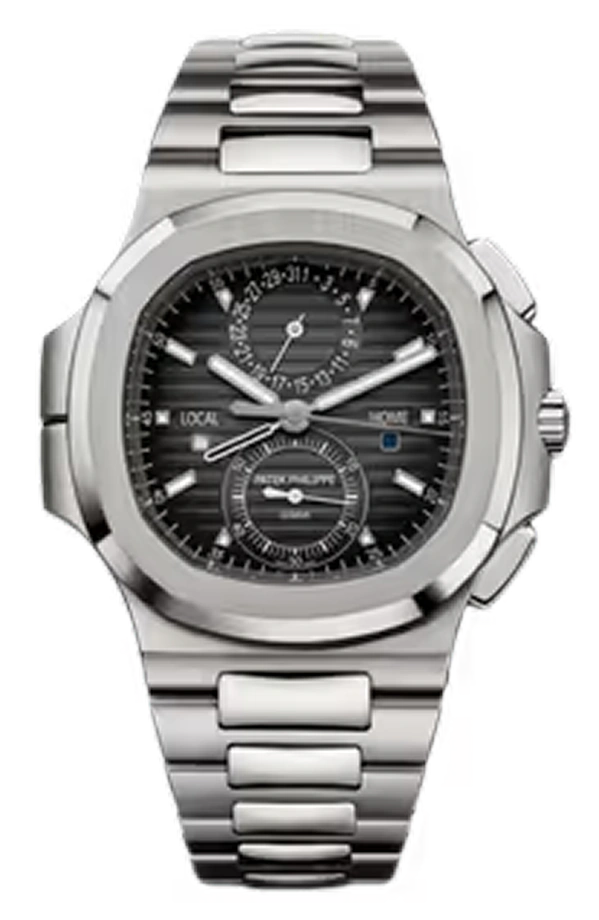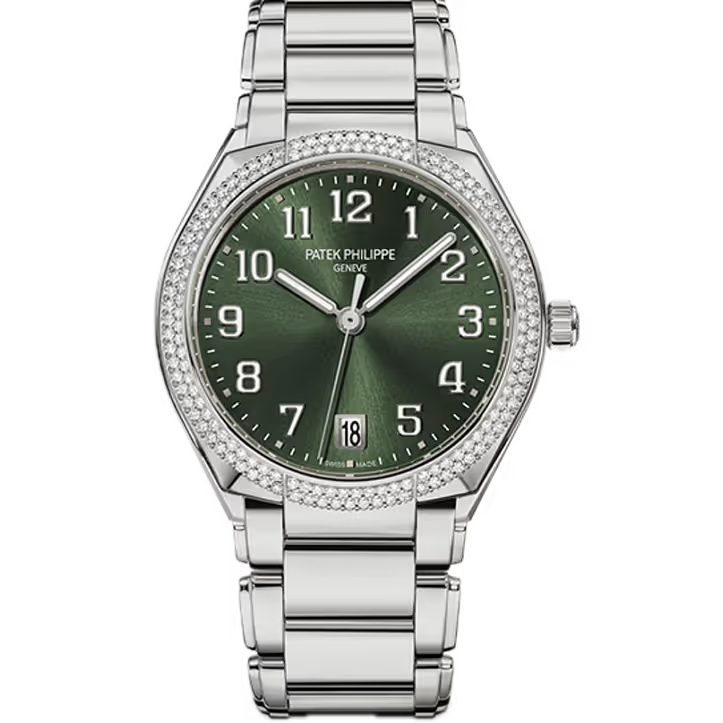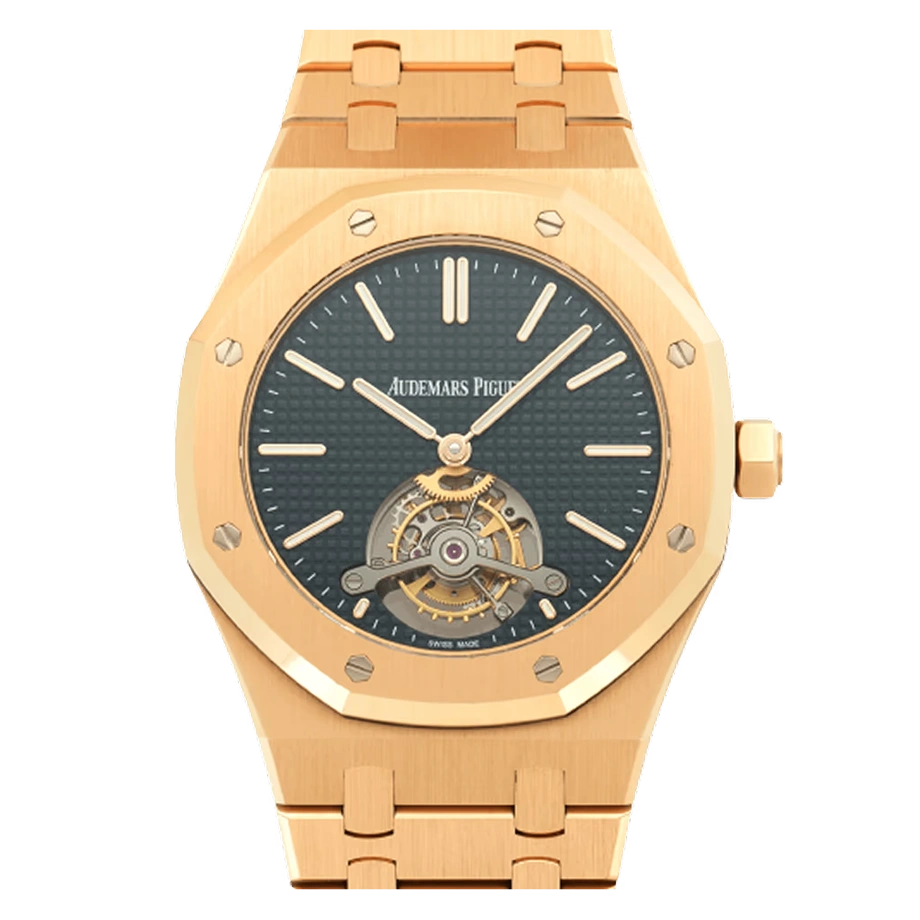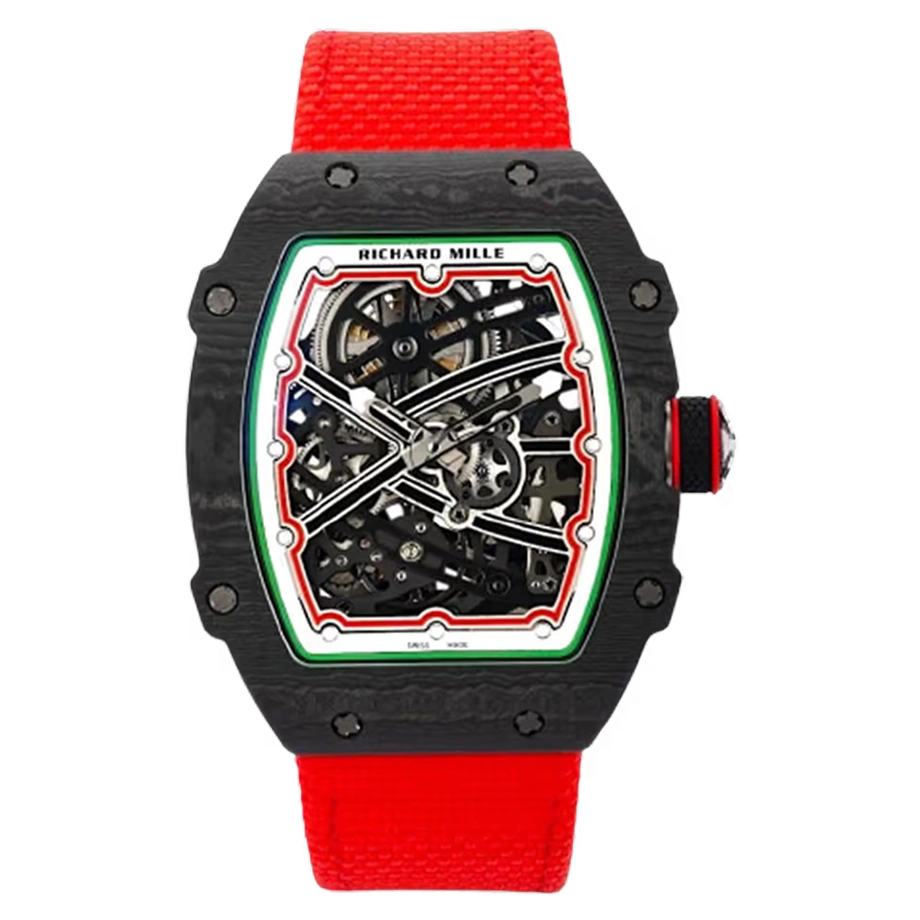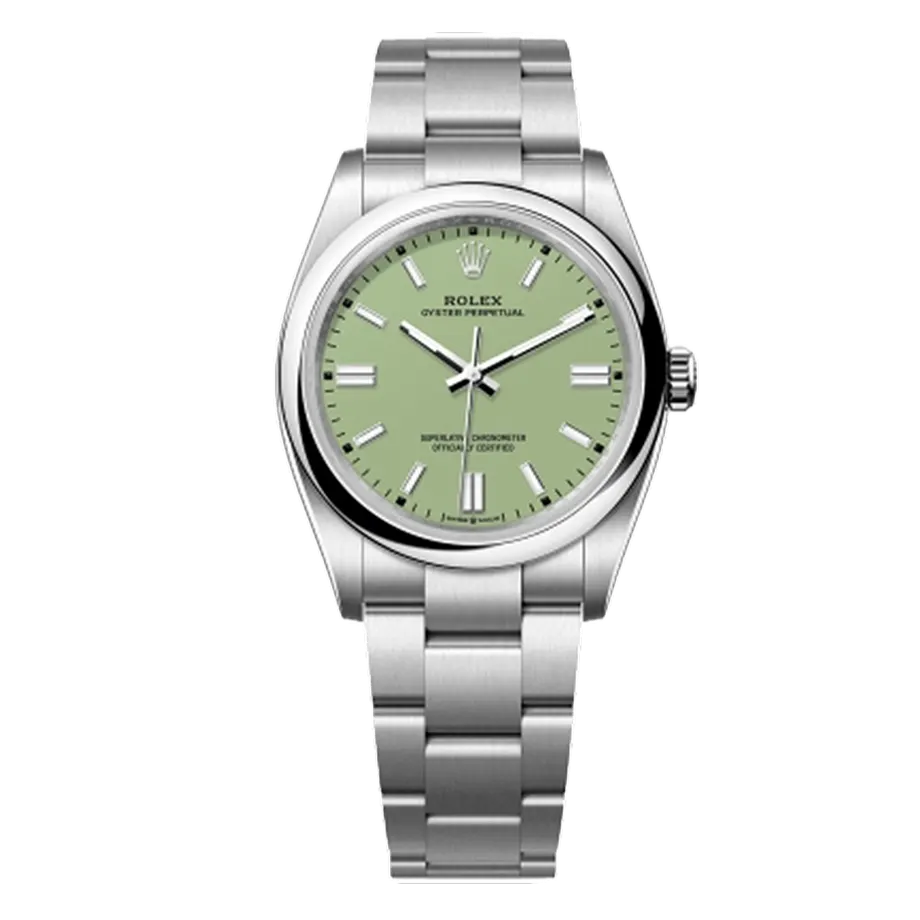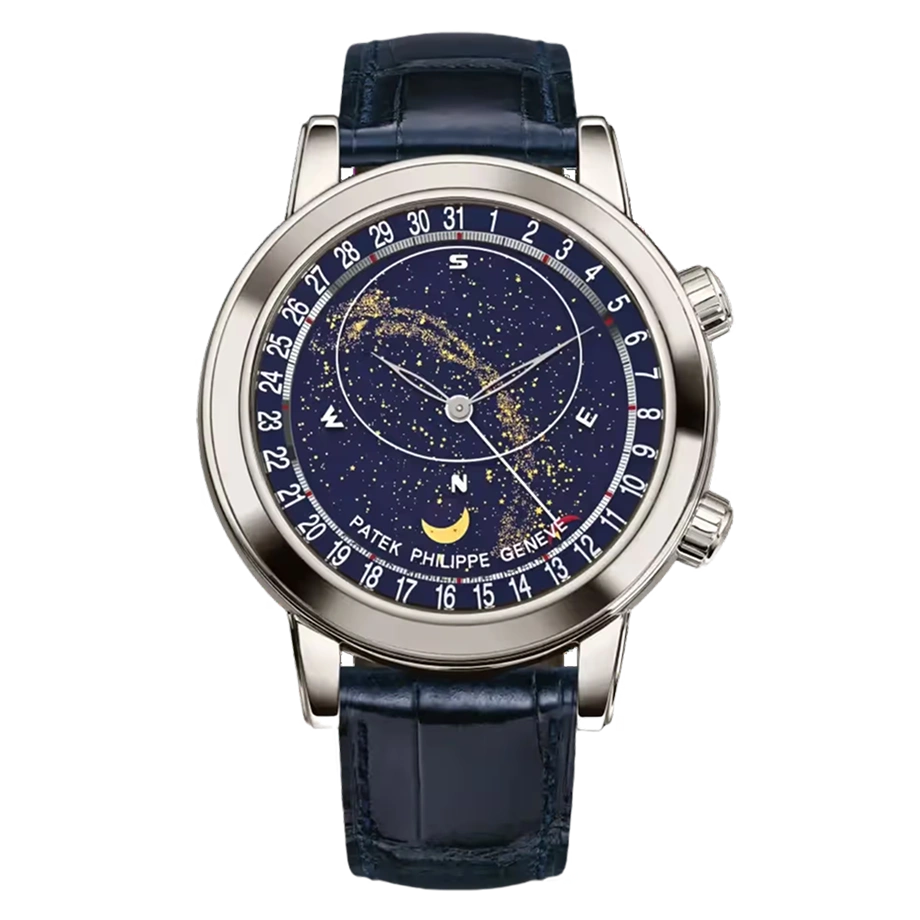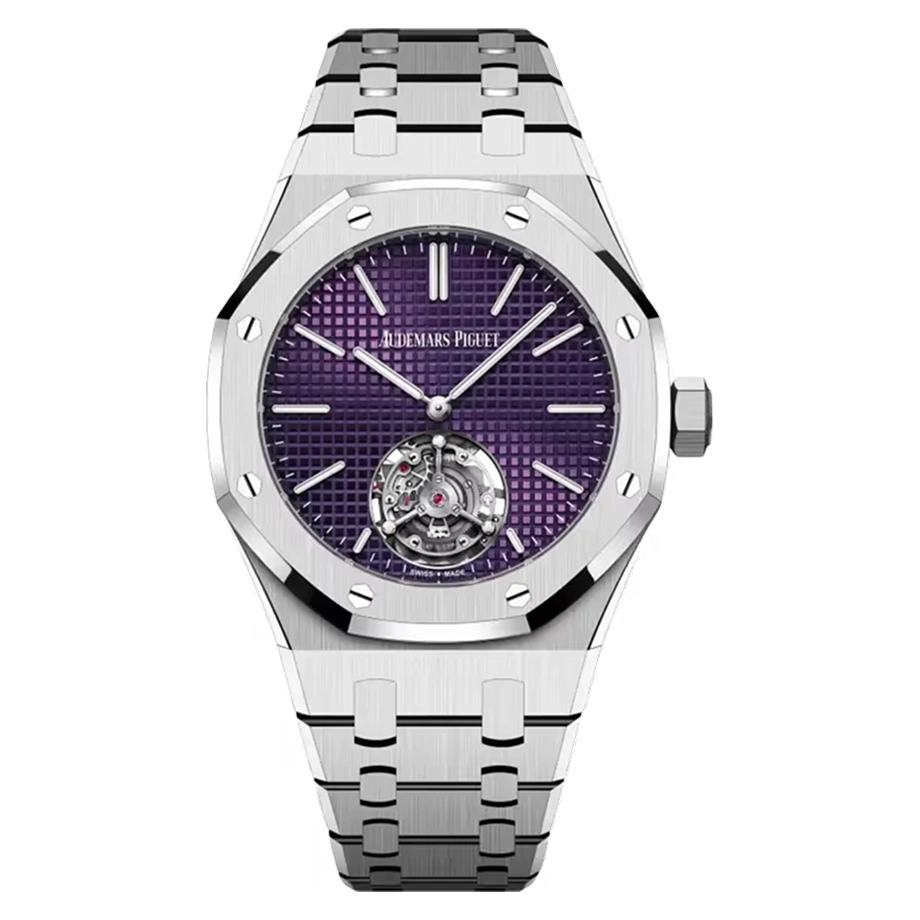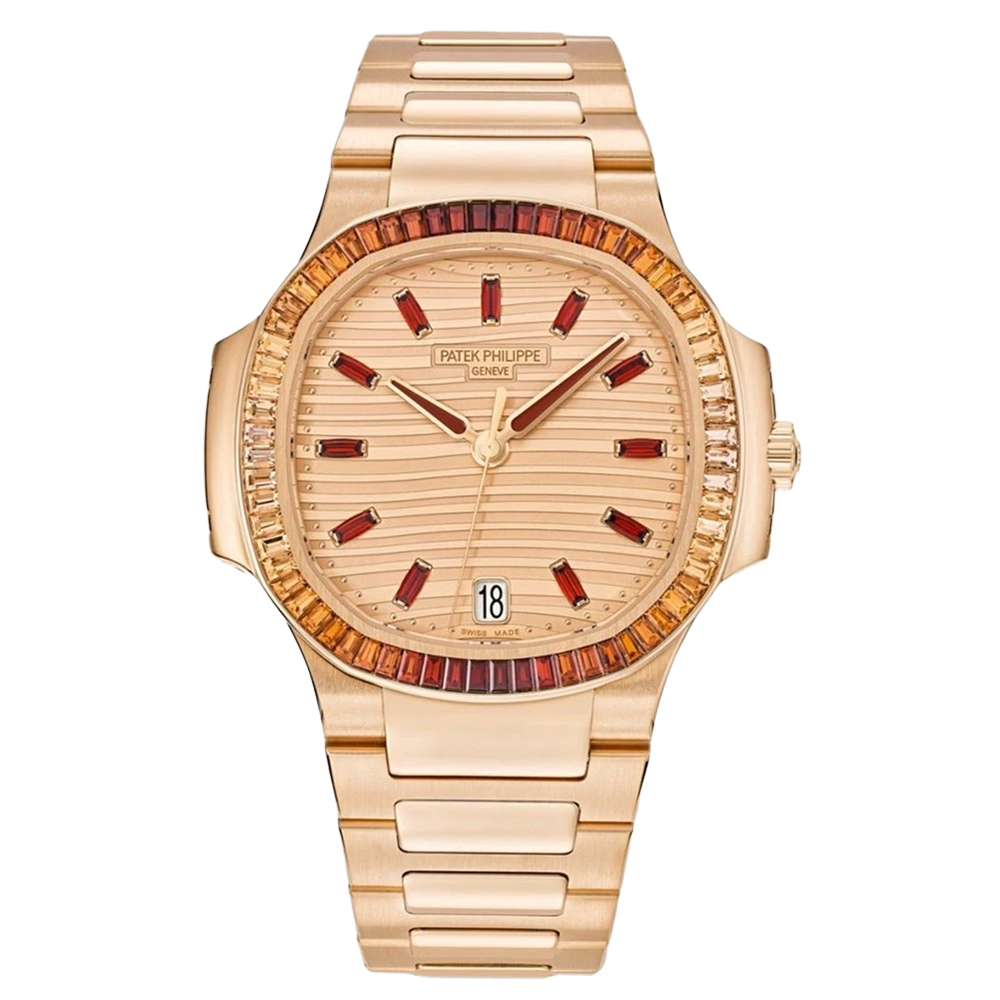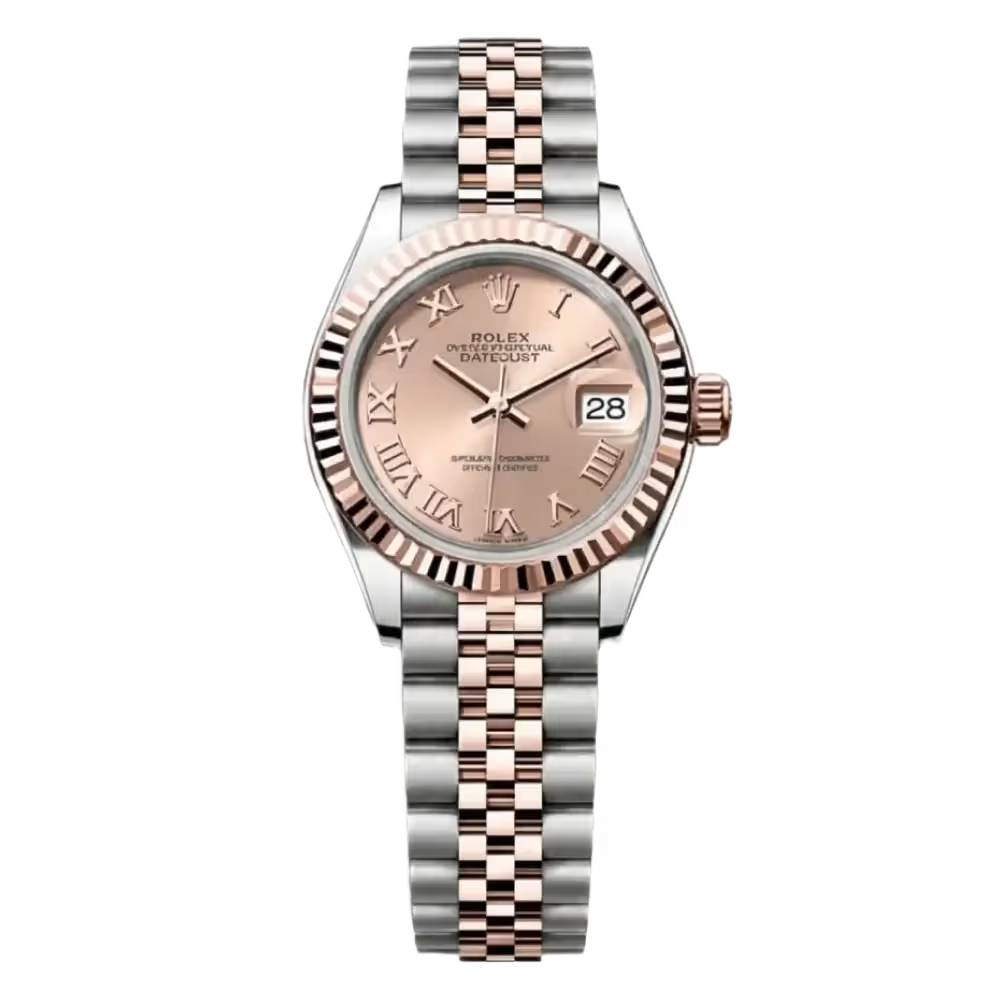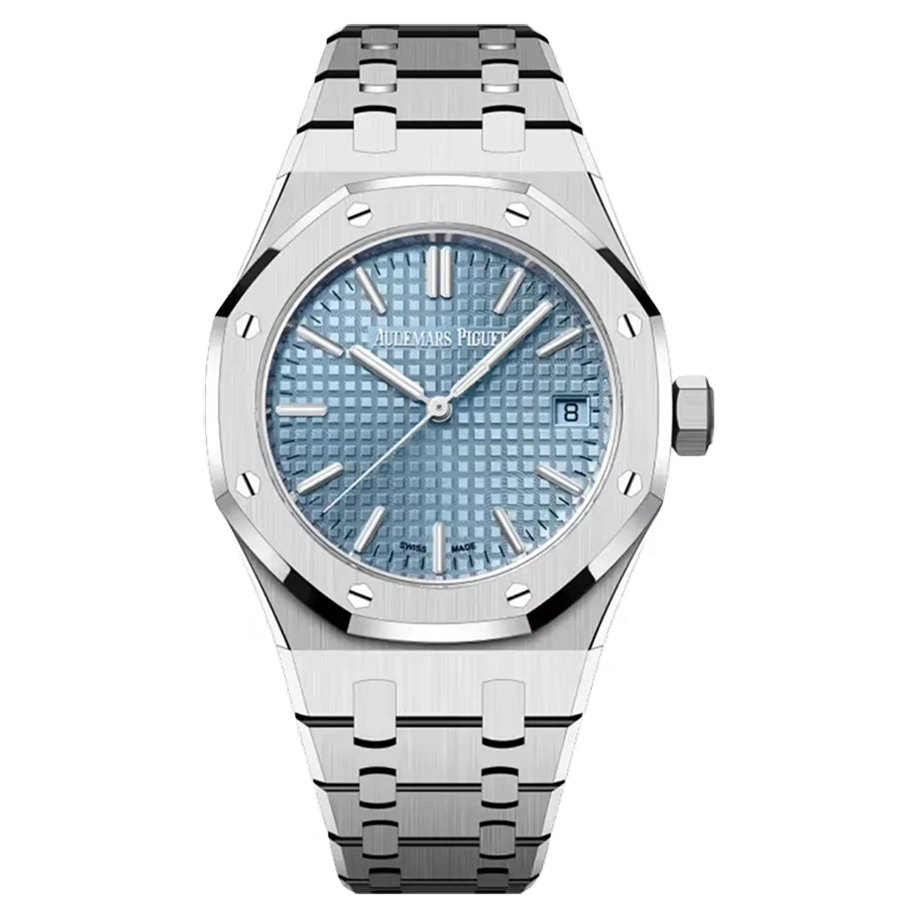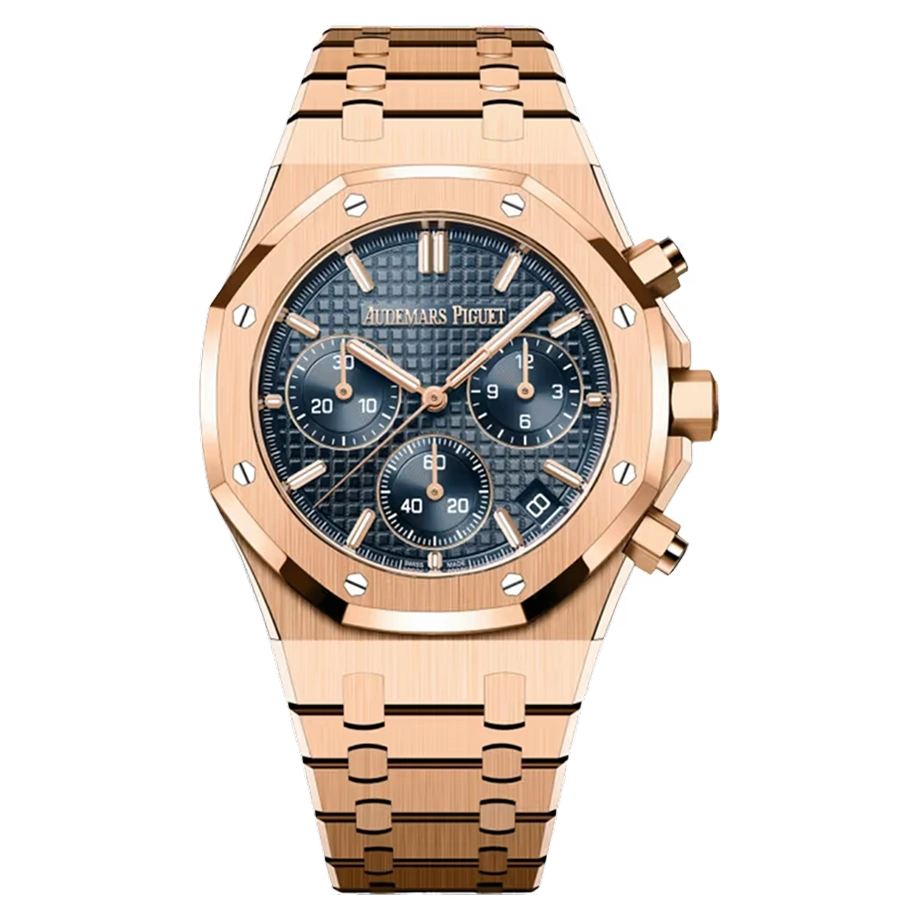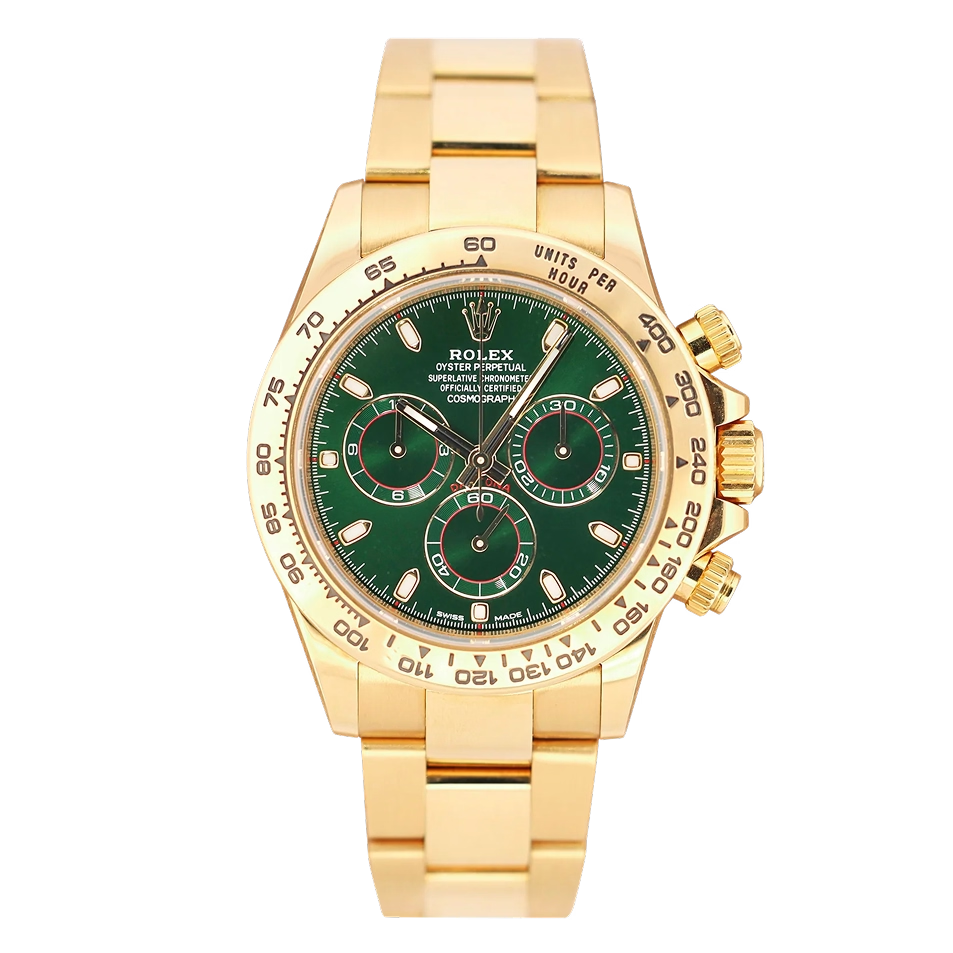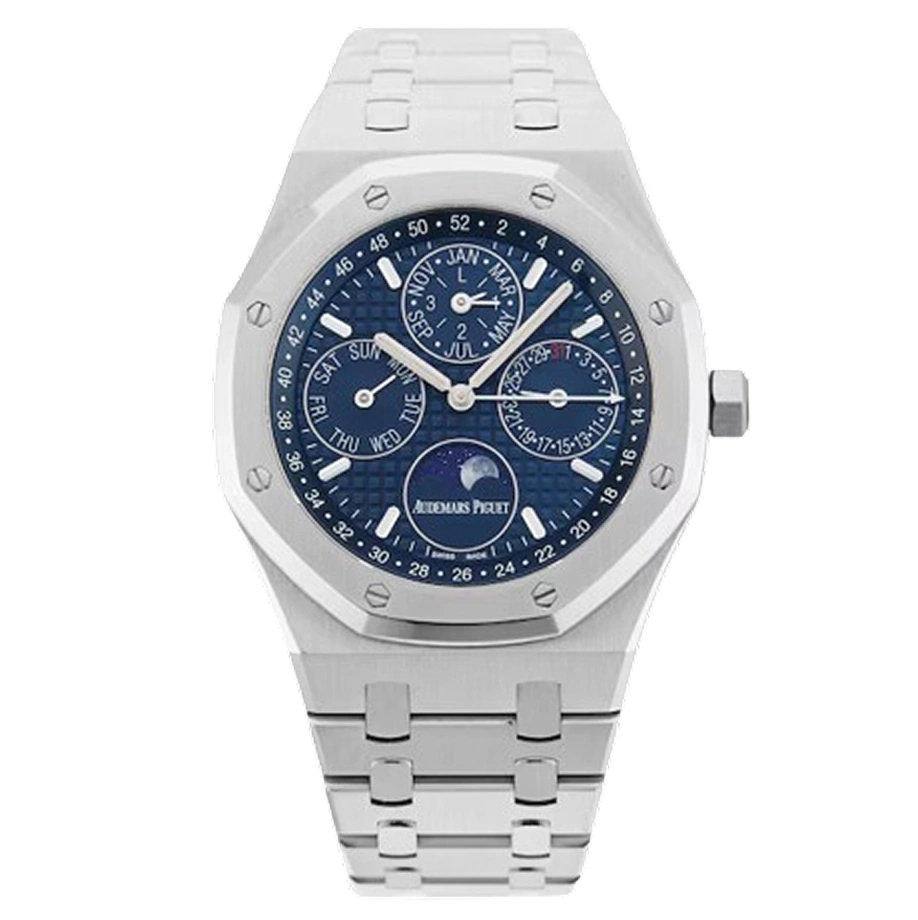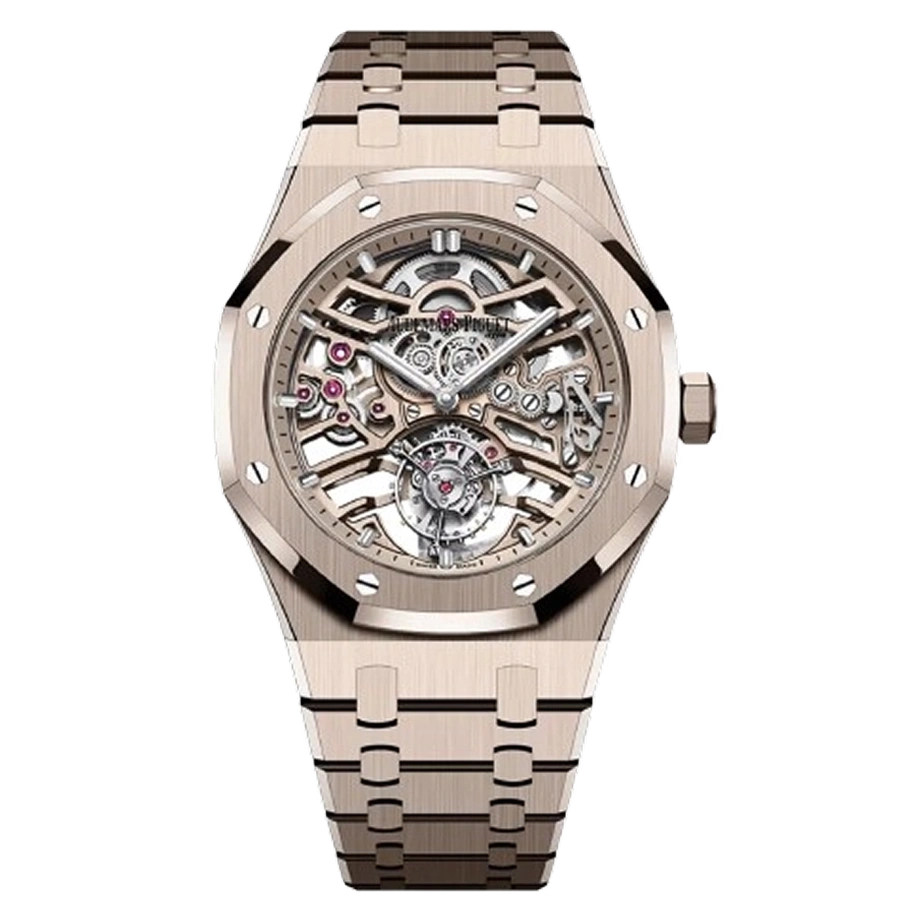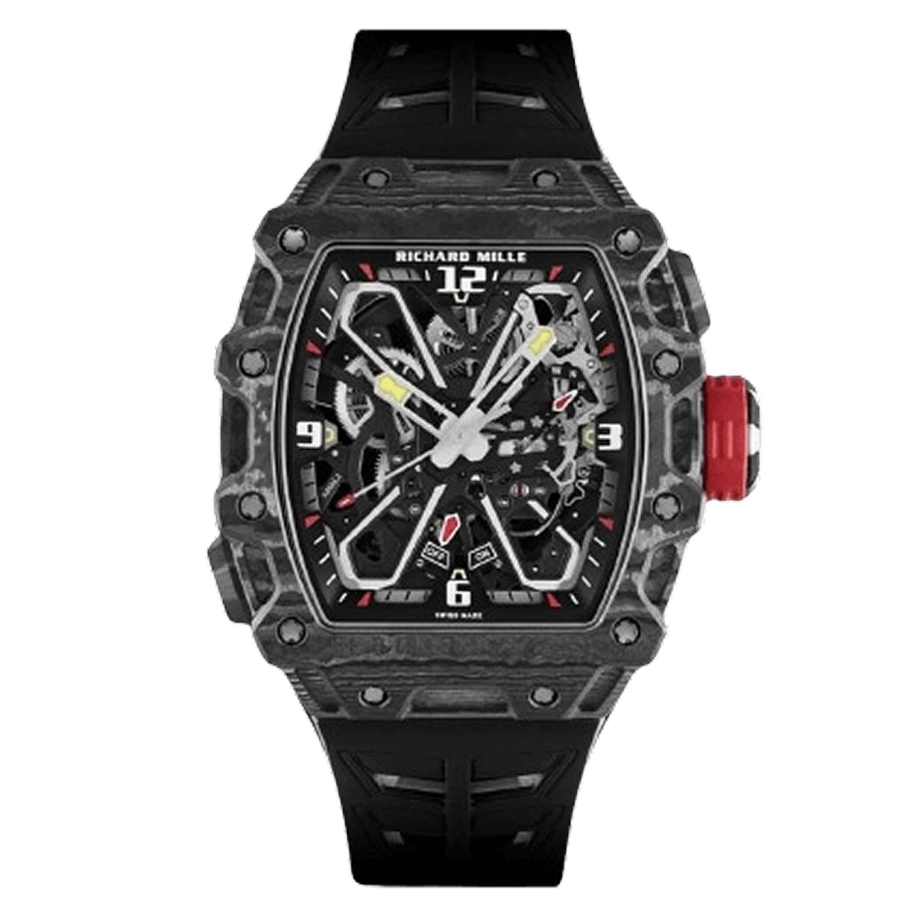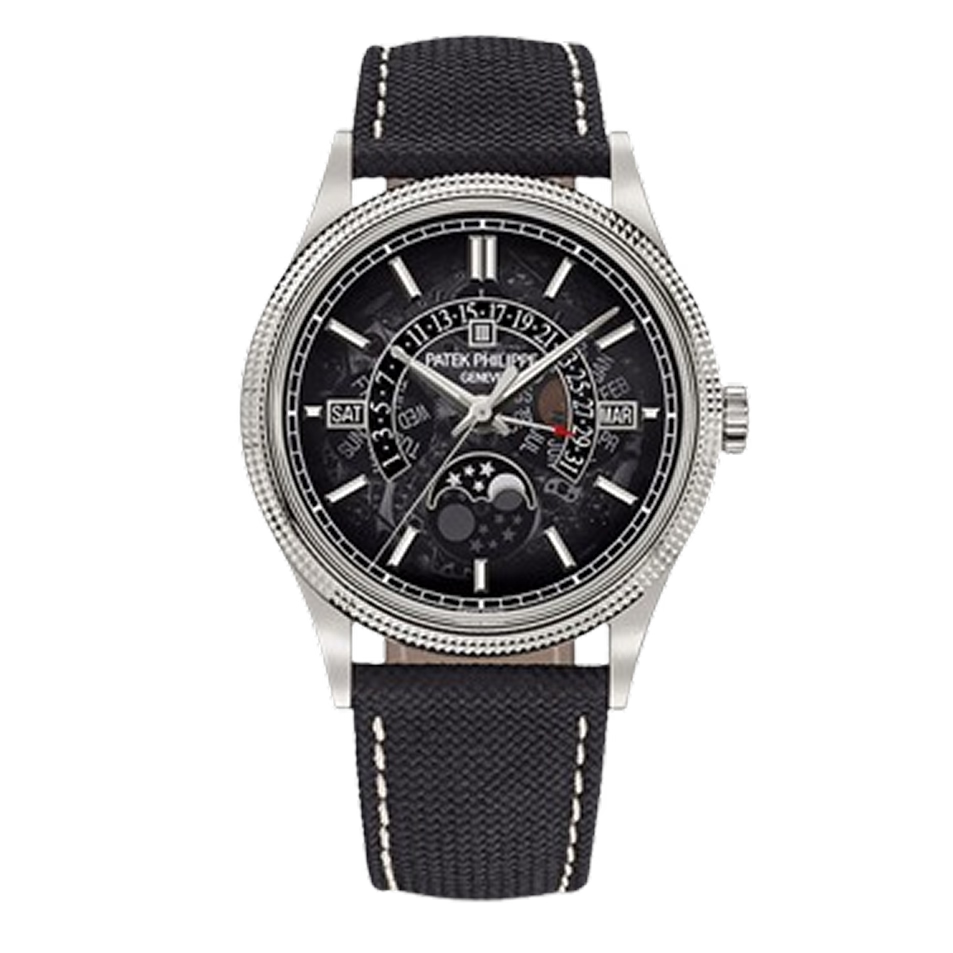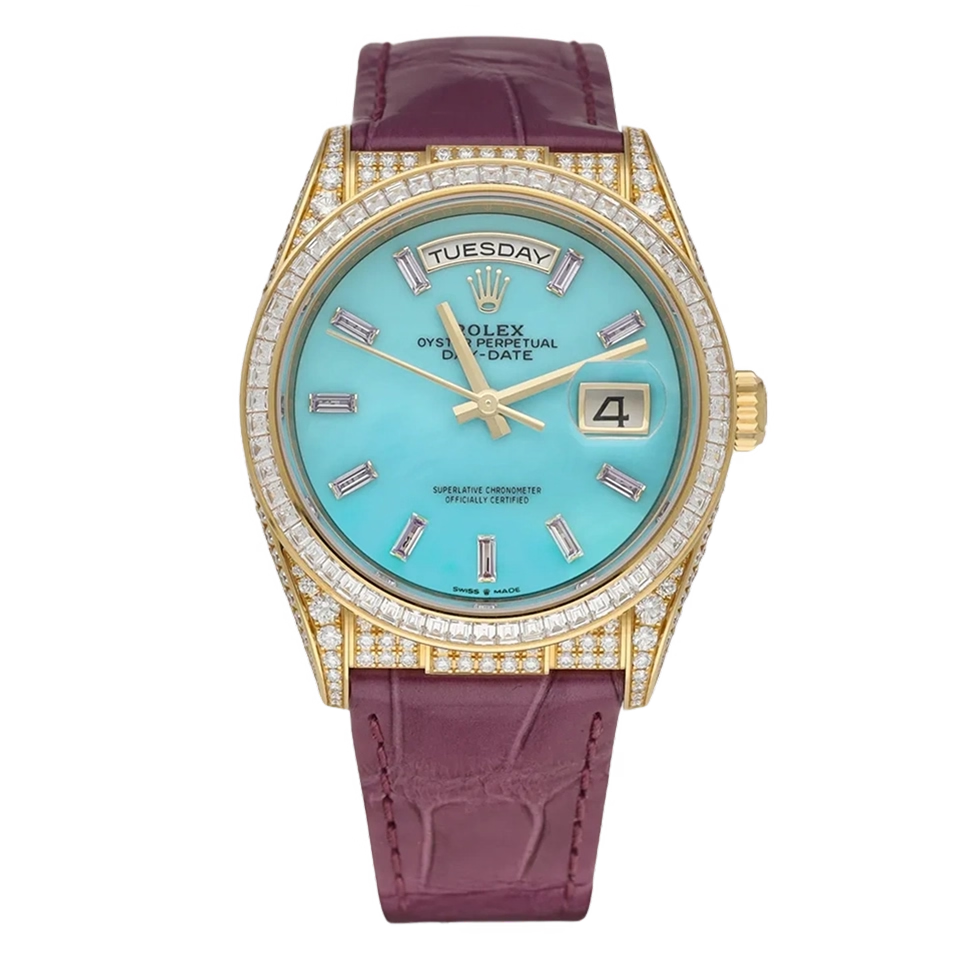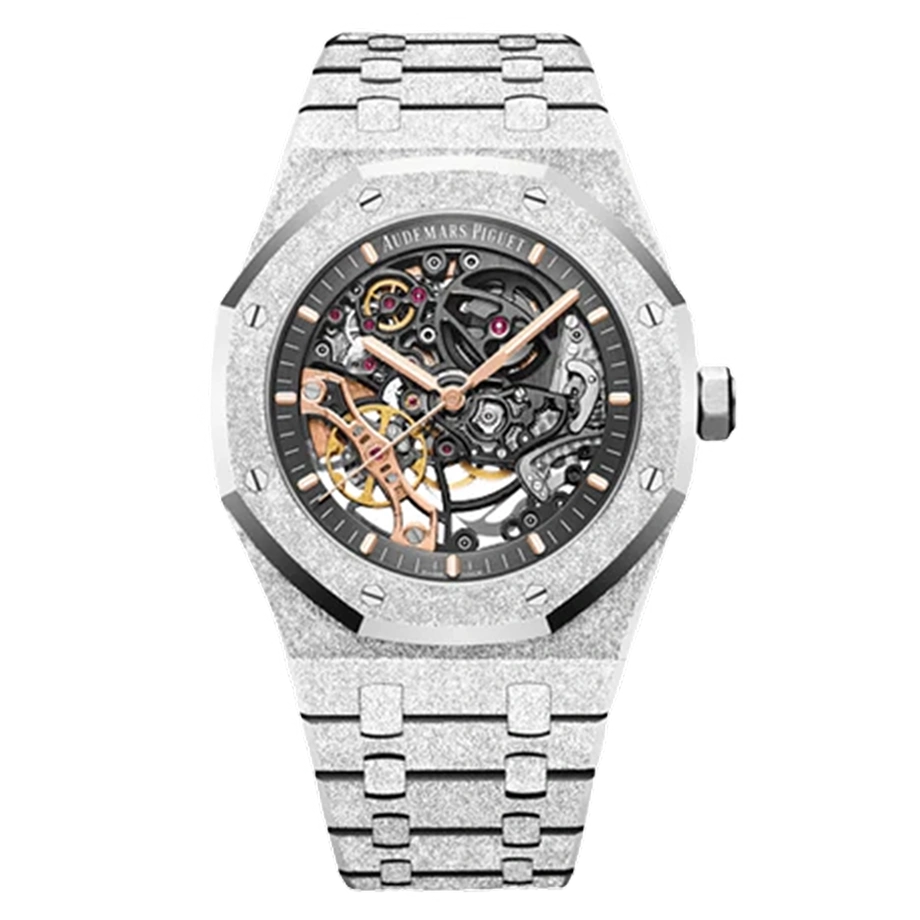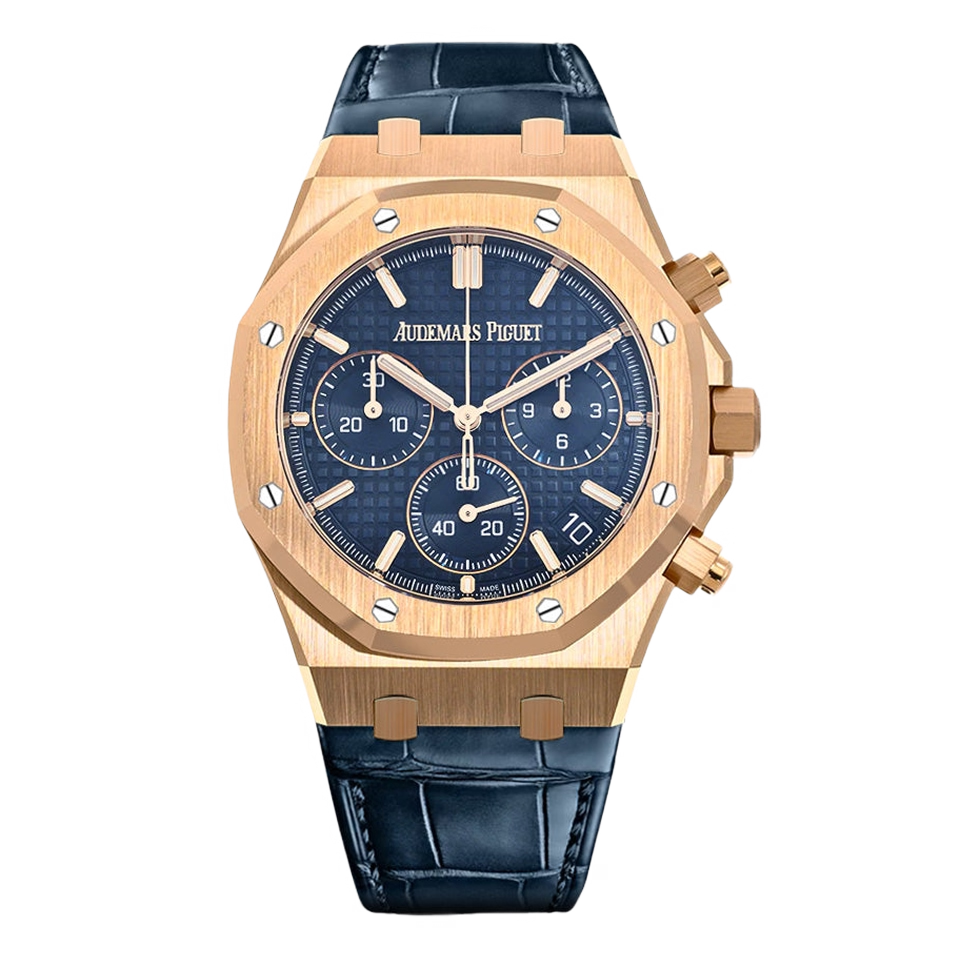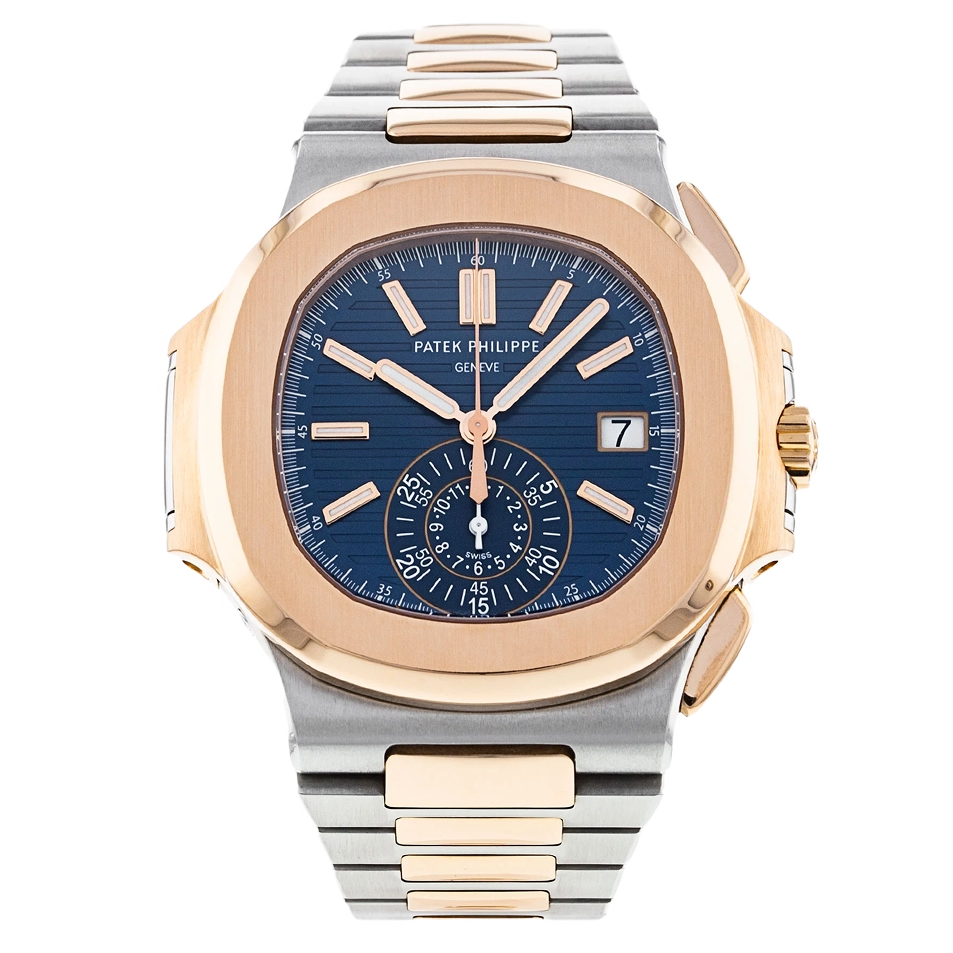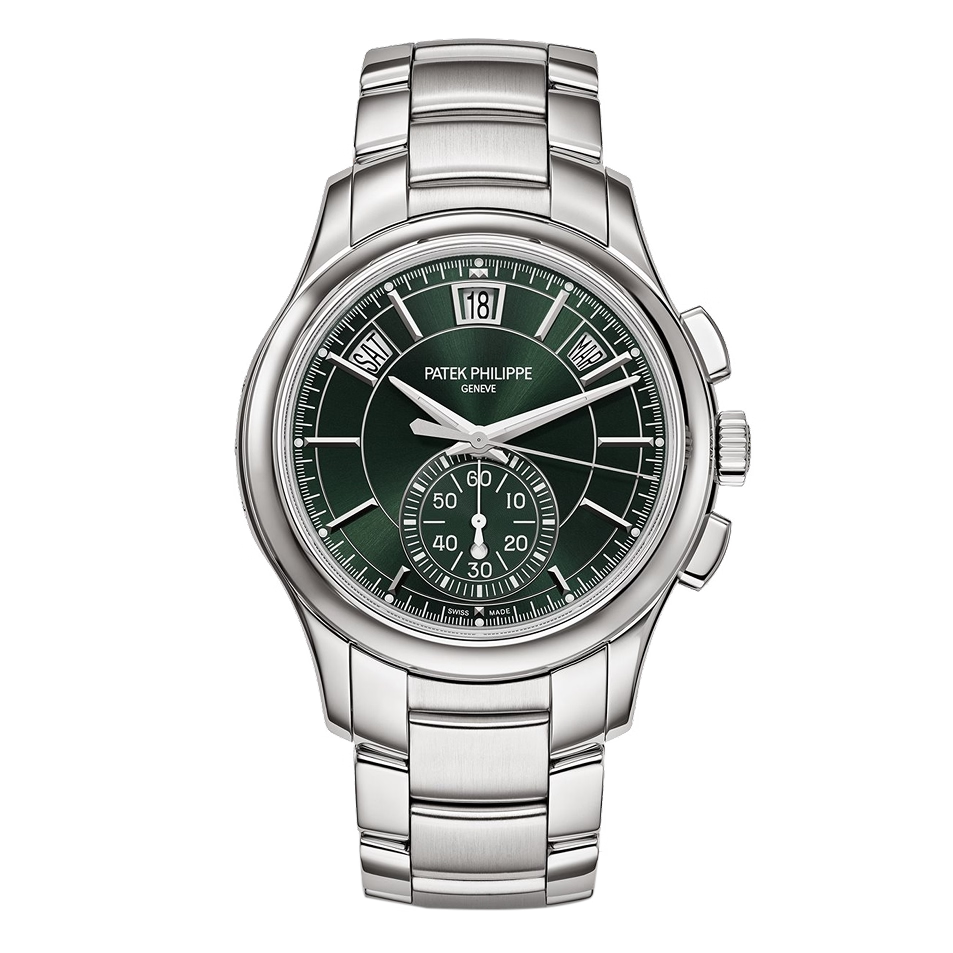
The sale of rare steel Patek Philippes at last month’s Phillips Decade One auction might have proliferated discussions about steel luxury watches, but in 2026, our attention is firmly on gold timepieces.
Even before Donald Trump launched an incursion into Venezuela and set his sights on taking over Greenland, an unexpected combination of market forces was pushing gold to historic highs—raising the rarity, production cost, and retail prices of gold watches. In an era of financial turbulence and geopolitical realignment, these pieces may not only hold value but become emblematic artefacts of this unprecedented moment in global history.
The ripple effects of these extraordinary economic factors stretch far beyond bullion markets and central bank vaults, reaching all the way to the ateliers of Switzerland’s most historic watchmakers. But what exactly is driving this rally, why should watch enthusiasts care, and how will gold timepieces from storied brands appreciate in 2026?
What’s behind the gold rally
Several major structural and geopolitical forces (largely to do with American politics) are pushing gold prices higher:
- Geopolitical uncertainty & global instability
The United States, Venezuela, Iran, Greenland, China, Taiwan, Russia, Ukraine - the list of nations we’re seeing involved in ongoing or potential conflicts is ever-increasing. Ongoing conflicts, shifting alliances, economic tensions and currency volatility add to gold’s safe-haven appeal. In uncertain times, gold stands out as a stable, non-counterparty asset immune to many financial risks.
- Central bank accumulation
Many emerging market central banks are buying gold at aggressive rates to reduce dependence on the US dollar and build financial resilience. - The debasement trade & fear of currency dilution
With large fiscal deficits among developed economies and concerns over inflation or monetary debasement, gold is increasingly seen as a refuge. Investors worry that fiat currencies, especially the dollar, may lose value over time, so they turn to gold to preserve purchasing power.
- US Dollar weakness and lower real interest rates
As expectations grow for lower interest rates (and perhaps looser monetary policy), the opportunity cost of holding gold drops. At the same time, a softer dollar makes gold more affordable from an international perspective, boosting global demand. The current US administration, while threatening the independence of the Federal Reserve, is not inclined to raise taxes, which more or less confirms that the global market will continue trending in this direction.
In short, it's not one factor alone, but a convergence of central bank strategy, macro-economic pressures, international tensions, and currency dynamics. These elements coupled together are fuelling an eye-watering gold rally.

How the gold surge affects watch prices
Gold may be a commodity, but for watchmakers and collectors, it’s also a raw material—one that has a seismic impact on retail prices. Here’s how the gold rally is changing the landscape for luxury watches:
- Rising costs for gold watches equals higher retail prices
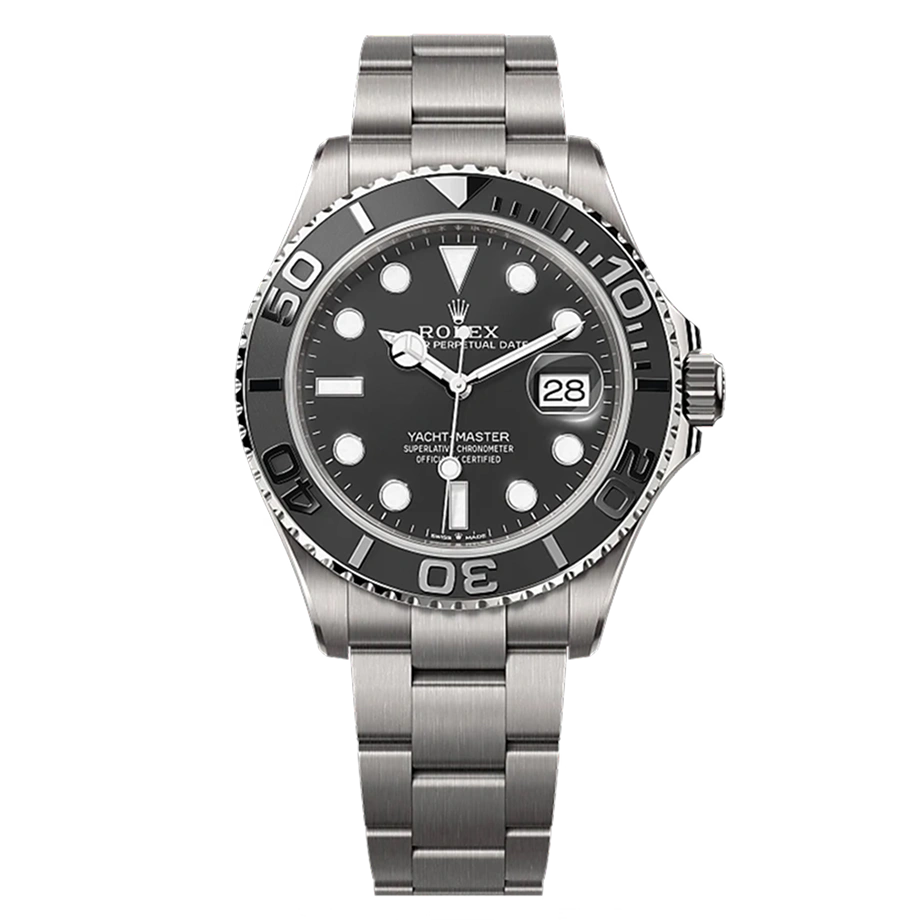
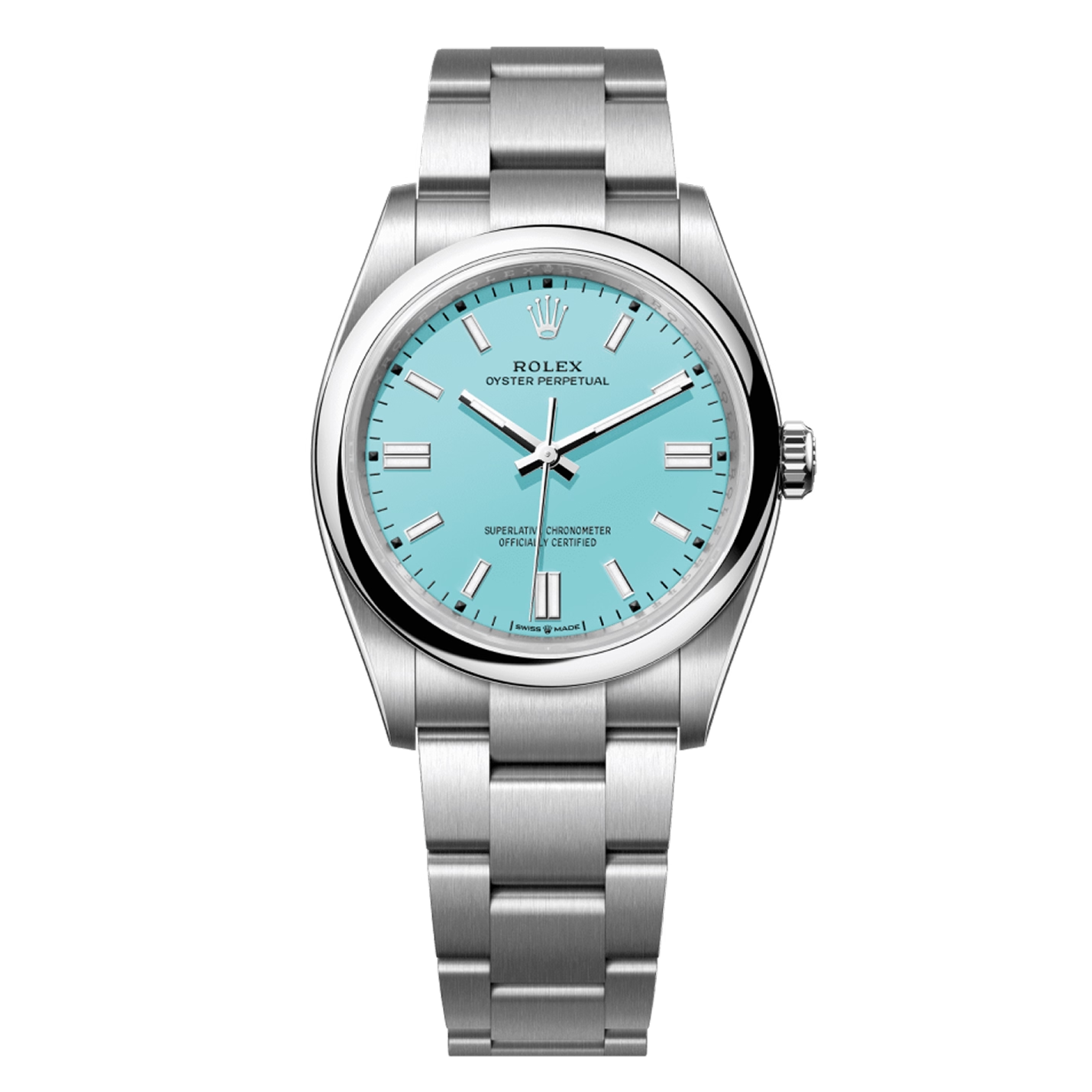
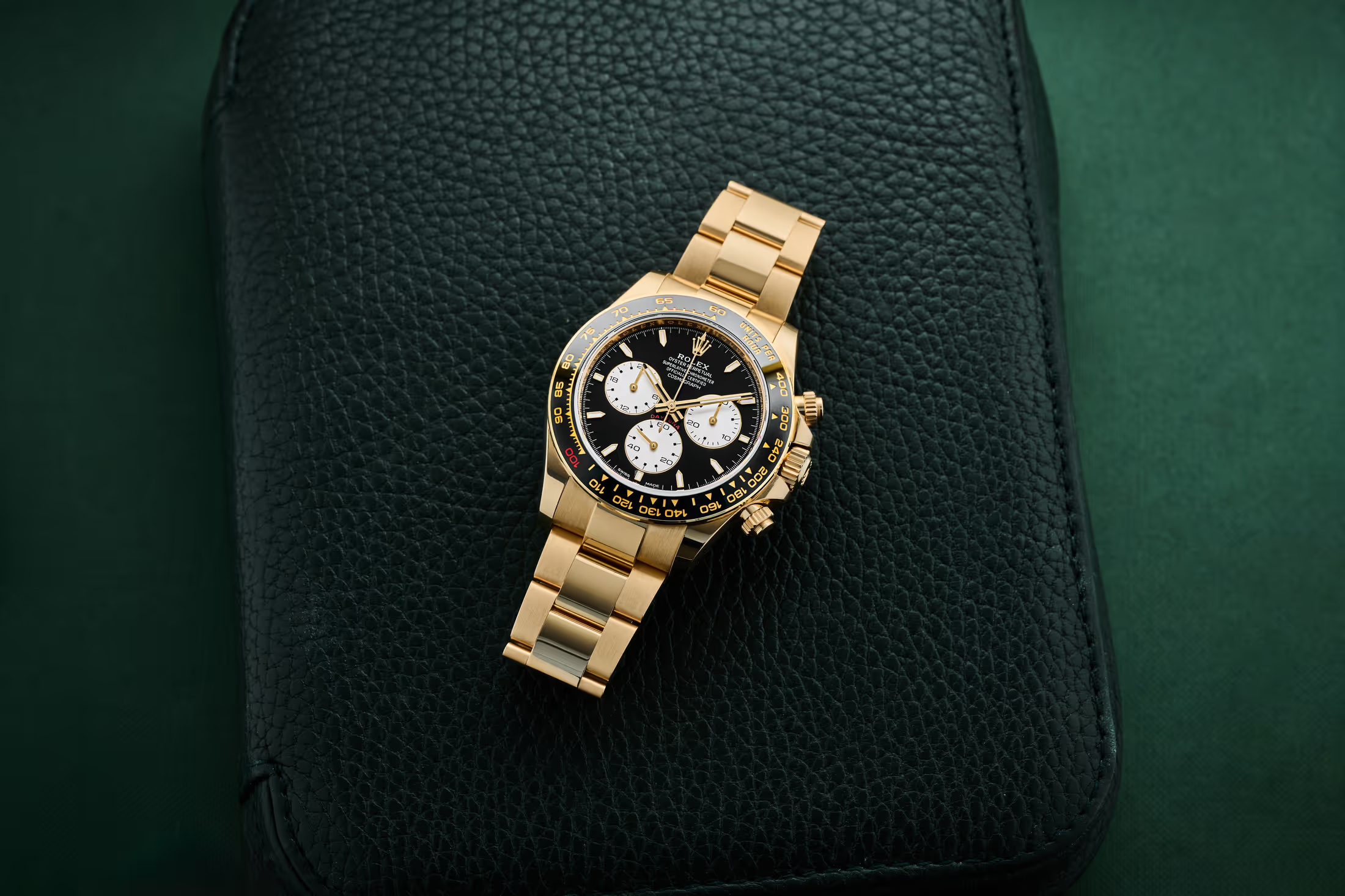
As gold becomes more expensive, watch brands face greater material and production costs. That has translated into noticeable retail price increases: for example, Rolex raised the prices of its collection on 1st January 2026 with gold models seeing a 7.5% average increase. This is after an 8% increase for gold pieces in early 2025. Patek Philippe, which has publicly announced its intentions to focus on precious metal watches, hiked its prices by 15% in September in reaction to these factors Expect another healthy increase by Patek Philippe in the coming weeks.
- Gold watches remain a large chunk of value even if small in volume
Despite gold watches representing a small fraction of total units sold by many Swiss watchmakers, they account for a disproportionately large share of export value.
- Some brands are rethinking their material strategy
Facing tighter margins and volatile gold prices, some brands are inevitably scaling back their gold watch lines, shifting instead toward steel, ceramic, or other precious metals.
- Gold watches as inflation-hedged luxury assets
For many collectors and buyers, the price increase isn’t purely a cost pass-through: it may reinforce gold watches’ status as not just luxury items, but also as quasi-investment assets.
What this means for buyers, collectors and the watch market
If you’re in the market for a precious metal timepiece, expect and brace yourself for prices to continue reflecting gold market dynamics. That means fluctuations in bullion price can directly affect the retail tags of coveted models, and likely drive further increases if gold remains strong. We are seeing and anticipate increased purchases from collectors and buyers of full gold pieces. In the last 2 weeks of December, we saw a flurry of Rolex purchases ahead of the anticipated increase that came into force on the 1st January.
- For collectors: Gold watches may become even more desirable, especially if gold stays at elevated levels and the production of new gold model watches is constrained (less new gold stock, fewer pieces).
- For luxury watchmakers: The pressure is real. Navigating higher raw material costs may push more brands to diversify materials (platinum, ceramic, carbon-fibre, etc), limiting supply further, or adjust their production and pricing strategies.
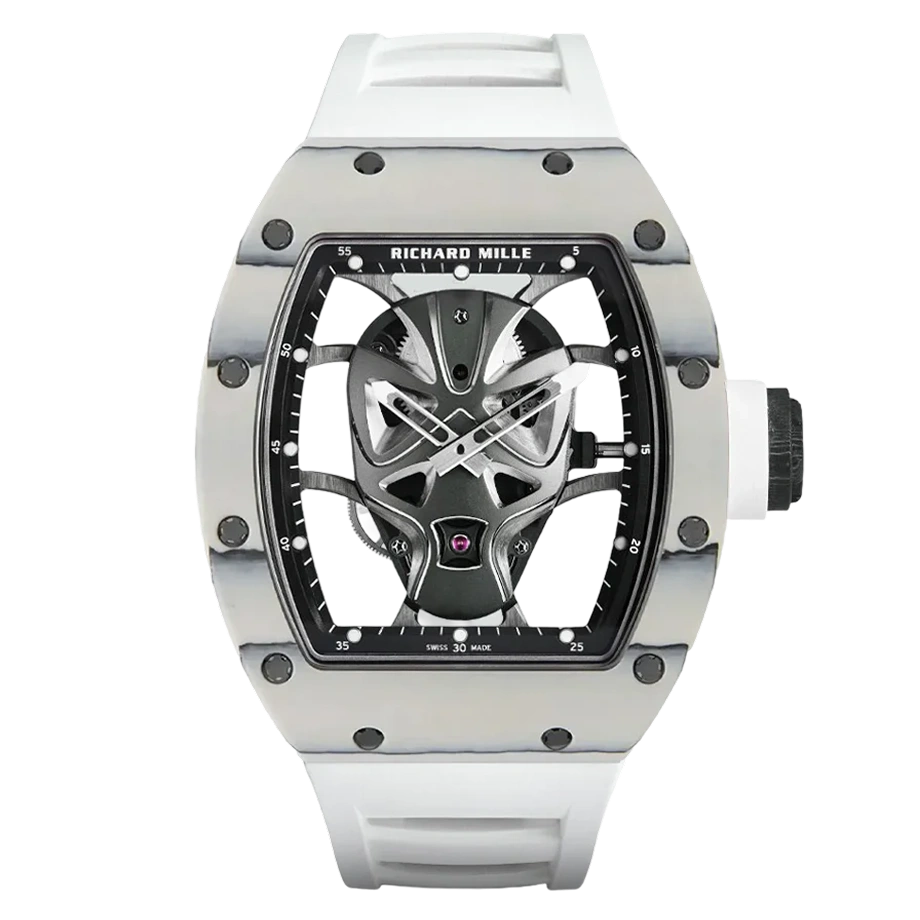
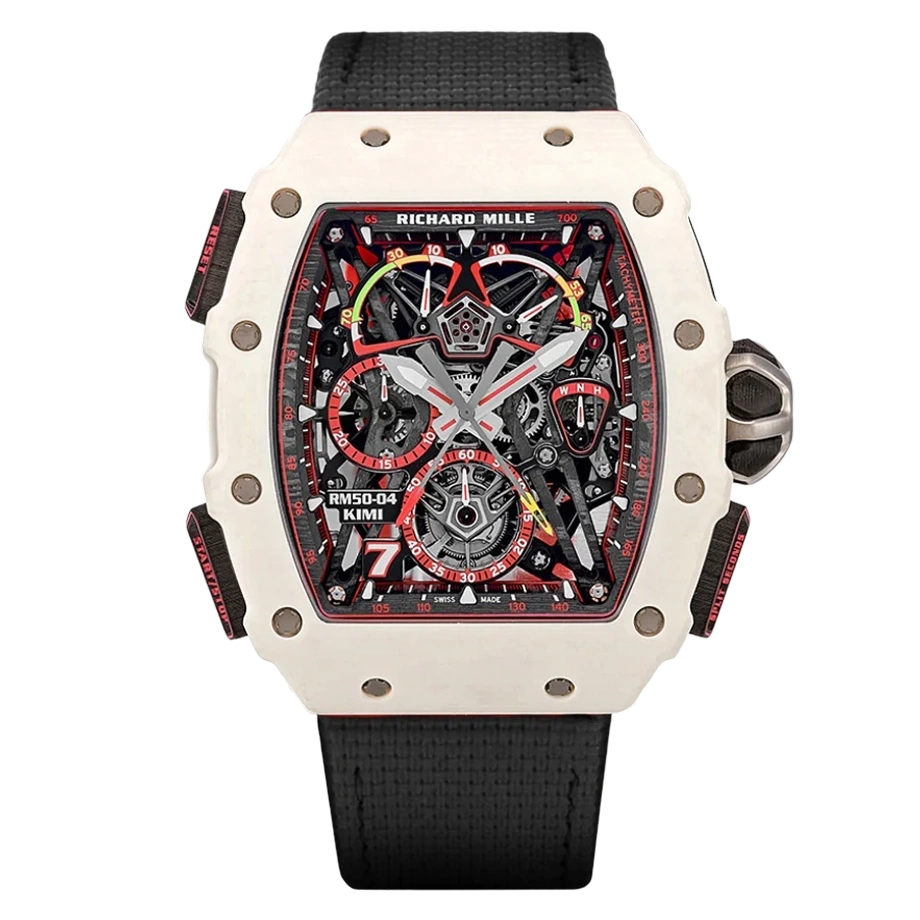
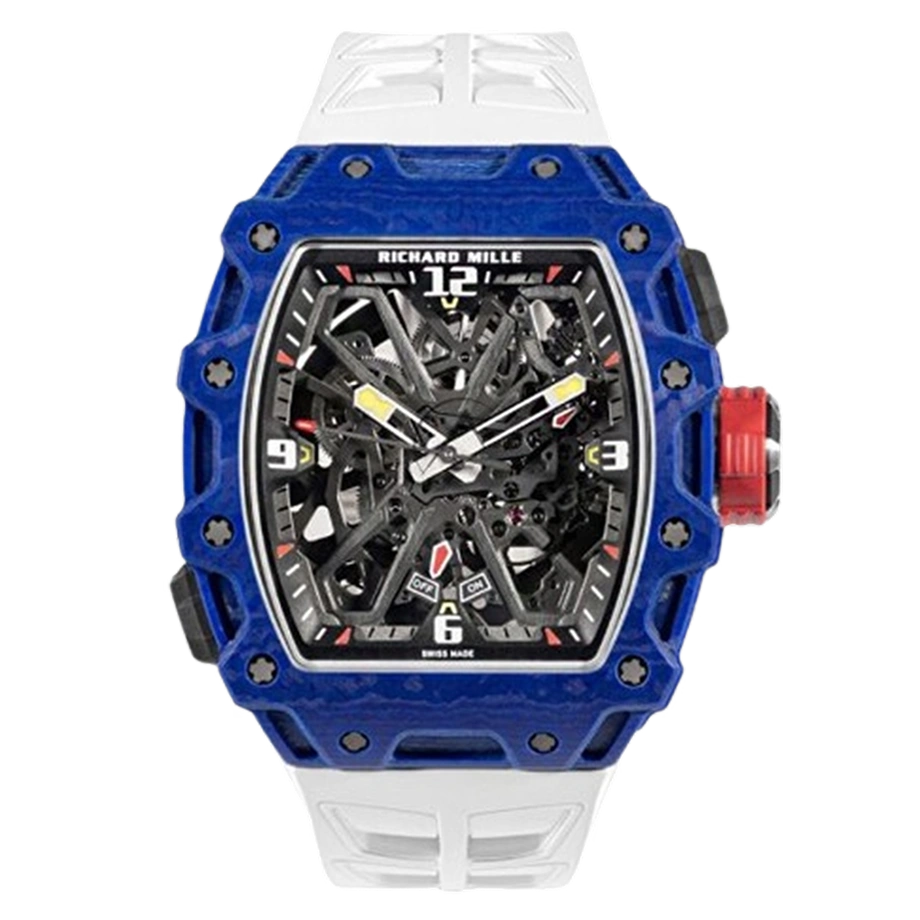
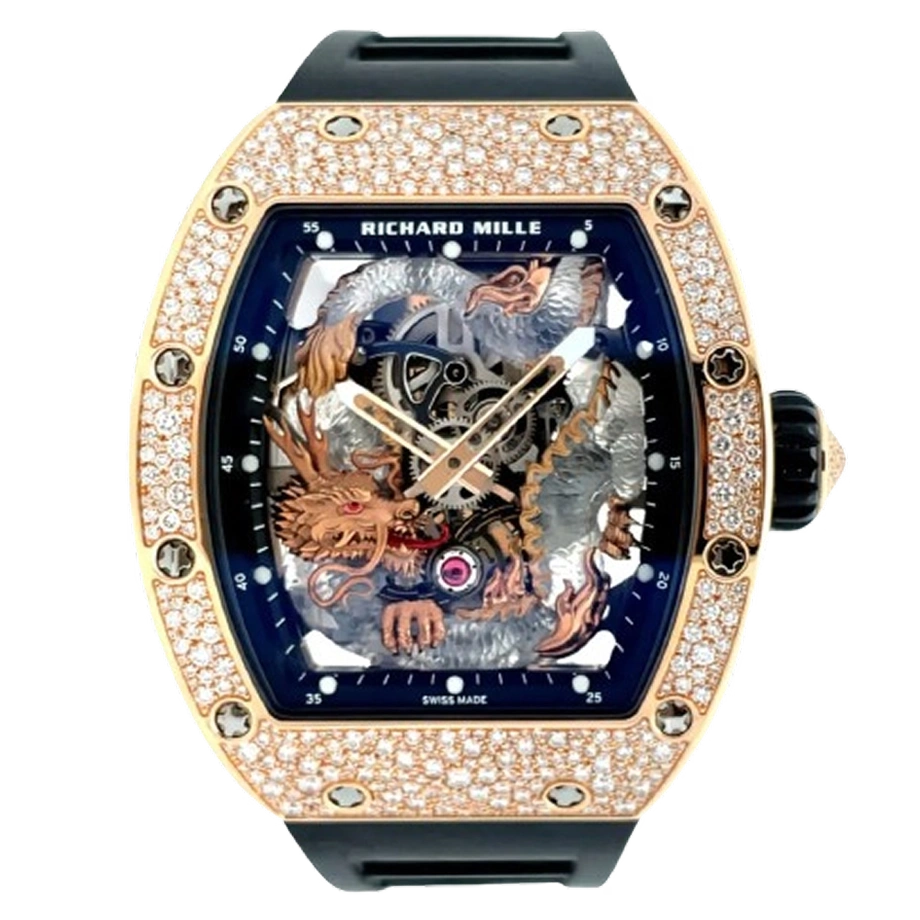
- For the broader market: Gold’s resurgence could reshape the balance of supply and demand, elevating gold watches’ status, but also stretching the entry barrier, making them less accessible to new buyers. This could possibly strengthen the appeal of watch brands that frame luxury differently (think: Richard Mille, Norqain and the Ulysse Nardin Diver).

Why this moment matters beyond the wrist
We estimate that gold watches will appreciate by at least 8% with Rolex and some other brands having kicked-off proceedings and prices filtering to the secondary market quickly thereafter.
The current gold rally reflects deeper shifts in global financial perspectives. It’s a signal, not only about gold, but about how nations and investors view currency, value, and risk. As central banks around the world accumulate gold, and as geopolitical and economic uncertainty intensifies, gold is more than a stable commodity—it’s become an investment that necessitates strategic planning.
For the luxury watch world, that means gold watches are no longer just displays of wealth: they are increasingly viewed as tangible refuge assets that blend the enjoyment of horology with return on investment. In an age of digital assets, floating currencies and fleeting trends, perhaps that’s exactly the kind of timeless value a luxury connoisseur and savvy investor covets.
In an age of digital assets, floating currencies and fleeting trends, perhaps that’s exactly the kind of timeless value a luxury connoisseur and savvy investor covets.
Frequently Asked Questions
Why are gold watch prices going up?
Gold watch prices are rising primarily due to a surge in raw material costs driven by central bank accumulation and currency debasement fears. As gold hits historic highs, luxury brands face increased production costs. For instance, Patek Philippe raised prices by as much as 15% last year to offset these material expenses. Additionally, the watch community is beginning to see the benefits of gold timepieces as inflation-hedged assets, further driving demand and retail prices upward.
Rolex price increase 2026
Analysts forecast that gold luxury watches will appreciate by at least 8% in 2026. Major players like Rolex have already implemented their adjustments from the 1st January, with steel watches increasing by about 4.5% and gold pieces bearing a 7.5% increase. This followed a trend set in early 2025, where Rolex raised gold model prices by over 8% in response to raw material surges. Continued volatility in bullion markets suggests these retail tags will continue to fluctuate upward.
Is 2026 a good time to buy a precious metal watch?
Obviously, this depends not just on markets but personal situations. However, if you’ve been waiting for prices to go down, that seems unlikely. Gold and other precious metal prices are likely to continue to rise over the short-medium term (fluctuations will of course be part of this), given the points raised above, which will ultimately feed into the watch market.