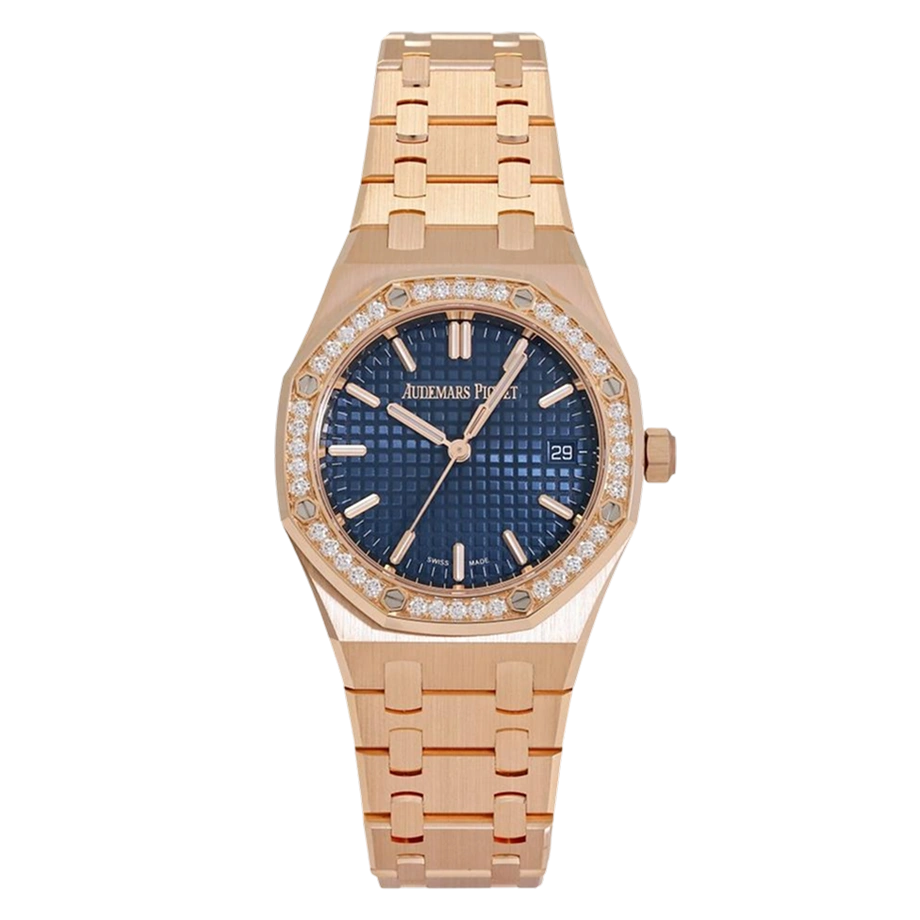
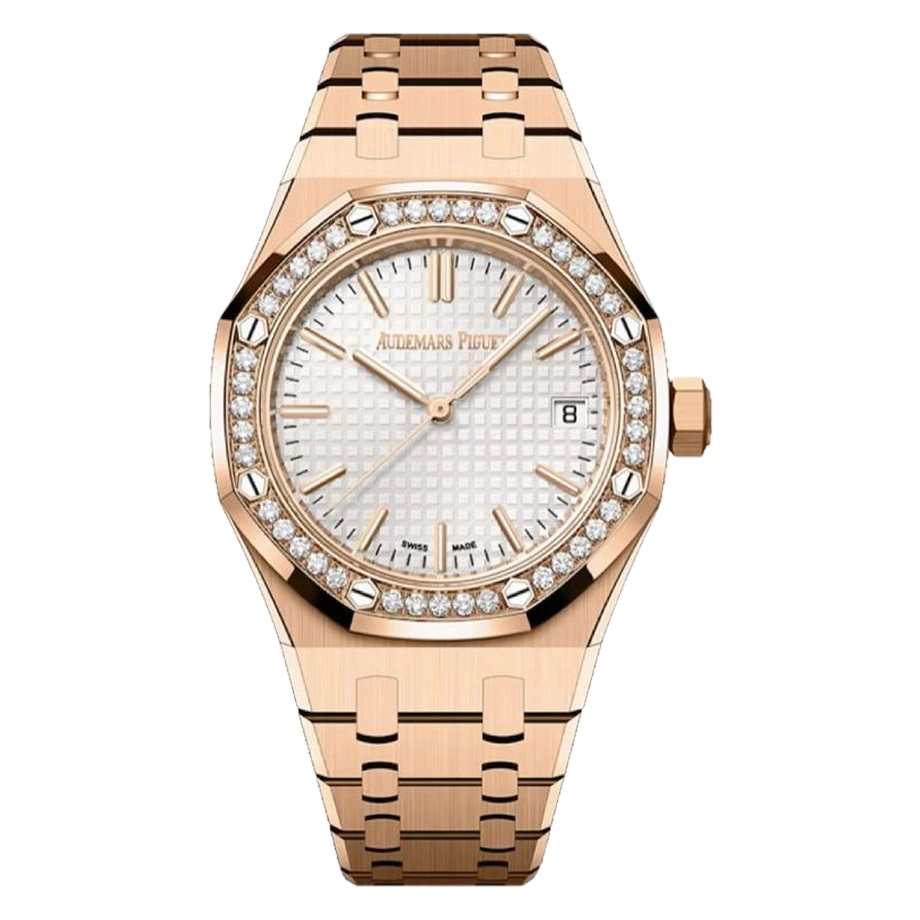
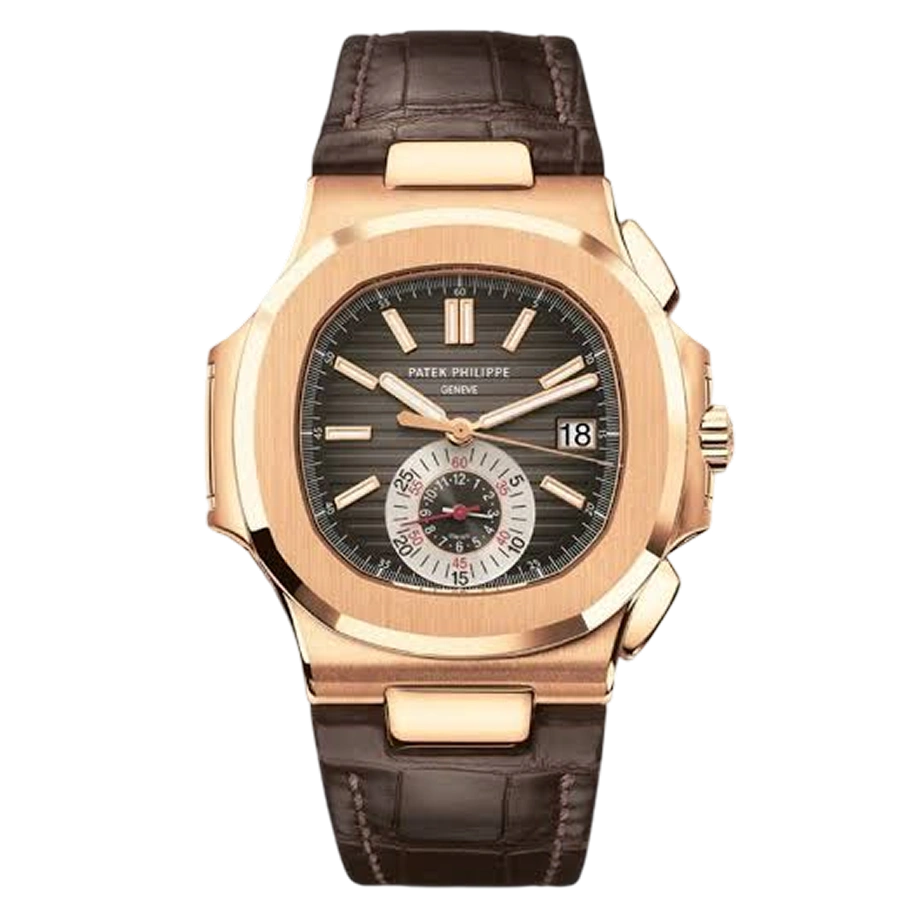
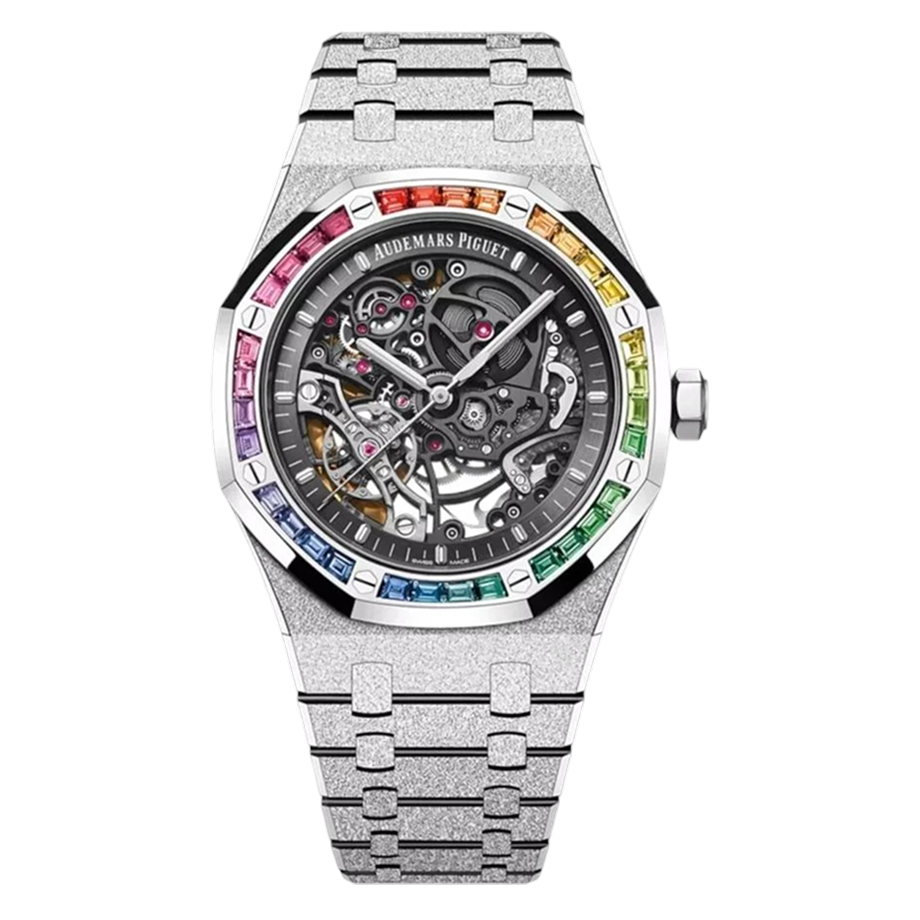
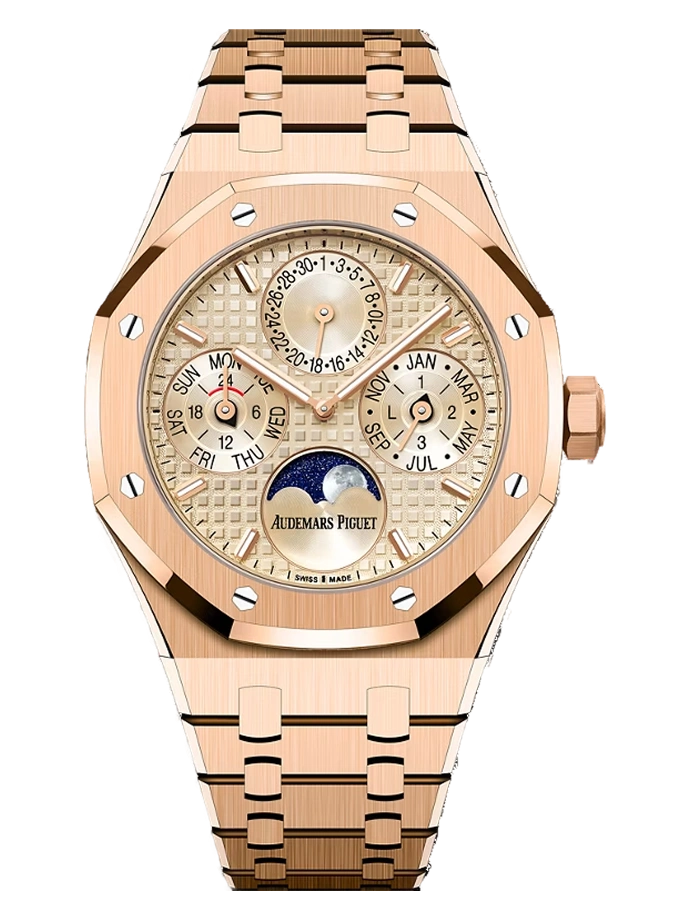
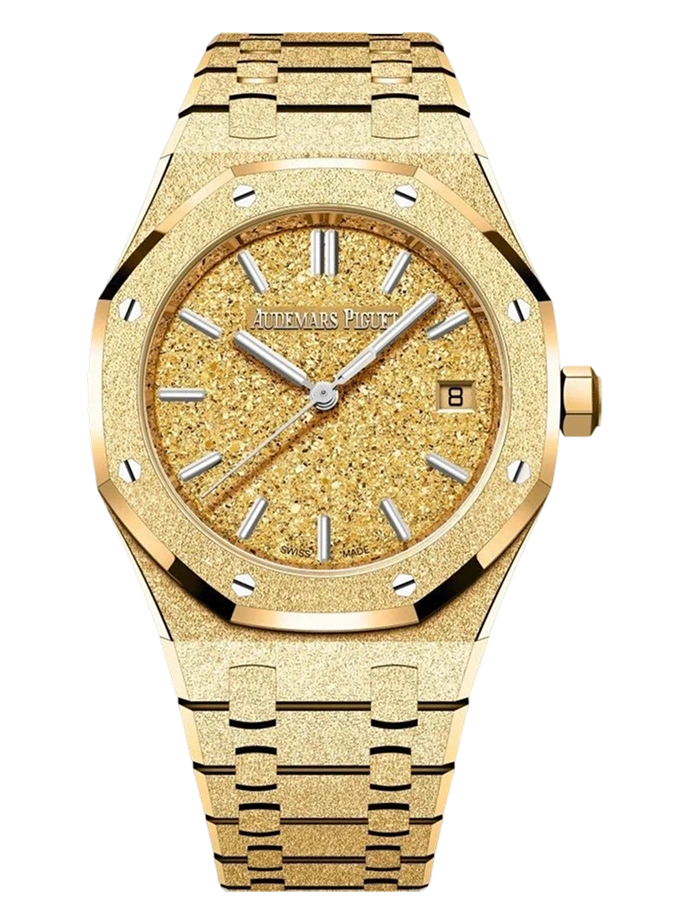
You’ve read the legend of Gérald Genta sketching its design on a restaurant napkin, witnessed how it upended the very idea of a luxury sports watch, and perhaps even felt a twinge of envy watching how balletically it wraps itself around the wrists of seasoned collectors.
However, is the Audemars Piguet Royal Oak a good investment watch? And which Royal Oak should you buy?
There is much that Royal Oak collectors and sellers rarely spell out, so if you’re starting to feel that now is the time to nab your own Royal Oak, consider this a clear-eyed, easy-reading guide to what actually matters.
Royal Oak vs Royal Oak Offshore: Key Differences for Buyers
First things first: don’t be surprised that the Royal Oak, designed by Genta in 1972, commands significantly higher prices than most other Audemars Piguet timepieces. Its impact on watchmaking history alone all but guarantees it.
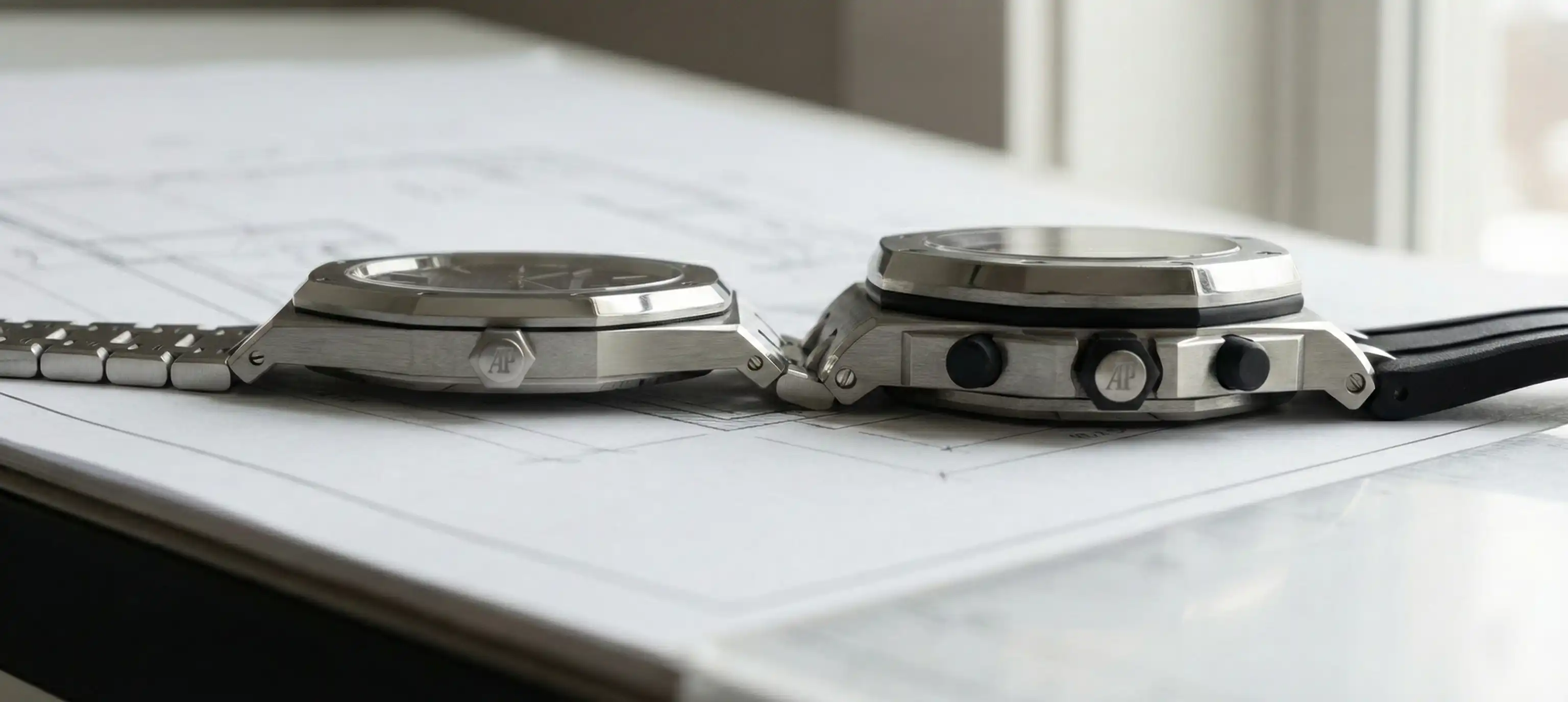
Two decades later, Audemars Piguet sought to broaden the appeal of the Royal Oak DNA. Designed by Emmanuel Gueit in 1993, the Royal Oak Offshore was conceived as a more muscular, contemporary evolution of the original. Larger, thicker, and often equipped with crown guards and bolder aesthetics, the Offshore speaks to a very different buyer.
While the Offshore has its loyal following, it generally trails the core Royal Oak line in collectability and secondary-market demand. For buyers who prioritise liquidity, heritage, and long-term desirability, the classic Royal Oak—particularly in time-only or restrained complication form—remains the safer and more coveted choice.
Royal Oak Materials Explained: Steel, Gold, Ceramic & More
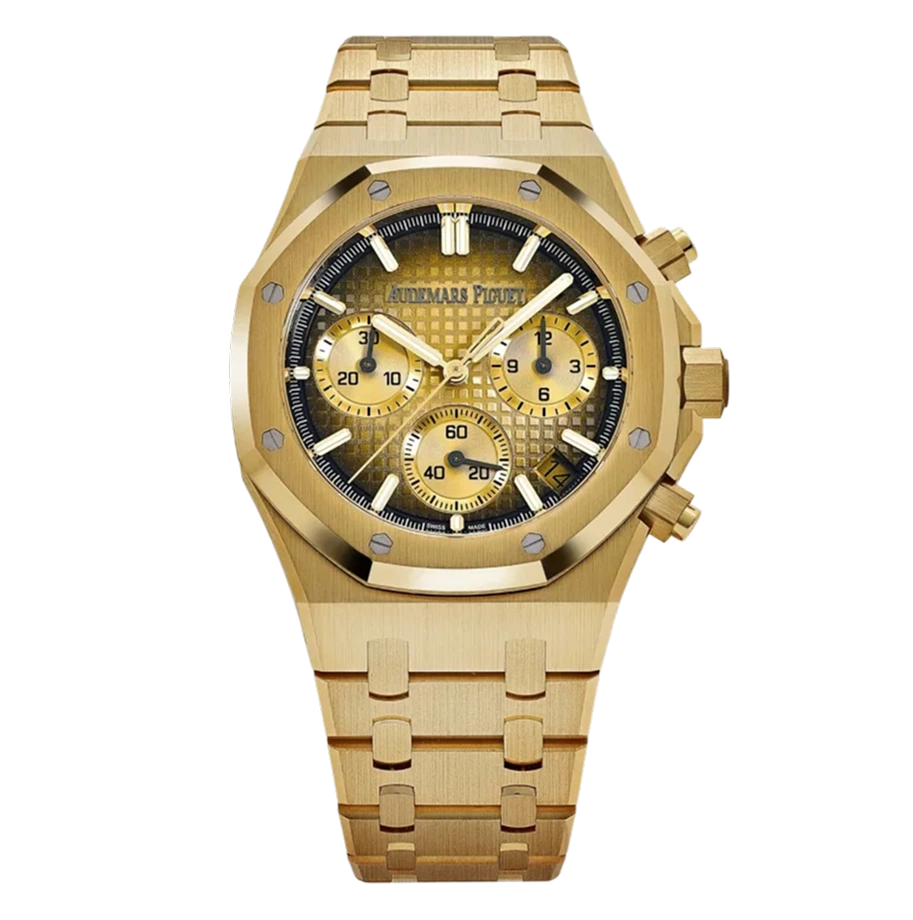
Although the Royal Oak was revolutionary for elevating stainless steel to luxury status, the collection today spans a wide range of materials:
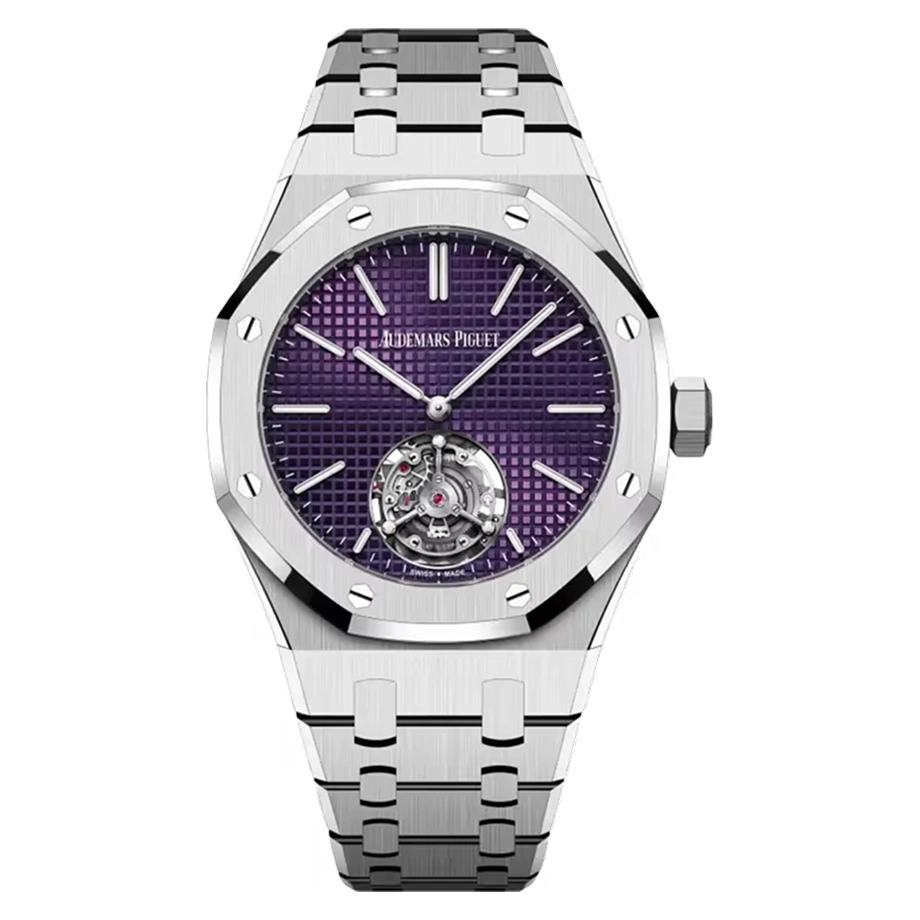
- Stainless steel
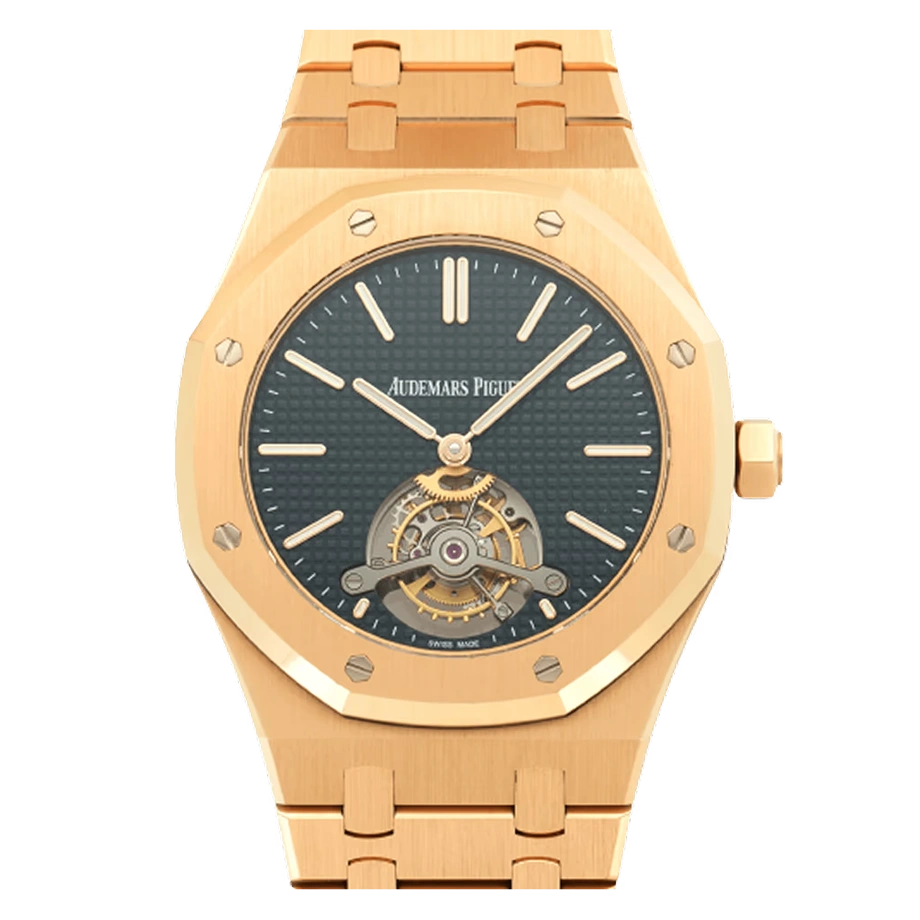
- Yellow, white, and rose gold
- Titanium
- Platinum
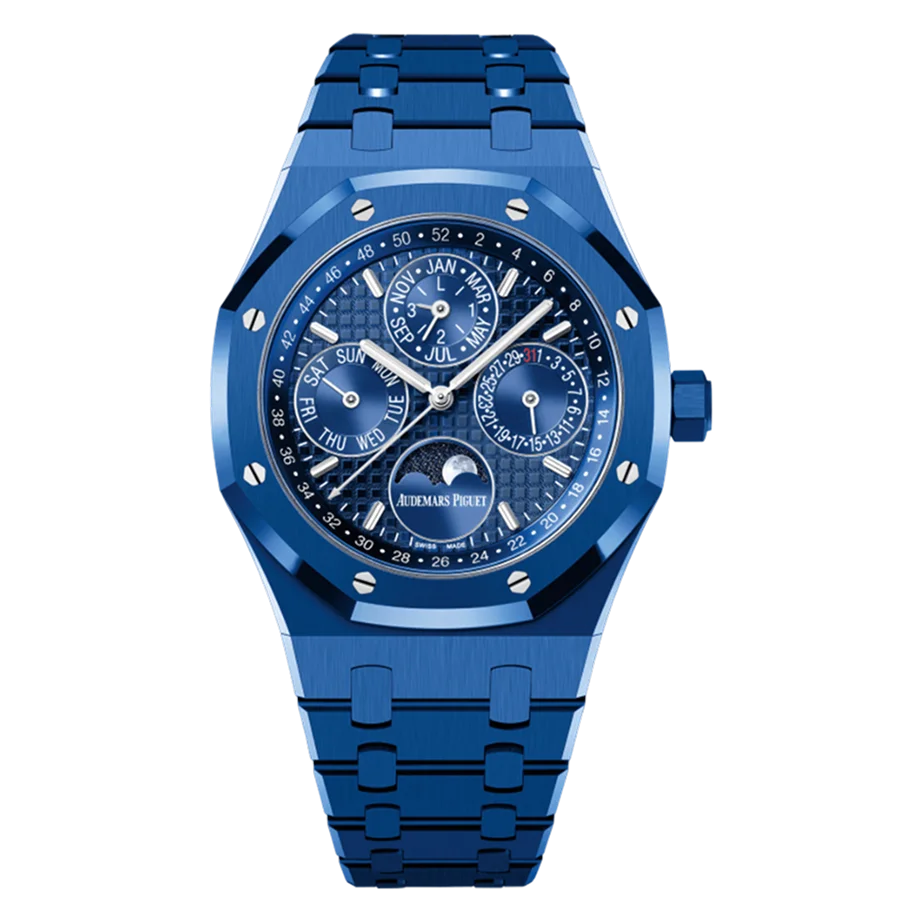
- Ceramic
Allocation-driven, steel Royal Oaks remain the most liquid and universally desired. Ceramic and precious metal references are rarer and often more expensive, but they are also more polarising—appealing strongly to some collectors while leaving others cold.
(On a personal note, we’d like to add that Audemars Piguet creates and hand-finishes some of the most beautiful ceramic timepieces in the market.)
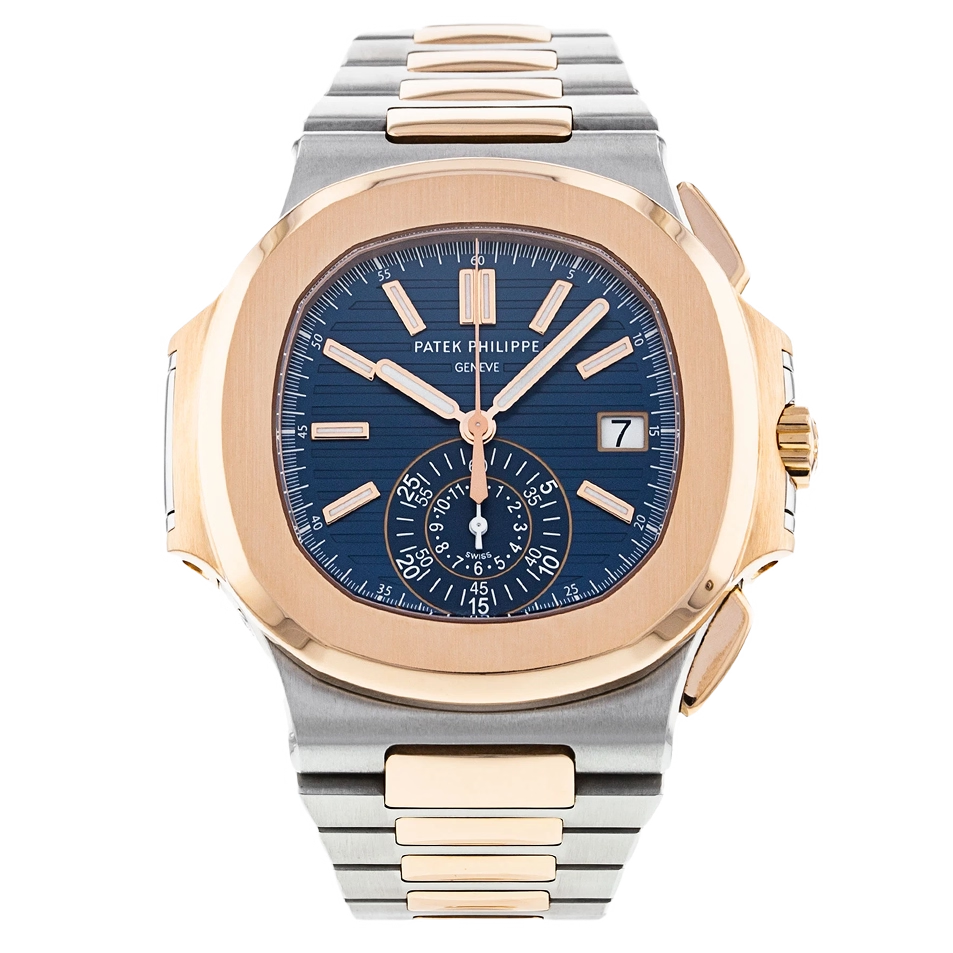
Yes, steel Royal Oaks are quiet symbols of IYKYK luxury, but are a tad easier to find than steel Patek Philippes.
Key Royal Oak Case Sizes Explained: Jumbo vs 41mm
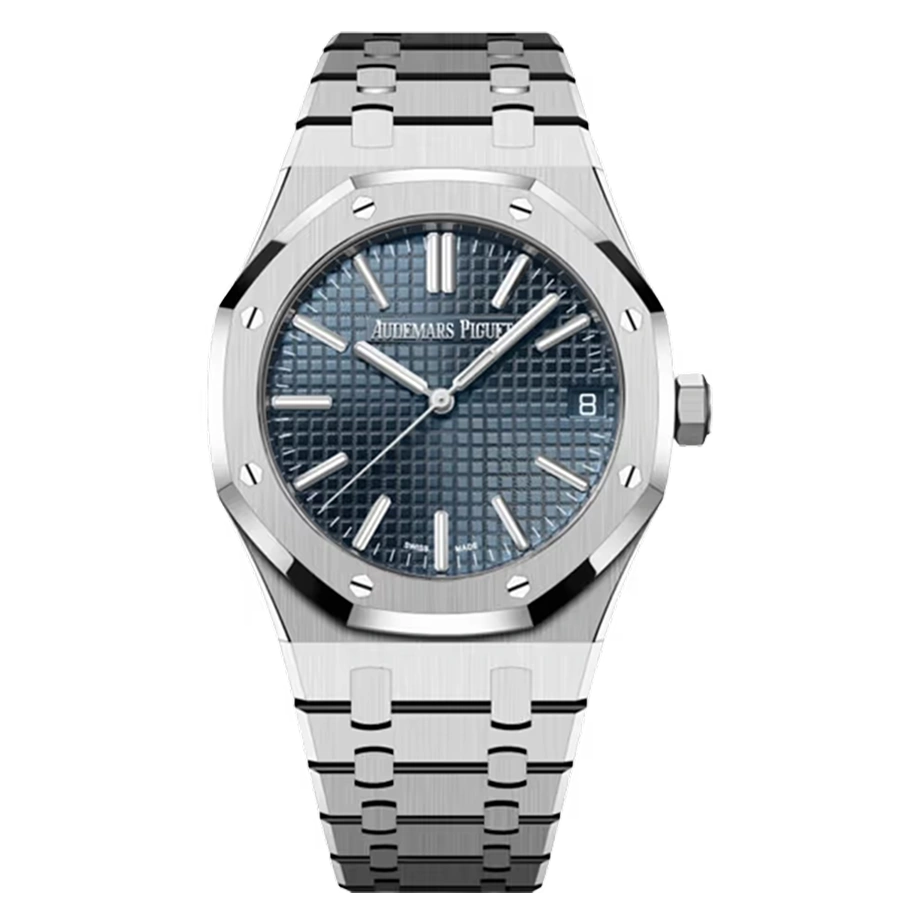
One of the most misunderstood distinctions among Royal Oaks is case size, particularly when it comes to the term Jumbo. The Royal Oak has been rendered in many case sizes, but its 39mm and 41mm iterations are the most well known.
- 39mm "Jumbo" (e.g. Ref 5402, later Ref. 15202, now Ref. 16202)
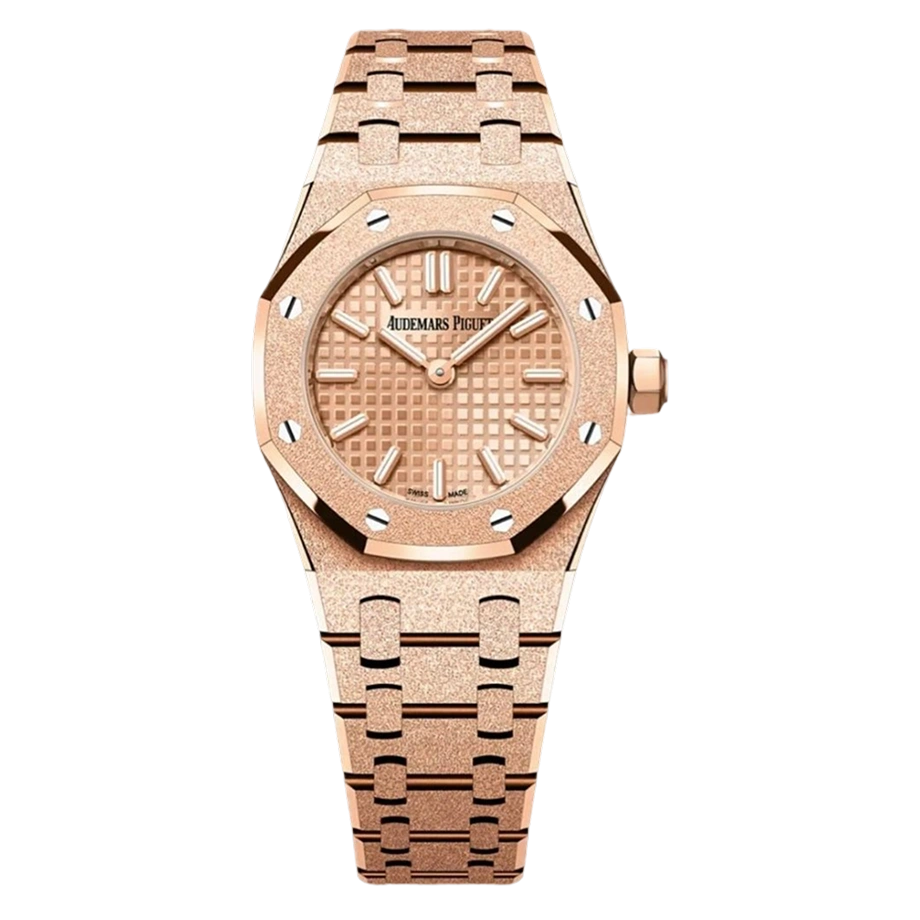
This is the spiritual and dimensional descendant of the original 1972 Royal Oak. Its appeal lies not merely in diameter, but in its exceptional thinness and perfect proportions. - 41mm Royal Oak (e.g. Ref. 15500, 15510, etc)
More contemporary in stance, thicker on the wrist, and powered by newer in‑house movements. Despite only a 2mm difference on paper, these wear noticeably larger than the 39mm Jumbo.
Understanding how a Royal Oak wears, rather than how it measures, is crucial. And while the elegance of a Royal Oak might make us forget that it is ultimately a tool watch, it’s worth noting that the Jumbo models usually have 50m water resistance, while thicker non-Jumbo models are often submersible to 100m.
Royal Oak Dial Variations: Petite vs Grande Tapisserie
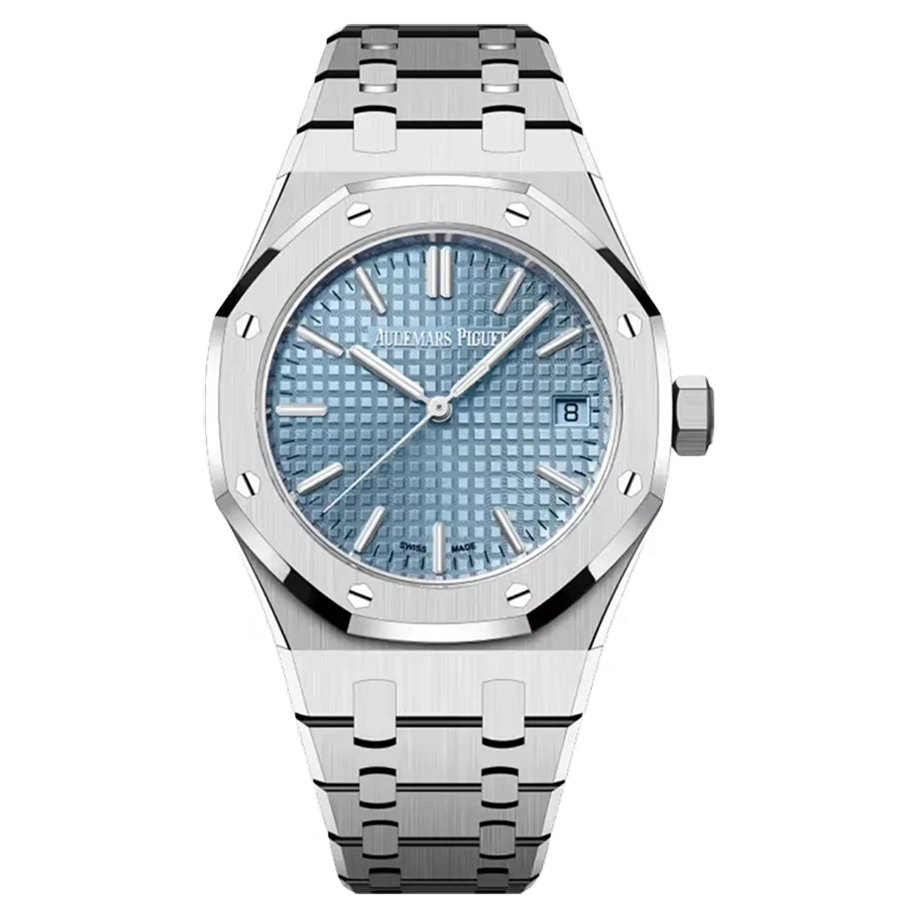
The Royal Oak’s tapisserie dial is iconic, but not all tapisserie is created equal.
- Petite tapisserie (used on Jumbo models) features a finer, more intricate texture.
- Grande tapisserie (often found on larger or sportier models) appears bolder and more modern.

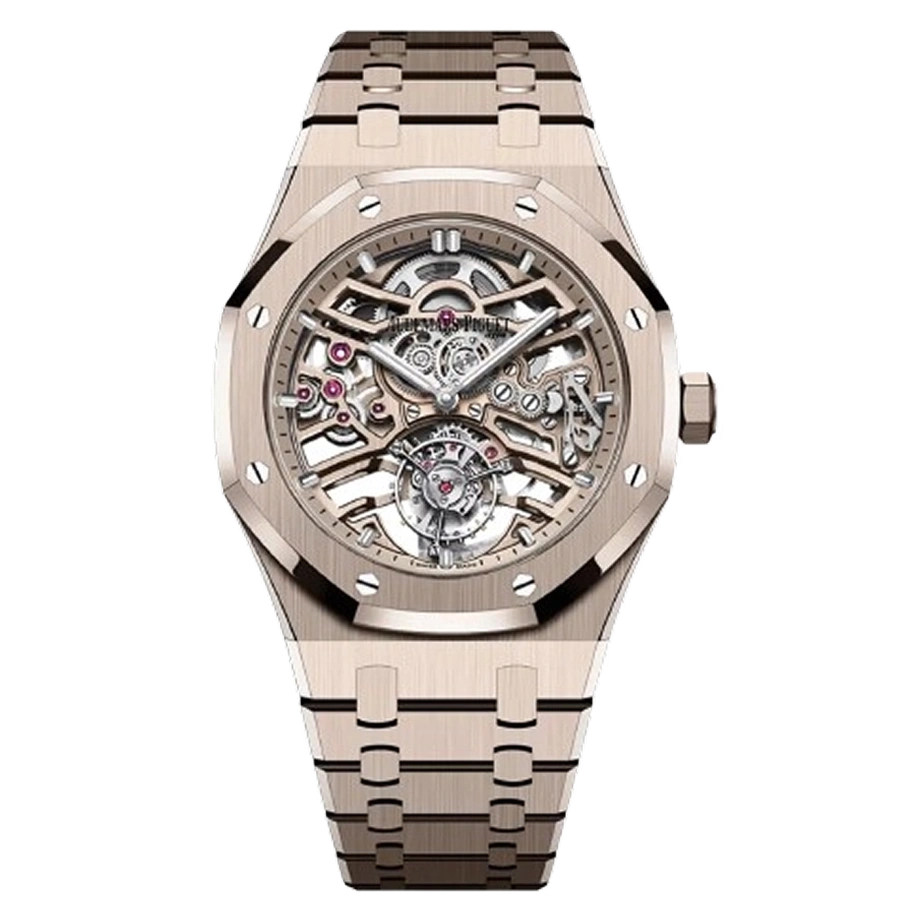
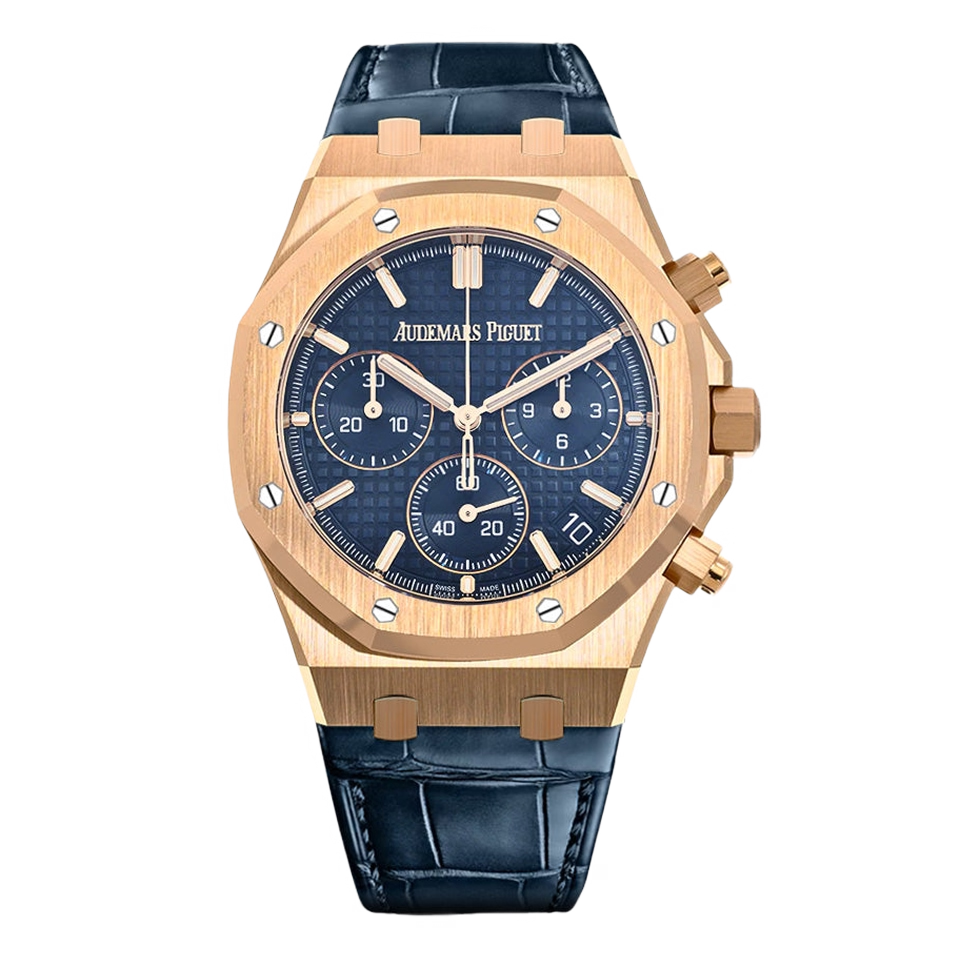
Dial colour also plays a significant role in desirability. Classic shades—blue, grey, and black—tend to outperform brighter or more experimental colours over time, though limited editions can be notable exceptions. Skeletonised dials, while visually arresting, appeal to a narrower audience and are best purchased for passion rather than predictability.
Vintage Royal Oak Guide: A, B, C & D Series Explained
Vintage Royal Oaks are especially nuanced.
- A and B Series (mid-1970s)
Often feature the “AP” logo at 6 o’clock or only “SWISS” on the dial. Hands and indices are thinner, and the overall feel is lighter—closer to Genta’s original intent. Fewer than 2,000 A‑series pieces were produced, making them particularly coveted. - C and D Series (late 1970s to early 1980s)
Typically display the “AP” logo at 12 o’clock alongside “Automatic” and “Swiss Made”. These feature thicker hands, indices, and bracelets—less delicate, but more robust.
While A and B series models often command premiums, condition, originality, and service history ultimately matter more than the letter alone.

Royal Oak Movements: Calibre 2121, 4302 & the New 8100
Beneath the tapisserie dial lies one of the Royal Oak’s most consequential differentiators: its movement.
- Calibre 2121 (introduced by AP in 1972)
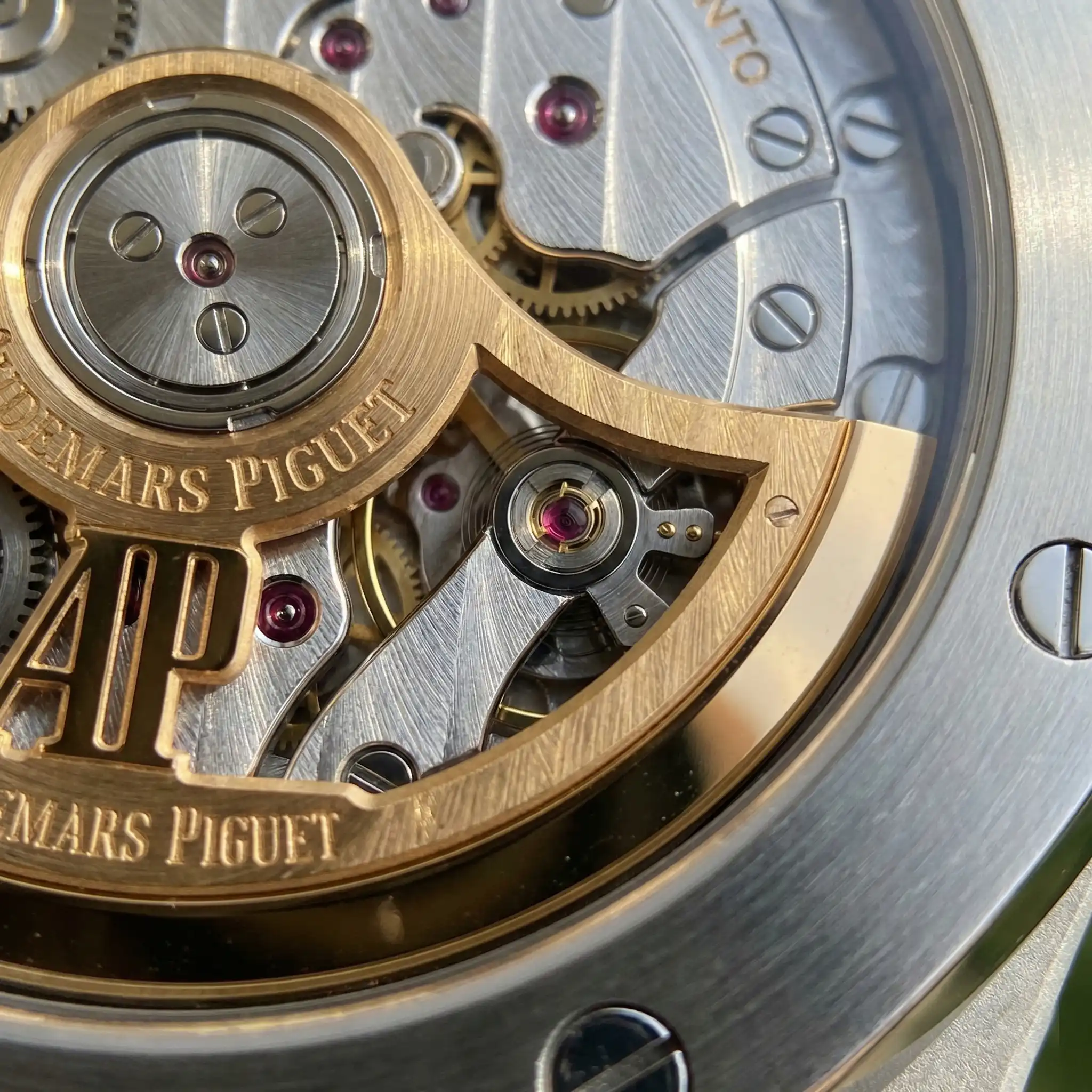
Used in the original Ref. 5402 and later the Ref. 15202, this ultra‑thin movement—derived from the Jaeger‑LeCoultre 920—is legendary for its architecture and finishing. It lacks hacking seconds and a quickset date, but collectors regard these quirks as part of its charm. - Calibre 4302 (2019) / Calibre 4308 (2021)
Thicker and more robust, with hacking seconds, quickset date, and longer power reserves. These movements are better suited to daily wear, though they sacrifice some of the ethereal thinness that defines the Jumbo. In 2022, which marked the 50th anniversary of the Royal oak, the Ref. 16202 replaced the Ref. 15202, although it would retain the architecture of the 2121. However, the Le Brassus manufacture decided to throw these blueprints out in 2025 and start from a blank slate. - Calibre 9100 (2025)
Debuting in the Audemars Piguet RD#5, this ultra‑thin chronograph movement requires minimal force and a single pusher to operate the chronograph. It is a painstaking feat of engineering that signals a bold new chapter for the maison.
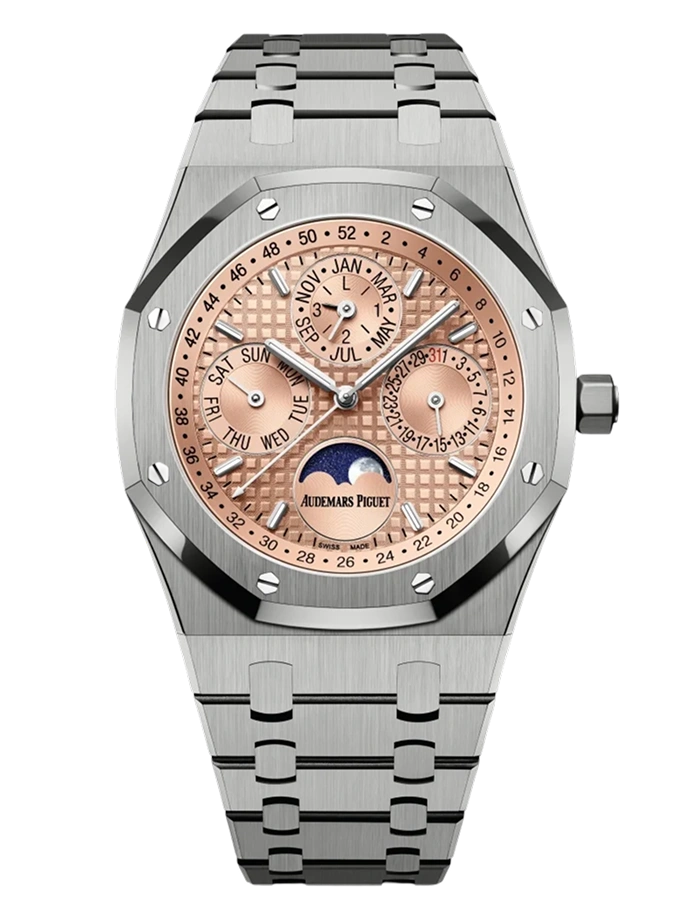
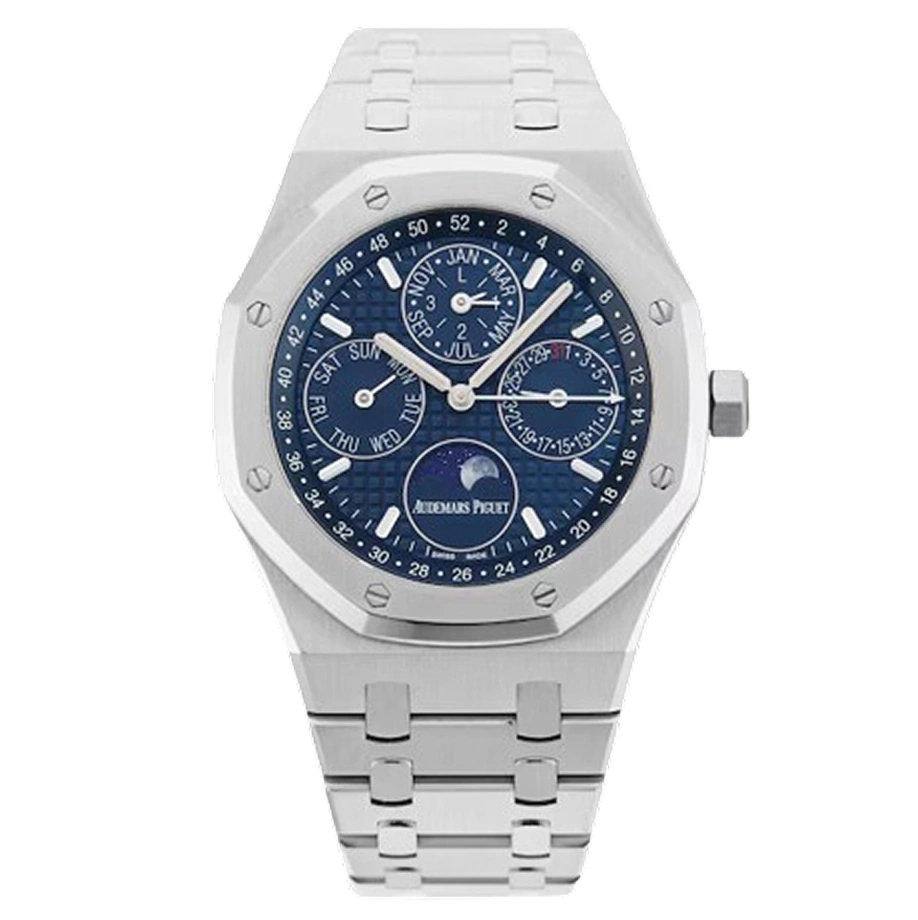
Audemars Piguet has created numerous complications for the Royal Oak collection, especially since the Royal Oak has been the canvas for some of watchmaking’s most incredible high complications.
Bracelet, Wearability & Long-Term Value
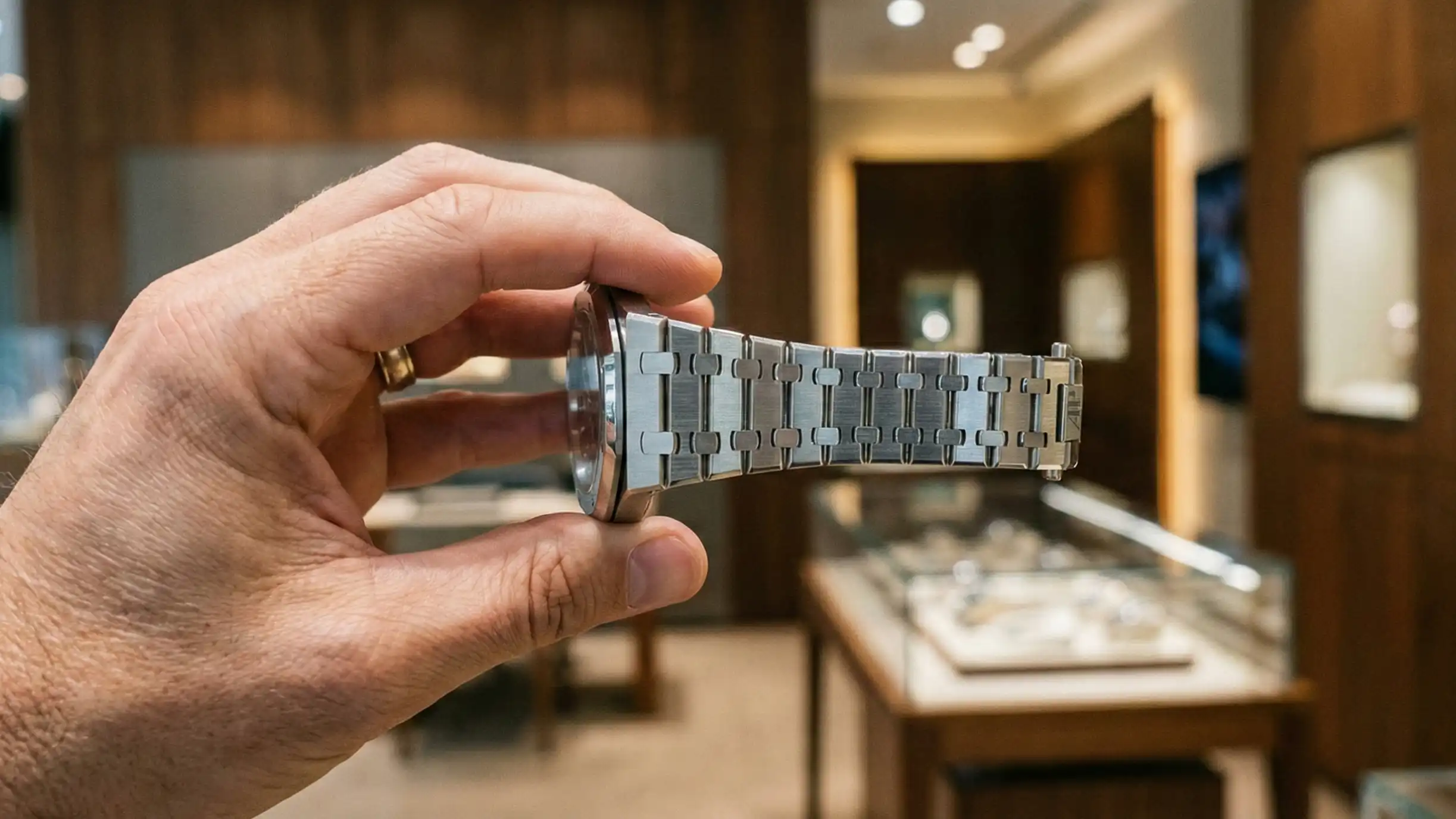
Few watch bracelets are as instantly recognisable as that of the Royal Oak. What began as a radical design has since become canonical.
As integrated bracelets returned to fashion over the past decade, so too did the Royal Oak’s cultural and market relevance—cementing its status not merely as a watch, but as a benchmark. These are the Royal Oak's two principle bracelet styles:
- Vintage bracelets (around 1972 to 2012) are thinner, more tapered, and lighter, but can feel delicate by modern standards.
- Modern bracelets (around 2012 till the present) are sturdier, with improved clasps that offer greater security and comfort. On the occasion of Royal Oak’s 50th anniversary, this bracelet was given further ergonomic updates.
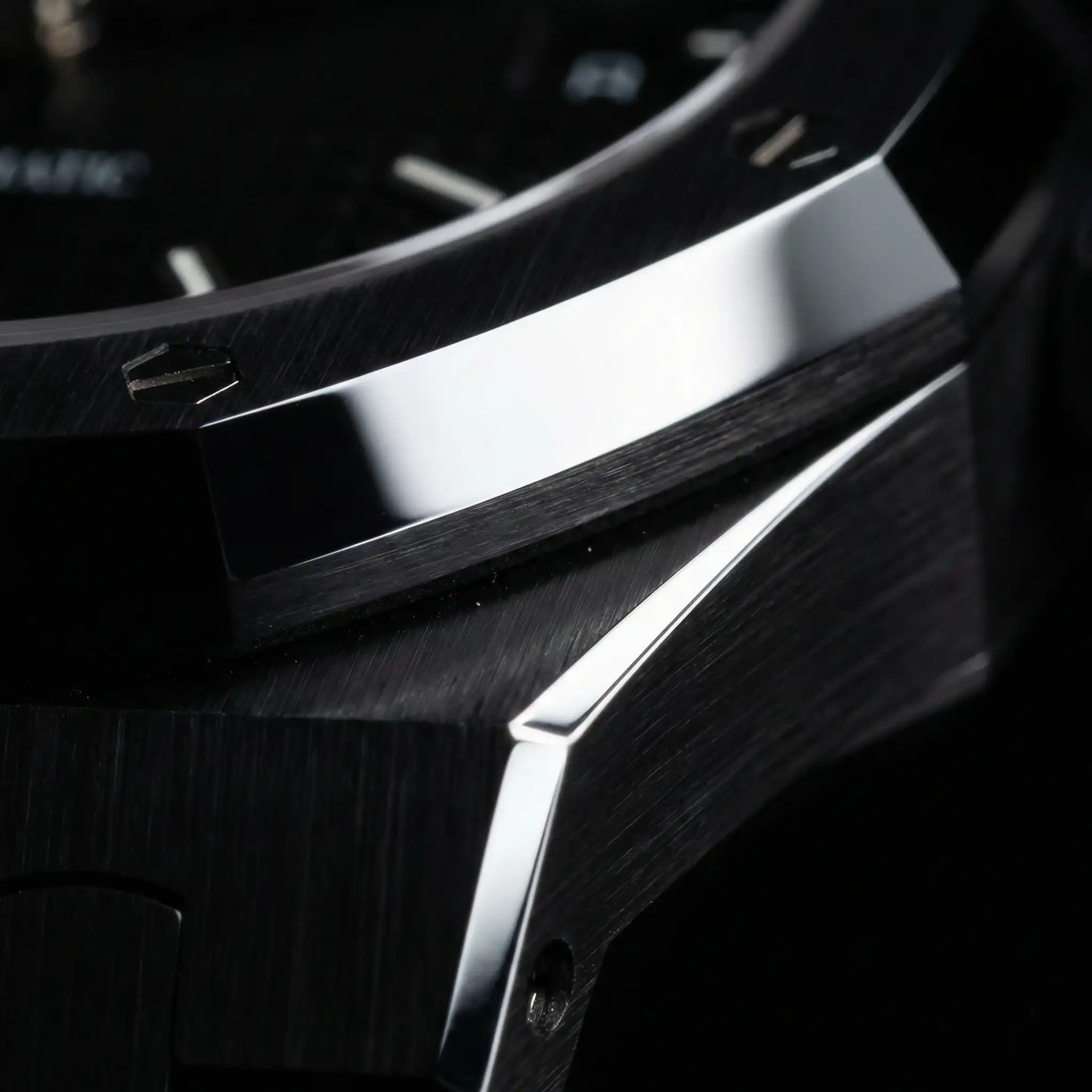
Buyers should scrutinise bracelet stretch, polishing quality, and clasp integrity. Over‑polished Royal Oaks lose the crisp contrast between brushed and polished surfaces that defines the design—and significantly undermines value.
Service History, Originality & What Impacts Price
Finally, pay close attention to:
- Service replacements (hands, dials, date wheels)
- Original box and papers
- Case refinishing quality
- AP servicing versus independent watchmakers
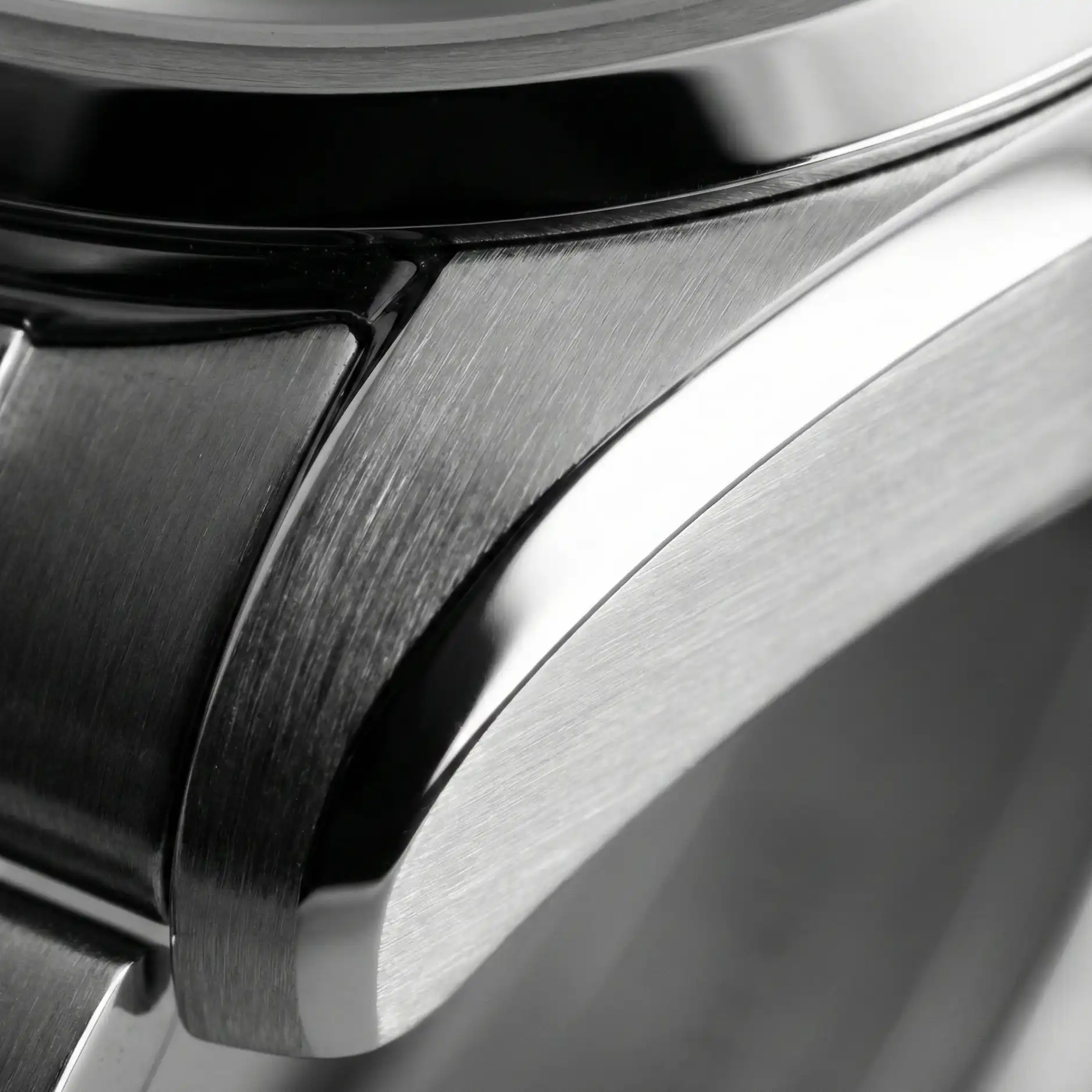
A well‑preserved, lightly serviced Royal Oak will often outperform a poorly handled “rarer” reference.
How to Choose the Right Royal Oak for You
The variables we’ve discussed go a long way in determining why one Royal Oak may hold its value—or even appreciate—better than another. Still, we always emphasise that enjoyment should come first; the return on investment is best treated as a welcome by-product, not the primary objective. Fortunately, demand for the Royal Oak remains strong, and most examples continue to hold their value well.
As you might have come to realise, the Royal Oak is deceptively simple in appearance, yet deeply complex in execution. Understanding its nuances—movement, size, era, and finish—can mean the difference between owning a Royal Oak and owning the right Royal Oak.

If you’d like to enlist the help of our Royal Oak specialists, drop us a message here.

.webp)