How the world's most disciplined collectors quietly built one of the best vintage markets and why the weak yen has thrown its doors open
There is a particular silence in a good Tokyo dealer's shop, and you learn to love it before you learn anything else. Off a side street in Nakameguro, or up a narrow staircase in Kanda where the secondhand booksellers thin out and the watch people begin, the ritual rarely changes. A tray is presented, lined in grey suede. The loupe is offered, not brandished. Nobody hurries you, because hurry is vulgar, and vulgarity is the one thing this room will not abide.
You are being sized up, gently, and the piece on the tray is being asked to prove itself with the same politeness. This is the theatre of Japanese collecting, and after twenty minutes of it you begin to understand that the watch was never really the point.
For a generation, Japan was the connoisseur's open secret, the place the trade went to buy when it wanted the honest example rather than the loud one. Word travelled slowly and by design. Then, in 2026, two things arrived together, and the door that had been ajar swung fully open.
Vintage Japanese Watches: Why the Weak Yen Opens Japan
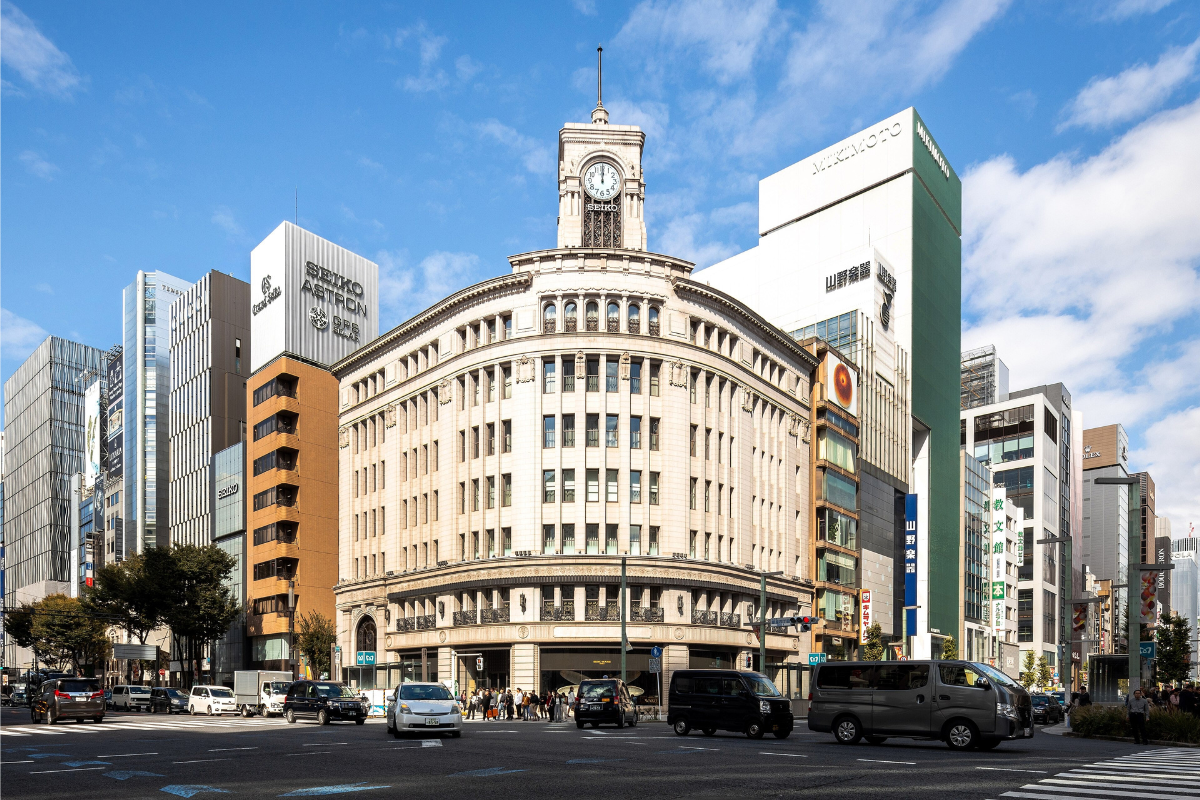
The first is money, and it can be told in a sentence: the yen has stayed soft, and a soft yen turns Japan into one of the friendliest counters for anyone arriving with foreign currency in their pockets. I will not insult you with a number, because numbers age badly and the good dealers would wince to hear one.
It is enough to say that the arithmetic now favours the visitor as it has not in living memory, and that a watch which would make you flinch in Geneva or New York asks a more reasonable question here. The exchange rate is the invitation. It is not the reason to stay.
The strength of the Japanese collectors
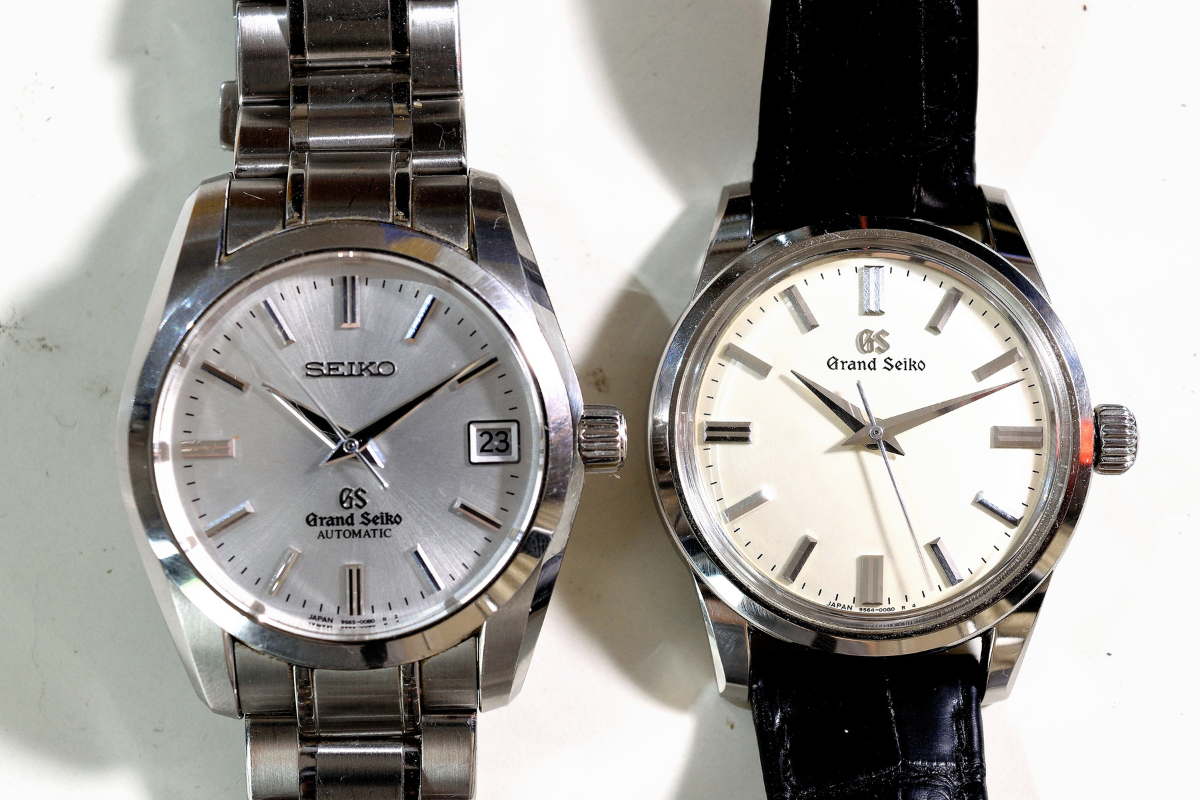
The real inheritance is temperament. Japan built one of the best pre-owned markets in the world not by having the most watches but by caring about them correctly. Condition here is not a grade; it is a creed. A collector will pass on a rare reference with a re-dialled face and buy, without hesitation, the dull-but-honest one beside it, and he/she is right to. Full sets box, papers, the little sleeve and the swing tag that everyone else lost in 1994 are kept as a matter of course, not hoarded as a premium.
There is a national tenderness towards the small and the modest: the 34mm dress piece, the vintage Seiko diver worn soft at the lugs, the watch that never shouted and never needed to. Restraint is not a marketing posture in Tokyo. It is simply the taste of the place.
What to actually hunt
Come, then, with a list and a little humility. Three categories reward the trip.
1. Neo-vintage Rolex
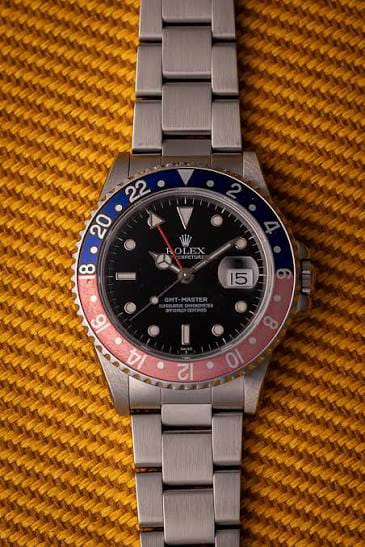
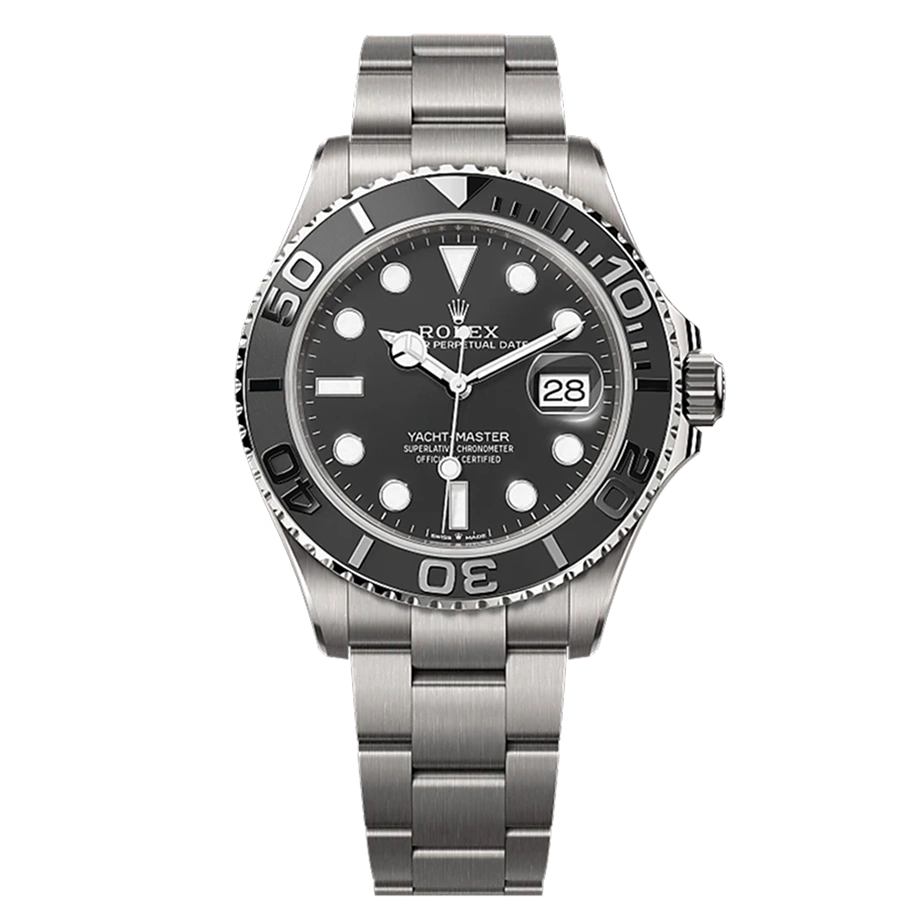
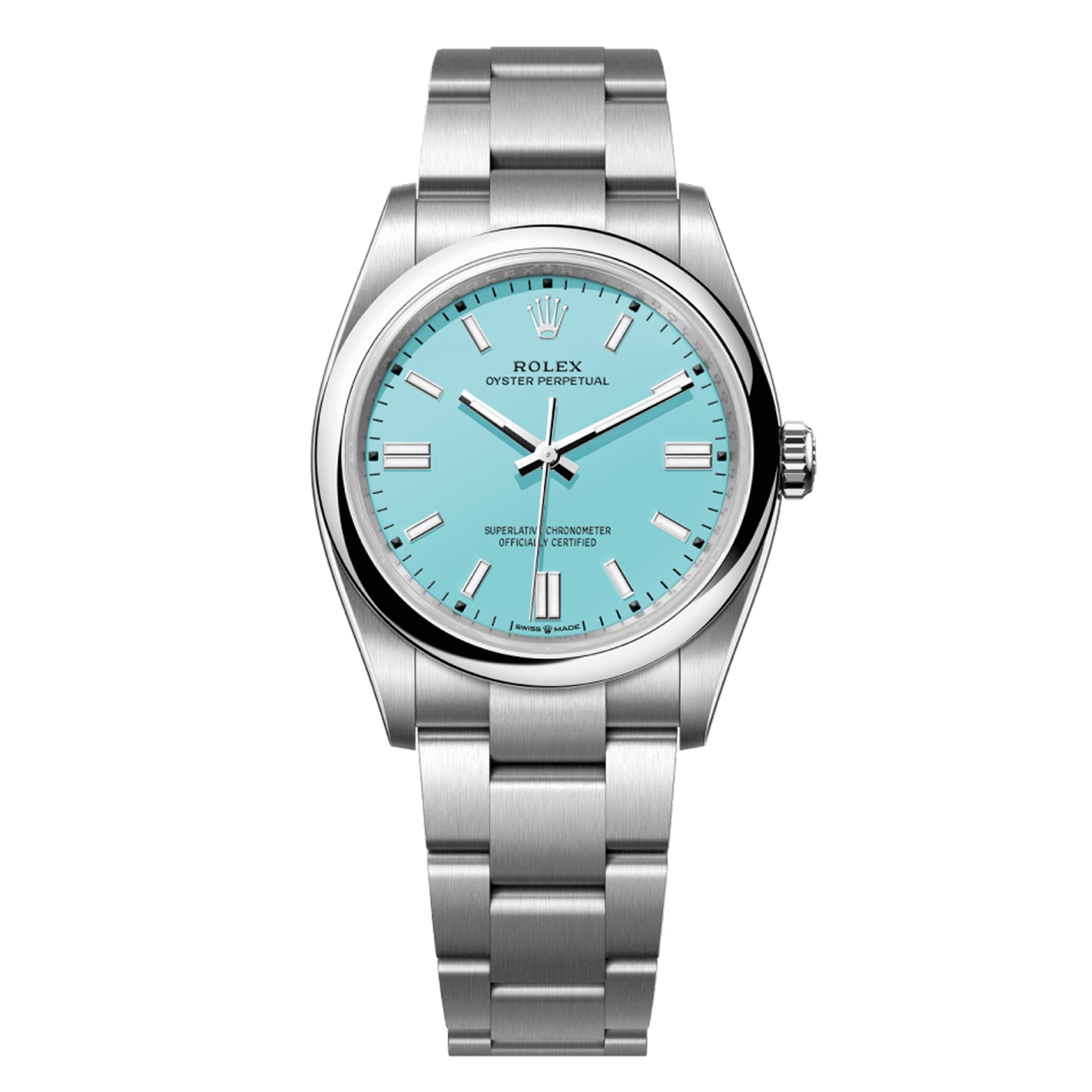
Look for the five-digit references from the eighties and nineties. Some think these were the last of the truly wearable sports watches. In Japan they turn up in conditions that would embarrass the rest of the market, so hold out for an honest, unpolished case and original parts.
2. Vintage Grand Seiko

Grand Seiko rewards the patient eye. Honest examples are cased and finished to a standard the West is only now waking up to, and prices still make sense. Take your time, compare several pieces, and consider the purchase that would otherwise be ignored in the West.
3. King Seiko and other JDM pieces
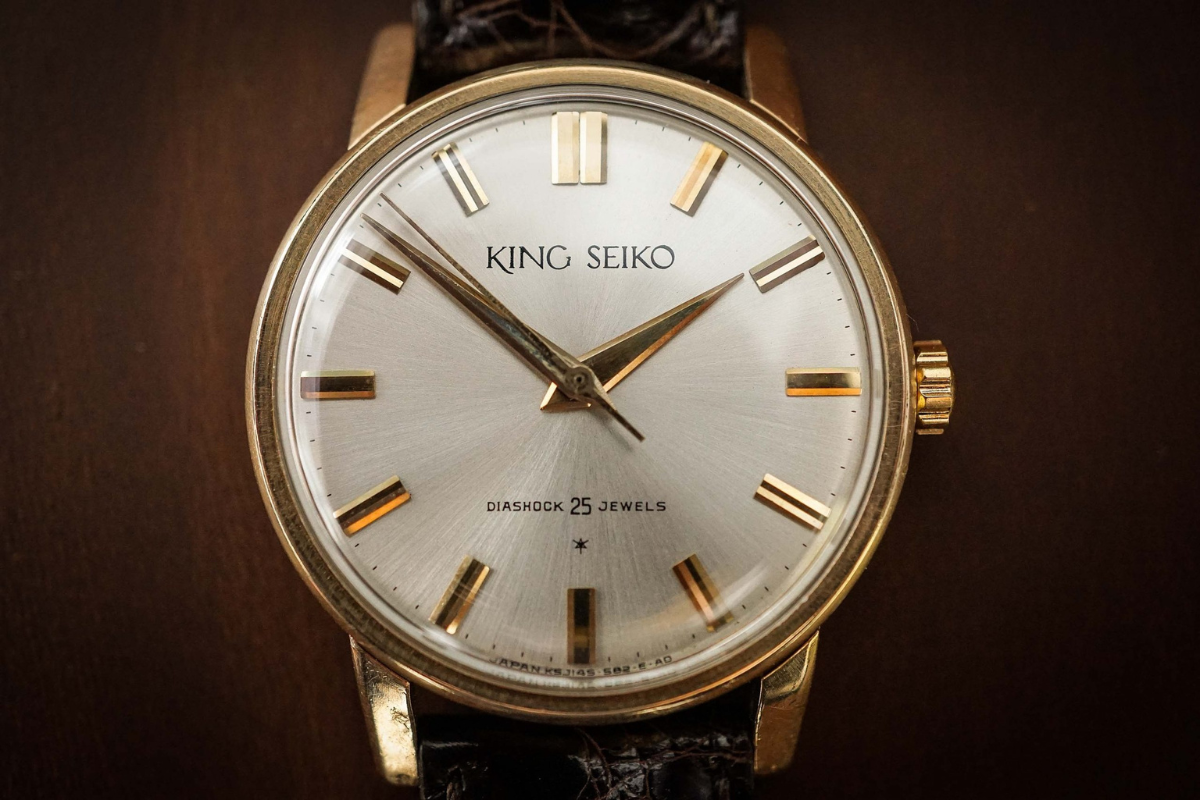
This is the true prize and the reason to cross an ocean. Hunt for the pieces built for the Japanese domestic market that never left the islands: King Seiko, early Credor, and the strange and lovely Citizen references. These models had no export catalogue and have no Western following to inflate their prices. You will not find them at home. That is the entire point.
Appreciate the details and enjoy the ride
Paperwork matters here more than anywhere; the good shops keep it, and you should ask to see it plainly and without apology. Authentication is a matter of professional pride, not suspicion expect it, welcome it, and be wary of any dealer to whom it seems a nuisance. Shipping home is a solved problem for the reputable houses; let them solve it rather than improvising. And above all, remember the one currency that never devalues in Tokyo: patience. The collector who visits three times and buys once is respected. The one who arrives demanding to buy today is, quietly, shown the door.
So, if you're visiting Japan, take a watch list and a little humility, and you will find more than a favourable rate. You will find a way of collecting unhurried, reverent, condition before everything that is worth carrying home in your luggage beside the watch. Buy the piece, by all means. But study the culture. The second lesson outlasts the first.
FAQ’s
1. Is it cheaper to buy watches in Japan in 2026?
Generally, yes, for visitors paying in foreign currency. The yen has stayed soft, so pieces listed in Geneva or New York tend to be priced more reasonably in Japan. The exchange rate is a good reason to visit, but the real draw is the quality and depth of the pre-owned market.
2. What kinds of vintage watches are worth hunting for in Japan?
Three categories stand out: neo-vintage Rolex (five-digit references from the 1980s and 90s), vintage Grand Seiko, and JDM-only pieces such as King Seiko, early Credor, and select Citizen references. The JDM models are the real prize, as they were never exported and have no Western following to push prices up.
3. Why is Japan considered one of the best pre-owned watch markets?
It comes down to collector culture rather than volume. Japanese collectors treat condition as a creed, favouring honest, unpolished examples over rare references with a re-dialled face. Full sets with box, papers and original tags are routinely kept, and there is a lasting appreciation for modest, understated pieces.
4. How can I buy a vintage watch in Japan safely?
Ask to see the paperwork, since reputable shops will treasure this. Expect authentication, and be wary of any dealer who treats it as a nuisance. Those who can explain and show the provenance should be welcomed.