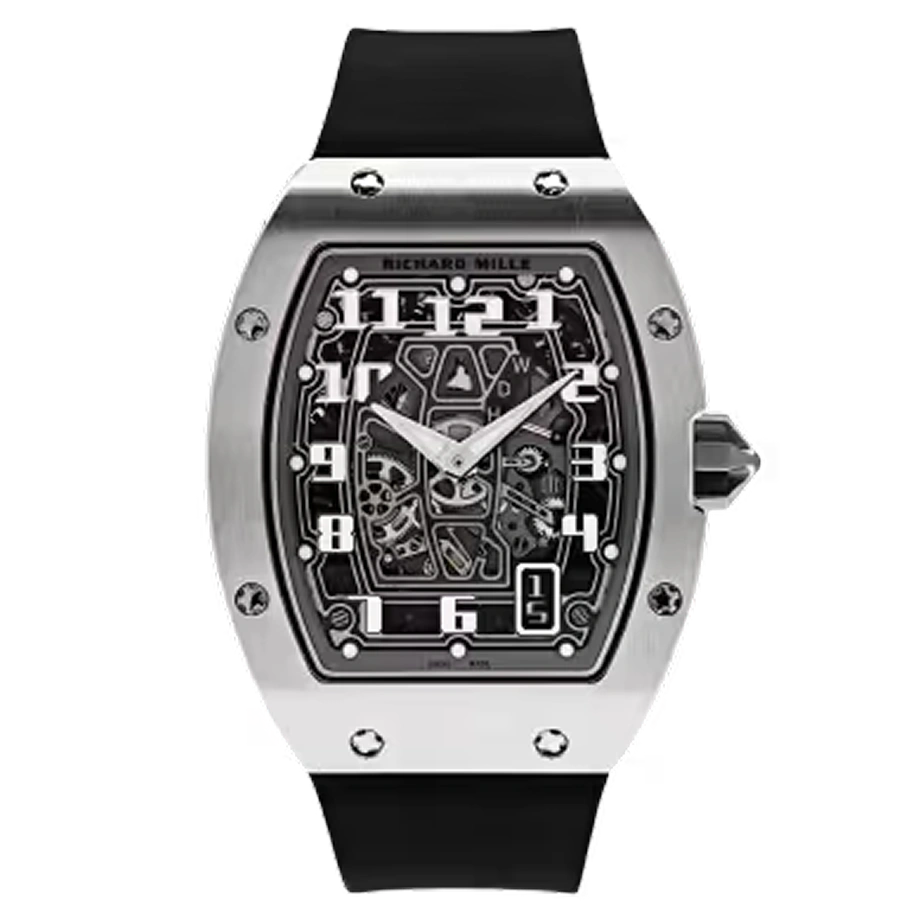
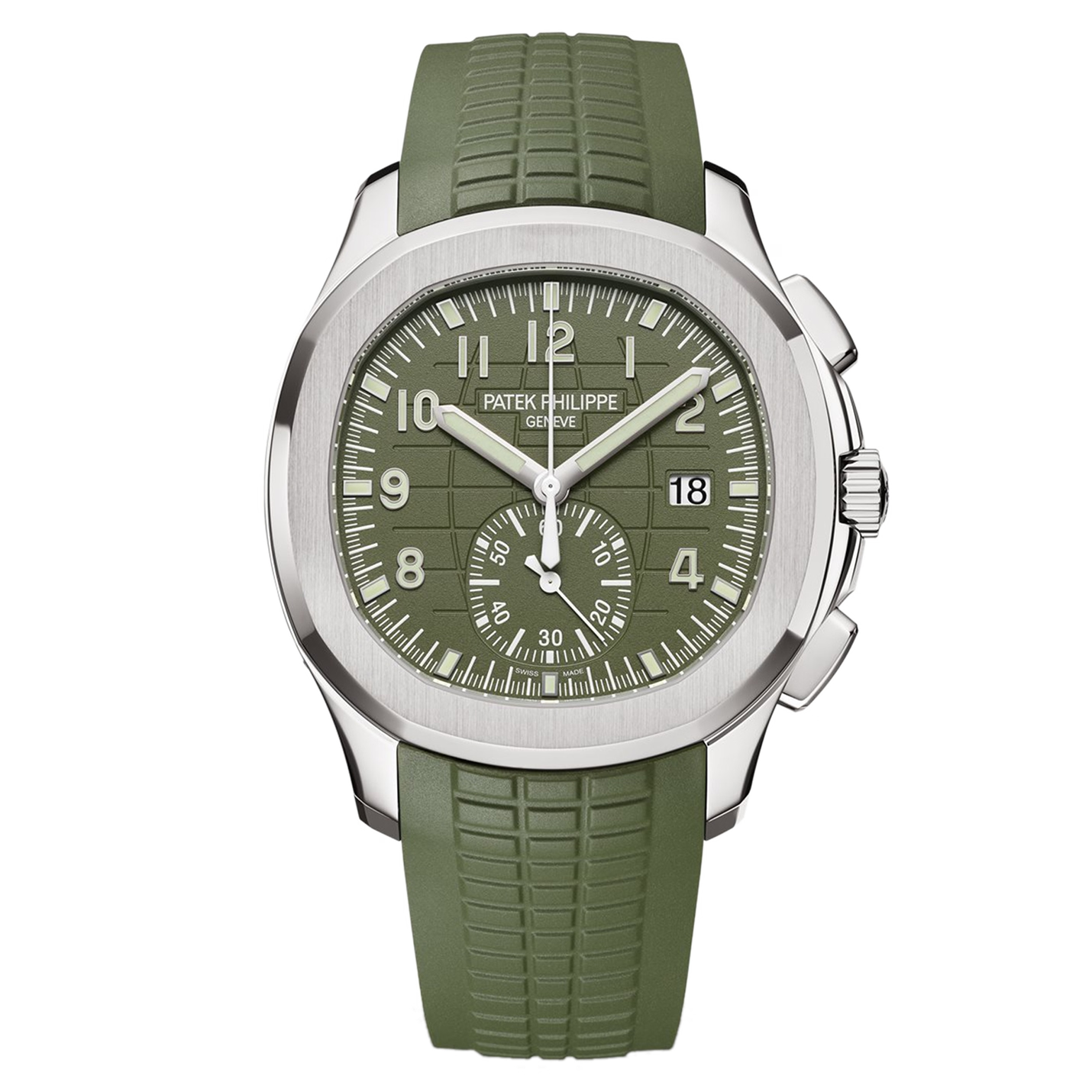
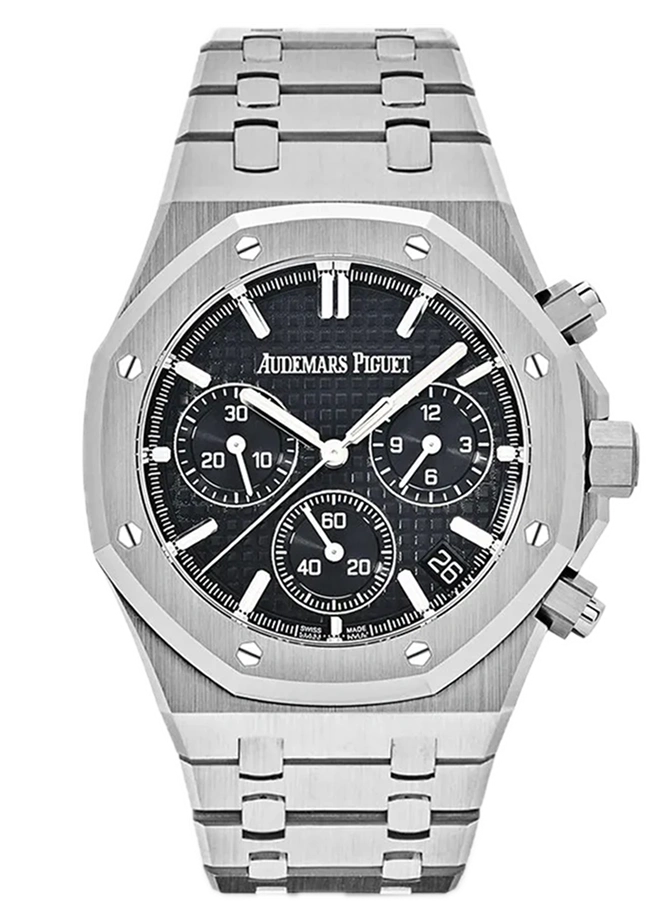
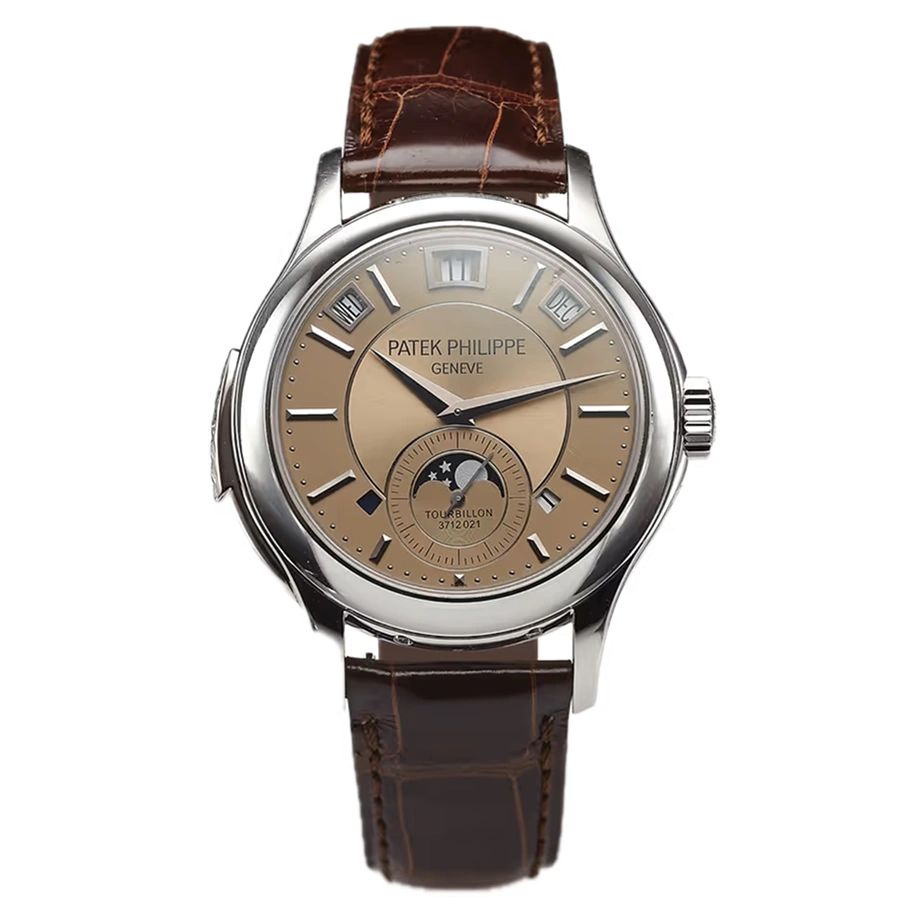
Last weekend’s Phillips New York Watch Auction: XIII laid bare both the strengths and fragilities of the evolving luxury watch landscape. A marketplace defined by extremes, its protagonists are a slim set of provenance-heavy pieces that pull astronomical prices, while a long tail of perfectly crafted watches hammered with lesser than expected fanfare.
Far removed from the uneventful auctions of previous decades, which were largely considered bargain bins of sorts, marquee global events like the Phillips New York Watch Auction: XIII are strong indicators of where the watchmaking industry and the overall market is headed, and how luxury is being redefined.
On one hand, the sale realised an astounding US$43.5 million total, marking the highest-ever haul for a U.S. watch auction, and cementing five consecutive years of 100% “white glove” sell-through at Phillips.
On the other hand, a closer look at the individual lots reveals how heavily the market depends on a handful of “superstars”—and how vulnerable it remains when you stray from that narrow summit.
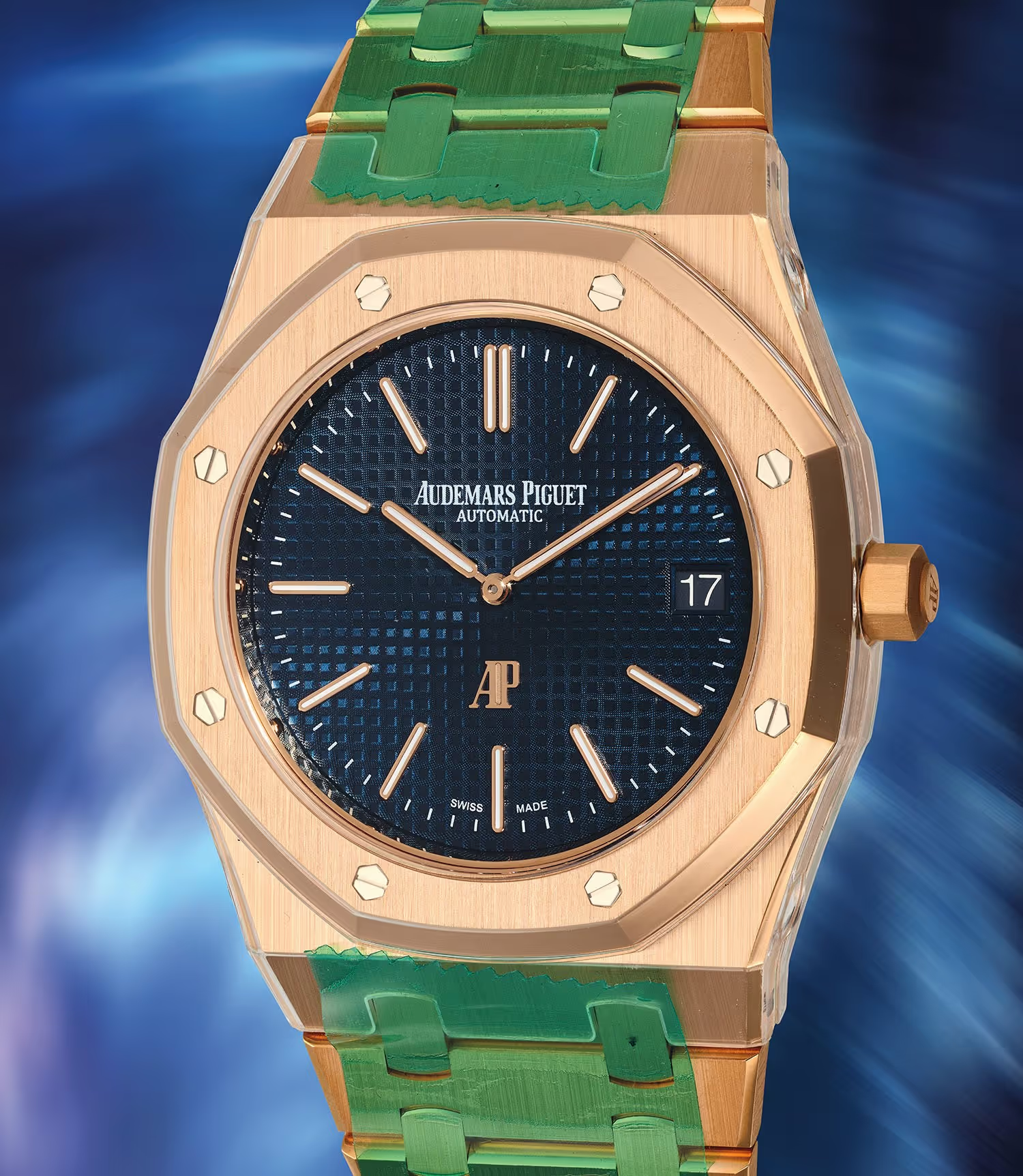
The Holy Trinity
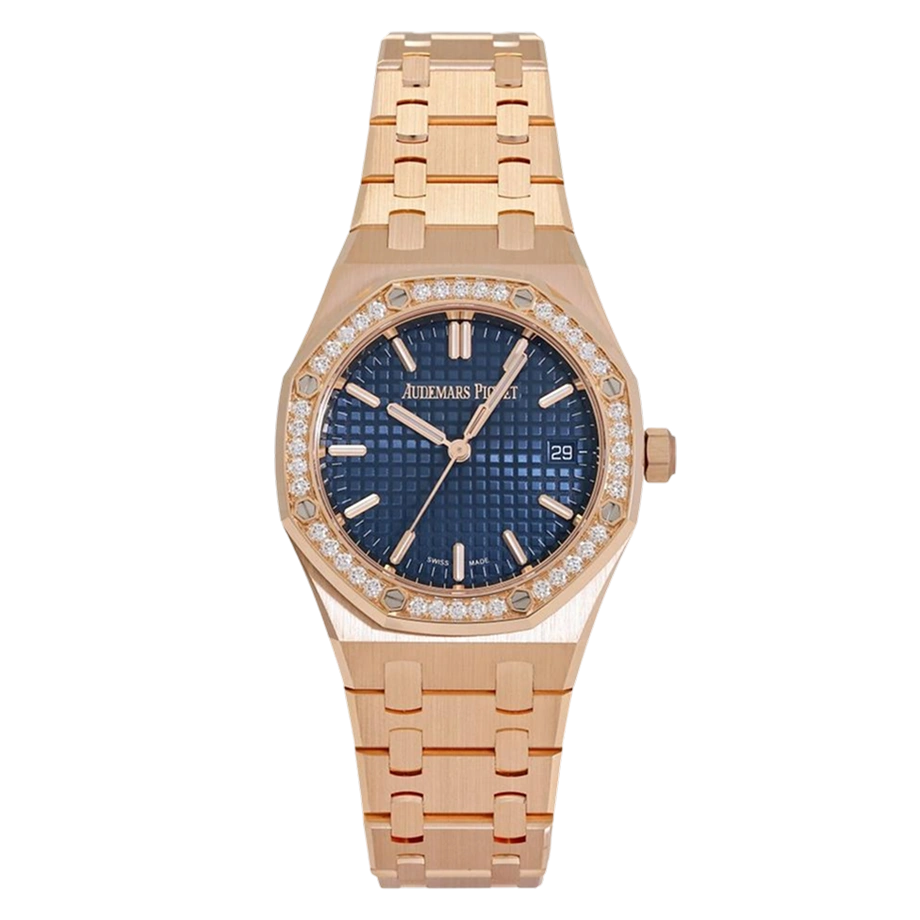
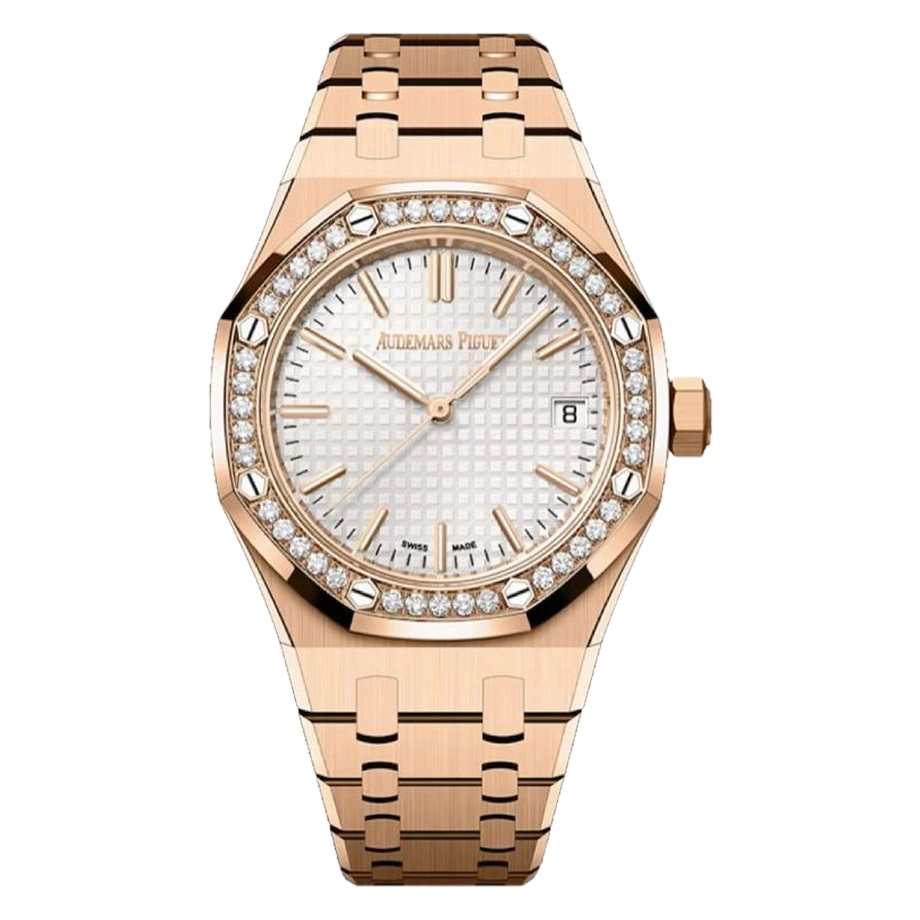
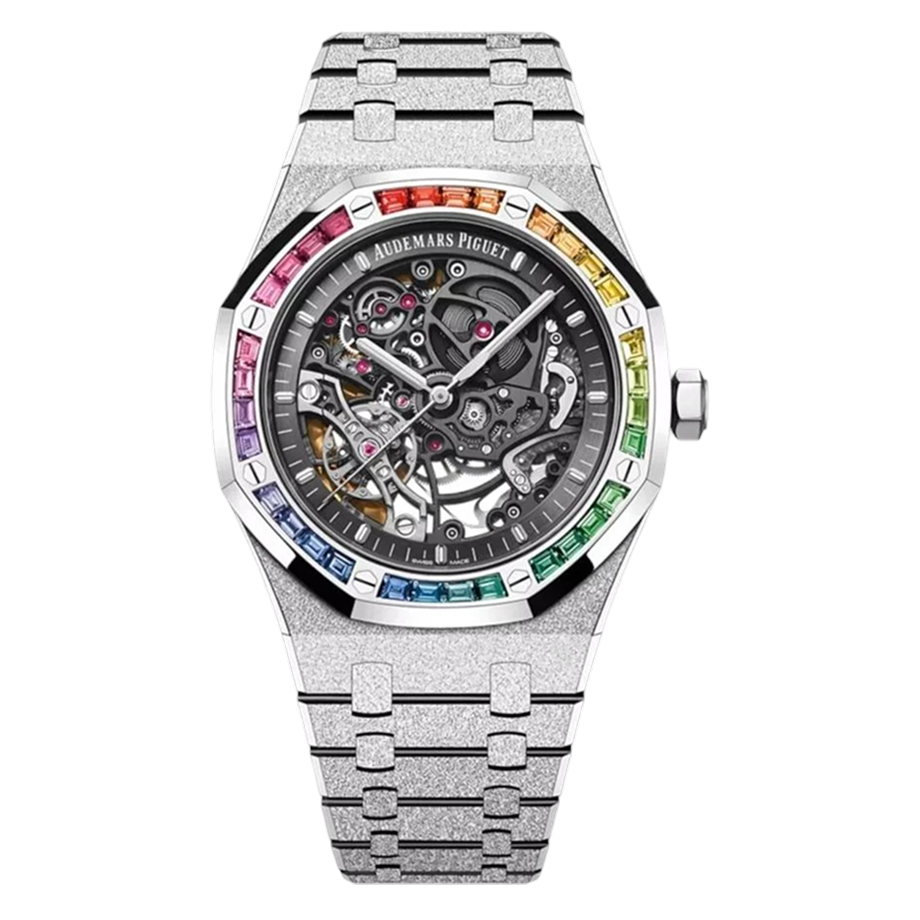
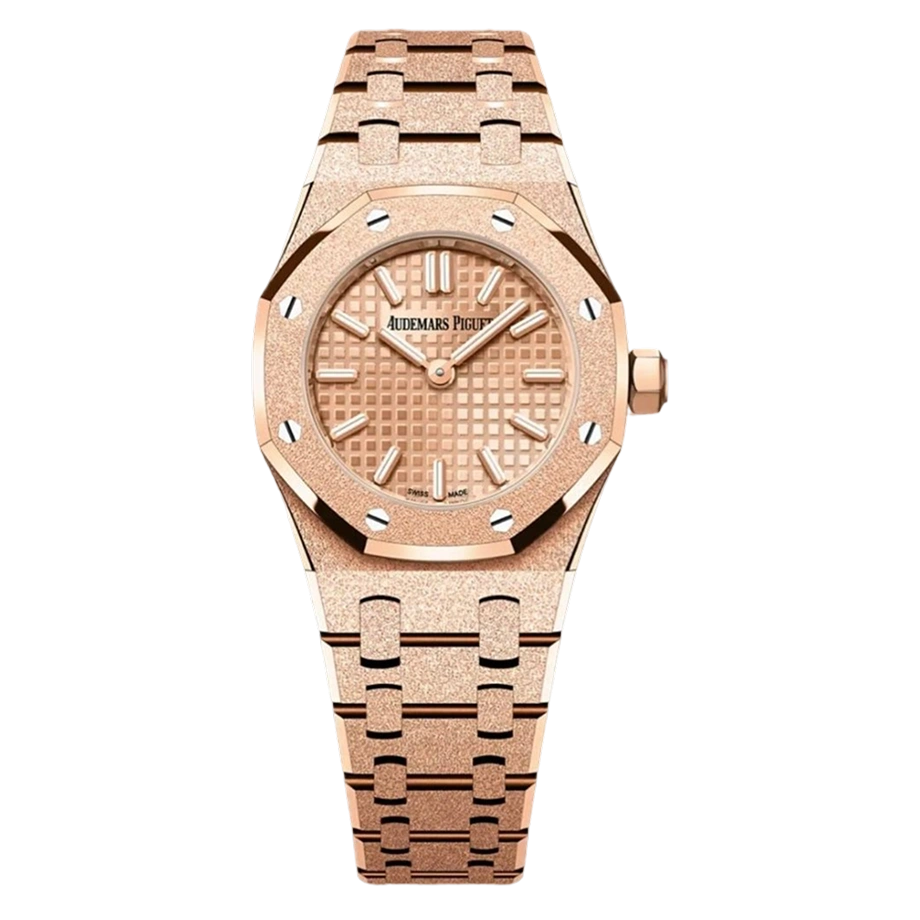
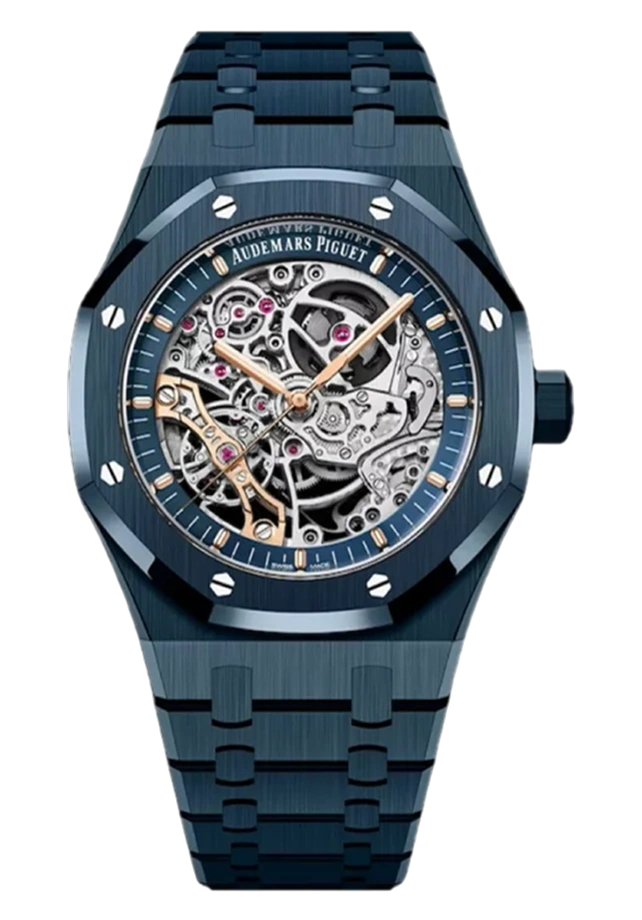
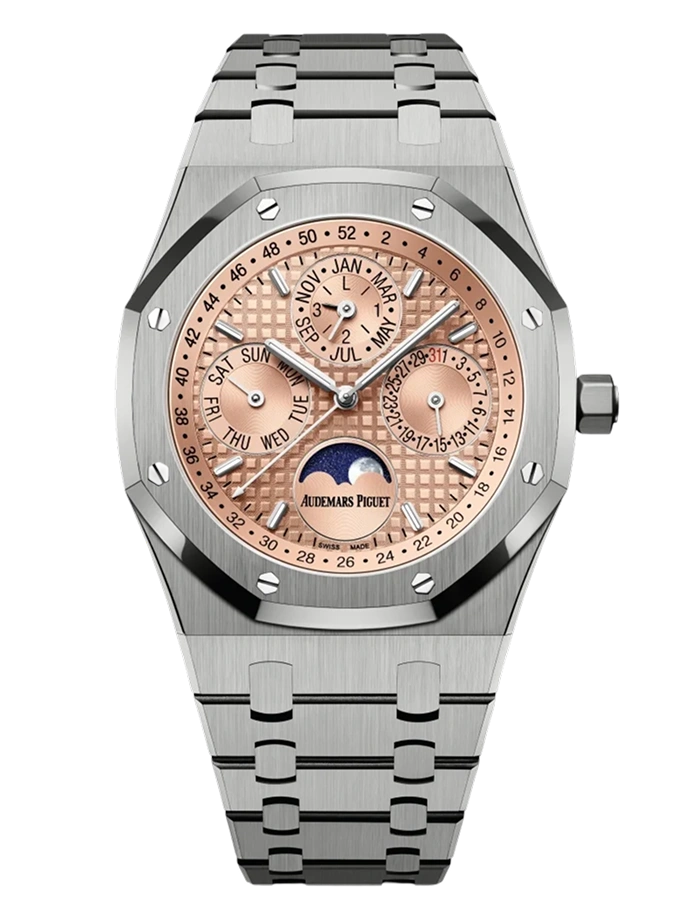
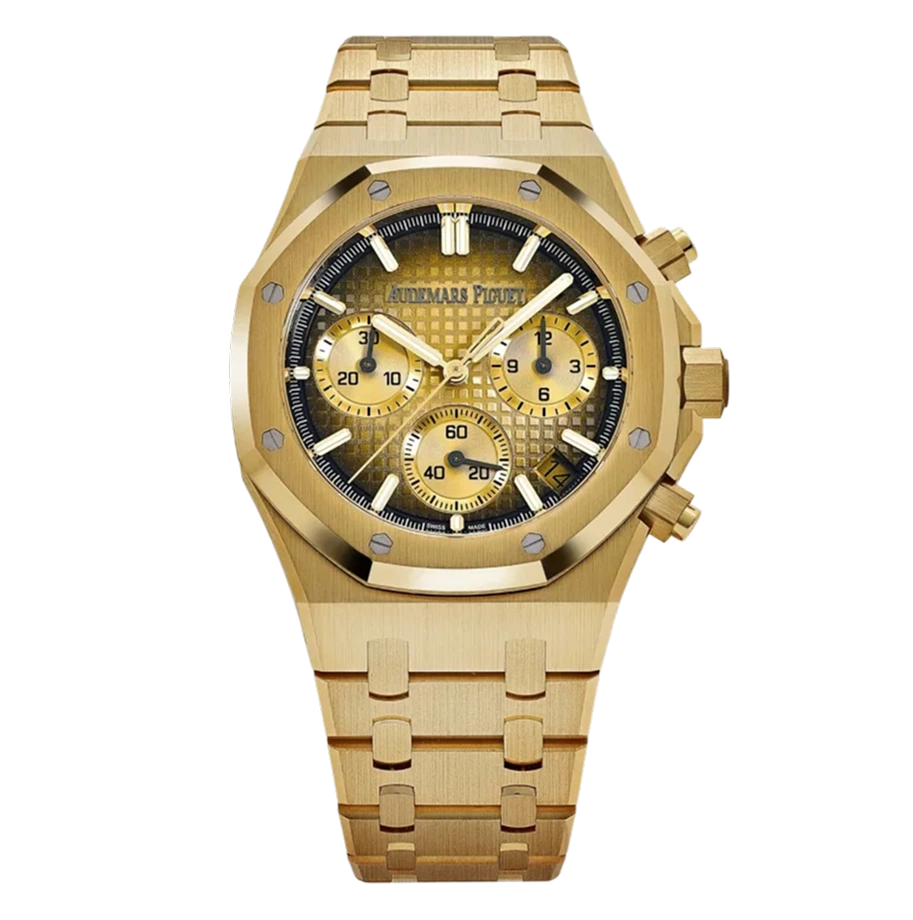
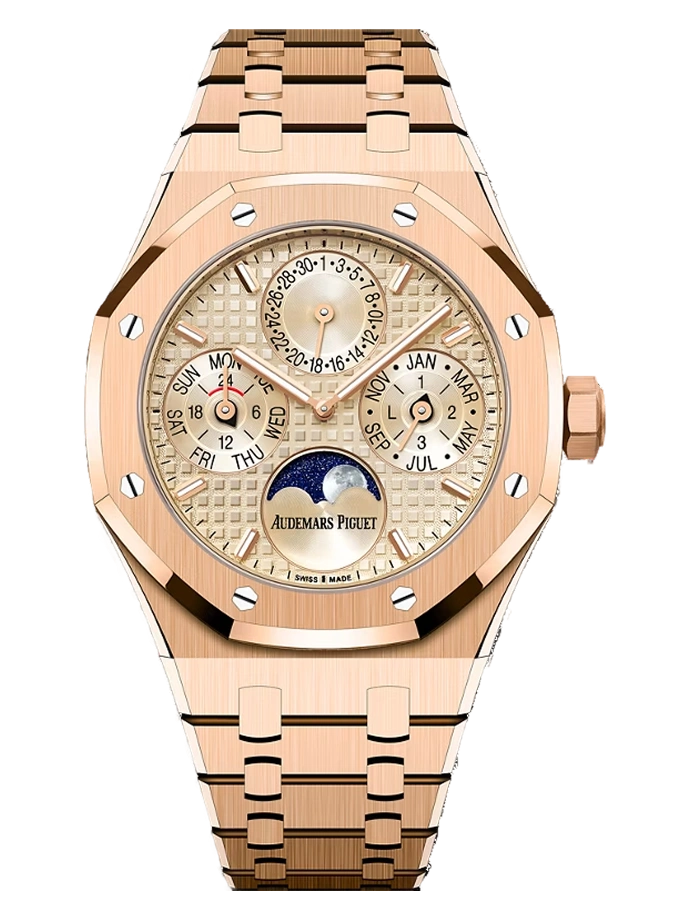
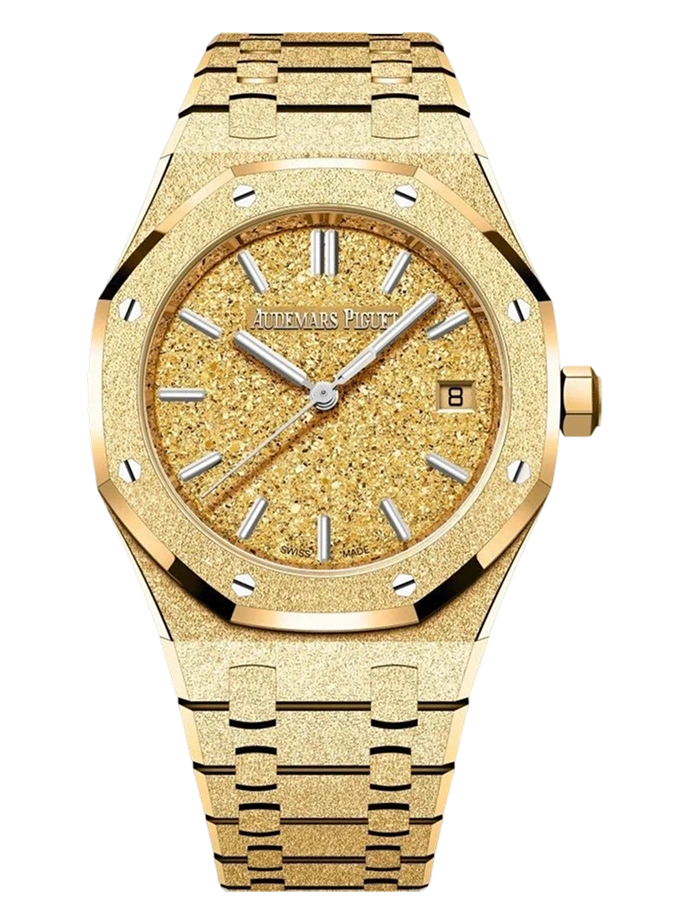
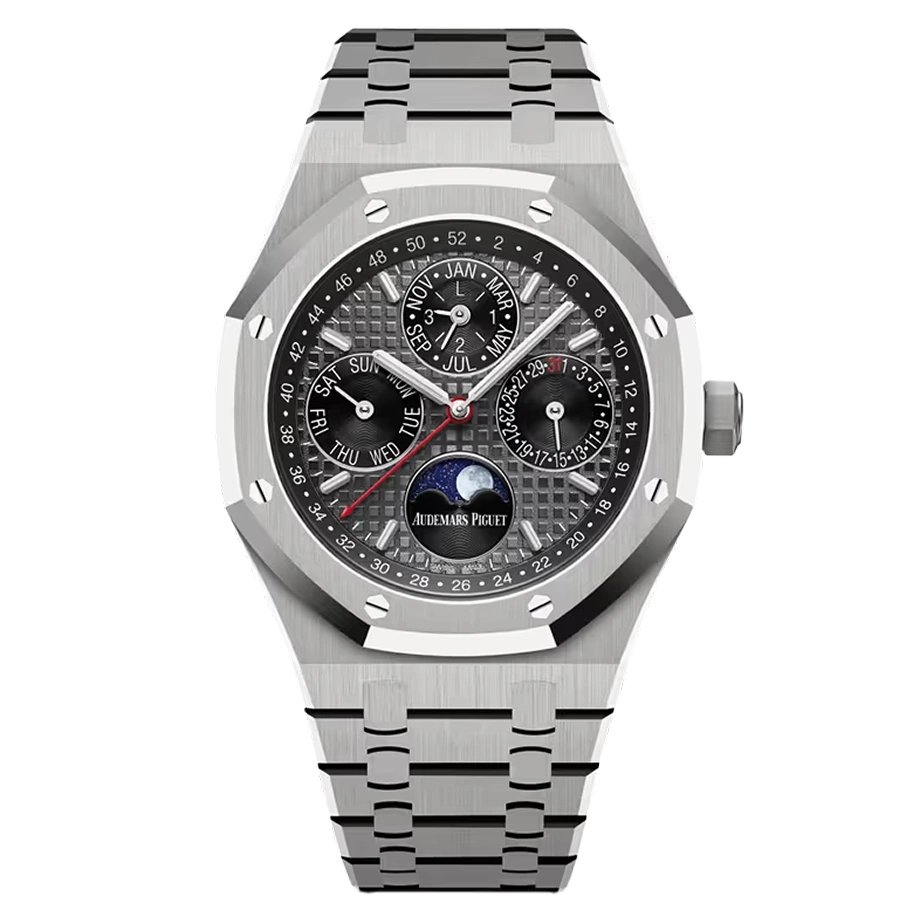
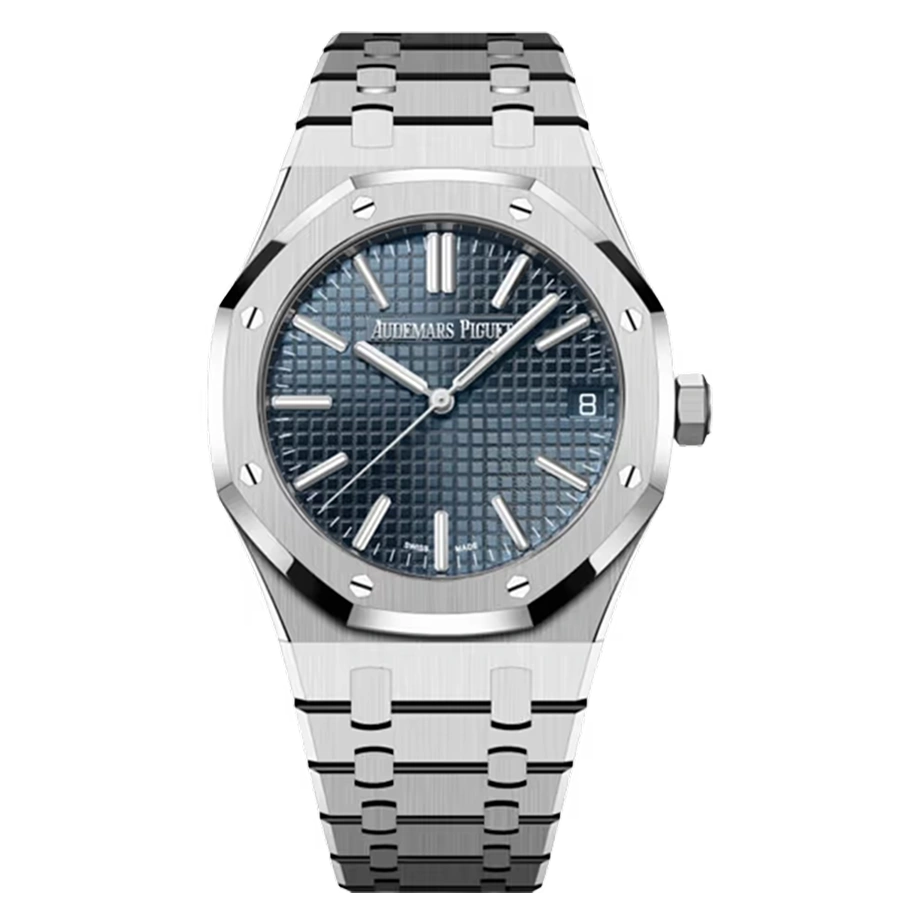
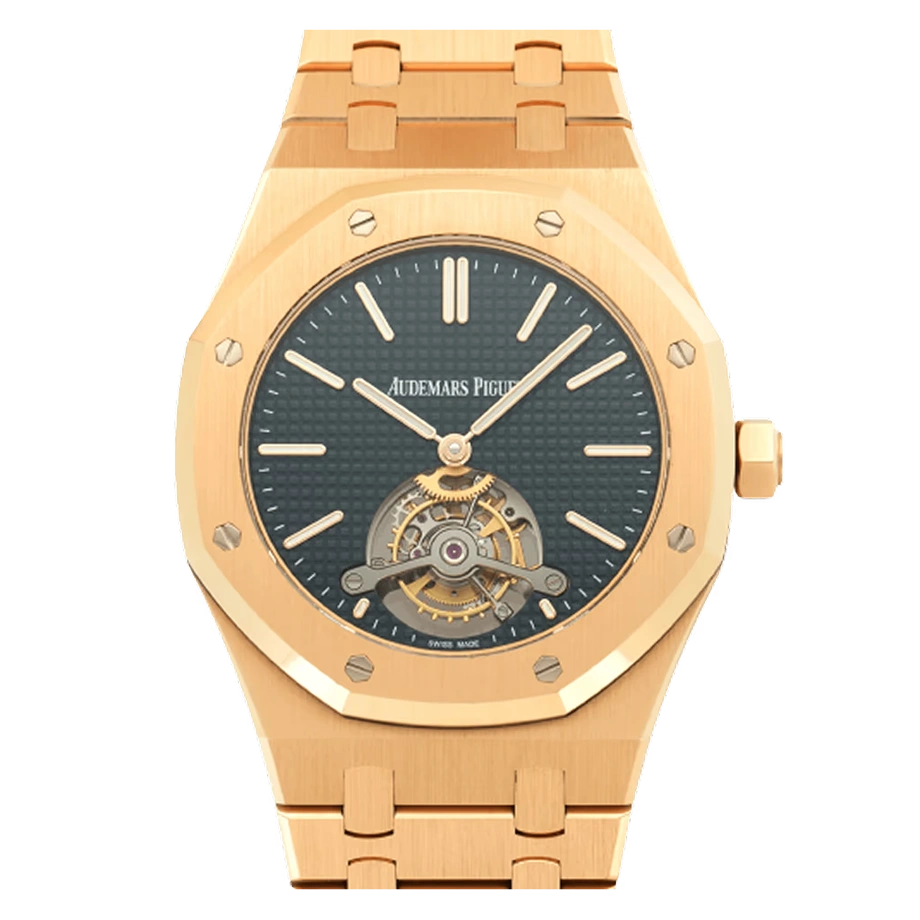
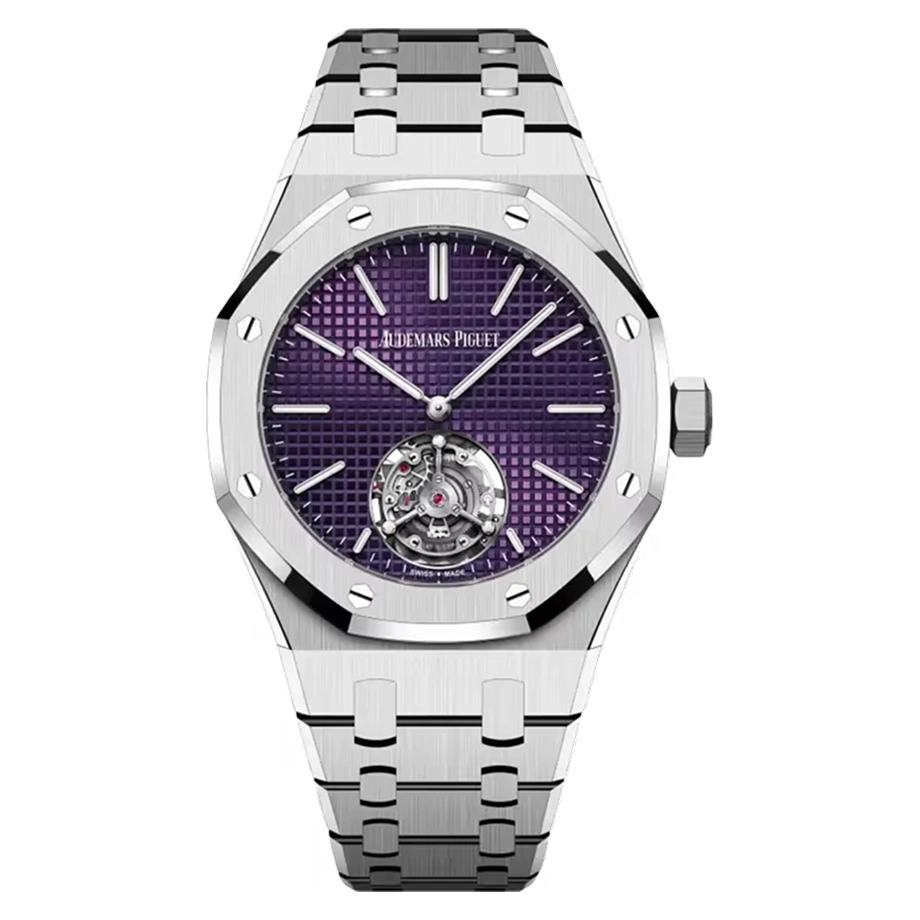
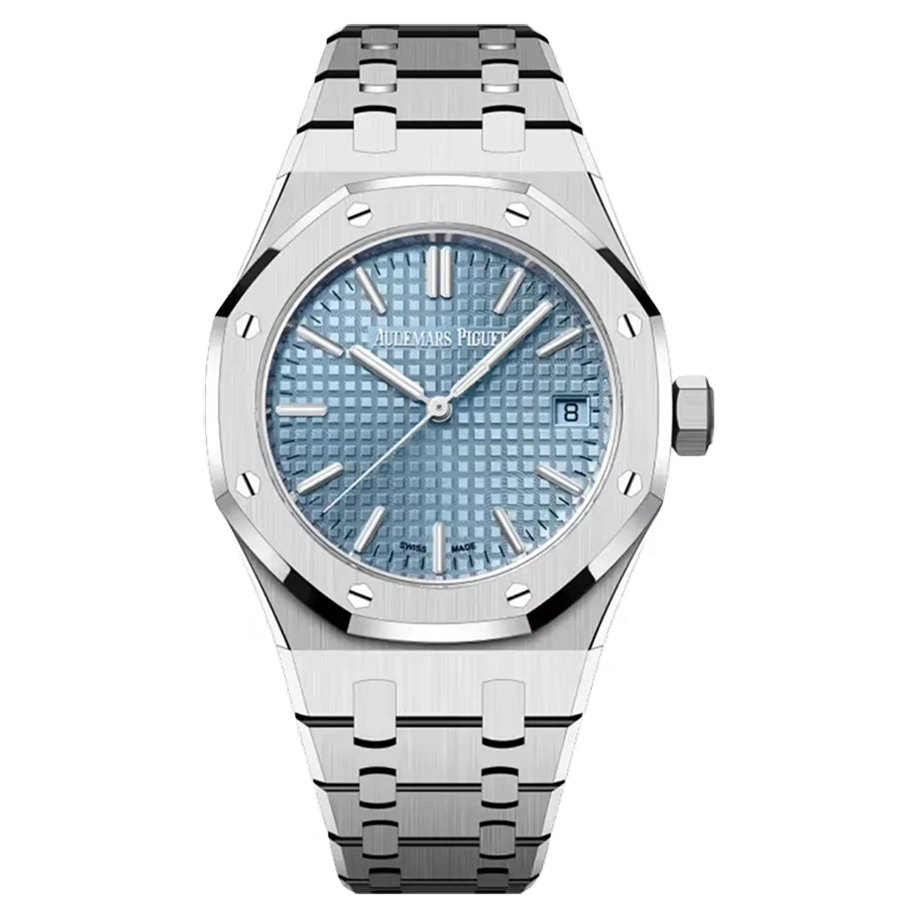
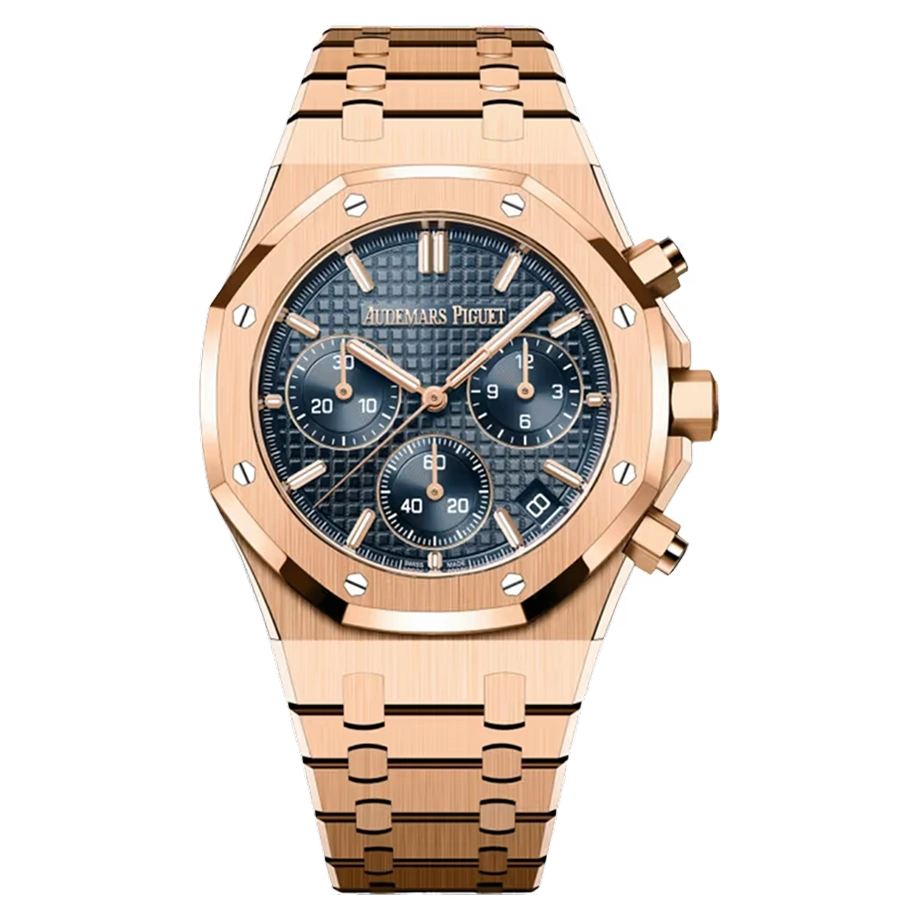
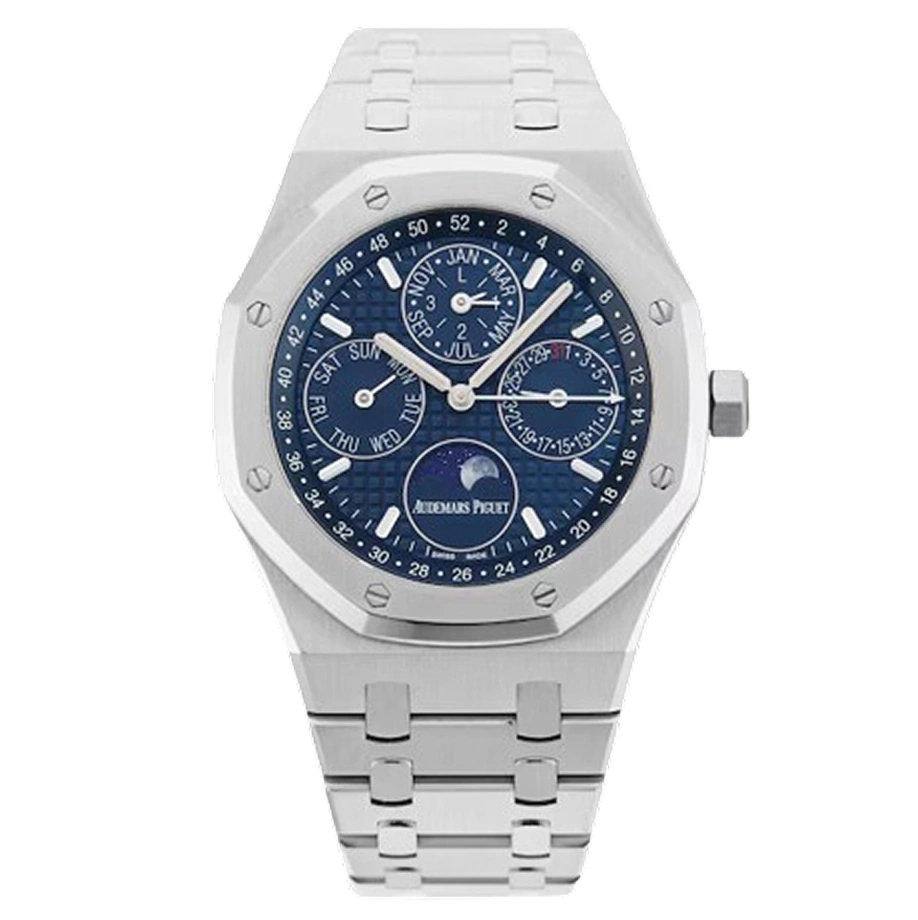
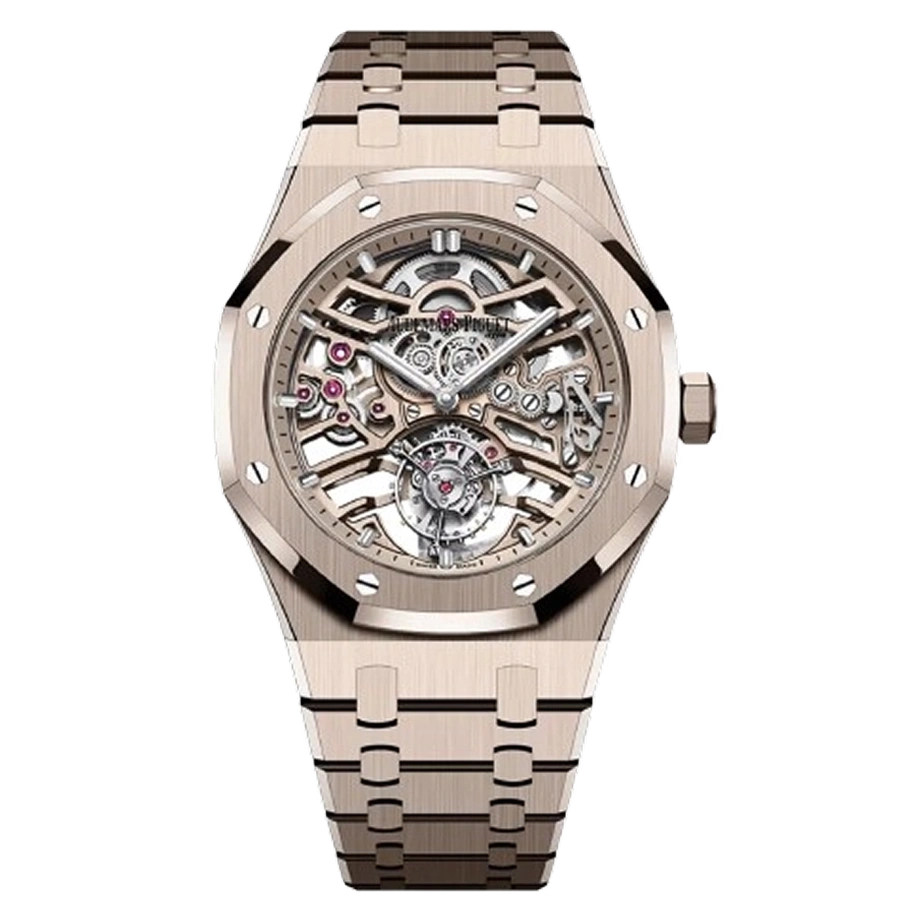
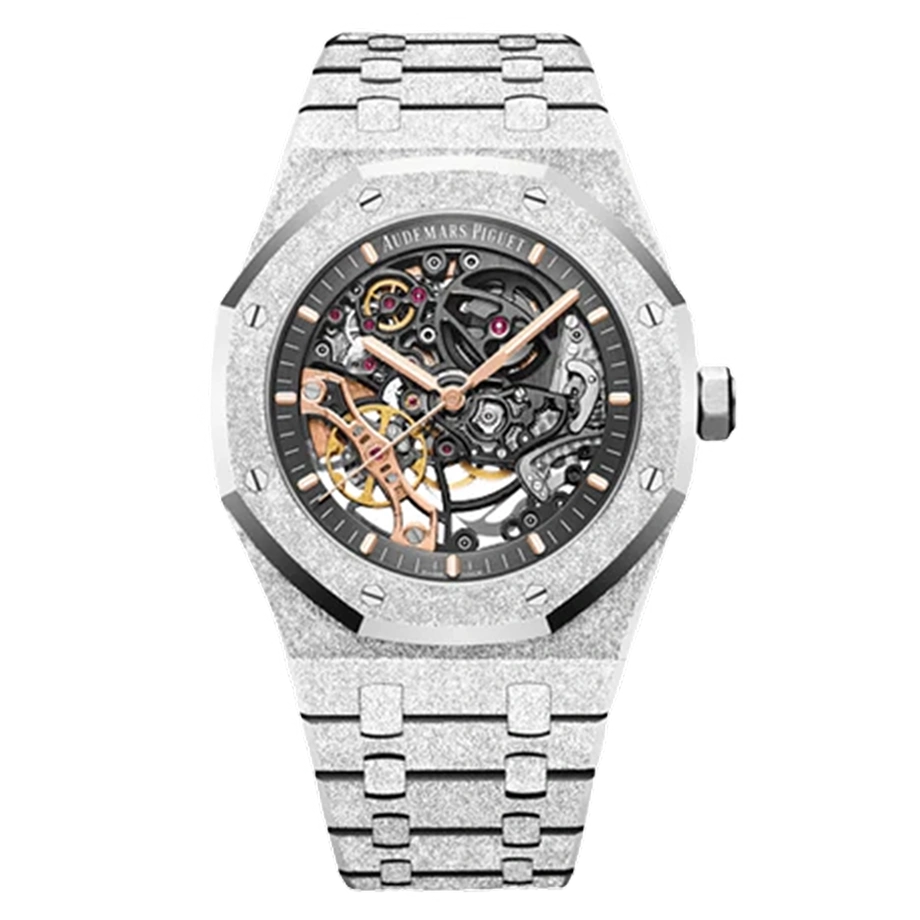
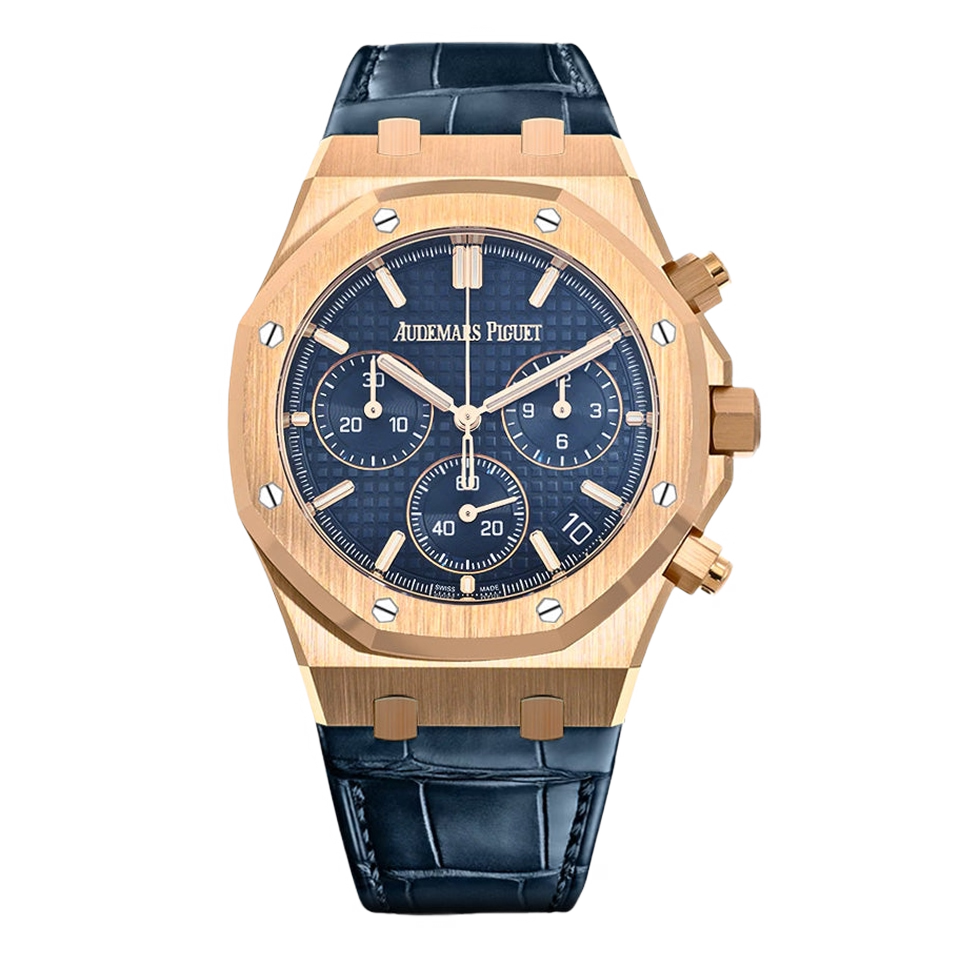
Take Audemars Piguet, for example. The Royal Oak “Jumbo” Ref. 15202OR and Royal Oak Chronograph Ref. 26331ST surpassed their estimates, but were the only two among six Royal Oak lots that managed to do so.
The message is clear: AP’s auction strength continues to lean heavily on its flagship model. In a market where collectors and bidders seem fixated on iconic status, AP looks top-heavy—its broader catalogue lacks the same auction gravity, for now.
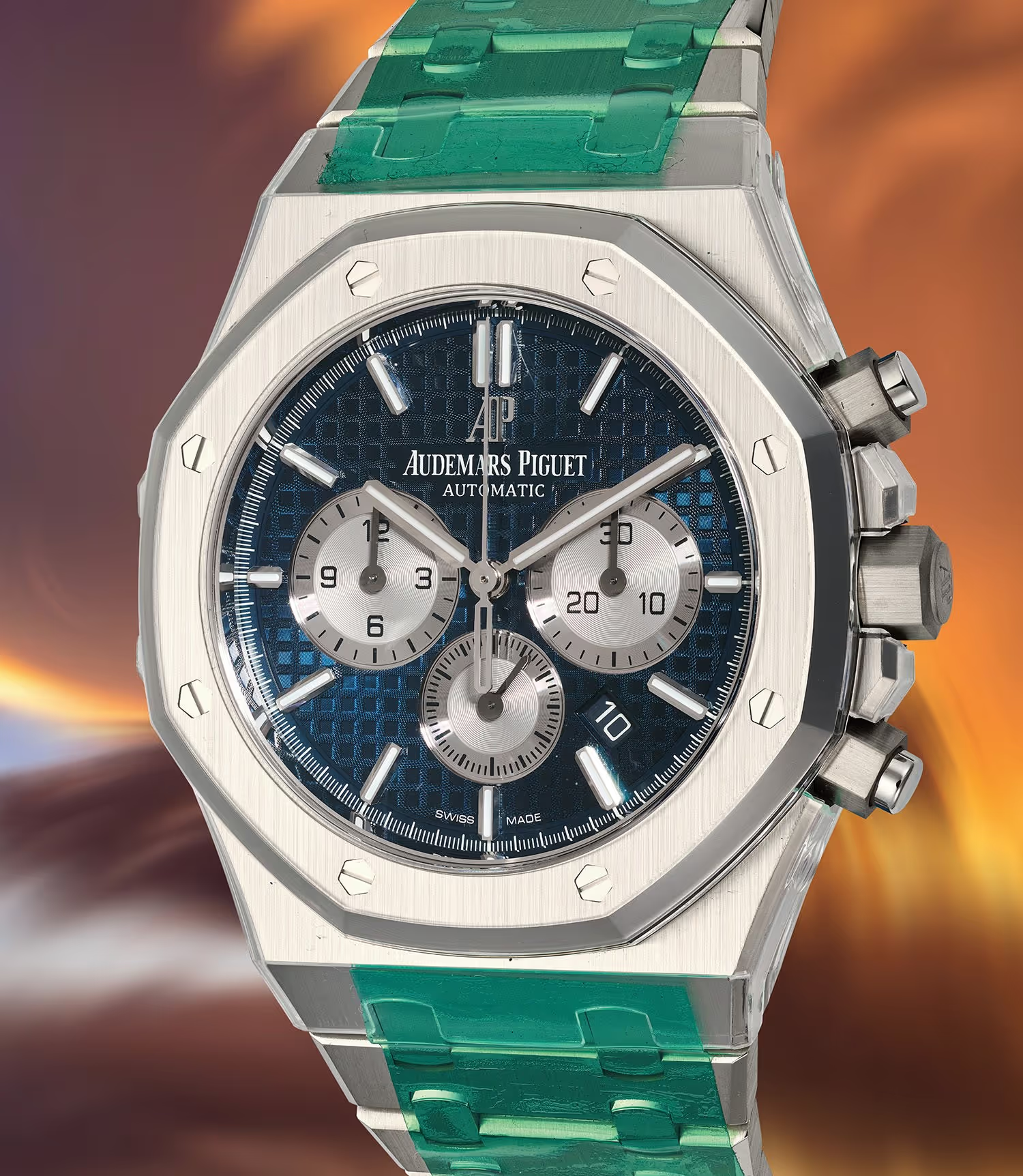
That is not necessarily a sign of weakness, but all icons gradually lose their lustre, and all brands are acutely aware of this fact.
The community is gradually becoming more accepting of the Code 11.59, but as is often the case in the watch world, growing a following takes time.
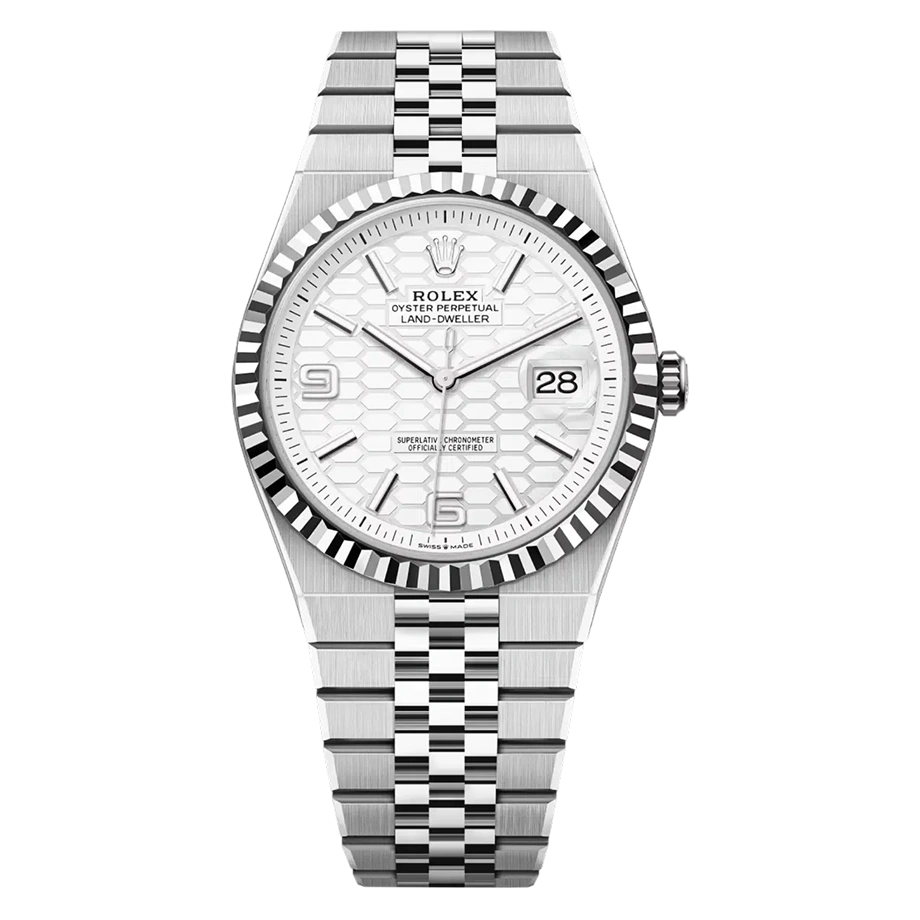
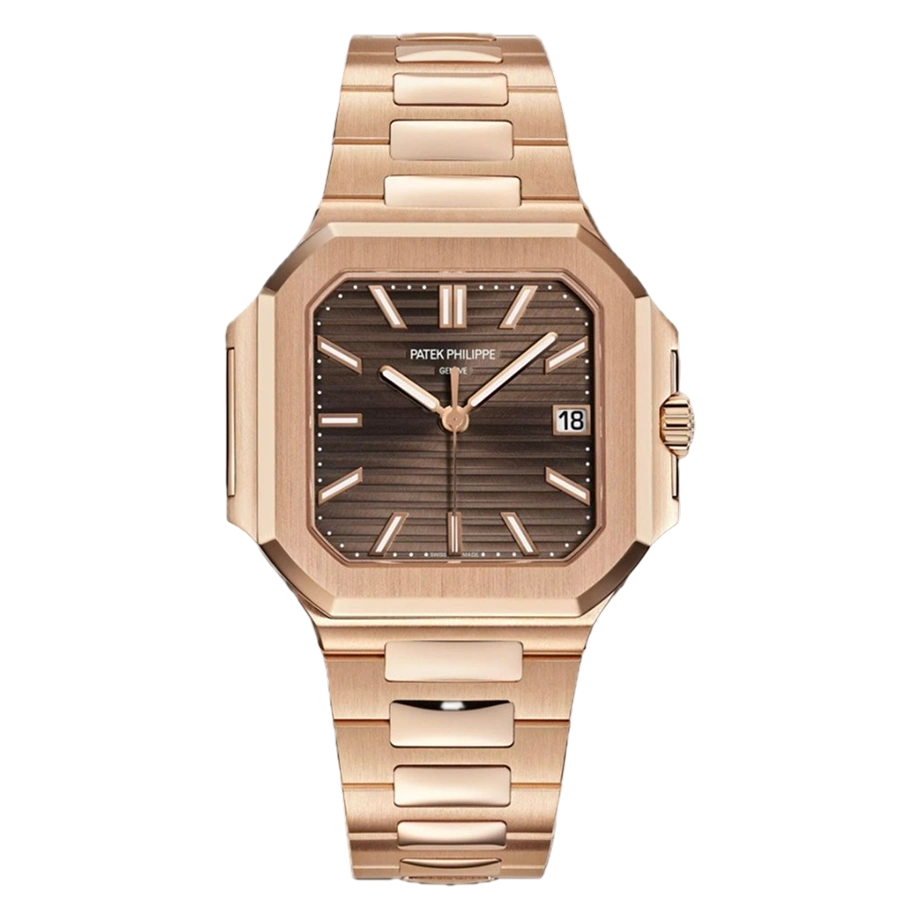
Credit where credit is due: AP has persevered to cement the Code 11.59 as a prestigious new-generation icon, but it doesn’t yet enjoy the same acclaim as younger icons like Patek Philippe’s Cubitus and Rolex’s Land-Dweller.
It's worth noting that the highly complicated Audemars Piguet 'Grosse Pièce' hammered at a Sotheby’s auction for US$7,736,000 this past week—making it the most expensive AP ever sold—but alas, its final bid was cast by the brand itself.
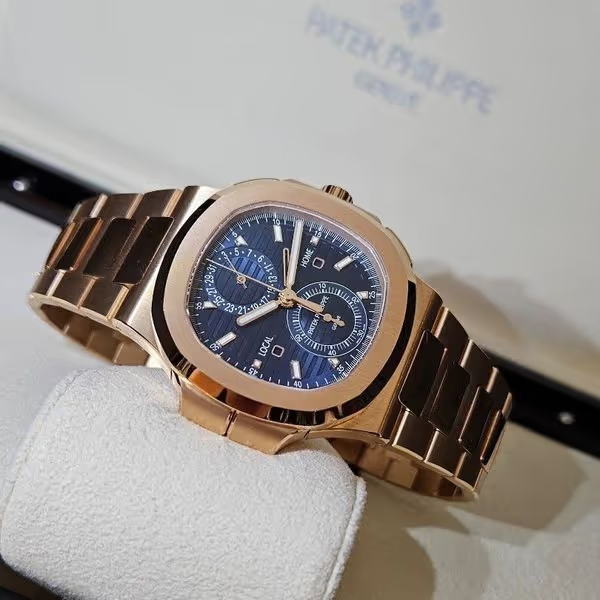
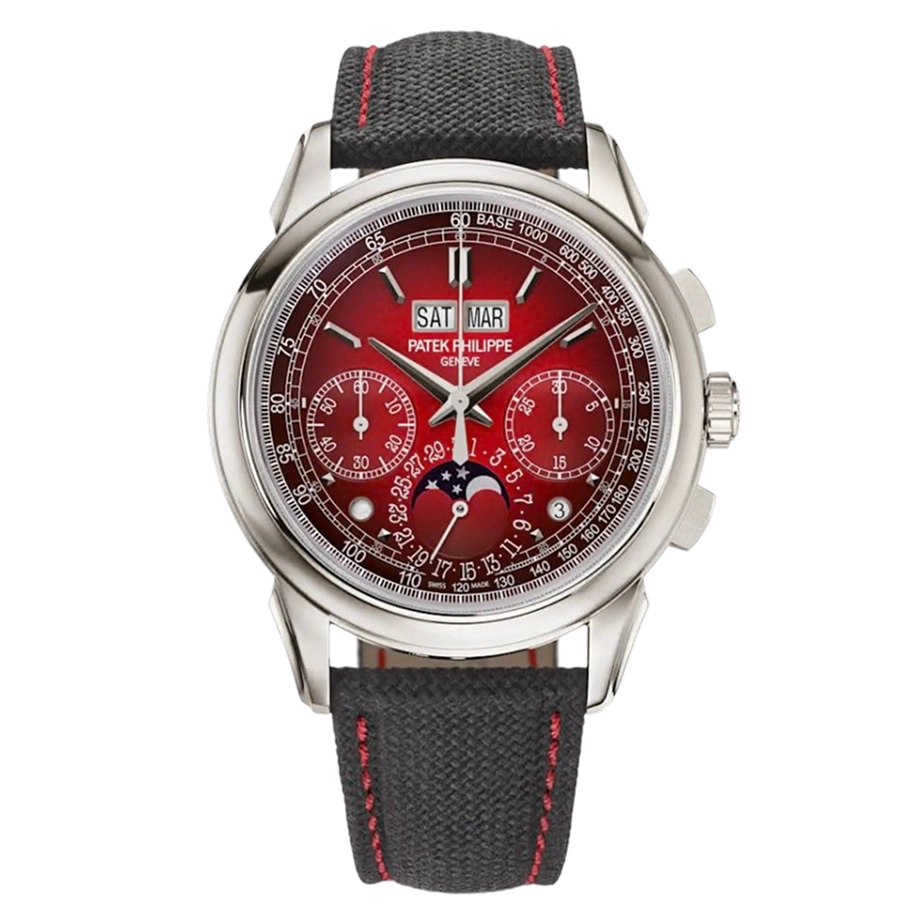
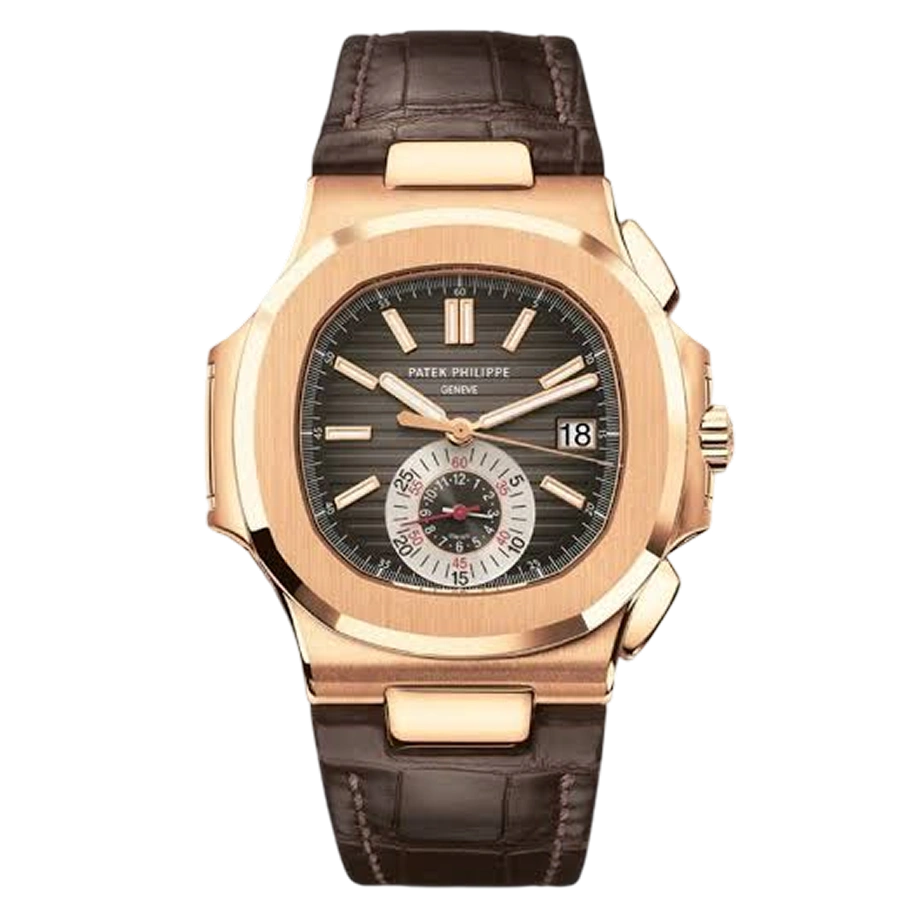
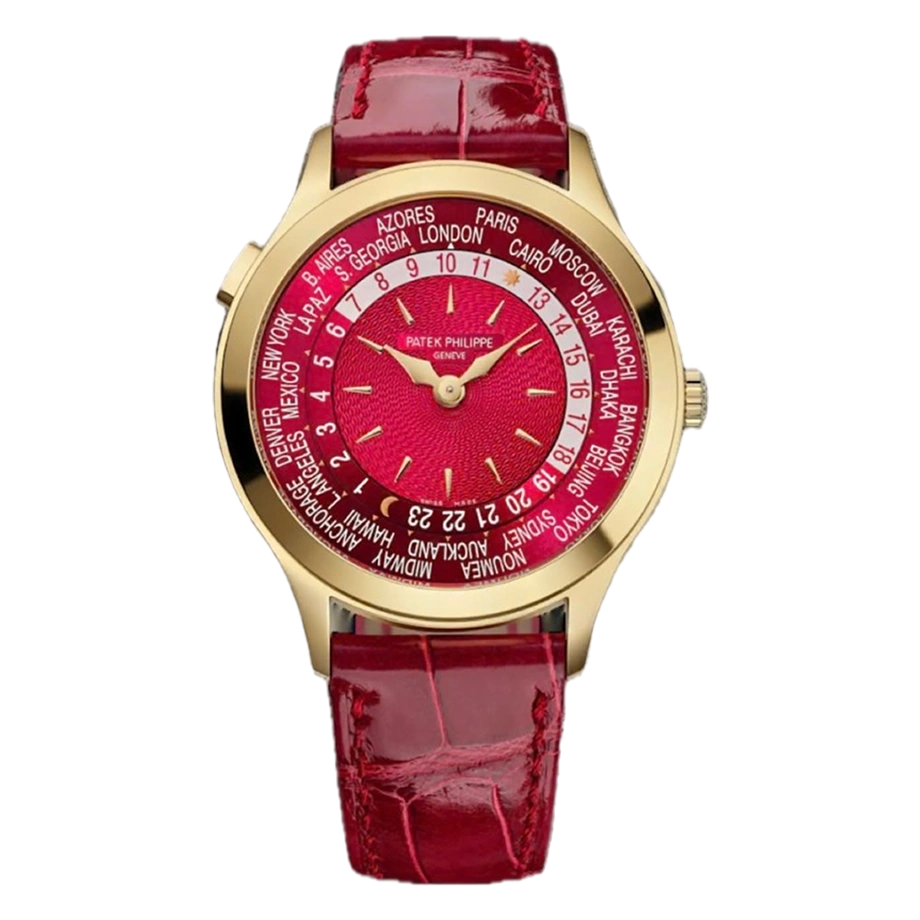
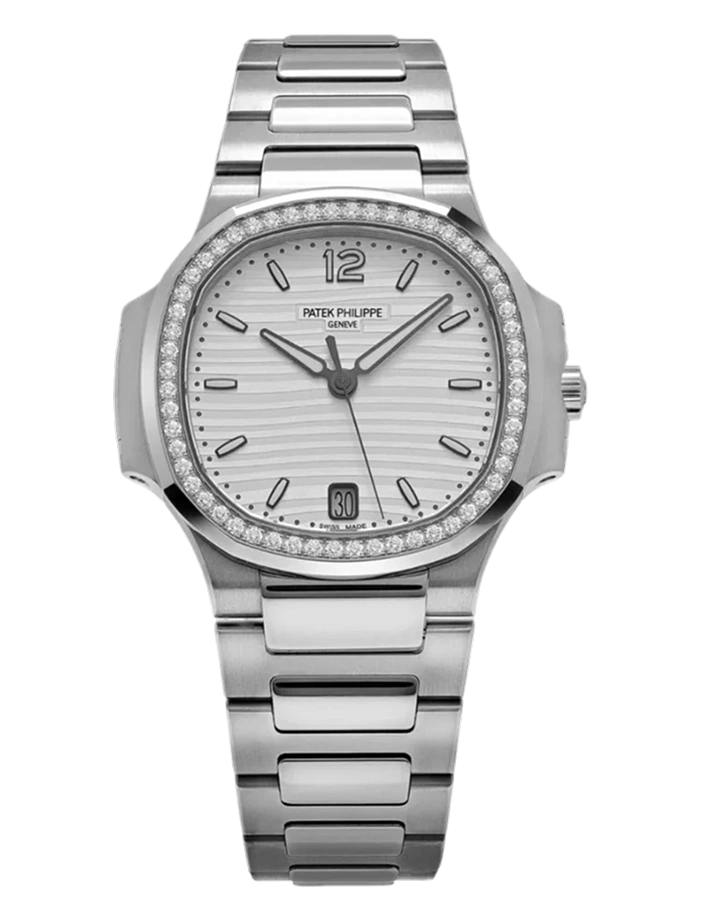
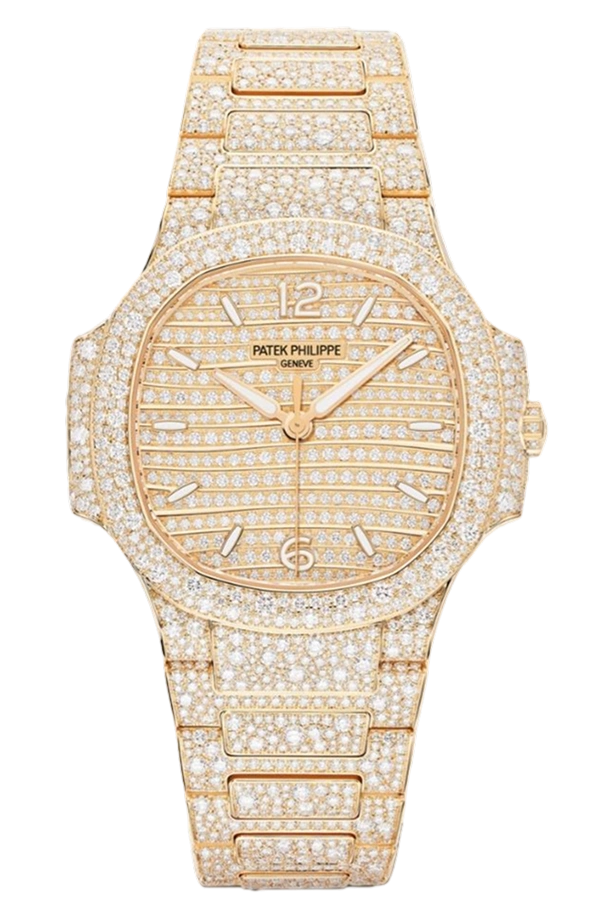
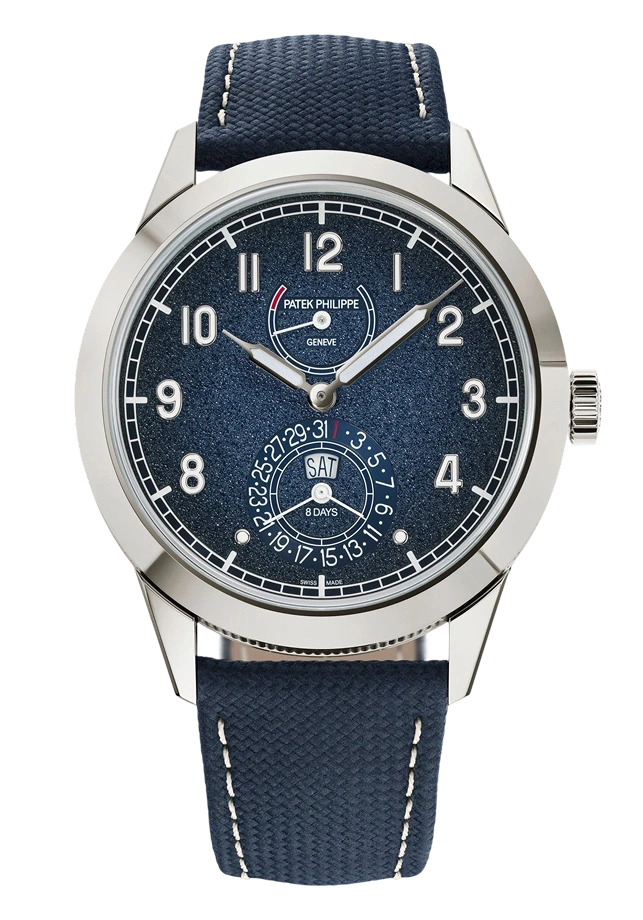
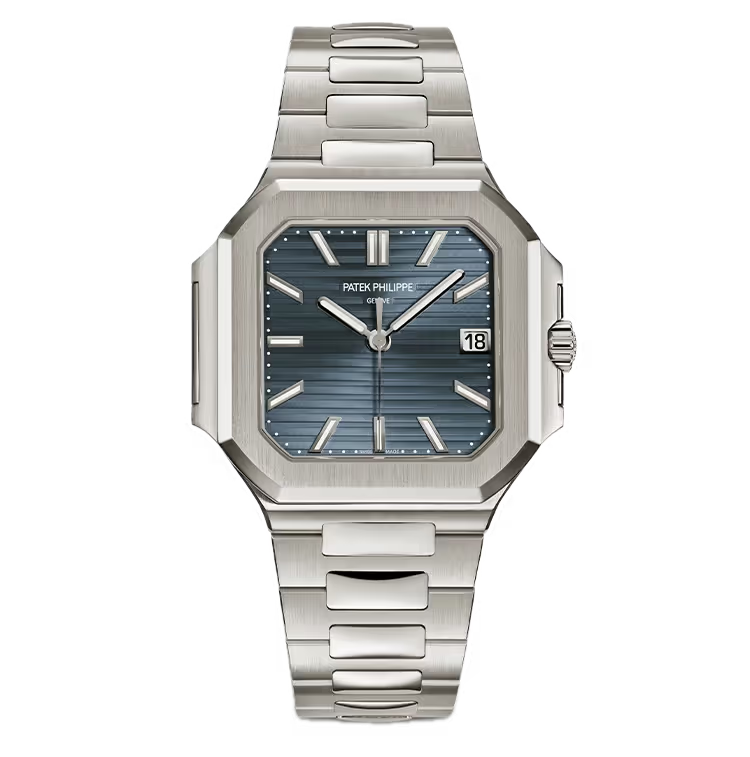
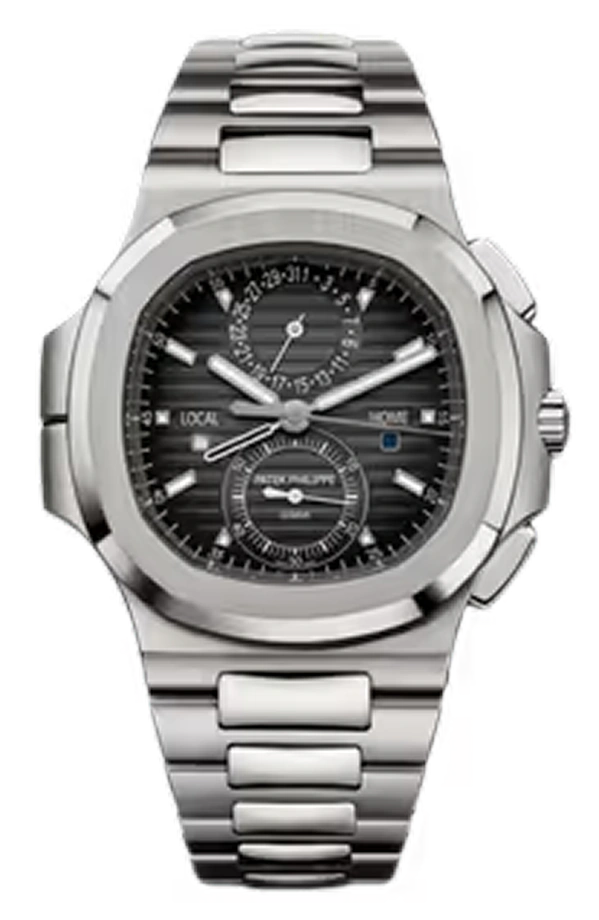
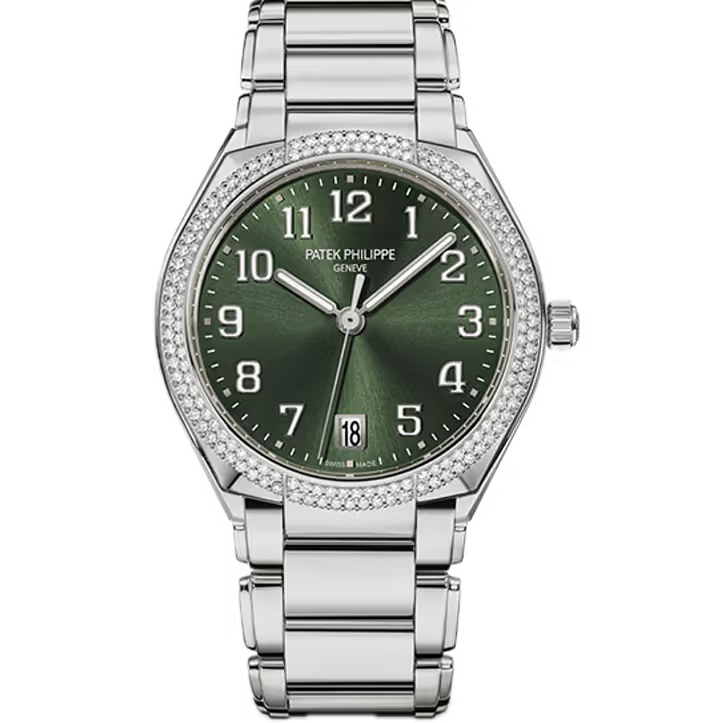
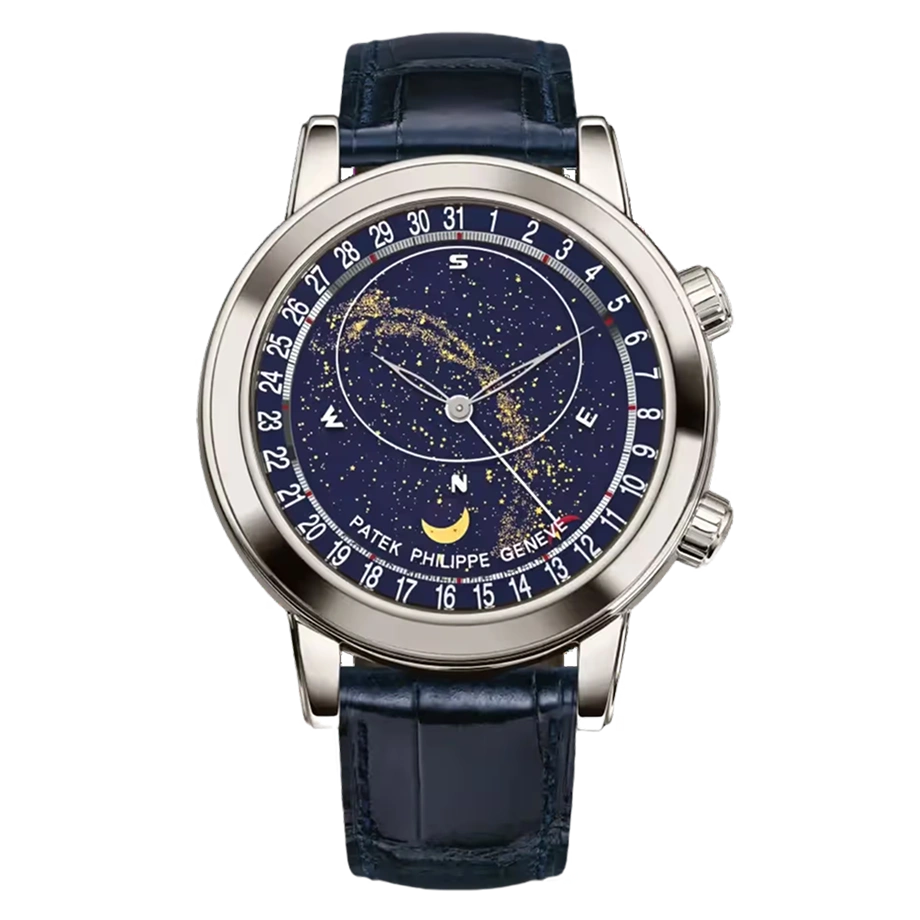
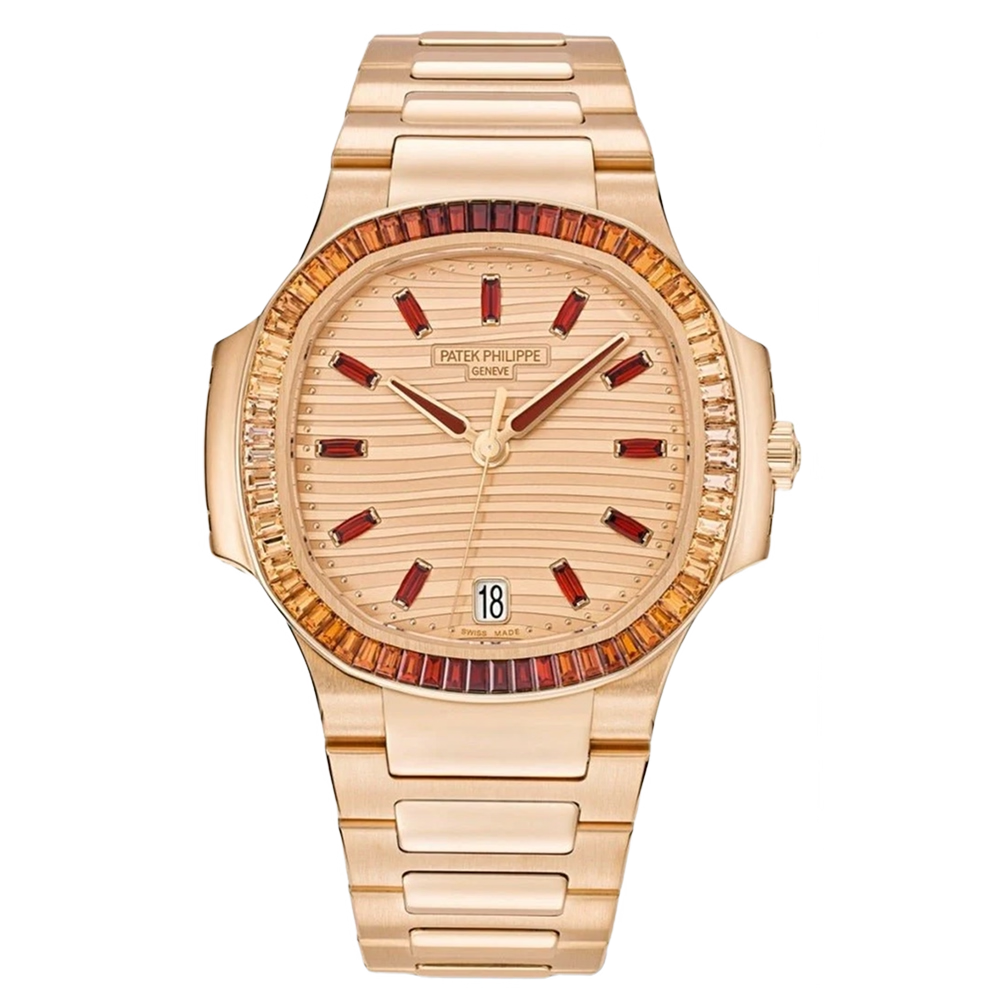
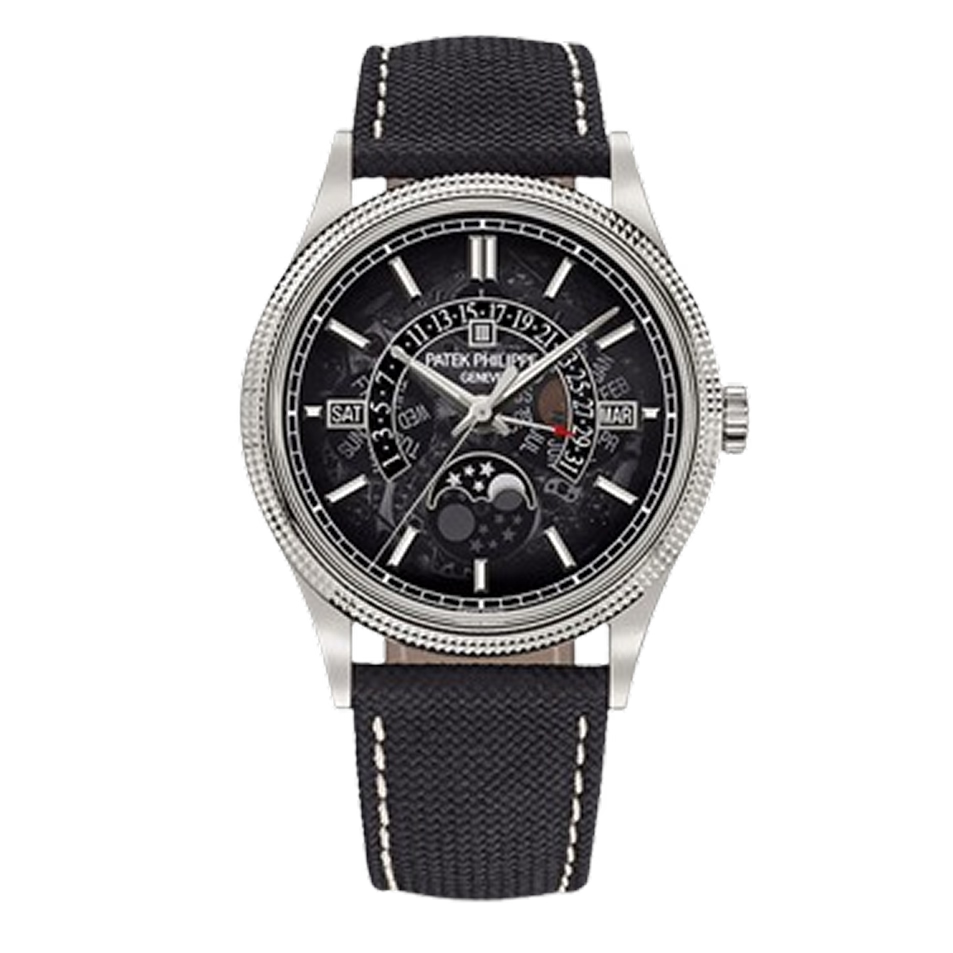
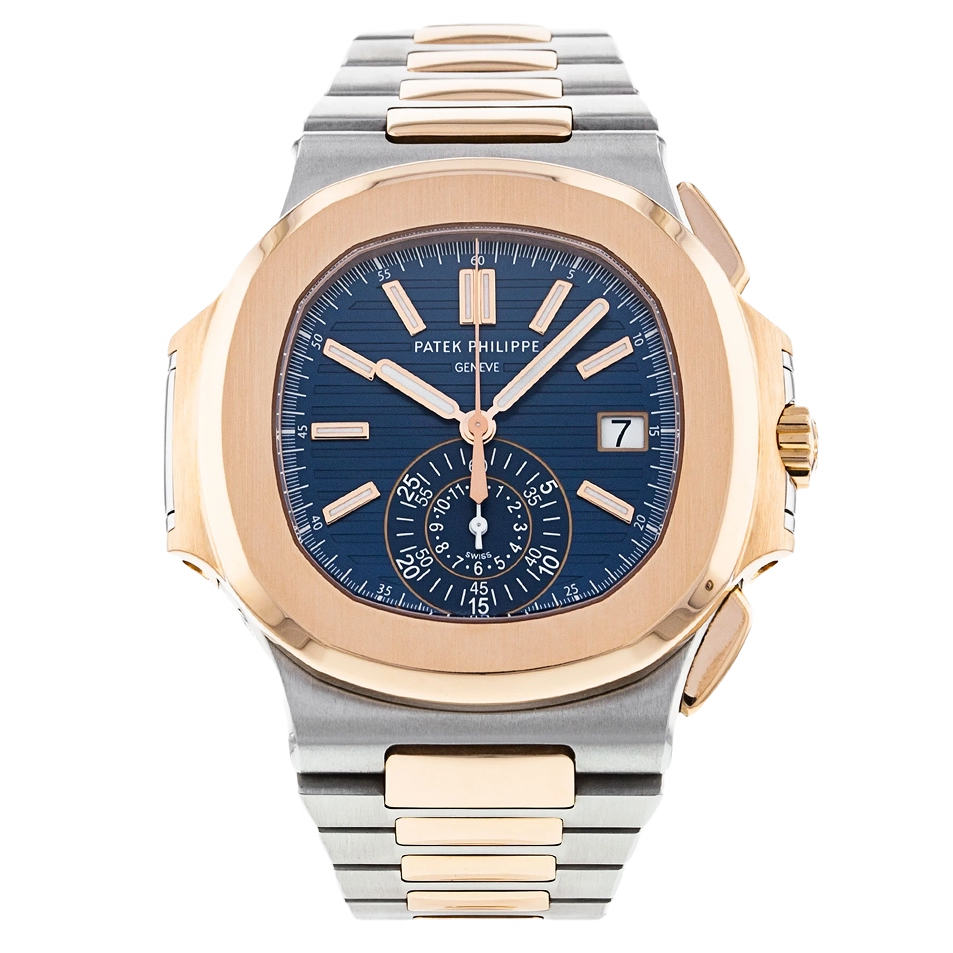
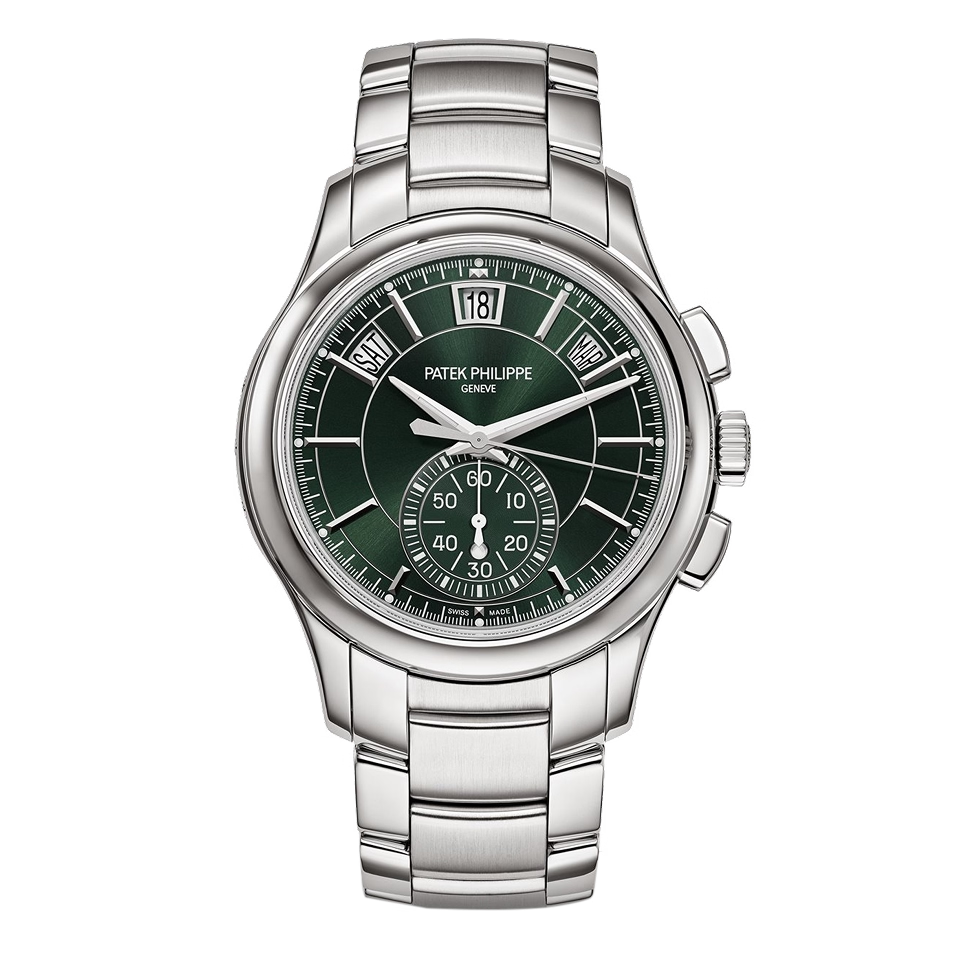
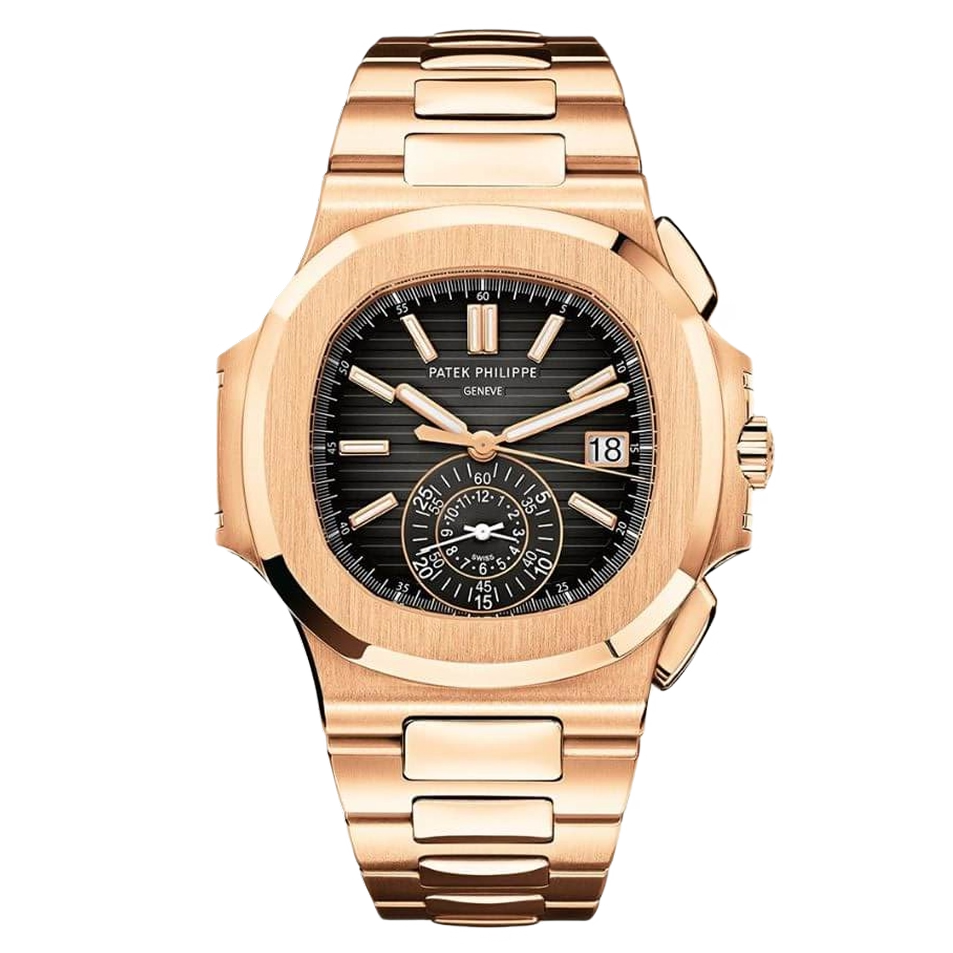
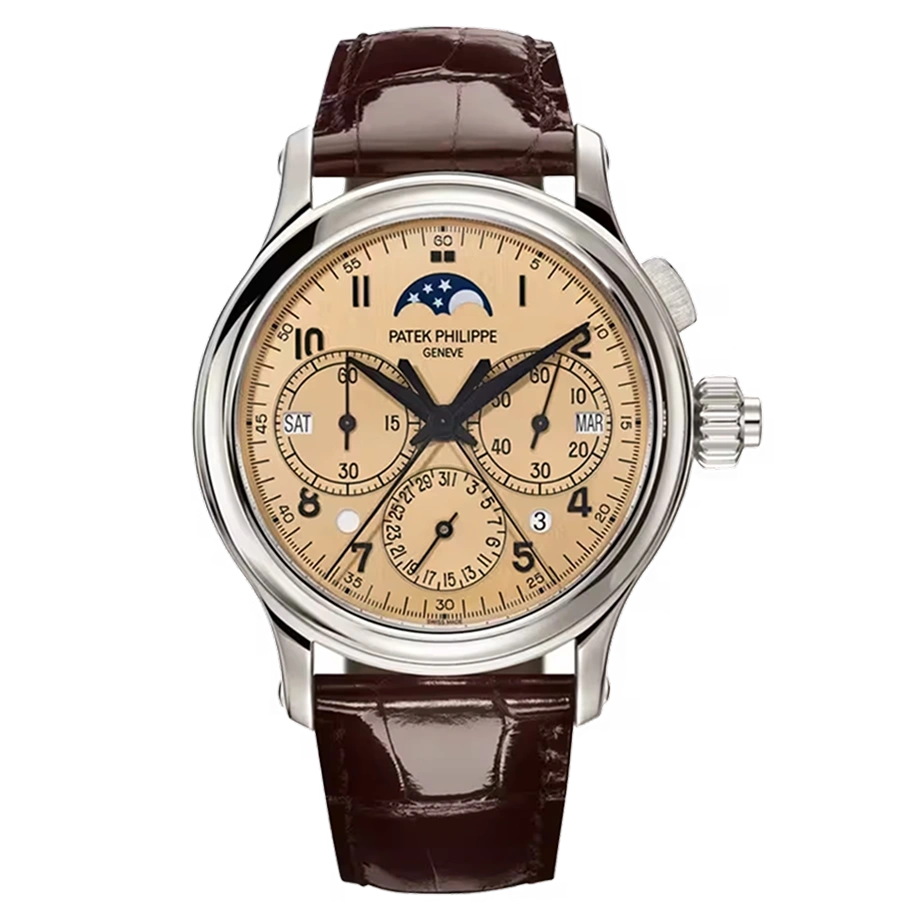
Meanwhile, Patek Philippe—long considered the gold standard of fine watchmaking—delivered a mixed performance. Highly sought-after classics like the Refs. 5990, 5711, 5070, 5160, 5004J and 1463 did swimmingly, especially the 3940J that tripled its upper estimate. Yet many other Patek submissions barely outperformed low or mid-estimates, suggesting an increasingly selective demand. The lesson here: Patek’s brand equity holds strong, but only for the “right” references. For other pieces, even with the Patek name, auction bids reflect some level of caution rather than fervour.
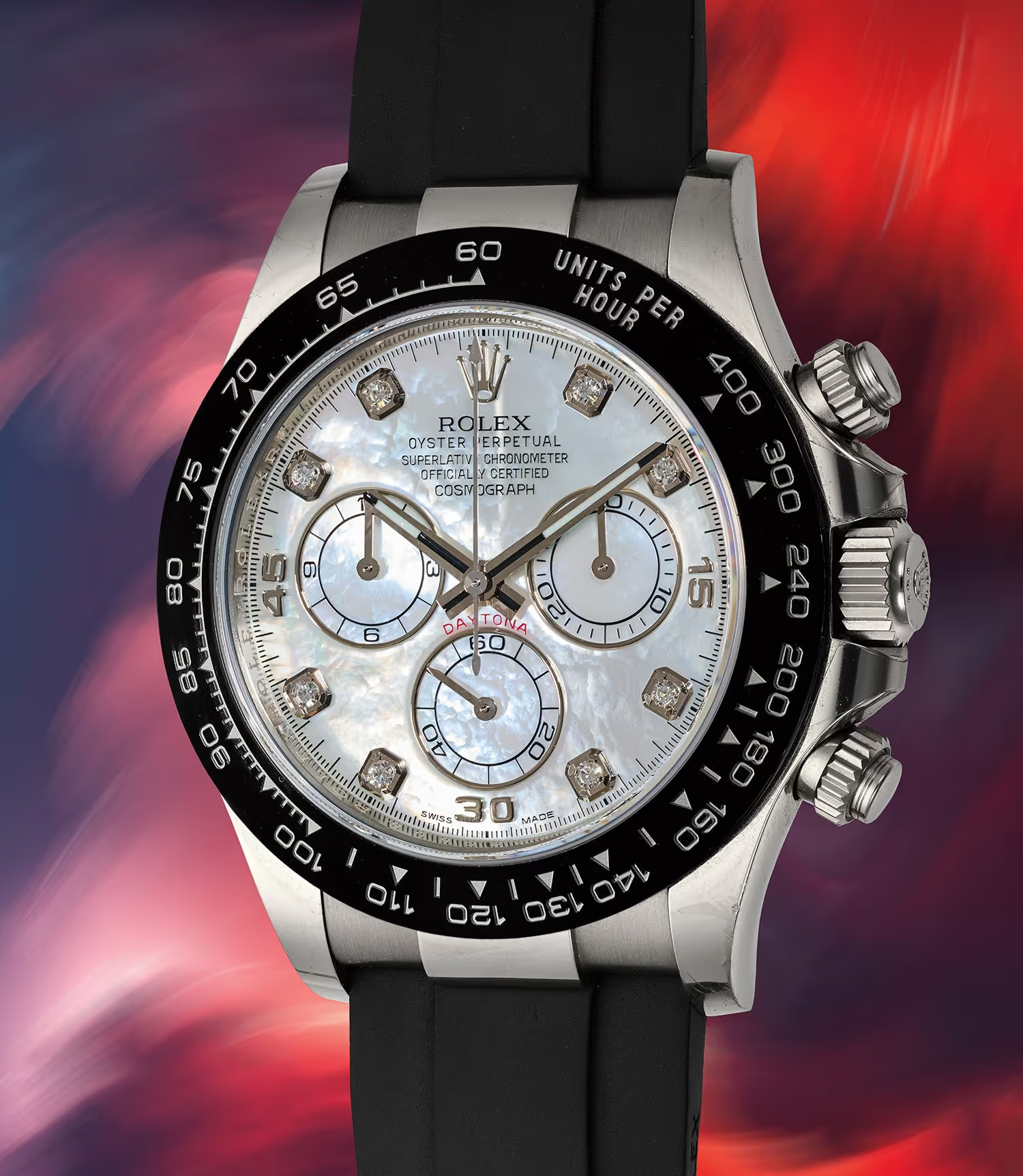
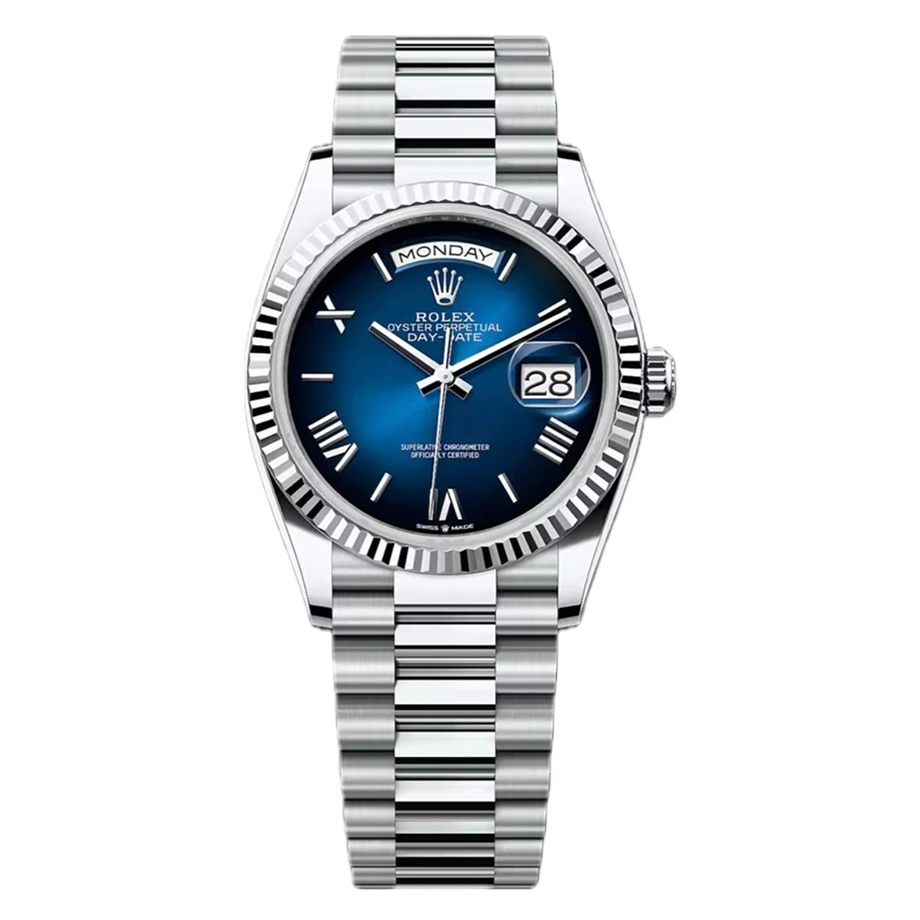
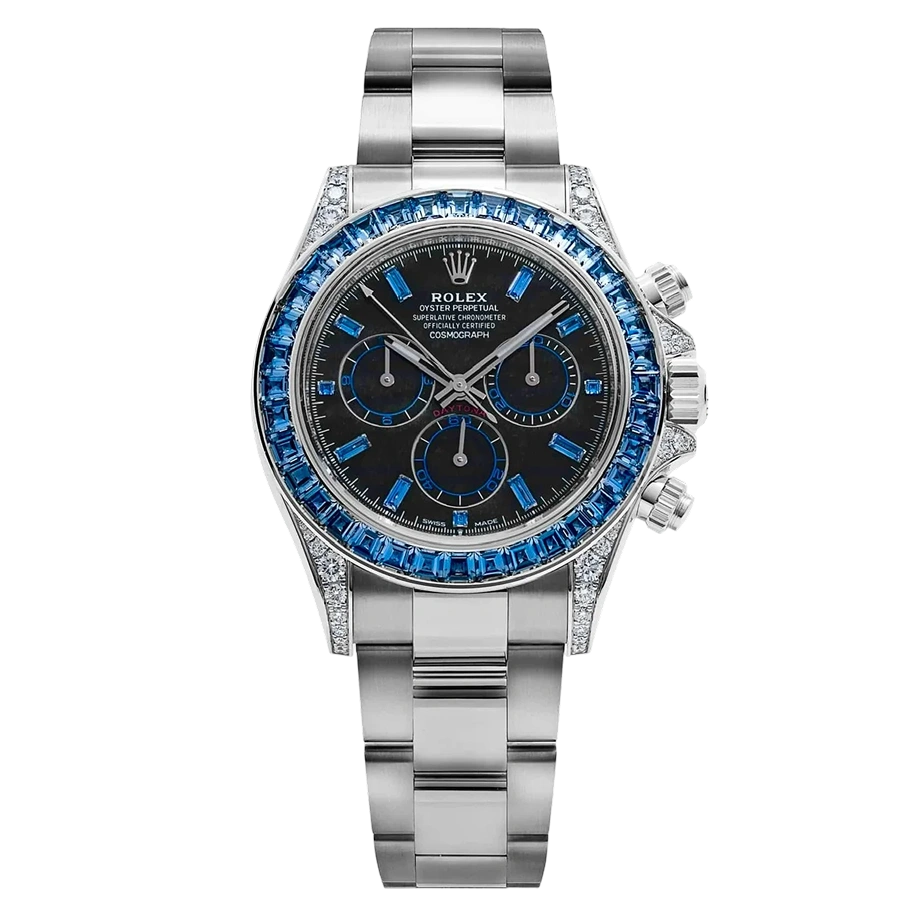
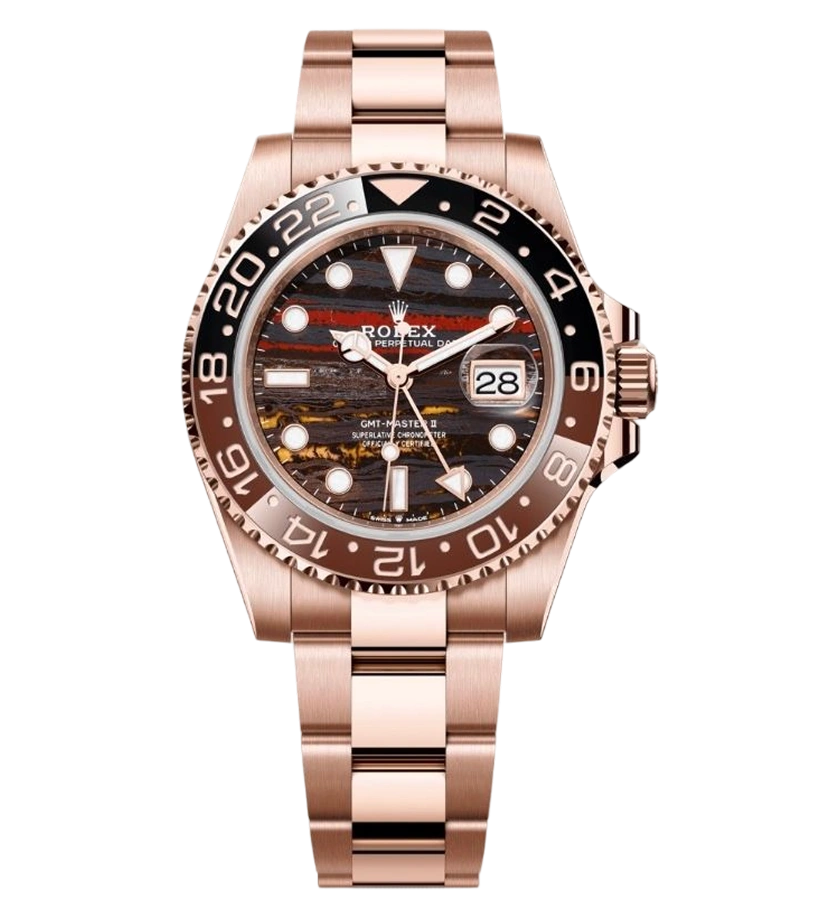
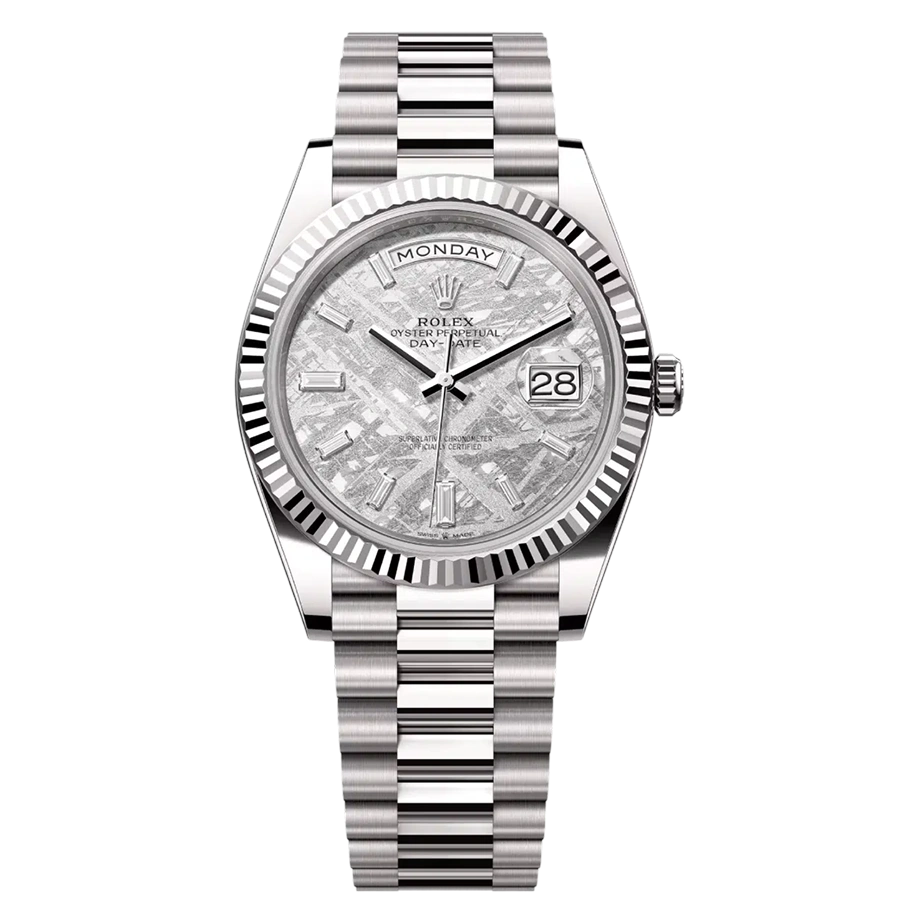
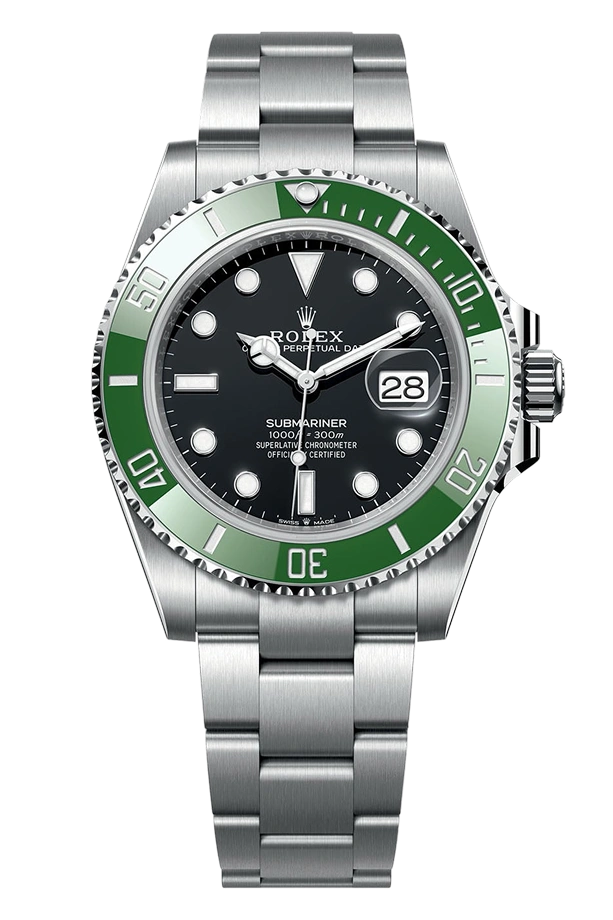
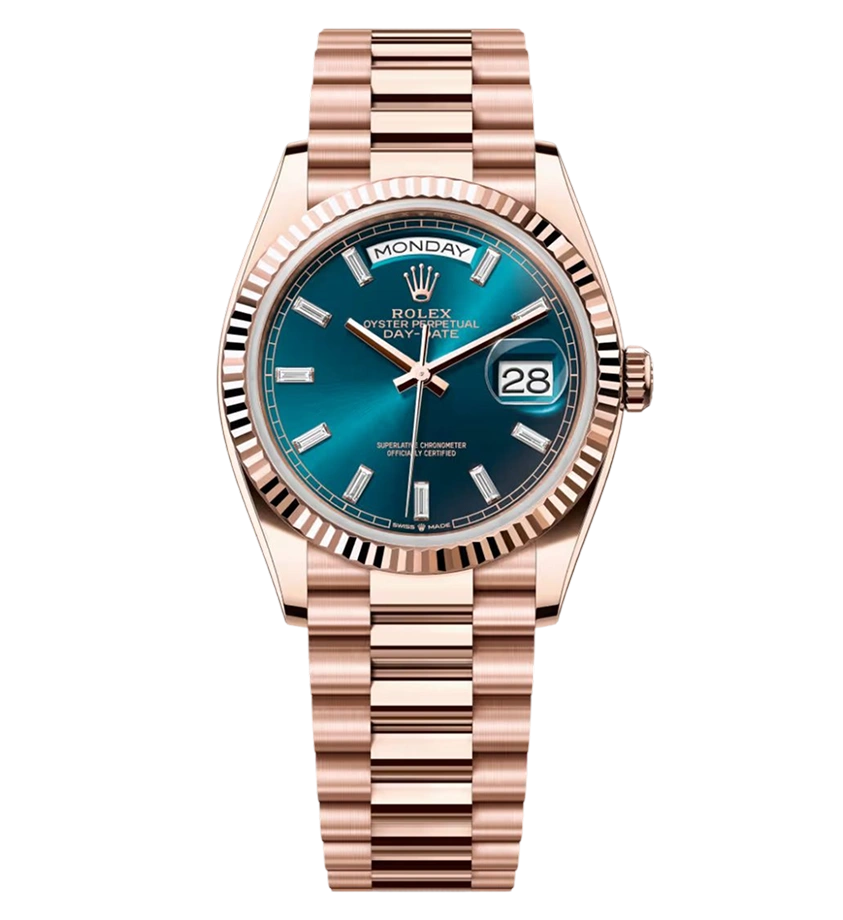
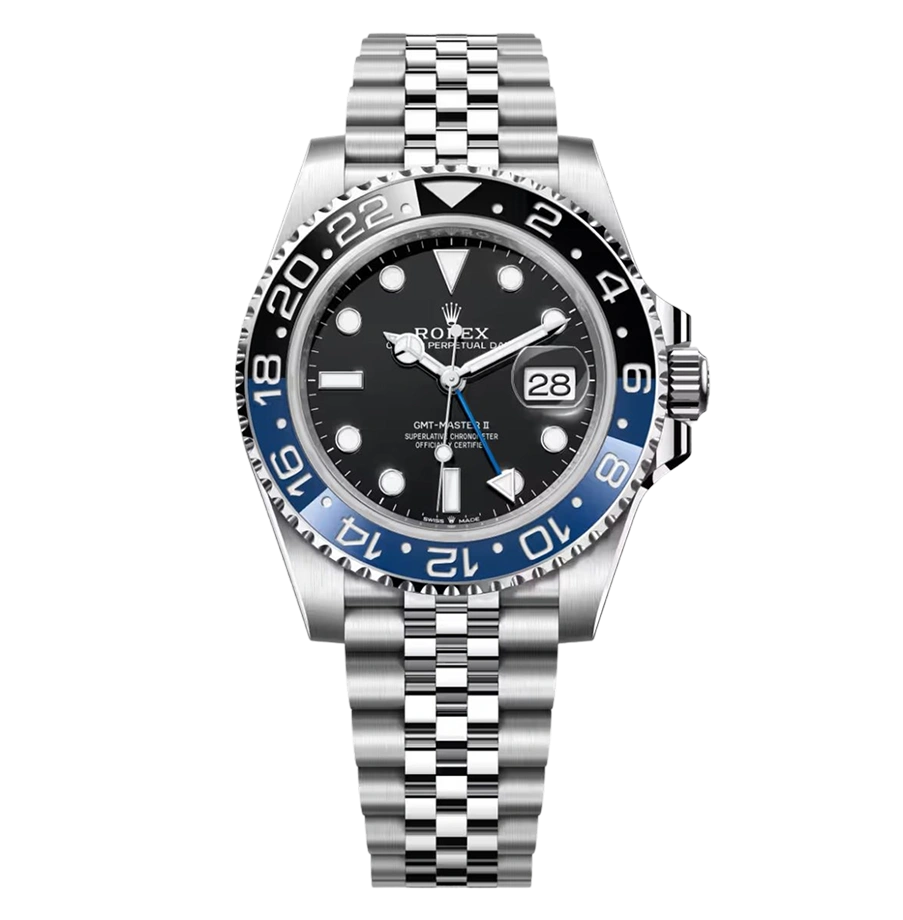
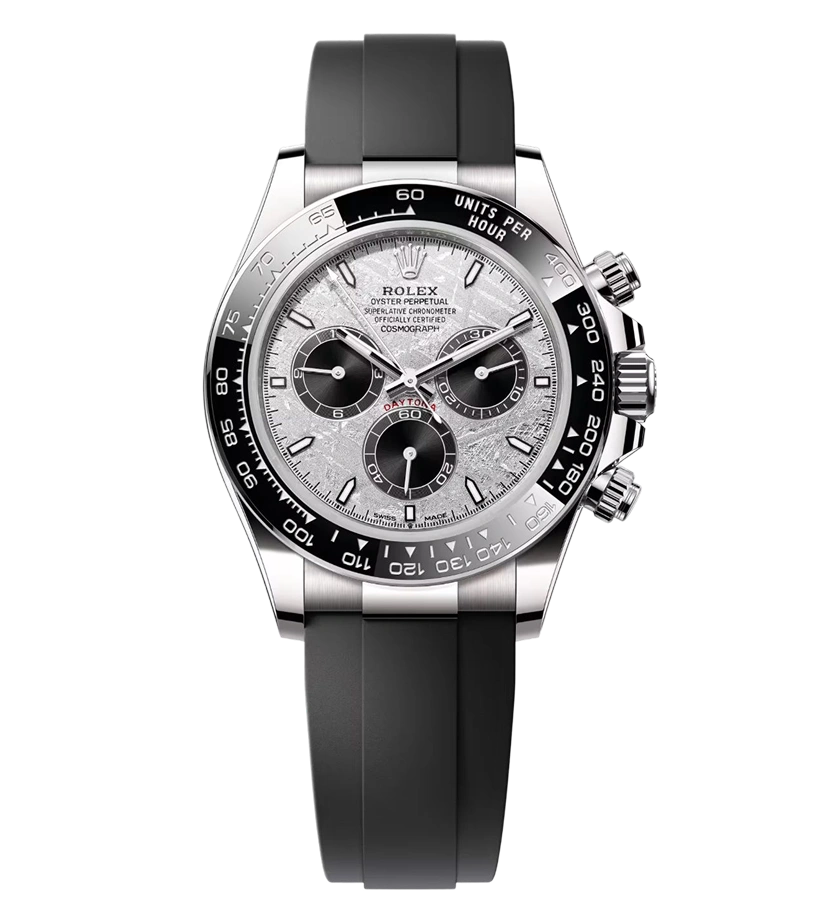
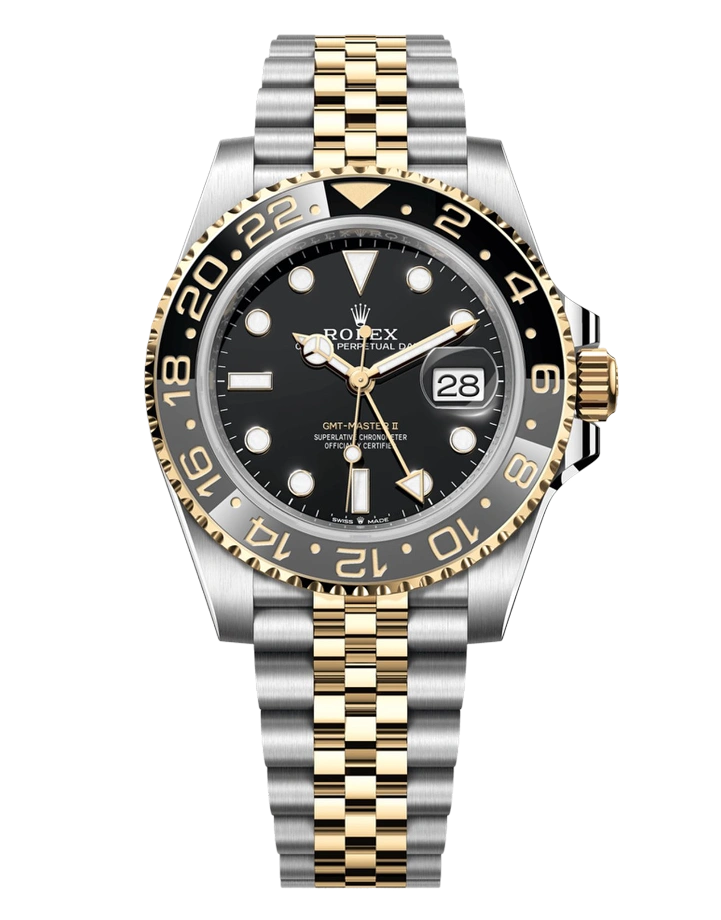
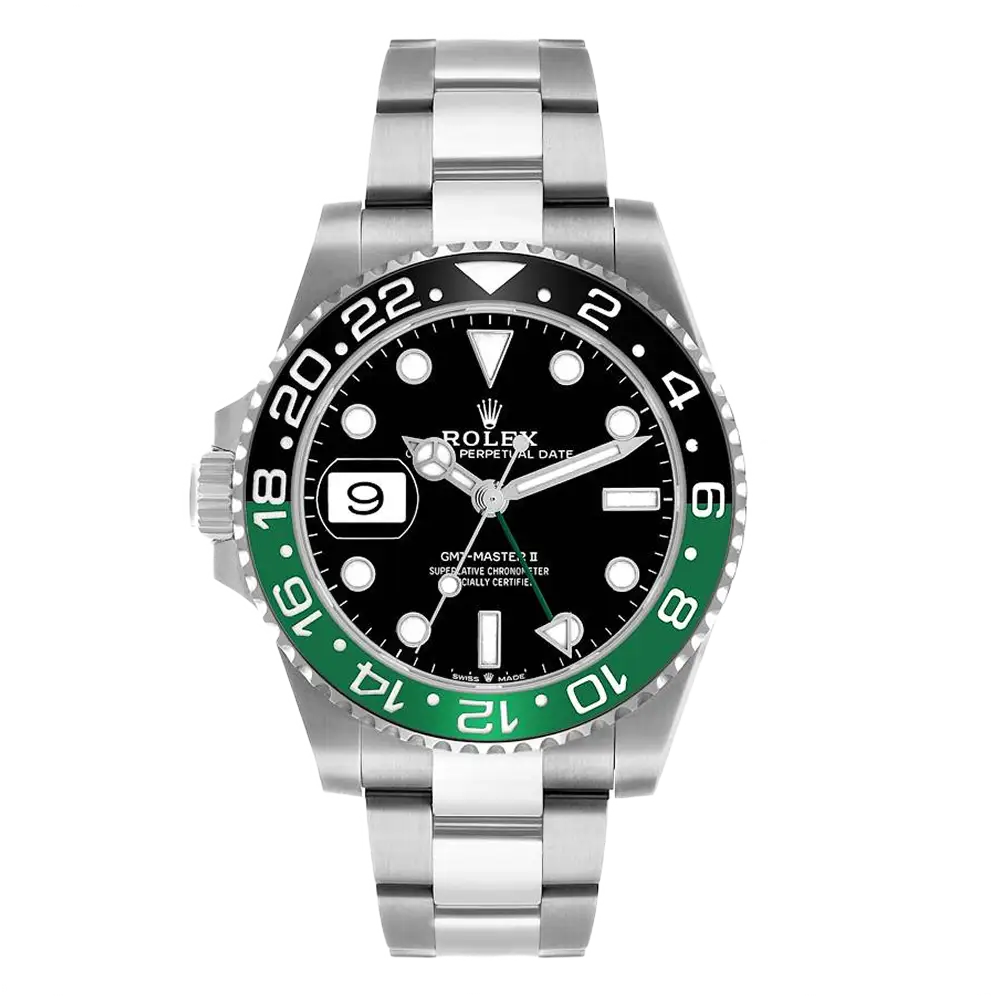
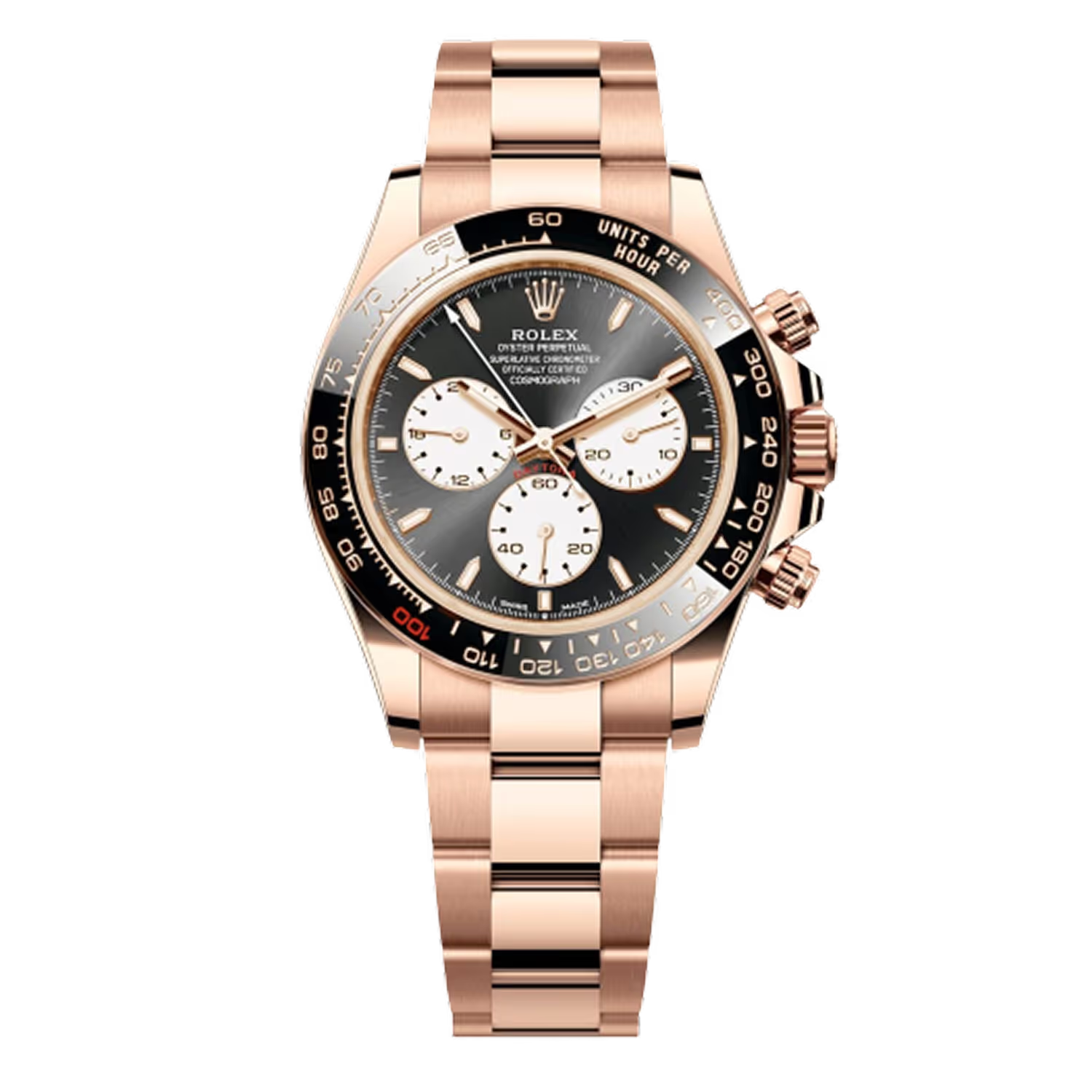
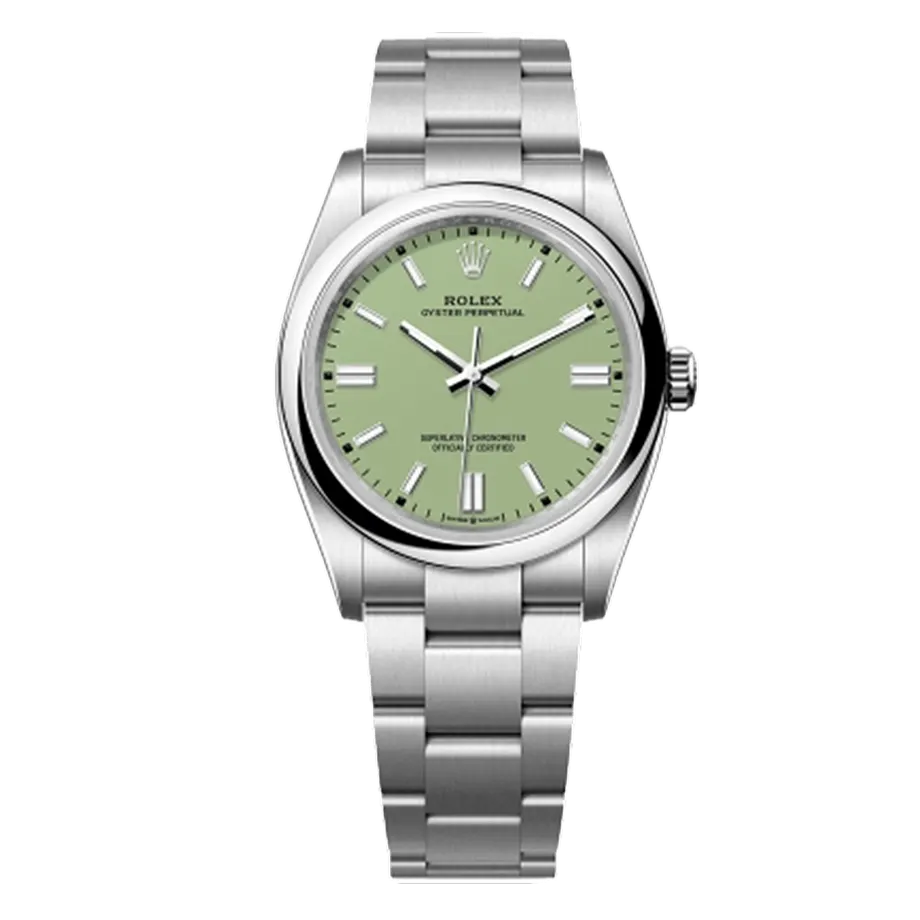
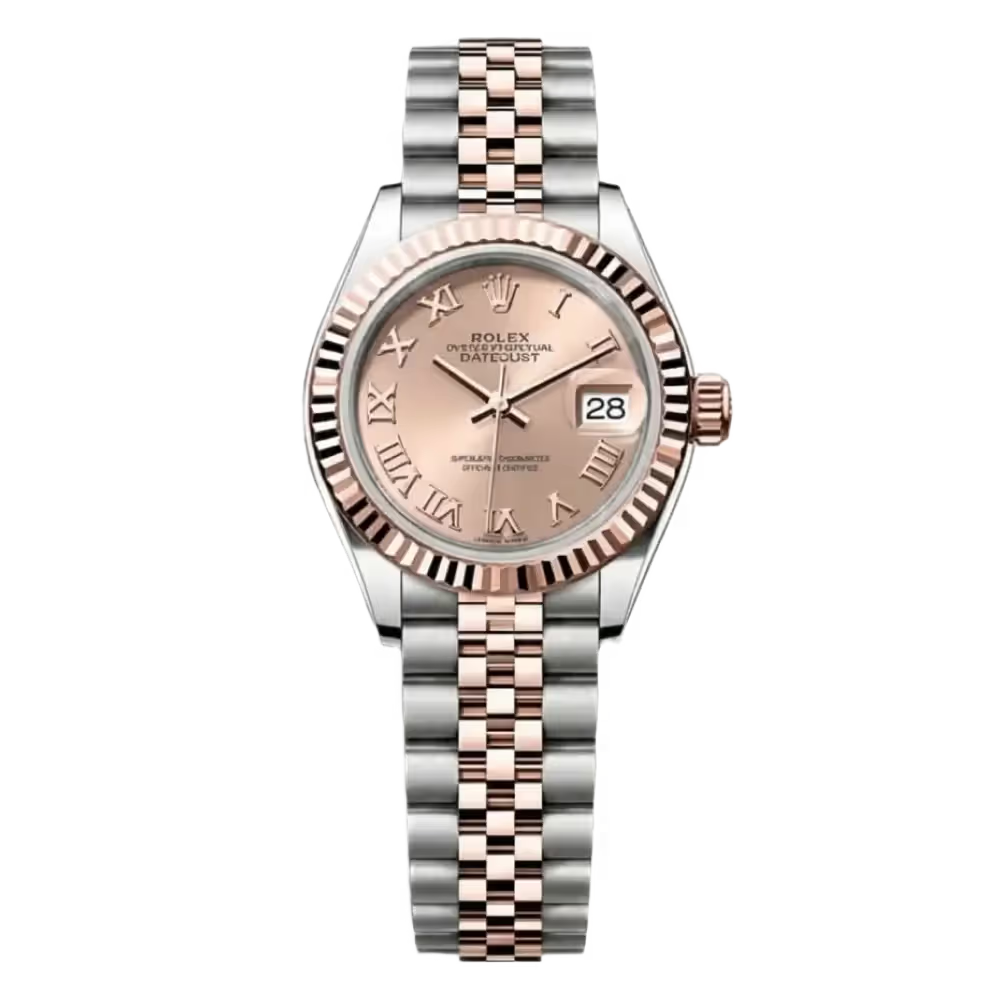
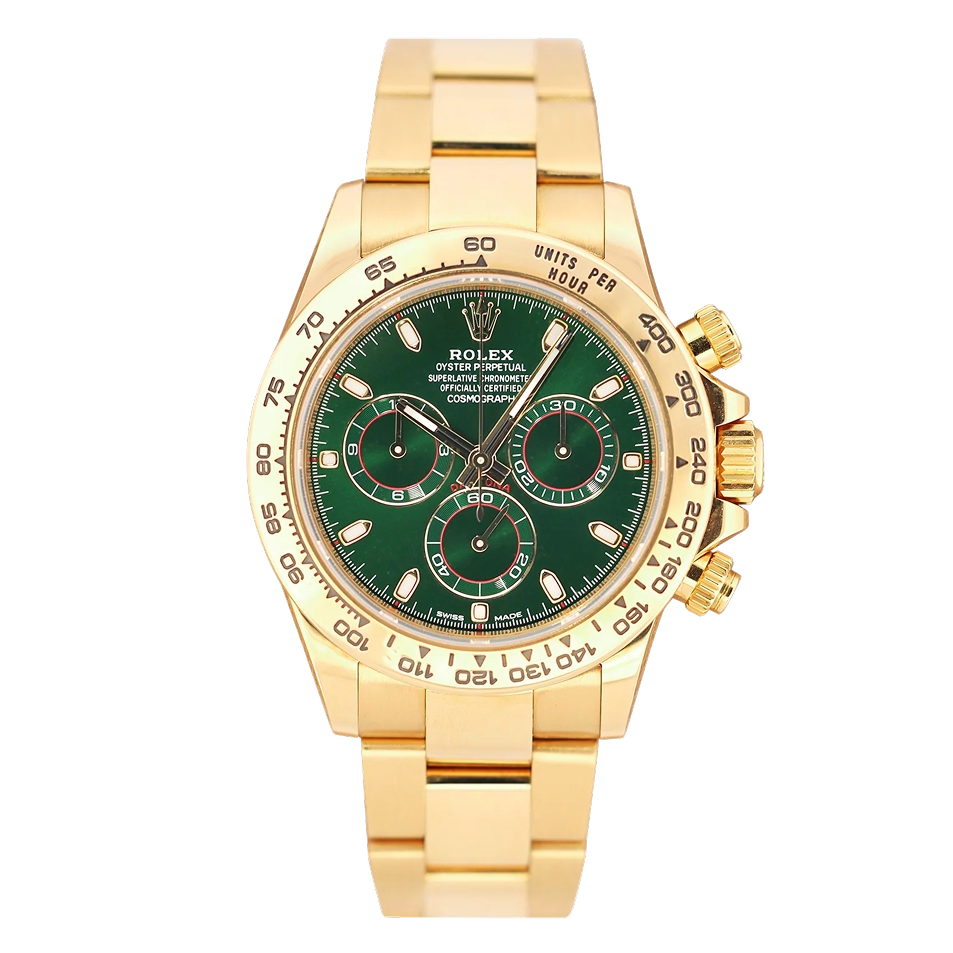
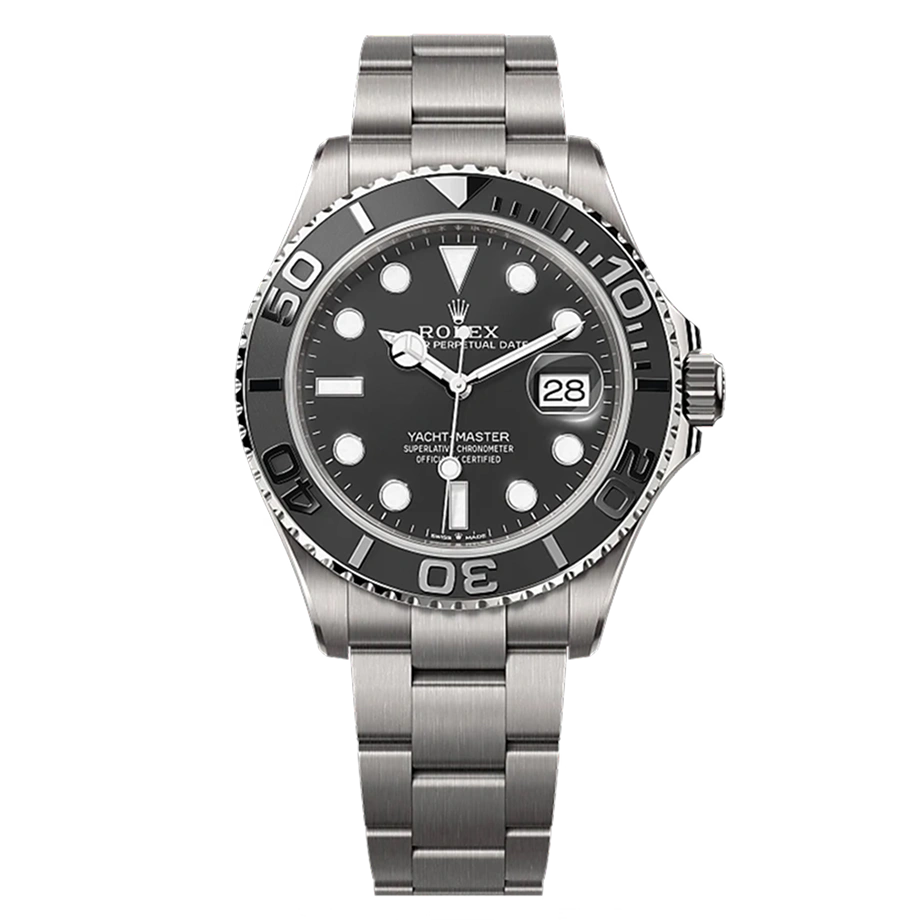
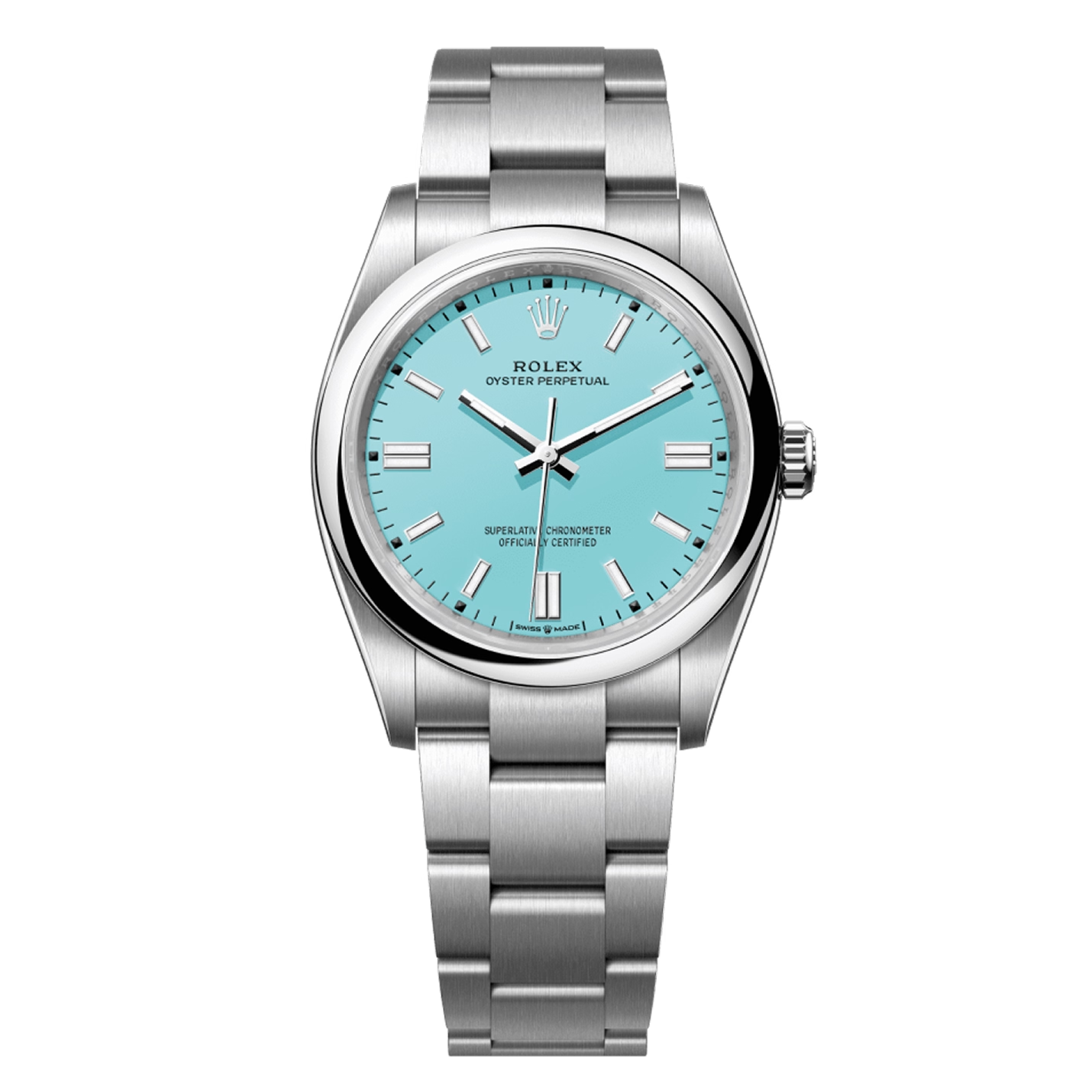
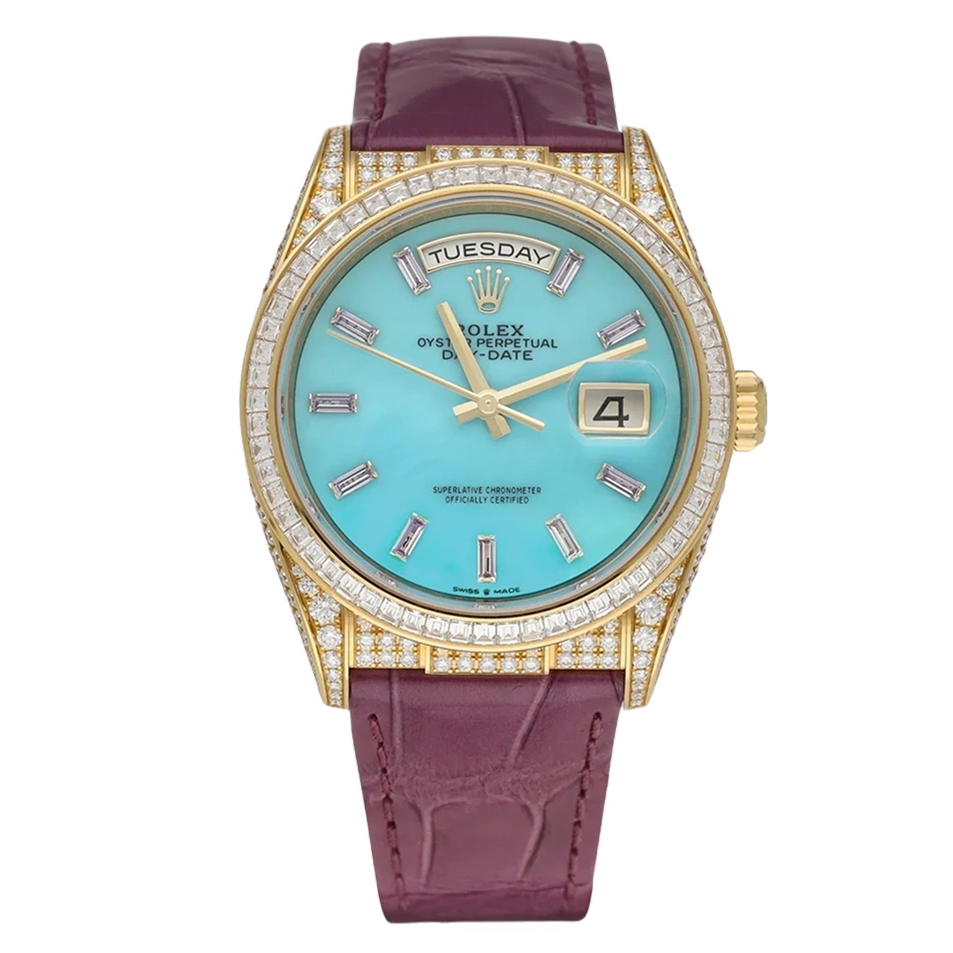
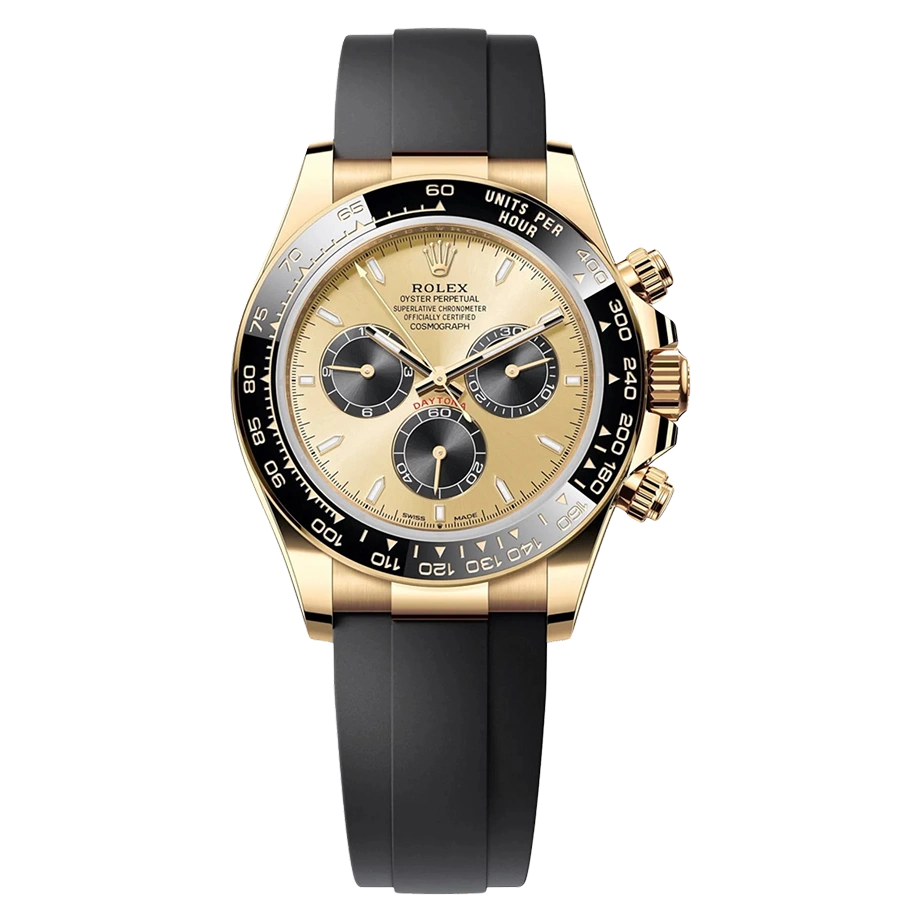
As for the Crown, its lots did well. We didn’t expect Rolex’s final bids to be as mind-blowing as pandemic and crypto boom era bids, but we also didn’t expect a bidder to nab a gold, diamond-set Daytona with mother-of-pearl dial for US$44,450.
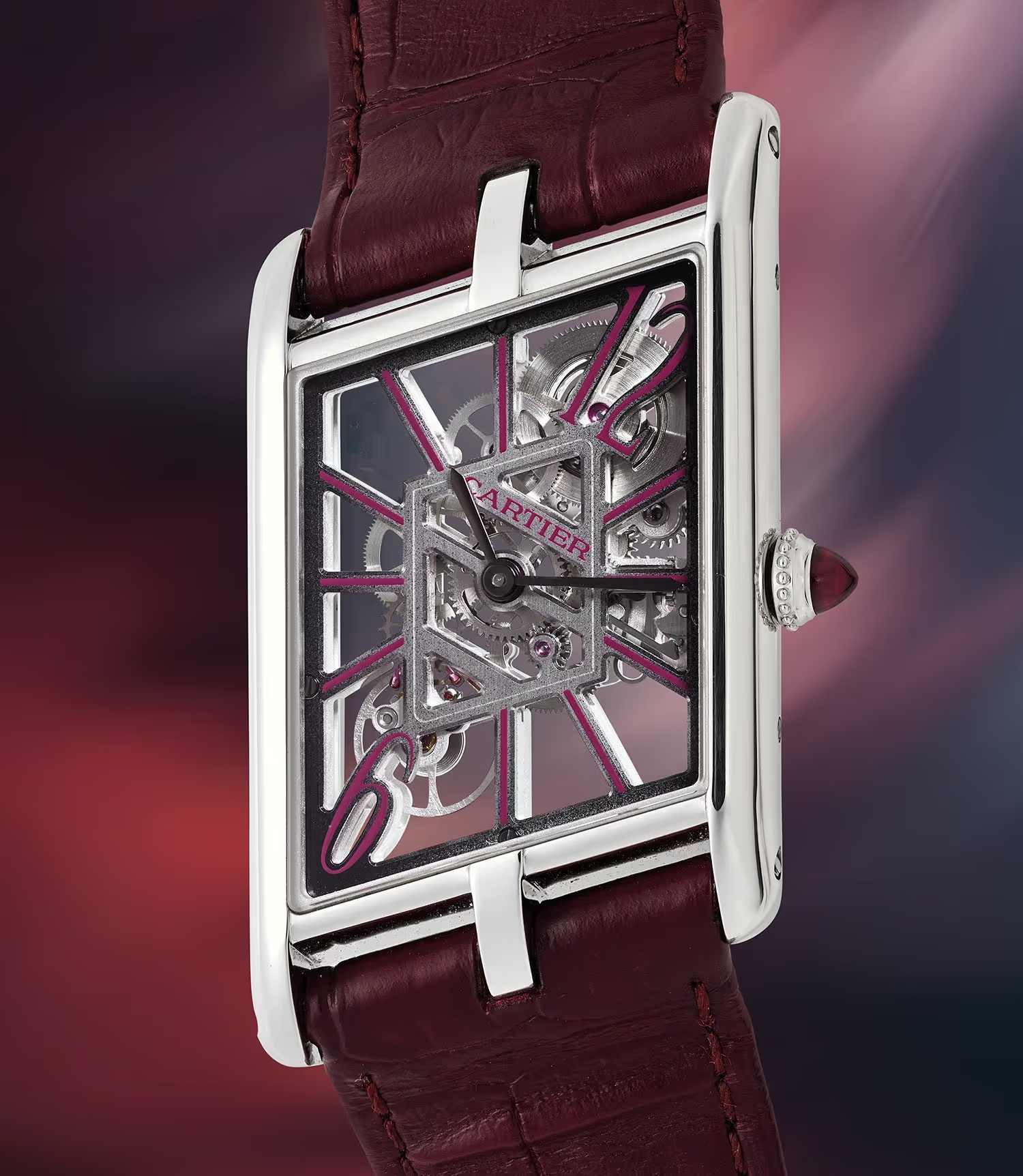
Among Swatch’s and Richemont’s powerhouses, some Omega timepieces experienced low demand, while vintage Jaeger-LeCoultre and Cartier did excellently, assuring the horological world that these two brands’ production and vintage models will remain desirable for a long time to come.
Don’t Sleep On The Independents
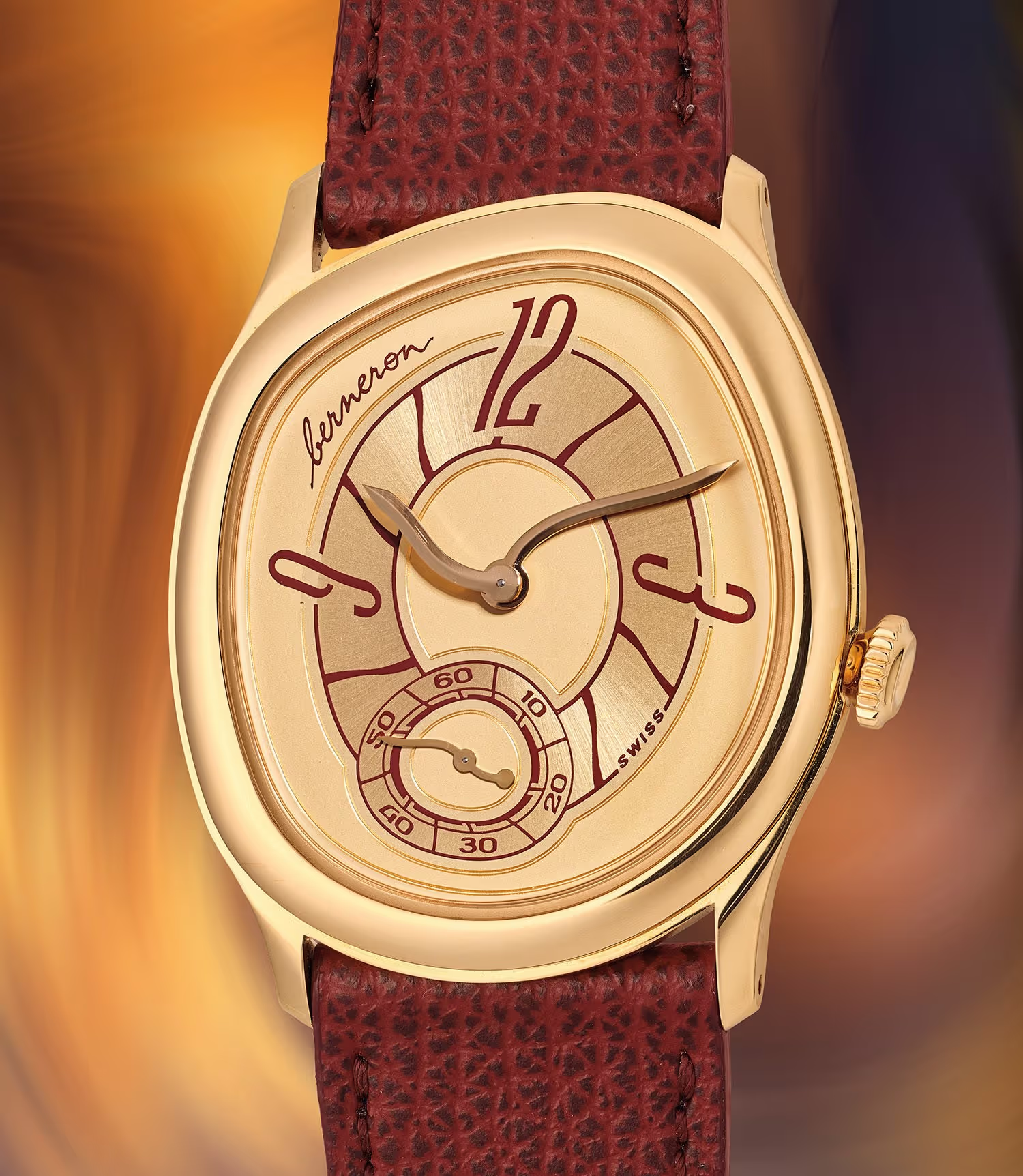
In contrast, the auction made a compelling case for the rise of independent and niche makers. A skyrocketing indie phenom, Berneron achieved US$190,500 with its Mirage 38 Sienna, which was initially estimated to yield US$40,000–80,000.
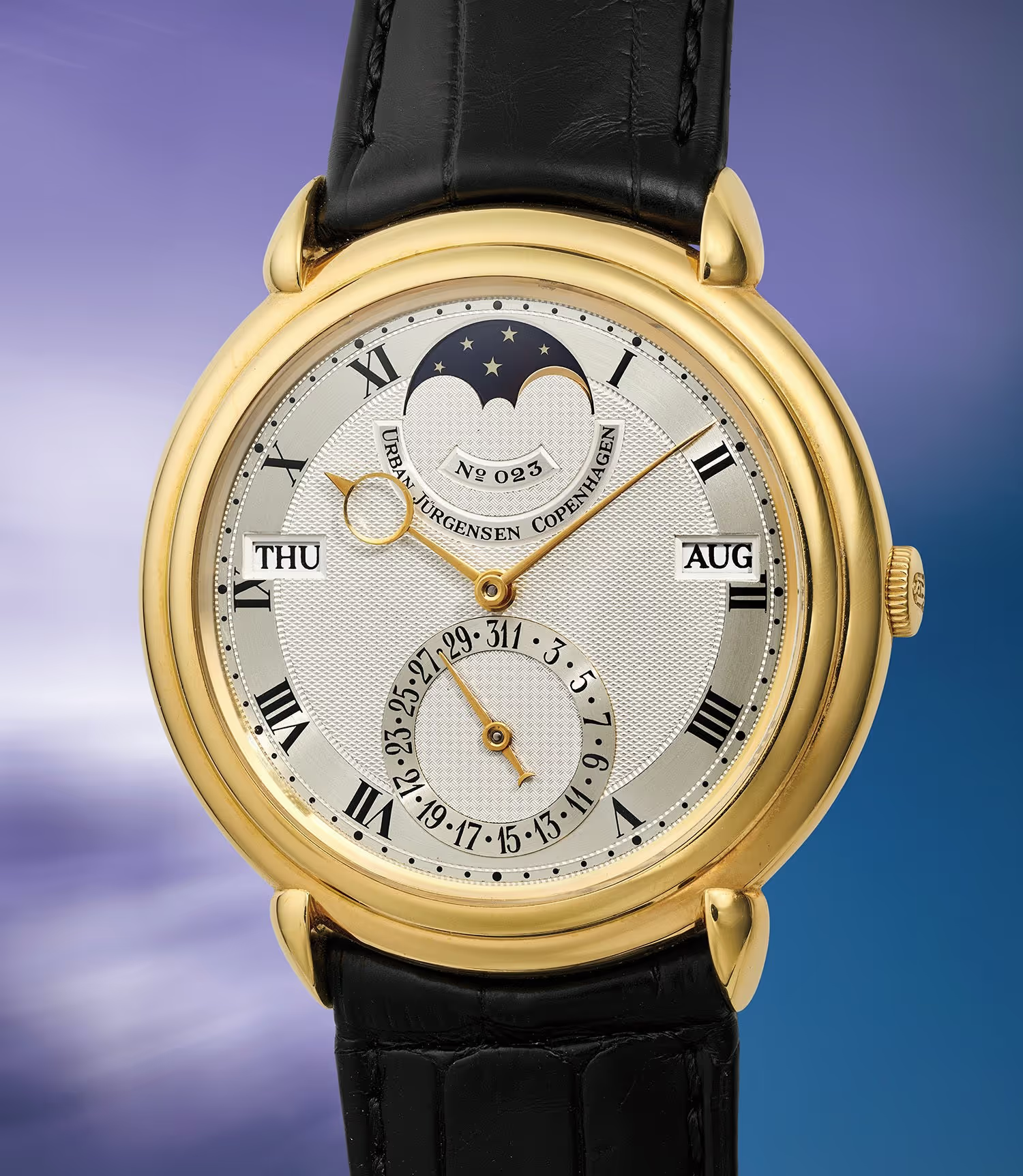
A recently revived independent brand that has been marketing itself heavily and sweeping up awards, the new Kari Voutilainen-led Urban Jürgensen surpassed the estimates of all its three lots.
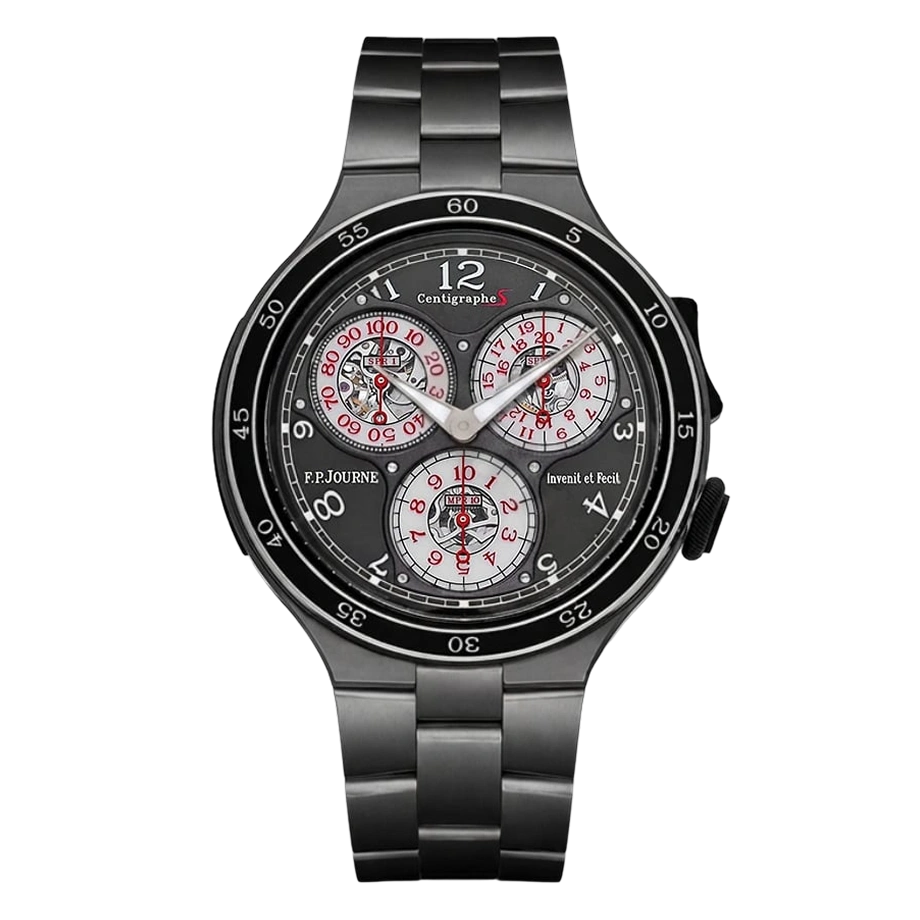
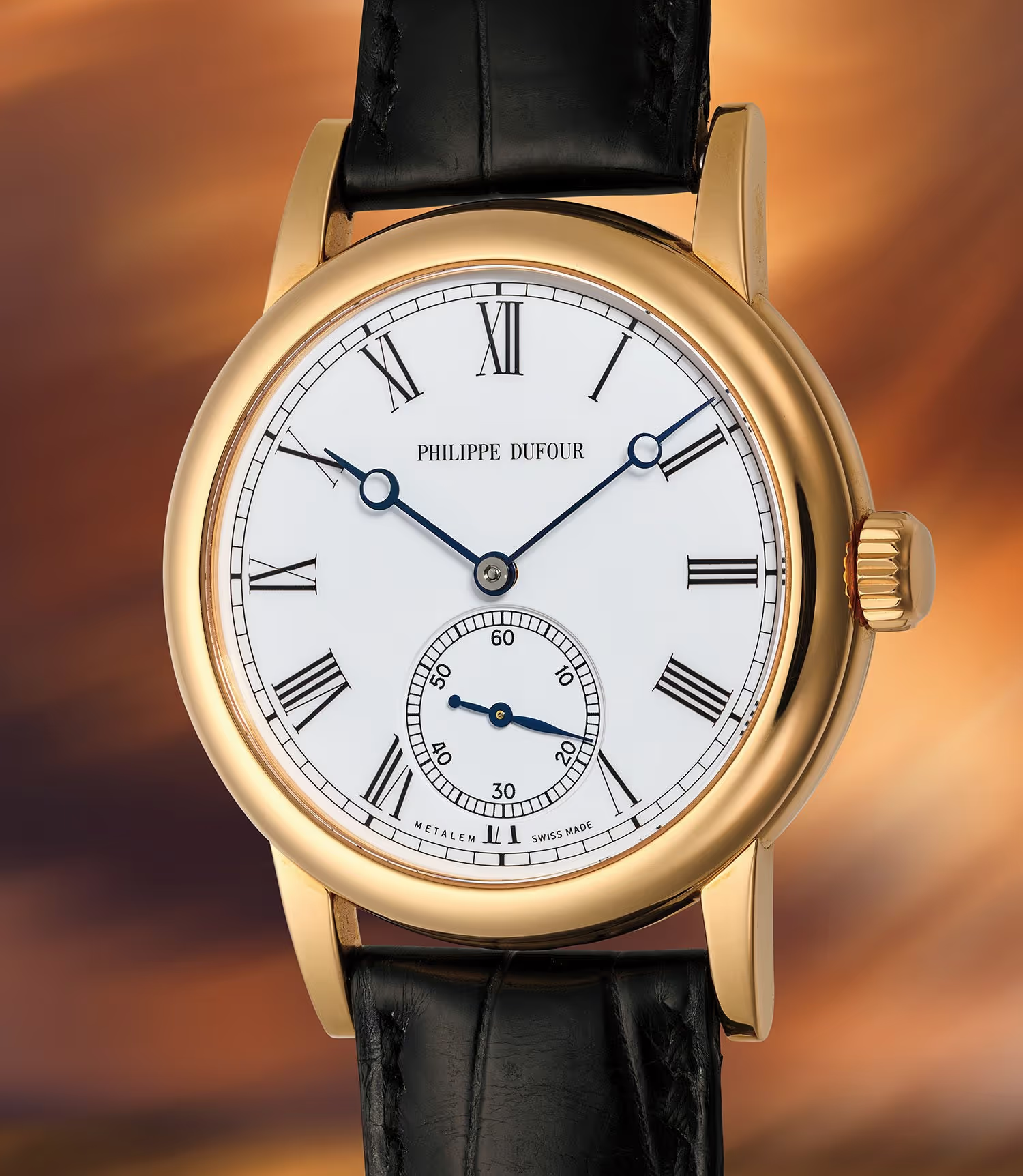
And just for the record, this auction’s 10 most expensive lots were all F.P. Journe and Philippe Dufour timepieces.
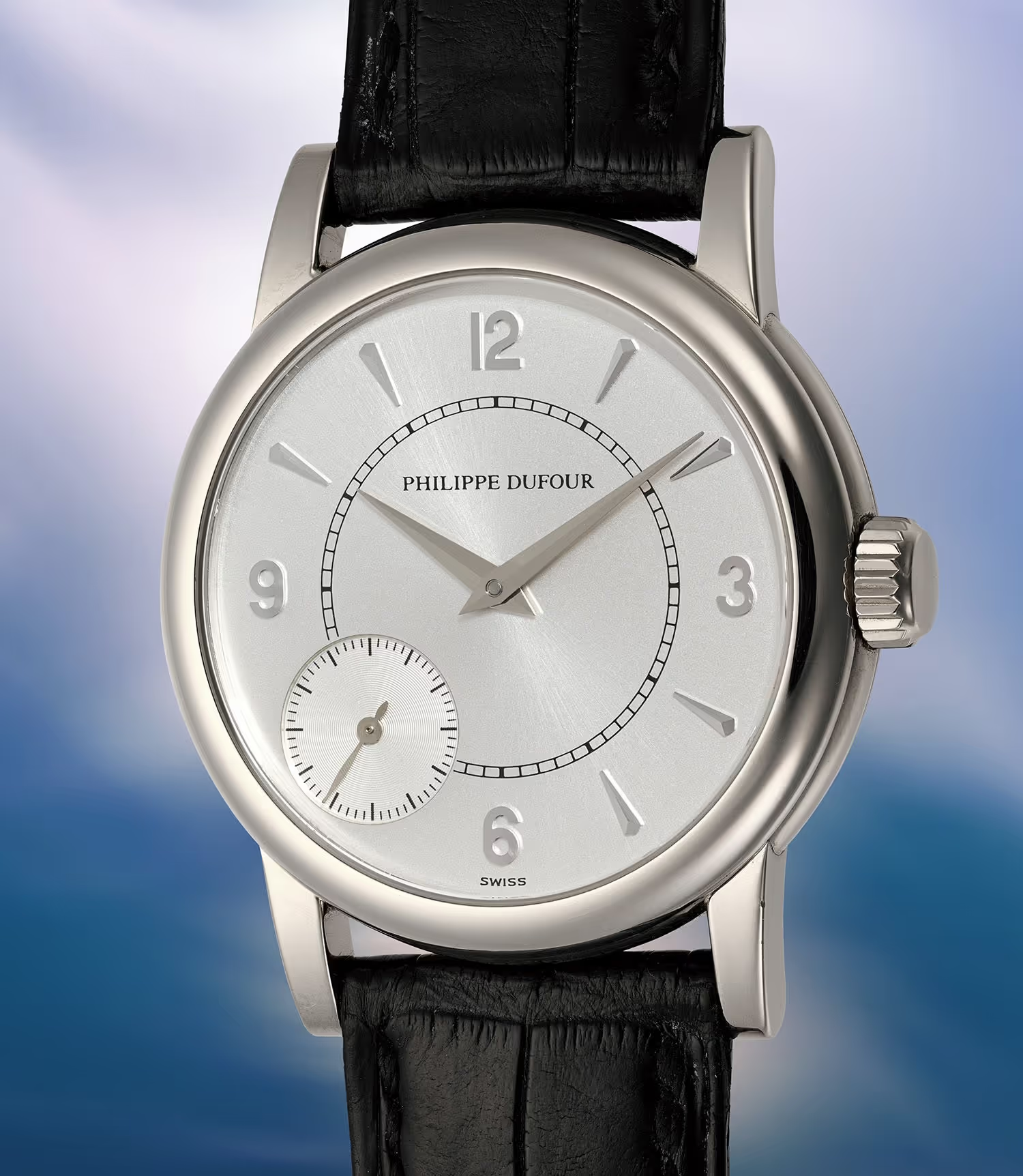
That suggests growing collector confidence in smaller, craft-oriented brands; buyers now appear willing to go beyond heritage names and chase quality and rarity wherever they find it.
Likewise on our end, we’ve been introducing our clients to rising independent brands, and they have enjoyed a strong portfolio return.
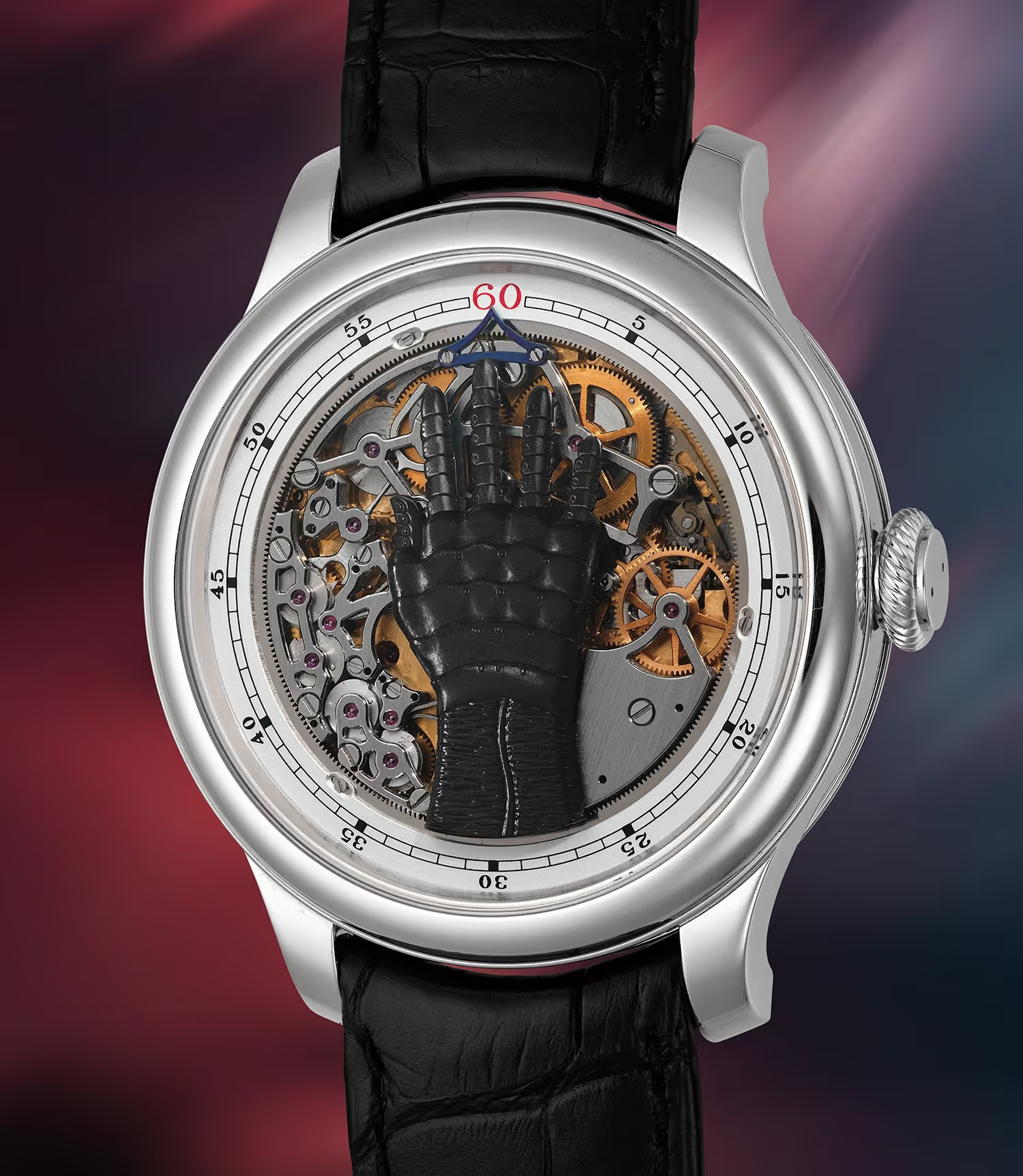
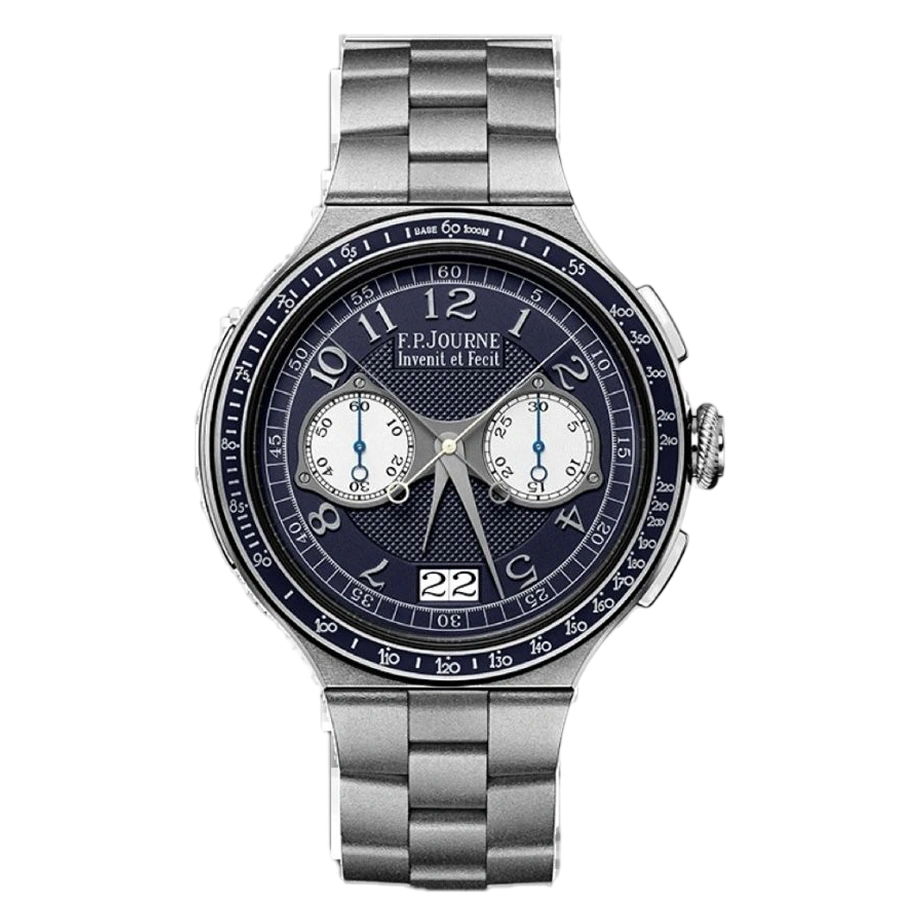
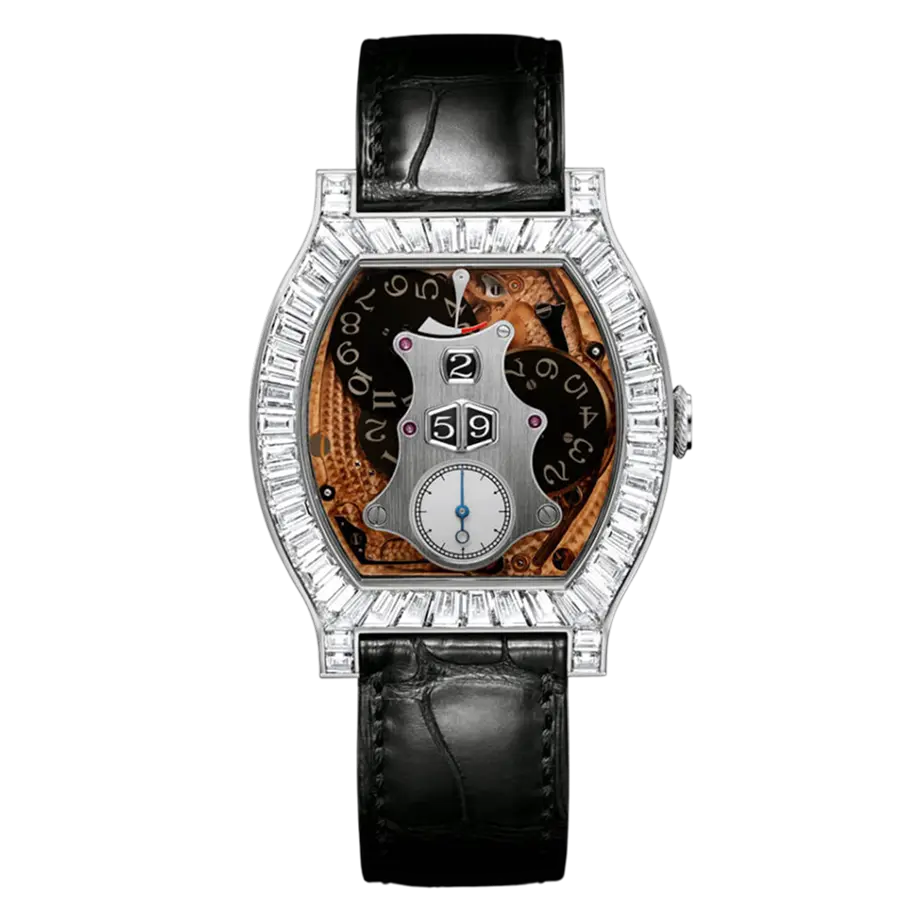
Above all, though, the auction reaffirmed the dominance of one independent watchmaker: F.P. Journe. The sale smashed world records. The most dramatic: the unique “FFC Prototype”, once owned by Francis Ford Coppola, hammered for US$10.8 million, the highest price ever for an independent watch at auction and the single most expensive watch sold in the U.S. in recent years.
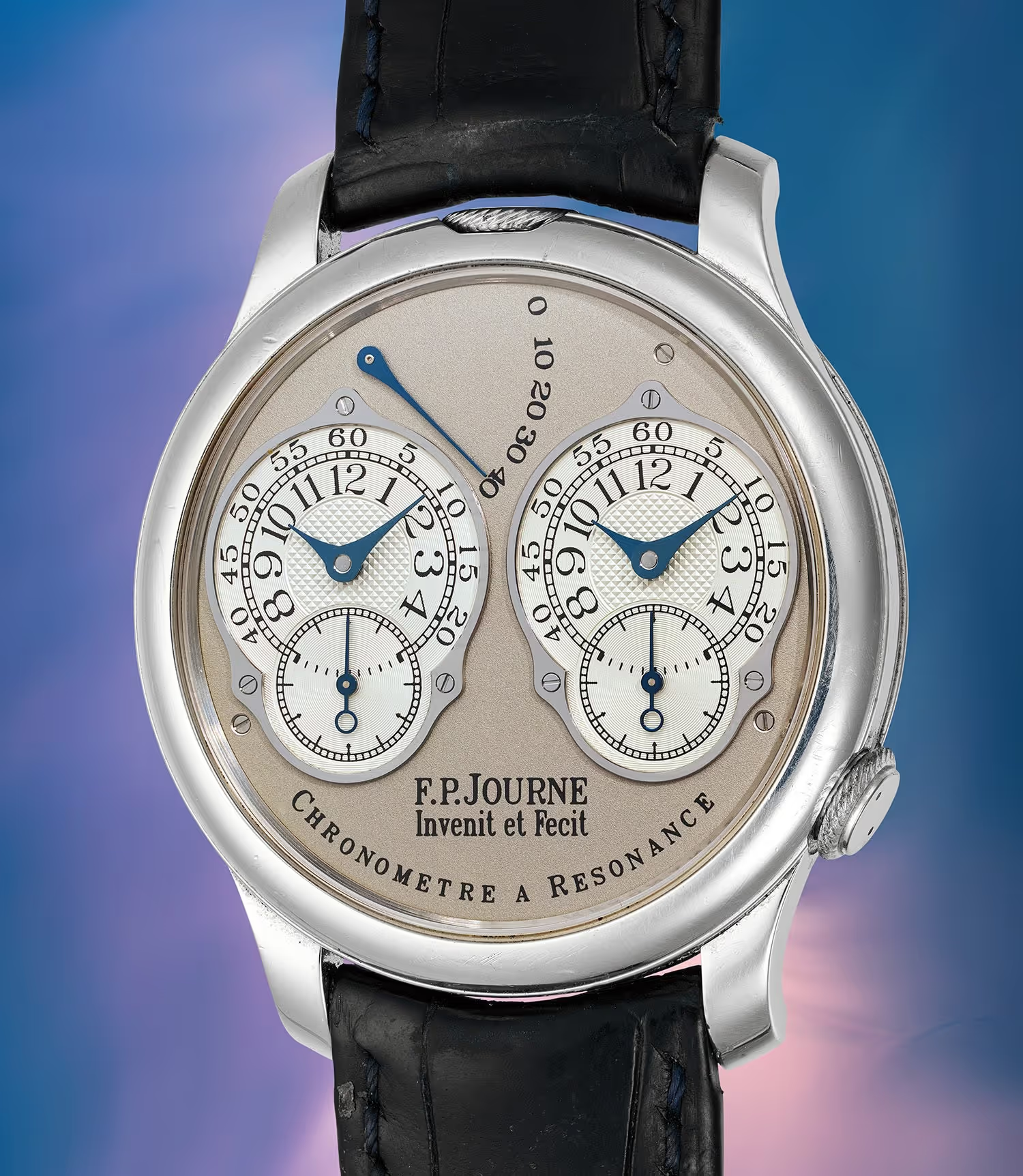
But that wild headline wasn’t a fluke. Multiple other Journe pieces soared above expectations, including the Chronomètre à Résonance (US$584,200) that Coppola’s late wife bought for him, which sparked his friendship with Journe.
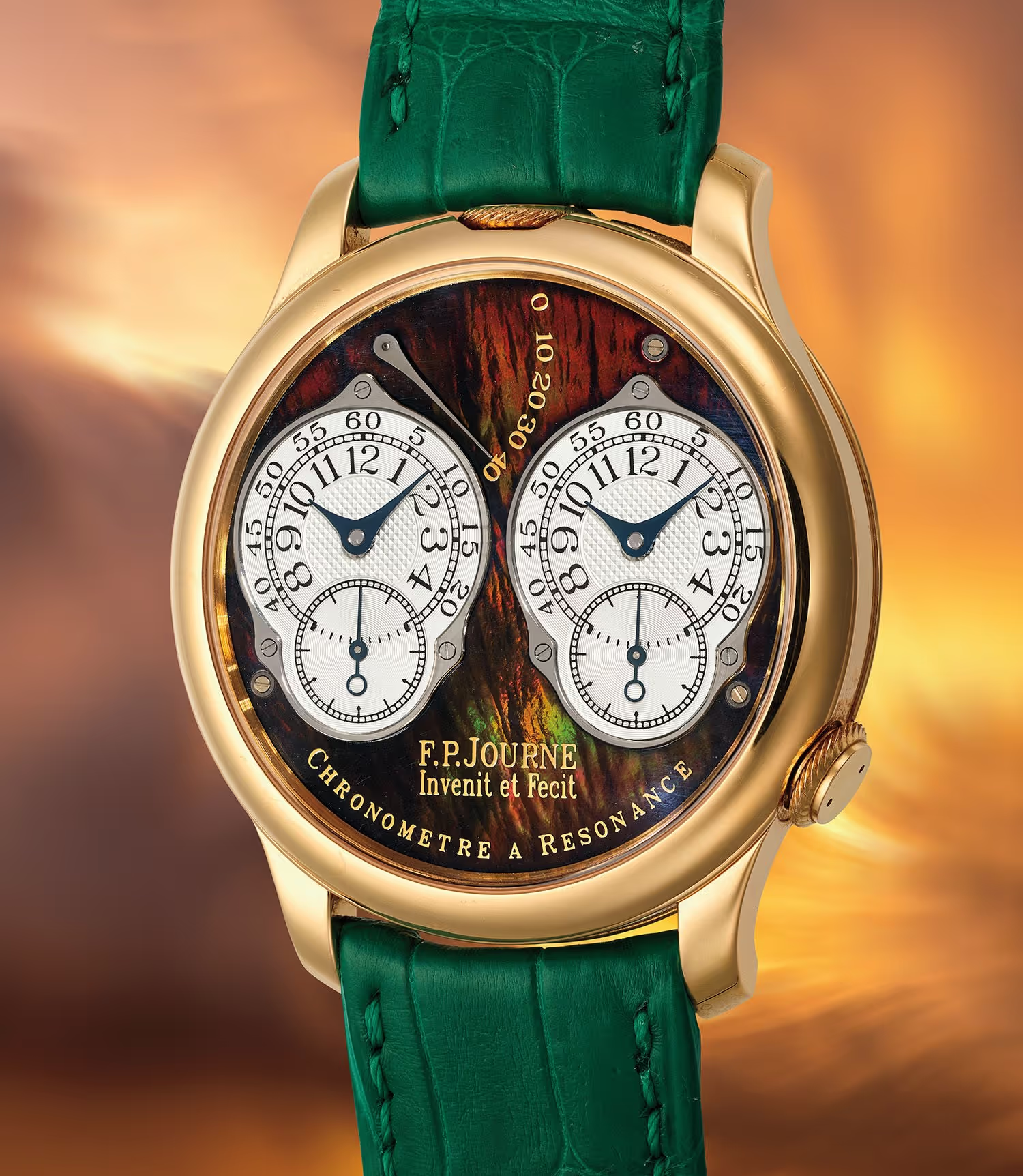
Somewhere in Singapore, Sincere CEO Ong Ban is probably chuffed that his F.P. Journe Chronomètre à Résonance “Sincere Fine Watches, Black Mother-of-Pearl”, estimated at US$300,000–600,000, hammered at an eye-watering US$3,690,000. The unexpected star of the auction, this Sincere limited edition beat Journe’s Souscription No. 17 and Philippe Dufour’s Duality No. 1 to become the second most expensive sale of that weekend.
The auction certainly wasn’t just about one unique Journe prototype—it demonstrated evident, broad demand for the living legend’s craftsmanship, technicality, and heritage.
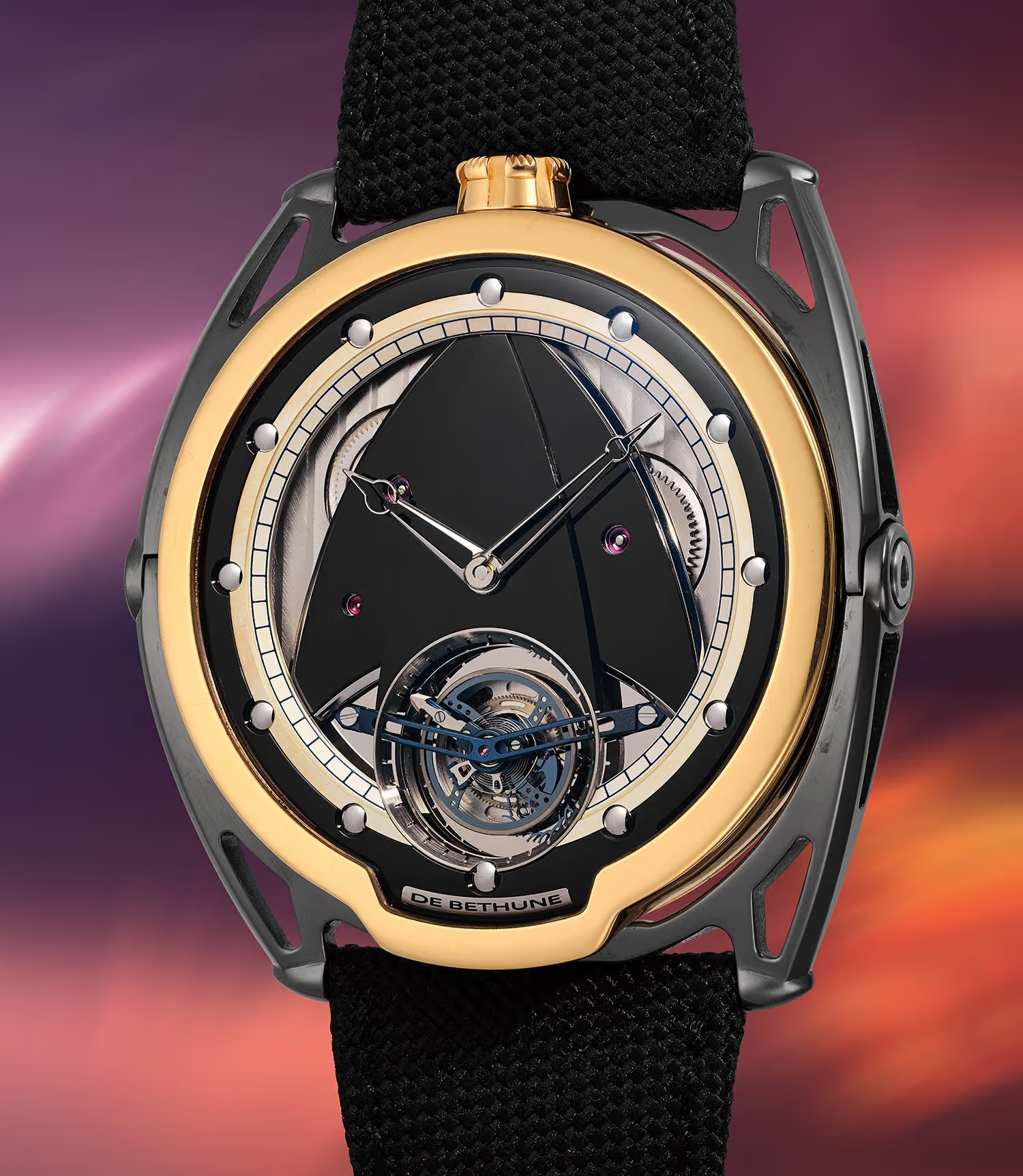
Another interesting undercurrent: taste. Several black dial or “black label” pieces, such as the De Bethune DB28 Tourbillon “Black Gold” and two “Black Label” Journe watches, fetched premiums well above estimate and above similar offerings from these brands.
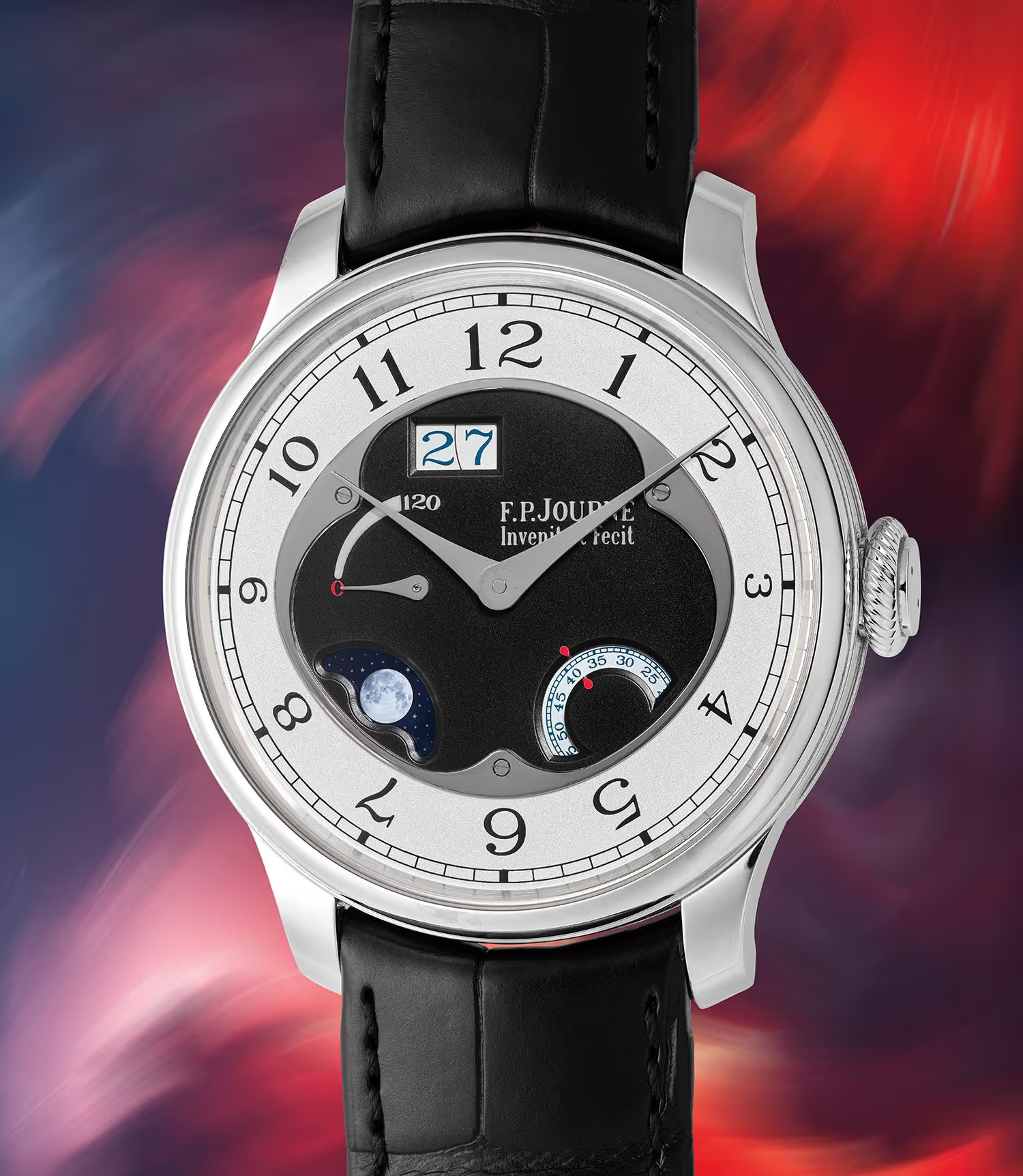
The persistence of black dials as a market preference suggests a broader aesthetics trend: buyers seem to favour the subtlety, sleekness, or visual “mystique” of darker faces, reinforcing that auctions today reward not just pedigree but also style and present-day desirability.
The auction also re-emphasised the outsized power of provenance: all the Coppola-owned watches garnered bids that were multiples of their upper estimates, demonstrating that provenance (especially celebrity provenance) can trigger demand that transcends brand or mechanics. This reminds us that provenance and narrative have become as valuable as the marque itself.
In aggregate, the results from Phillips New York: XIII paint a luxury watch market that is robust yet increasingly nuanced. The giants (Rolex, Patek, AP) still command respect and achieve value, but their auction dominance is being challenged. Independents (Journe, Dufour, Berneron, Urban Jürgensen) are no longer niche afterthoughts; they’re rapidly becoming central to the collector conversation. In fact, independent brands from around the world, not just Switzerland, have been performing outstandingly in almost all of Sotheby’s and Phillips’ watch auctions.
Are we seeing the light at the end of the “hype watches” tunnel? For writers, collectors or consignors, the “blue chip” mentality still matters, but the new names whispered in horological hallways are getting louder.
SRK Haute Horlogerie thoroughly analyses major watch auctions, so as to keep our fingers on the pulse of what is in demand, and to keep our prices competitive. Click here to discover several rarities that are worthy of their own dedicated auctions.