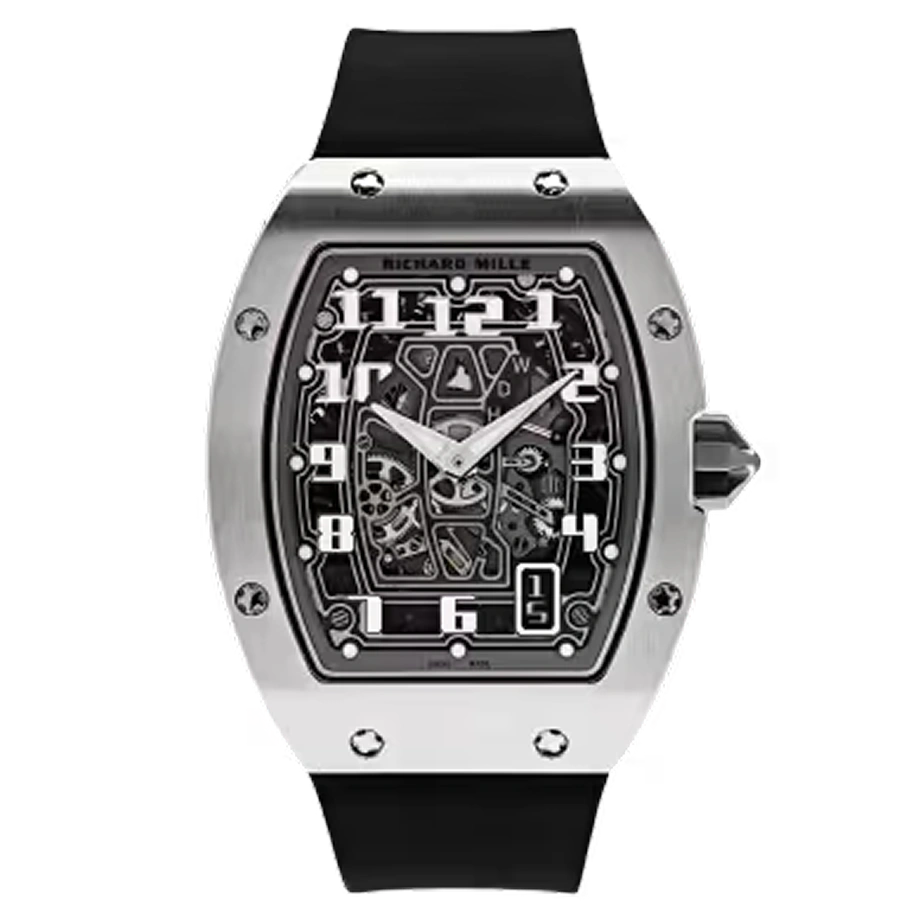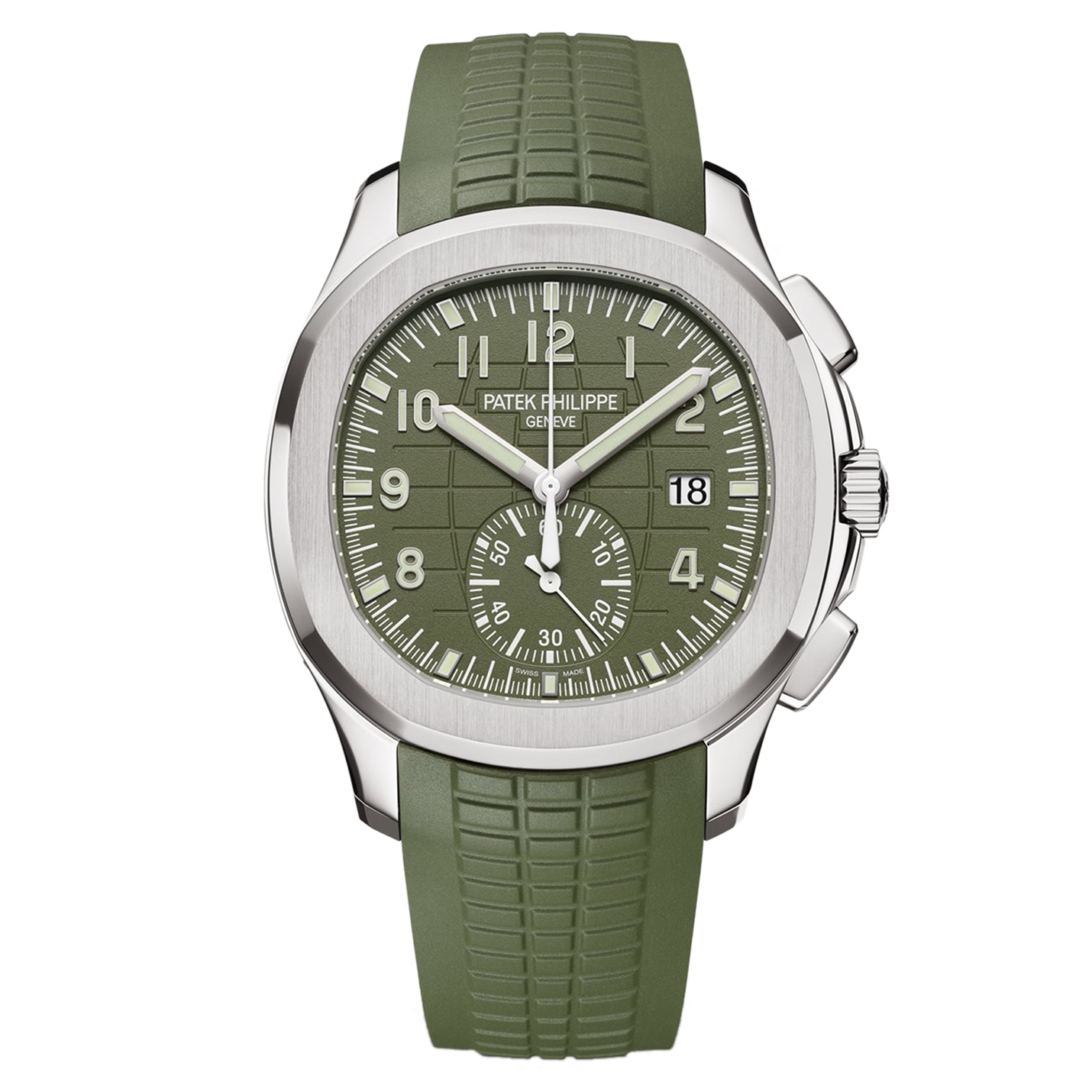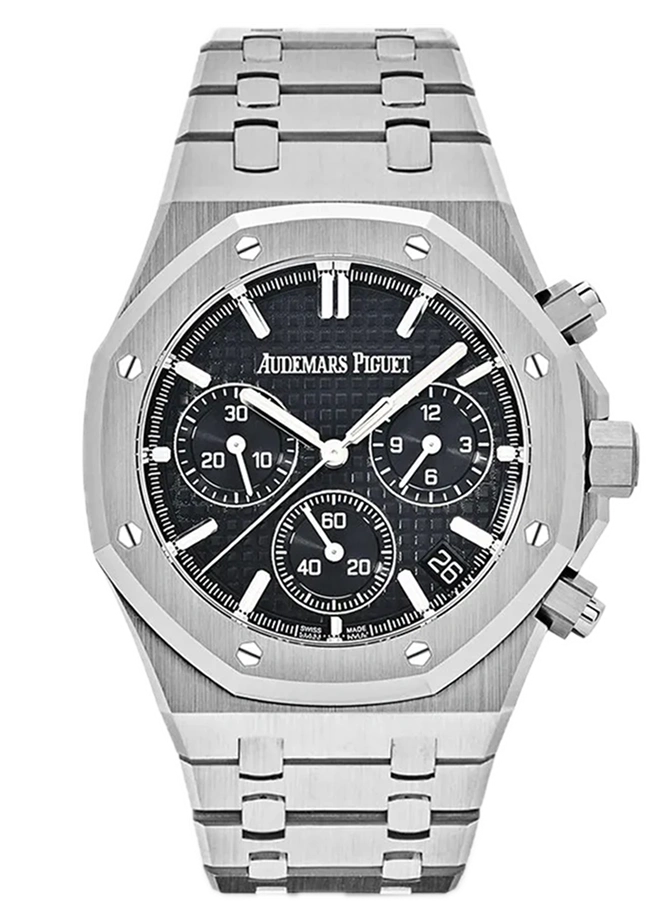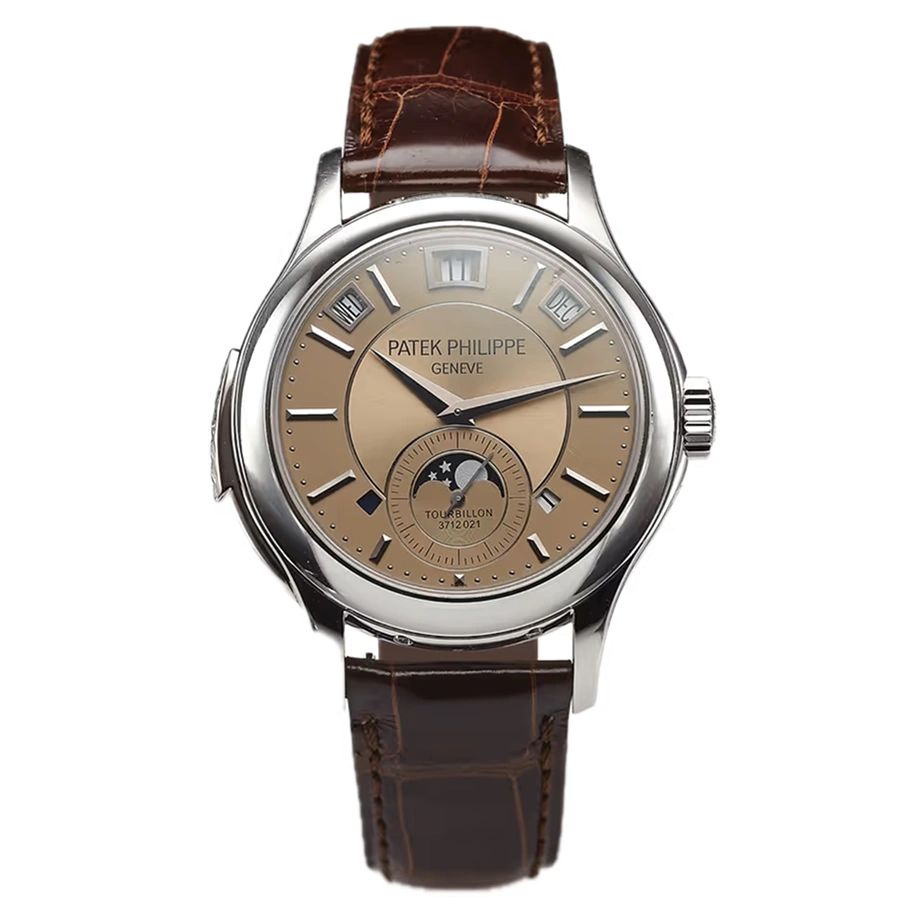
A New Generation of Collectors in Asia have quietly rewritten the auction rules and made independent brands the new blue chips
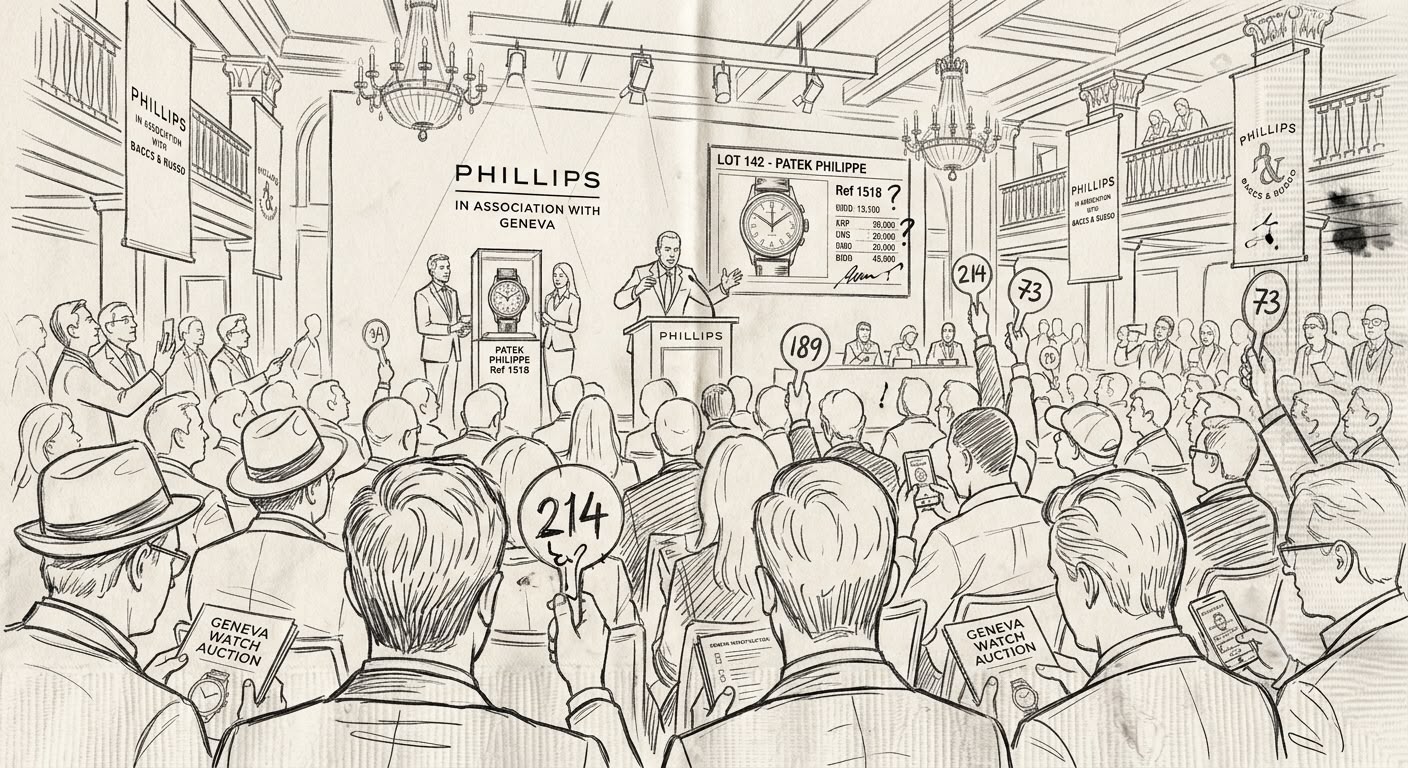
You can tell a great sale before a single hammer falls. It's in the room's stillness. The specialists at the phone bank stand a little straighter, receivers pressed to one ear, a hand cupped over the other, murmuring numbers in three languages to buyers who will never set foot in Hong Kong. The auctioneer settles behind the rostrum with the calm of a man who already knows how the evening ends. And then a lot opens, and the calm breaks.
There was one this spring that ran nine minutes. Nine minutes is an eternity in a saleroom long enough for the underbidder to fall in love and out of it twice, long enough for the crowd to stop pretending it isn't watching. Paddles gave way to phones, phones gave way to a single line that would not quit, and when it was finally over the number on the board had a shape Asia had never seen on a wristwatch before.

Let me get the trophies out of the way, because they are evidence, not a scoreboard.
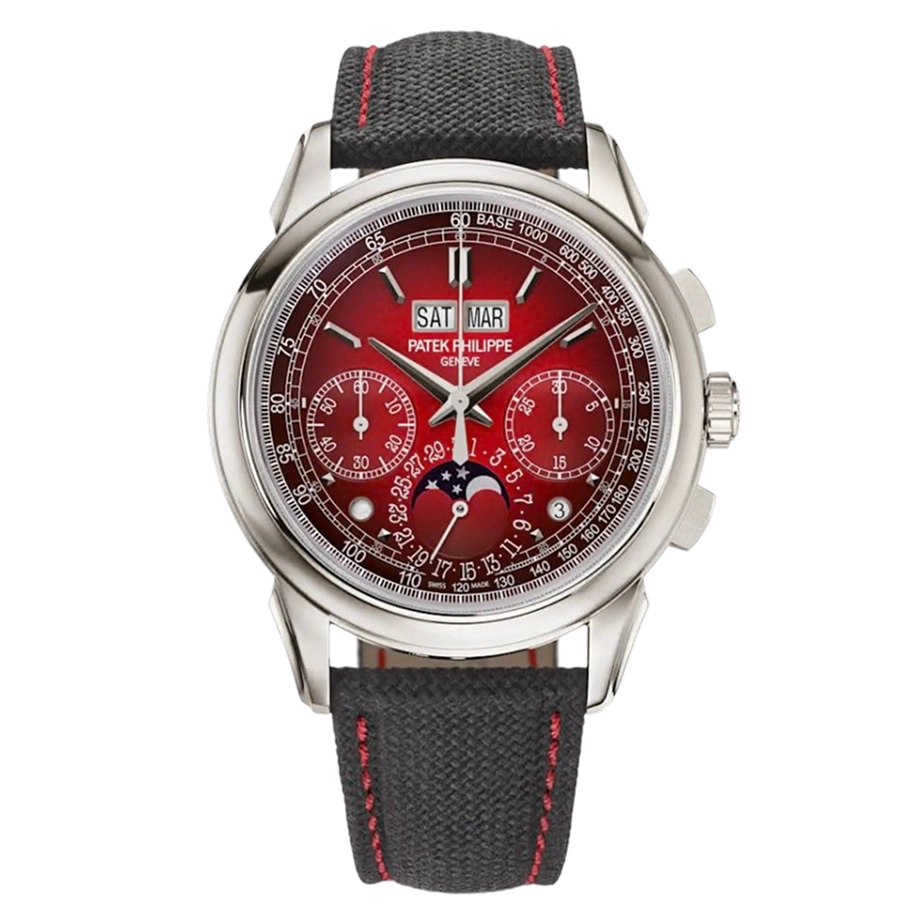
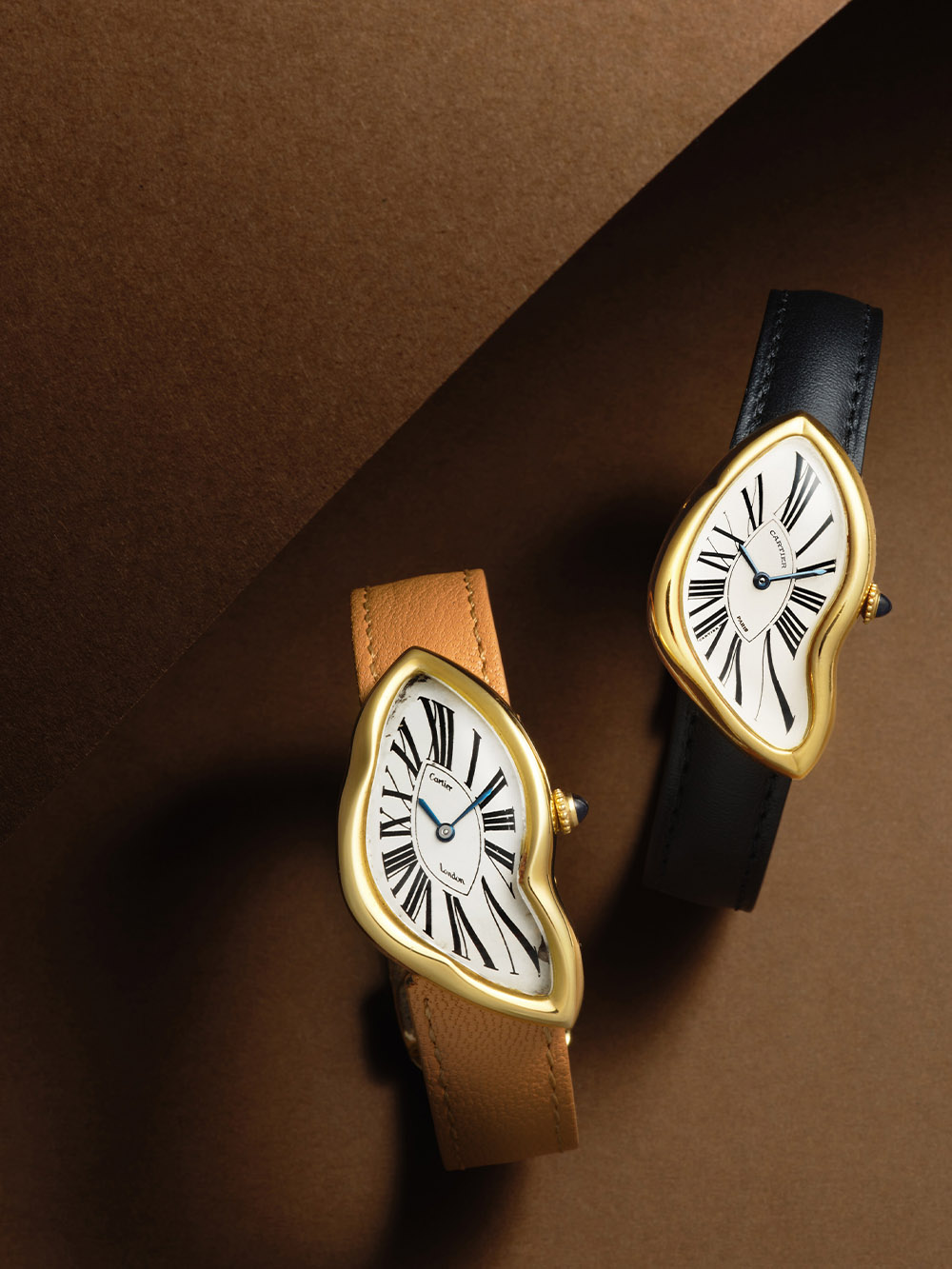
A 1951 Patek Philippe reference 2499 in pink gold perpetual calendar, chronograph, the kind of watch that arrives at auction perhaps once in a cycle of years became the most expensive wristwatch ever sold under the hammer in Asia, clearing ten million dollars and then some. F.P. Journe rewrote its own records again a Résonance setting a fresh world mark in the room, a commemorative tourbillon quadrupling its estimate part of a season in which an early subscription Résonance became the most expensive independent watch ever sold at auction, albeit under a New York hammer rather than this one. And a Cartier Crash that melted, warped, faintly absurd little thing outran watches wearing far grander names on the dial.
Sit with that last one for a moment, because it's the whole story in miniature. The Crash has no complication to speak of. It doesn't chime, doesn't count, doesn't tell you the phase of the moon. What it has is a shape a deliberate distortion, a design decision so confident it borders on a dare. And in a room full of pedigree, the dare won.
The temptation is to read all this as froth. It isn't. Behind the numbers sits a demographic fact that has been building quietly for years and finally arrived in full this season: in Asia, younger collectors now make up the majority of new entrants into the auction room. The people raising paddles for the first time are not, by and large, the men who spent the 1990s memorising which reference had which caseback. They came up differently, and they buy differently.
What they reward is legible if you watch closely. Rarity, yes but rarity they can see, not rarity they have to be told about. Design conviction over dial hierarchy. The hand of a maker over the weight of a marque. They are perfectly happy to let a lesser-known lot outrun a household name, provided the lesser-known lot has a point of view. This is the shift the whole season turned on, and it's worth naming plainly: *design has overtaken hierarchy.
For most of the modern market, the hierarchy was the point. You bought the brand, then the model, then if you were serious the rare configuration of the model, and the pecking order held all the way down. The Crash breaks that chain. So do the sleeper lots that surprised everyone this spring: watches that placed above their supposed betters not because the catalogue told you to expect it, but because the object in the vitrine simply argued better. A collector who trusts his own eye doesn't need the pecking order. He can read the thing in front of him.
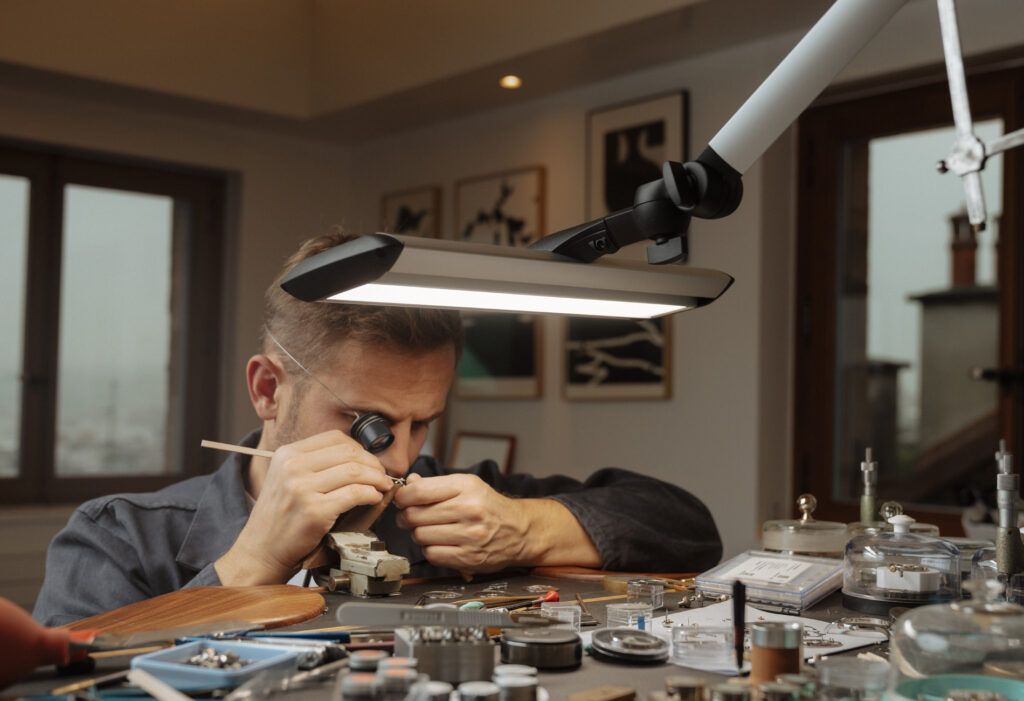
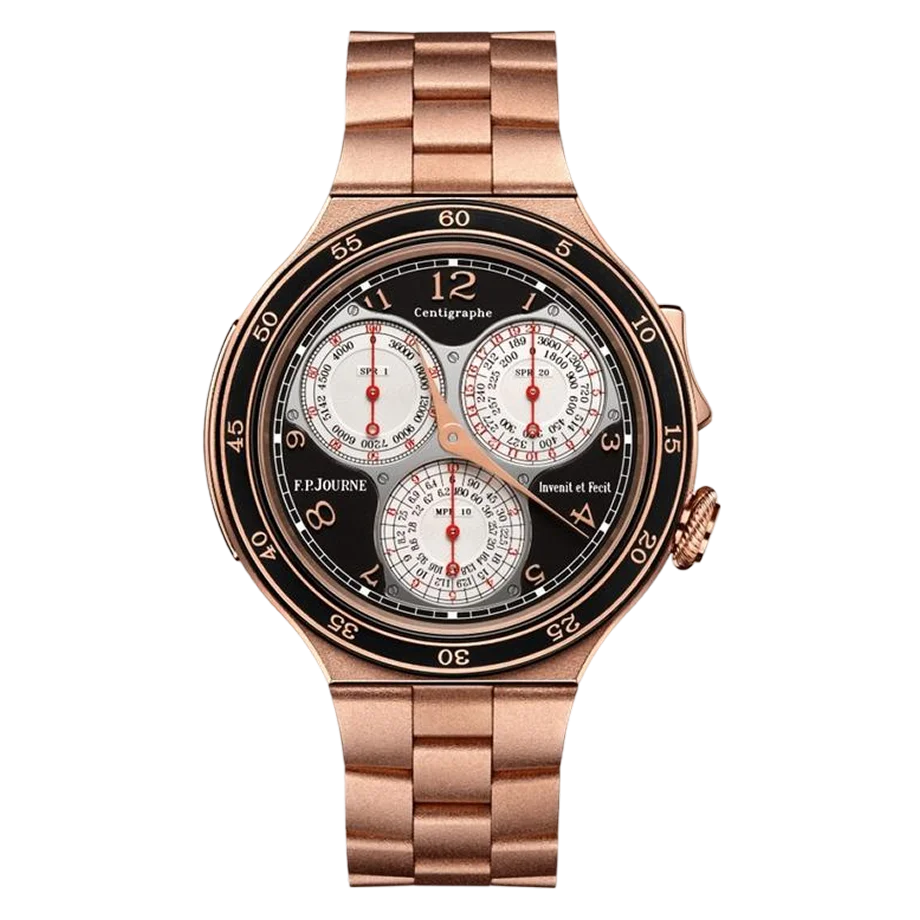
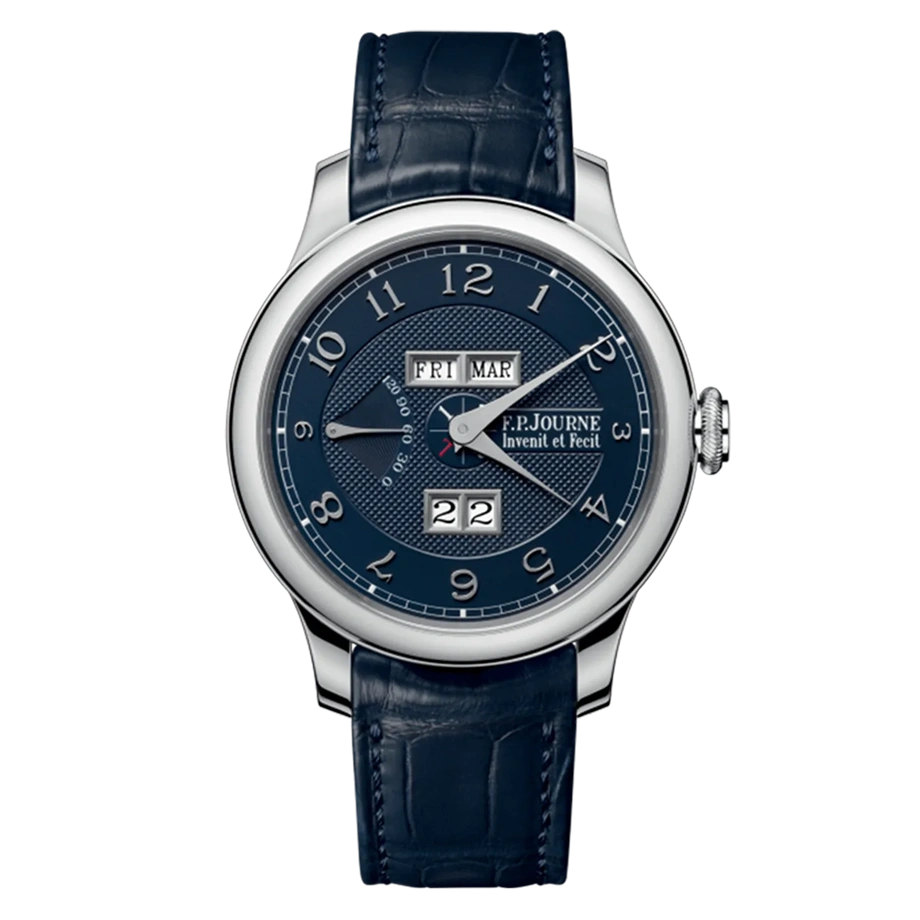
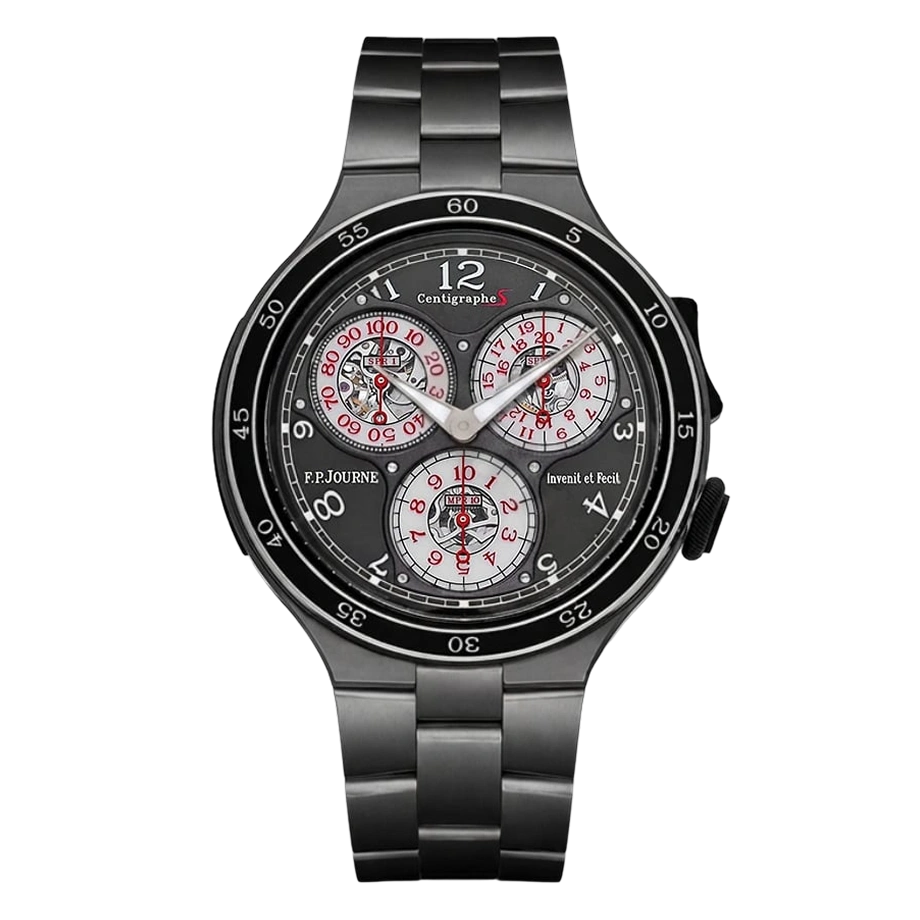
Which is why the independents have climbed to the top table and shown no sign of leaving. F.P Journe sits there now as a matter of course, and the likes of Philippe Dufour, Voutilainen and Akrivia are spoken of in the same breath not as curiosities, not as bets, but as blue chips. It makes perfect sense once you accept the new logic. The independent watchmaker is design conviction and genuine rarity in a single package: small output, singular vision, no committee to sand the edges off. Everything this new collector values, an independent supplies almost by definition. The old houses have to earn their way back to that; the independents were born there.
So what does the everyday collector take home from a room he'll likely never bid in? Not the eight-figure trophy chasing that is a fool's errand and always was. The lesson is why it sold. Auction-grade thinking scales down to a five-figure purchase without losing a thing. Condition still decides everything; originality is not a bonus but the baseline; and design intent whether the watch actually means to be what it is separates the piece you'll still want in a decade from the one you'll quietly move on.
The auction room is a mirror, and right now it reflects a collector who trusts his own eye. For the secondary buyer anywhere across the region, the through-line is the same one the record-setters shared: design conviction and genuine rarity. Learn to read those two things, and you'll buy well long after this season's numbers have been forgotten and the records, as records always do, have quietly been broken again.
The numbers behind the piece verified against auction-house and trade reporting from the spring 2026 season.
Patek Philippe Ref. 2499, First Series, pink gold (1951)- Phillips, The Hong Kong Watch Auction: XXII, 30 May 2026, lot 941. Hammer plus premium HK$80,370,000 / US$10,255,212 a world record for the reference and the most valuable wristwatch ever sold at auction in Asia. One of four First Series pink-gold examples with the Vichet case, and the only one bearing British hallmarks. The XXII sale totalled roughly US$51.5m over two days.
.AVIF)
Cartier "London" Crash (1987)- Sotheby's Hong Kong, April 2026. Roughly HK$15.6m / ~US$2m, a world record for the reference; described as one of only three known from its production group. This is the "grander names outrun by a shape" beat in the piece.
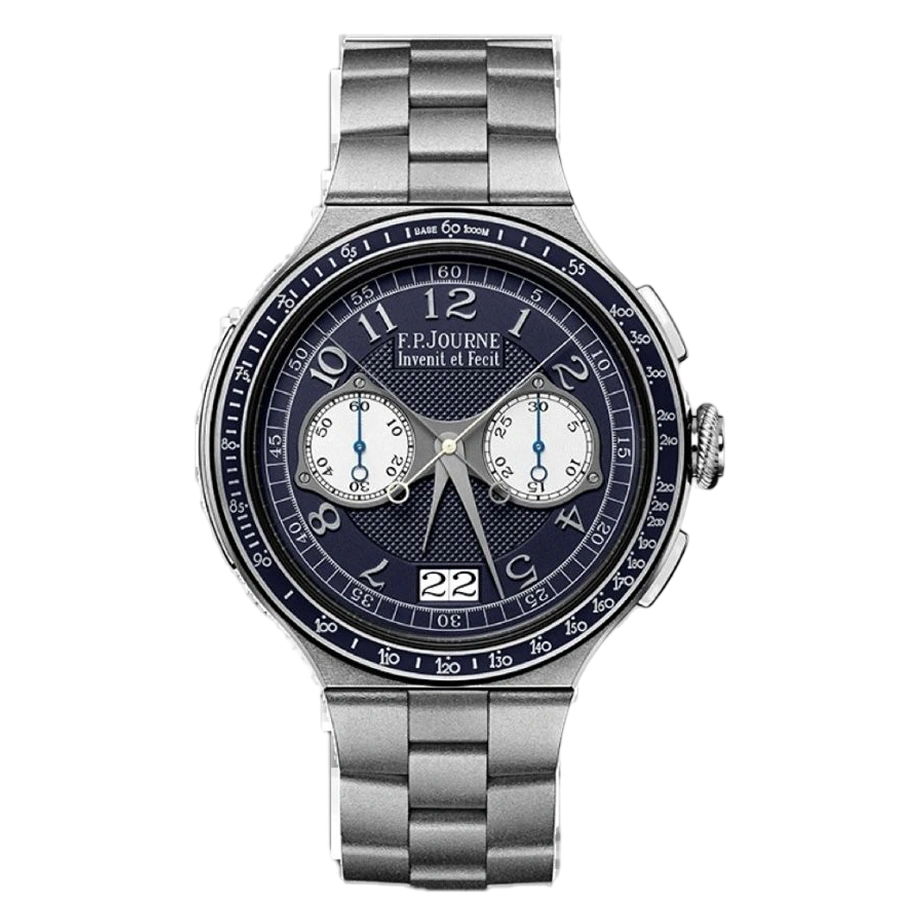
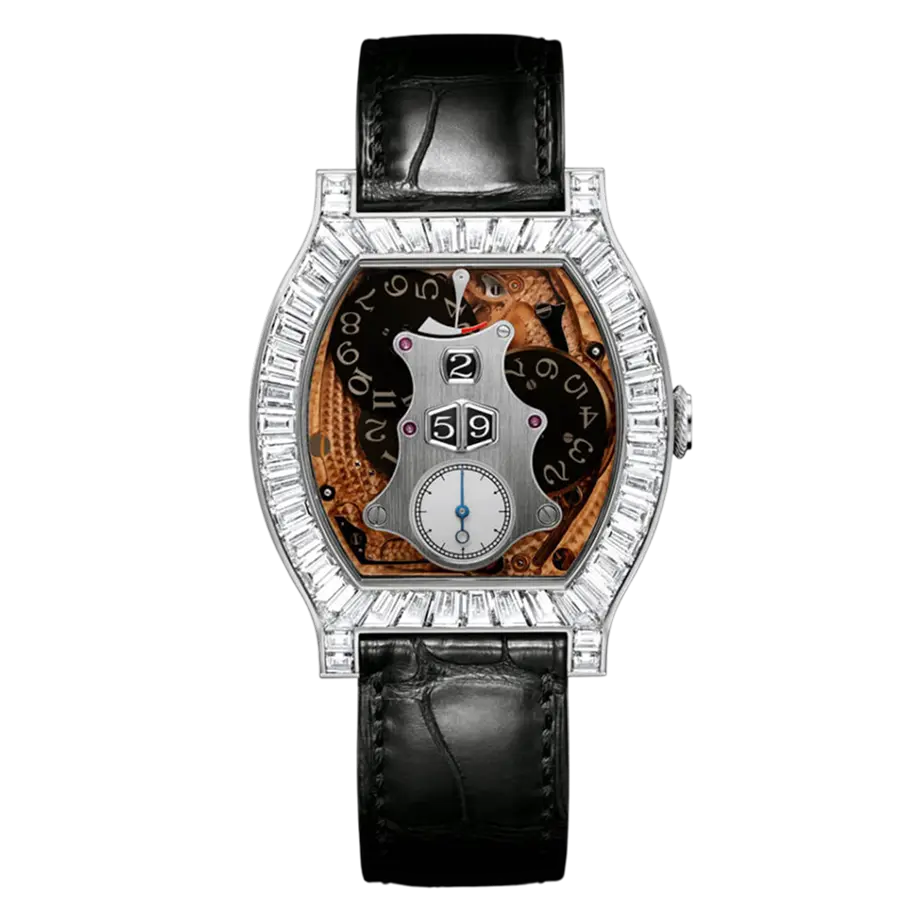
F.P. Journe, Hong Kong- The Tourbillon Souverain "Chine 2010" (one of five, the only known 38mm platinum case) sold for about HK$33m / US$4.2m, more than four times estimate; a platinum *Chronomètre à Résonance "Parking Metre" set a world record around HK$12m / US$1.54m.
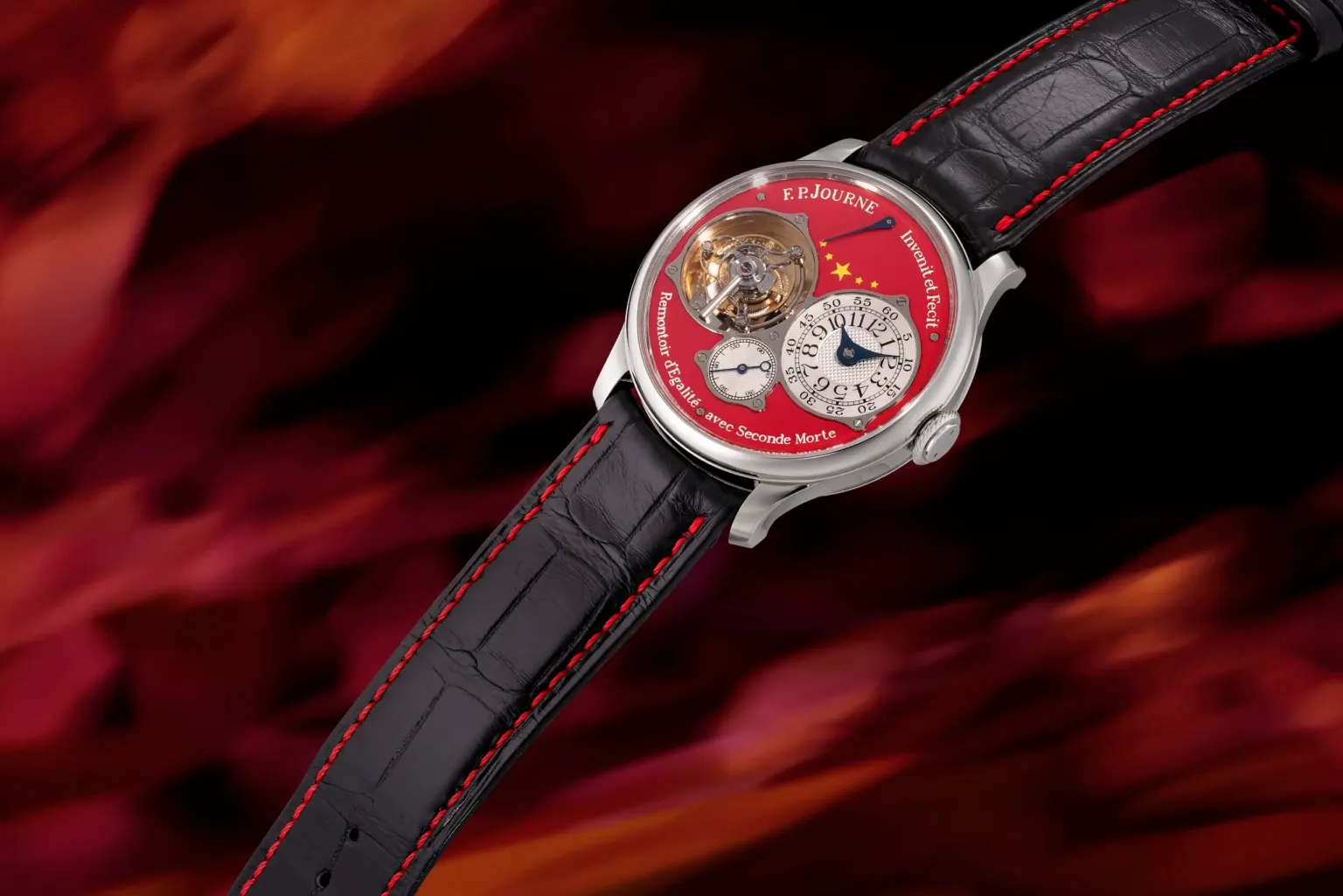
F.P. Journe, the season's headline,but in New York. The Souscription Résonance No. 007 (c. 2000, one of twenty) sold at Phillips New York for US$13.9m after a roughly nine-minute bidding war a world record for any watch by an independent maker and for any 21st-century watch at commercial auction.
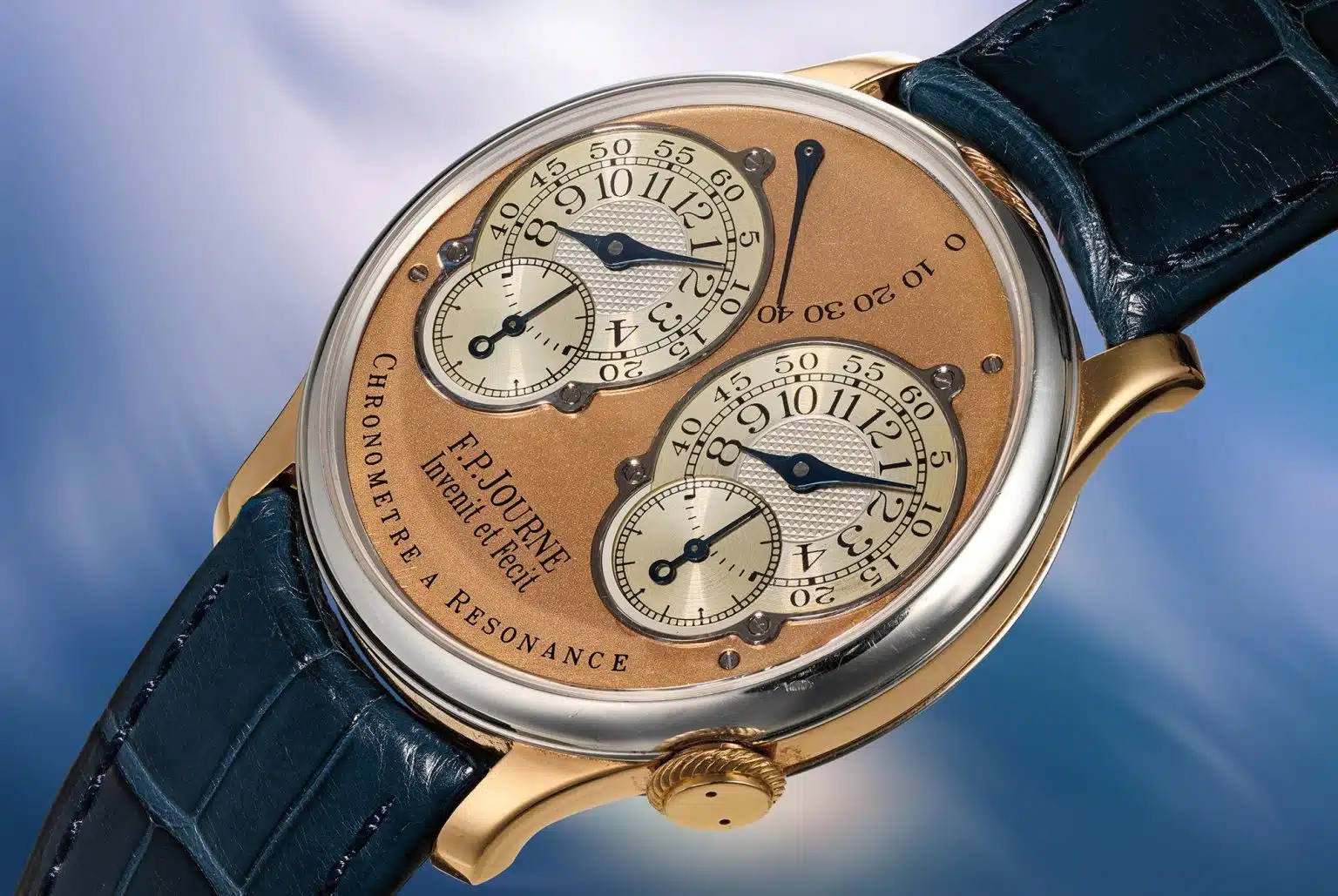
It was the season's top lot globally. Note the piece keeps the "nine-minute" scene as saleroom atmosphere; that specific war was New York's, not Hong Kong's, so recast or footnote it if you want strict geography.
The demographic claim. At Christie's Hong Kong this spring, new and younger buyers were reported as over 50% of new entrants, with millennials at roughly 47% of new watch registrants, and close to half of winning bids placed online the factual basis for "younger collectors now make up the majority of new entrants."
Independents named F.P Journe, Philippe Dufour, Voutilainen and Roger Smith all featured prominently across the season's independent lots; Akrivia stands in the piece as a representative top-table peer rather than a specific record-setter this season.
FAQs
1. Why did Hong Kong's Spring 2026 watch auctions attract global attention?
Hong Kong's Spring 2026 auctions set multiple world records, including the sale of a Patek Philippe Ref. 2499 for over US$10 million. Beyond the headline prices, the season highlighted a significant shift in collector preferences toward exceptional design, independent watchmakers, and genuine rarity.
2. Why are independent watchmakers becoming more valuable?
Independent brands such as F.P. Journe, Philippe Dufour, Kari Voutilainen, and Akrivia produce watches in extremely limited numbers with distinctive craftsmanship and creative vision. Their exclusivity, innovation, and low production volumes have made them increasingly sought after by collectors worldwide.
3. What does "design over hierarchy" mean in luxury watch collecting?
It refers to a growing trend where collectors prioritize originality, aesthetics, and artistic expression over traditional brand prestige. Watches like the Cartier Crash demonstrate that a unique design can command higher demand and auction results than more conventional models from larger brands.
4. What can everyday collectors learn from record-breaking auctions?
Collectors don't need million-dollar budgets to benefit from auction trends. Focusing on originality, excellent condition, documented provenance, and timeless design can lead to smarter purchases with stronger long-term collectability and value retention.



.webp)