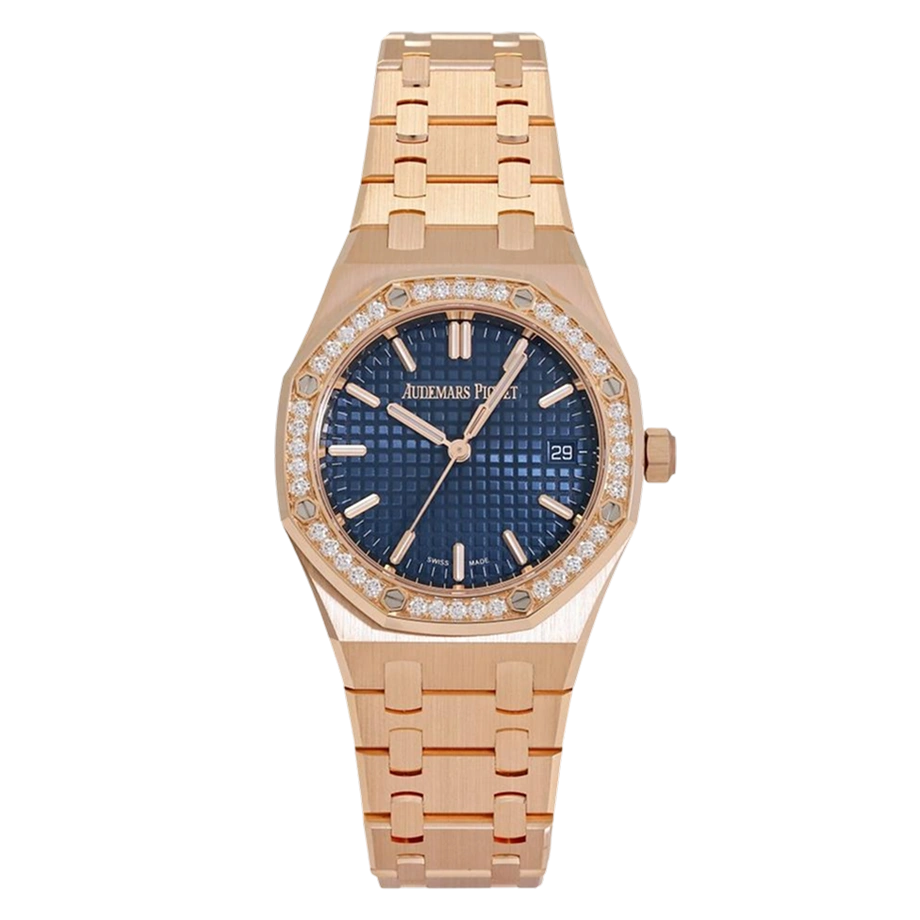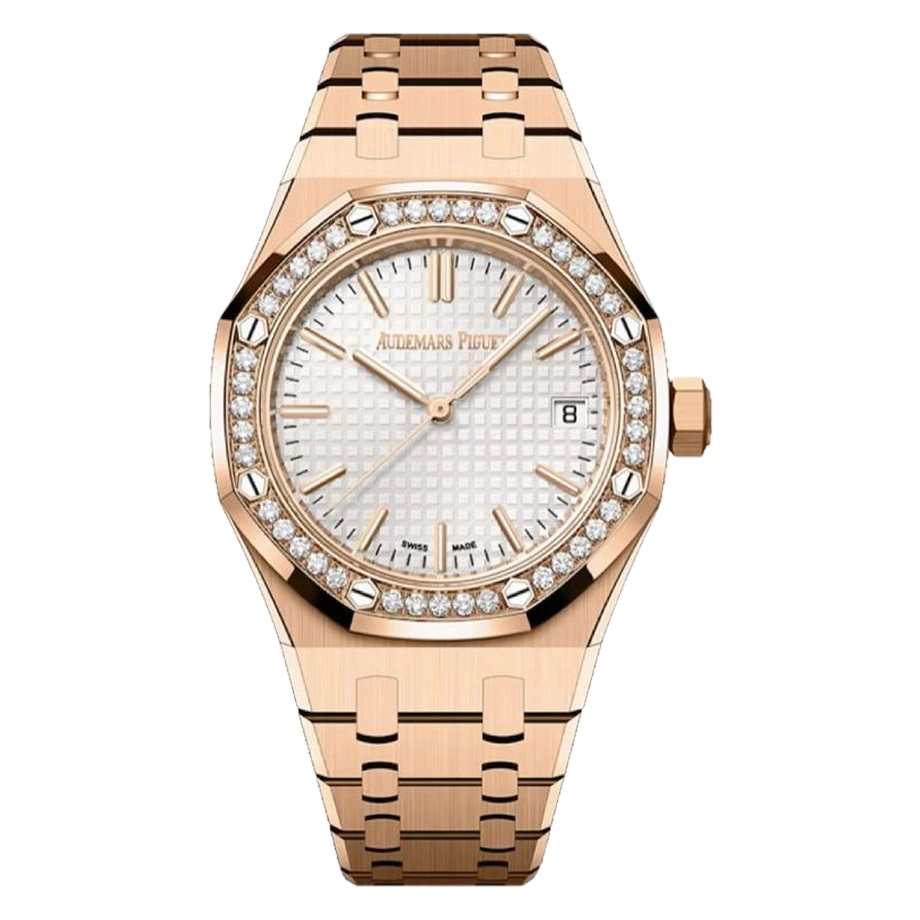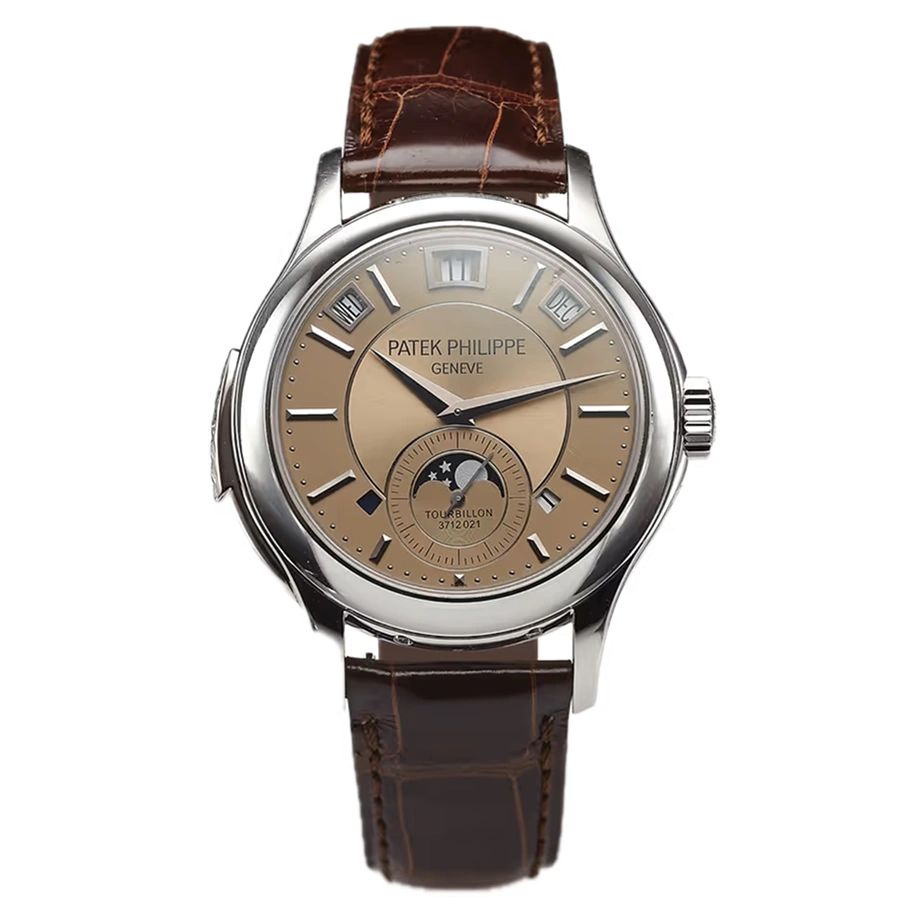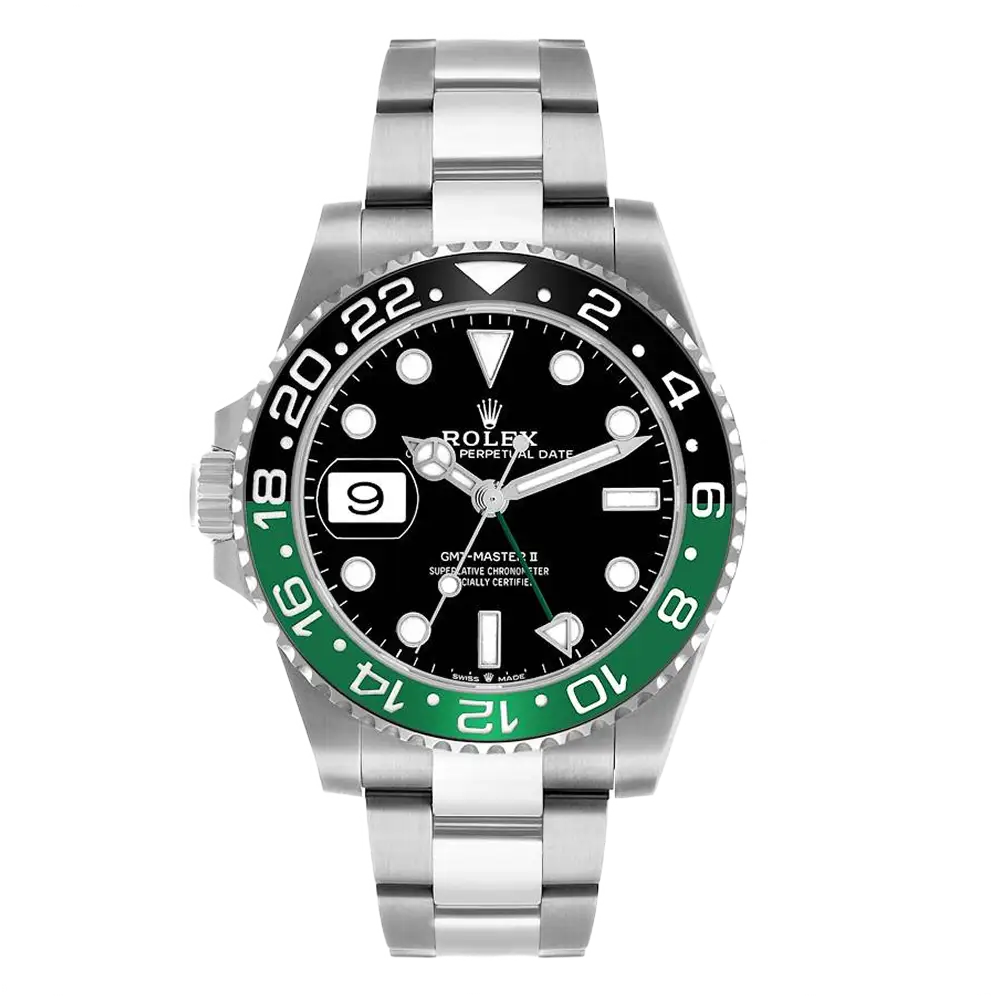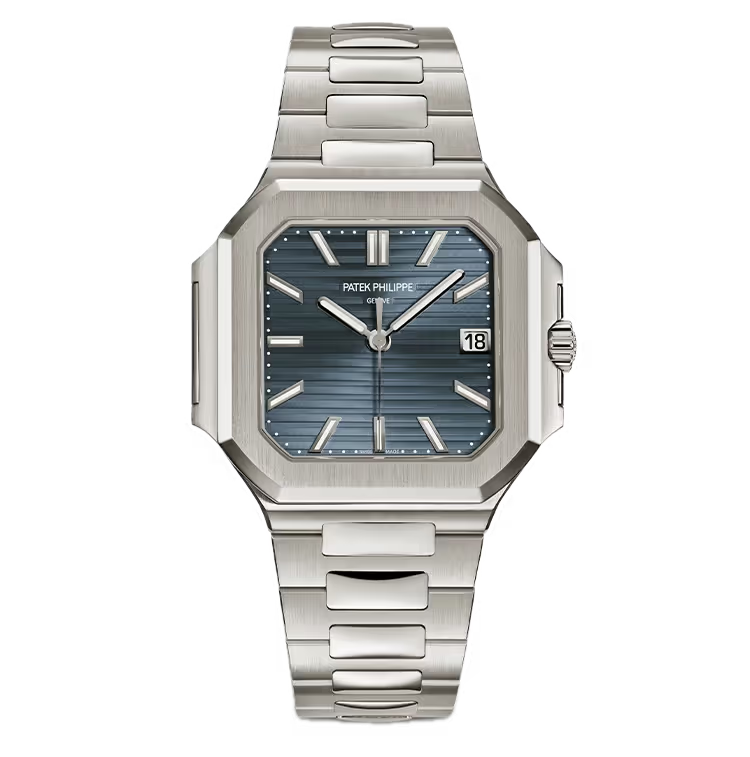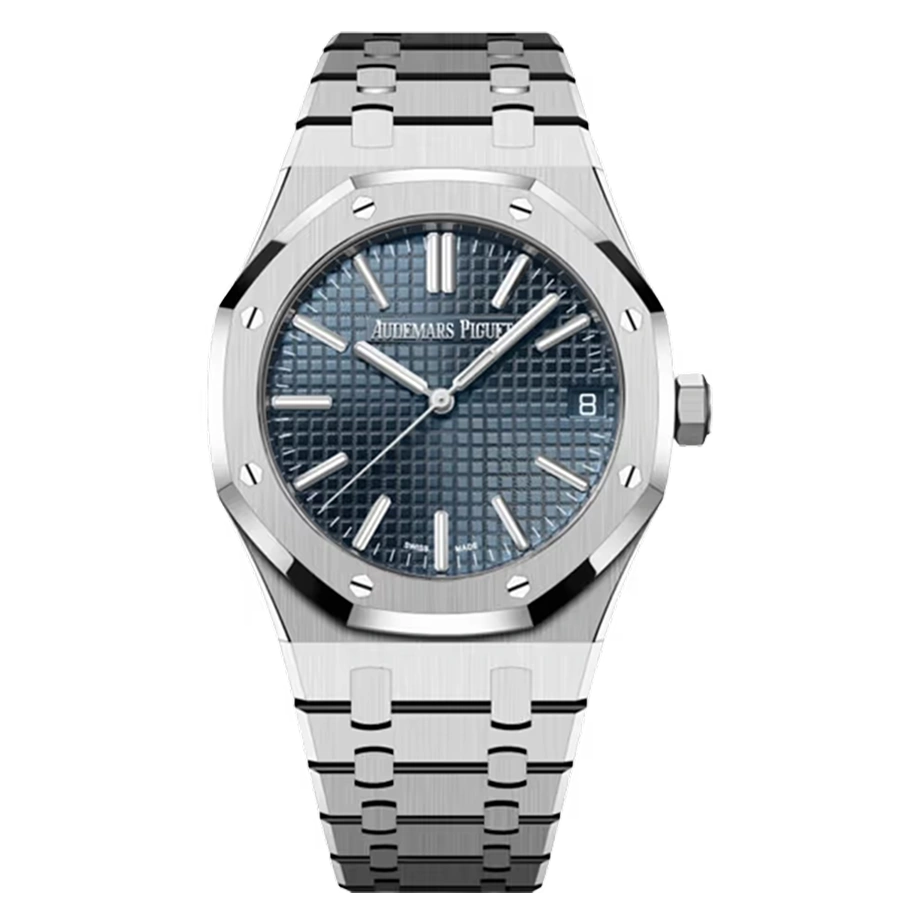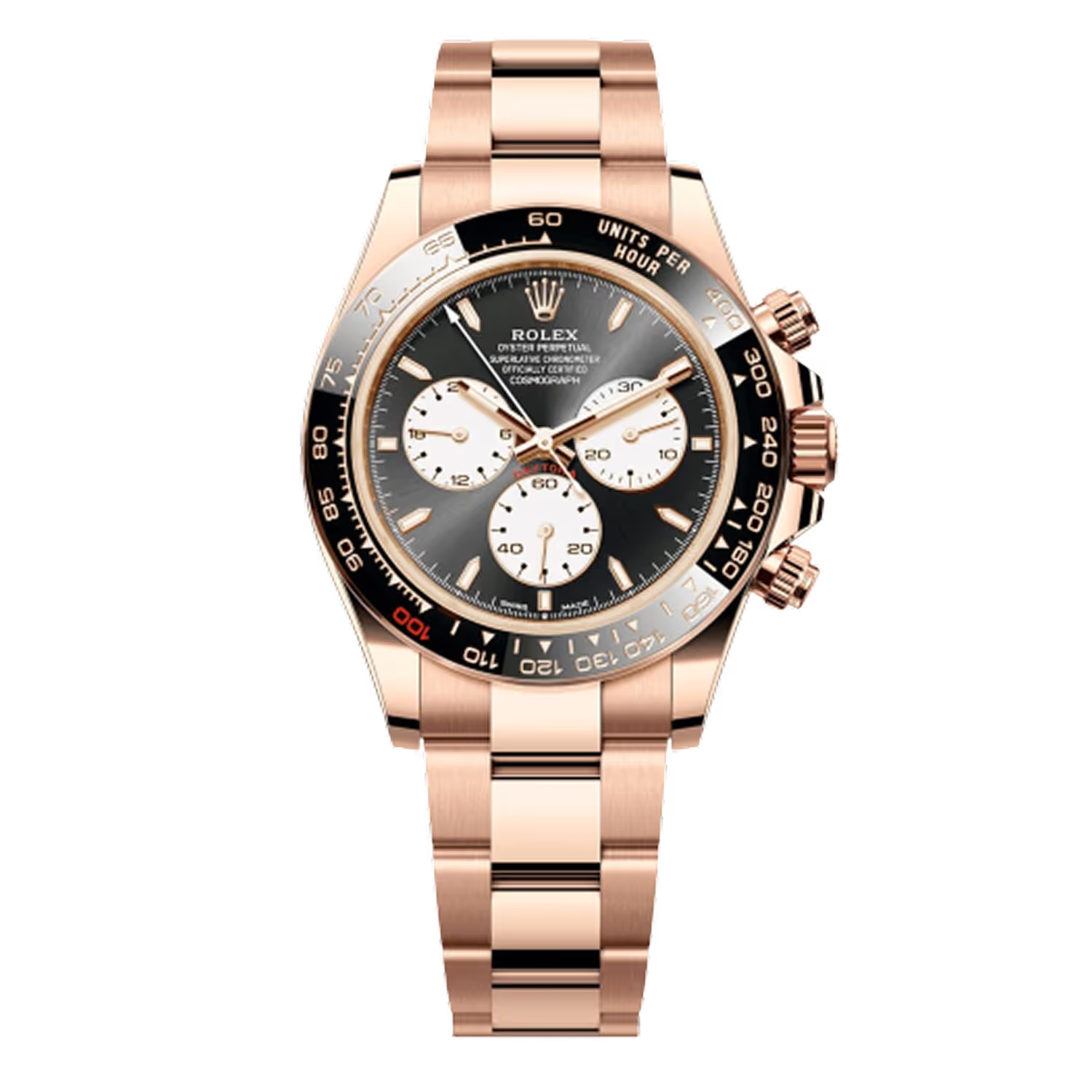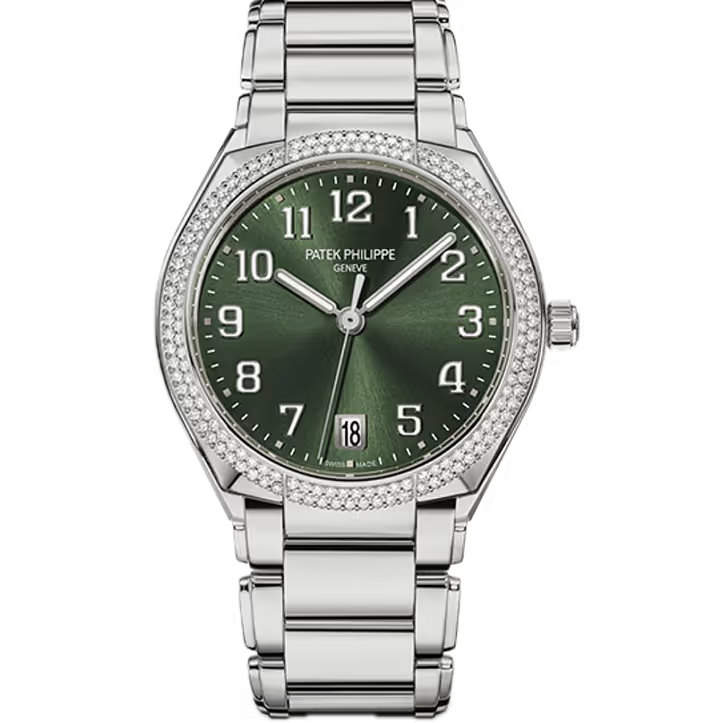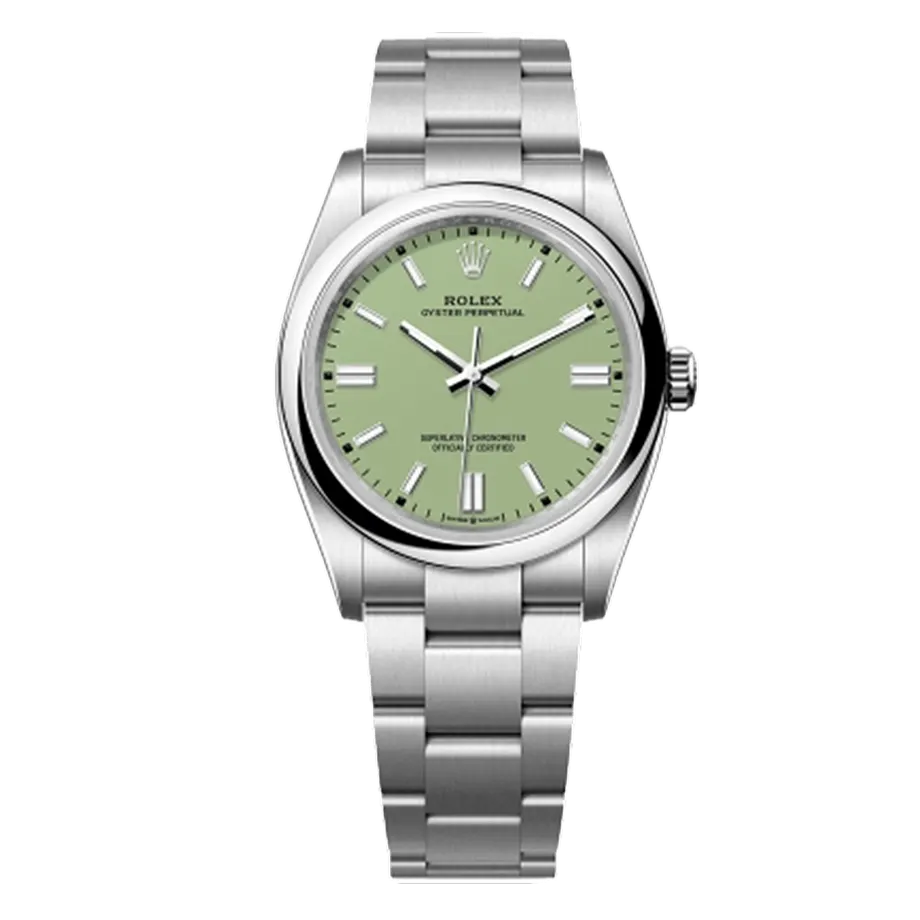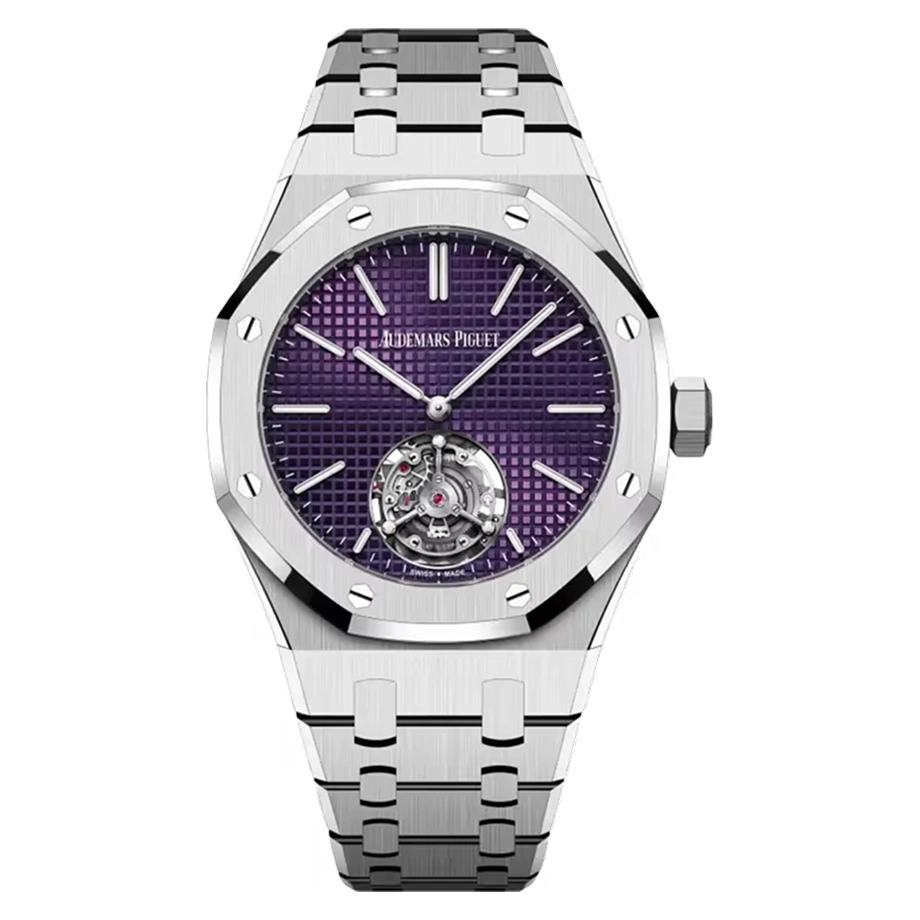
“Streets thought they were getting an AP” is the cruel little refrain currently ricocheting around the Internet following Audemars Piguet’s latest surprise.
Collectors, myself included, thought we were about to witness the birth of a plastic Royal Oak somehow even uglier than the Spider-Man and Black Panther Royal Oaks—no small feat. Thanks to AI-generated mock-ups circulating online, even seasoned enthusiasts were forwarding me images of imaginary bioceramic Royal Oaks they genuinely believed had leaked ahead of launch.
Instead, Audemars Piguet delivered something far more calculated: a cross-marketing masterclass.
The 411
Since her appointment as CEO of Audemars Piguet in January 2024, Ilaria Resta has been treated with suspicion by portions of the watch community—an “outsider” plucked from the FMCG world and parachuted into one of haute horlogerie’s most insular institutions.
This week, however, her commercial instincts became impossible to ignore.
Unveiled in the early hours of 13th May, the AP × Swatch Bioceramic Royal Pop is effectively Schrödinger’s Royal Oak: simultaneously a Royal Oak and not a Royal Oak at all.
Crafted in bioceramic and offered in eight colours, the collection comprises two Savonette configurations—where the numeral 3 aligns with the crown and lugs—and six Lépine configurations, where the 12 aligns with them instead. Each model is named after the number “eight” in a different language, followed by its corresponding colour.
The 40mm pocket watch offers 20m of water resistance and a 90-hour power reserve. It launches globally at Swatch boutiques on 16th May, limited to one piece per customer.
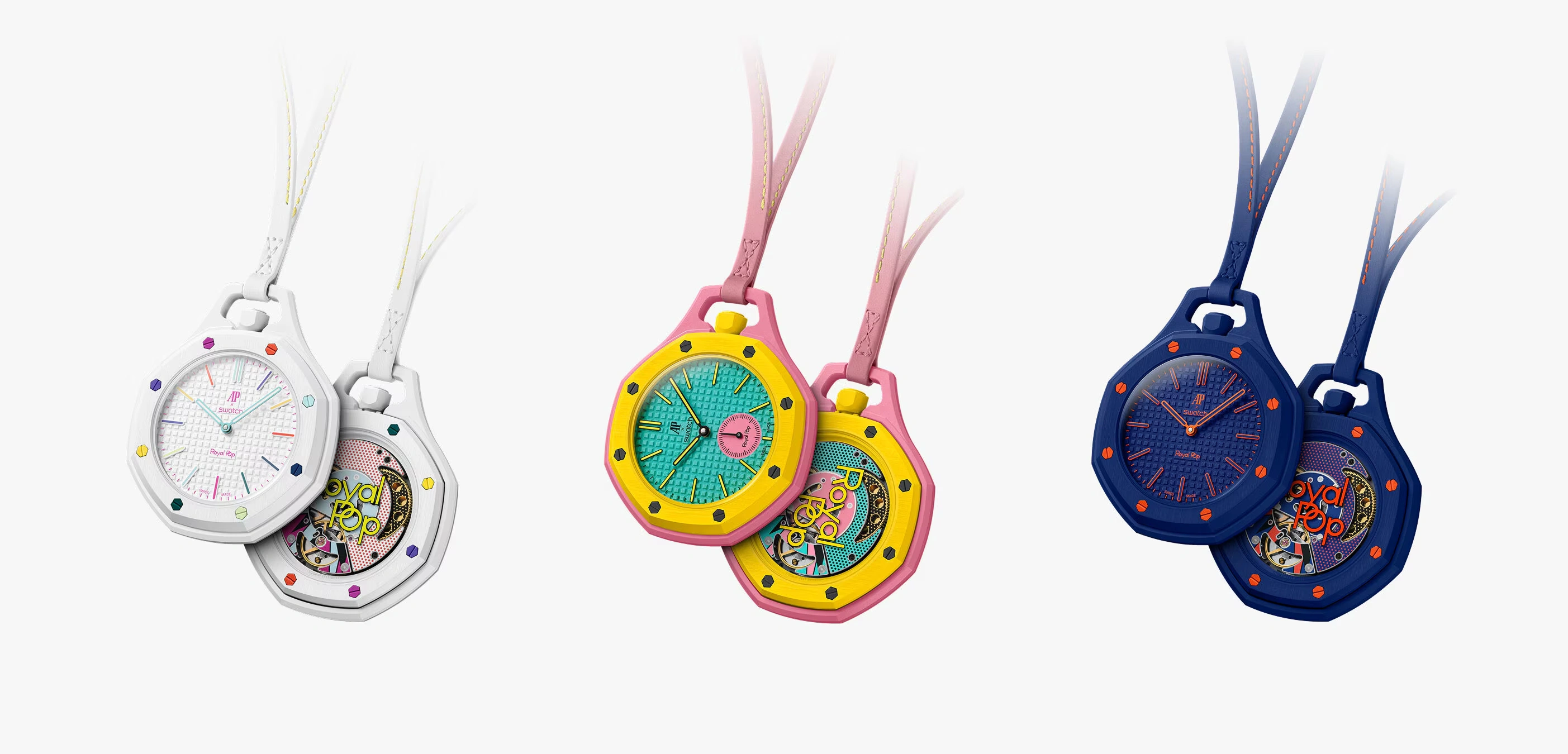
For years, Resta has openly discussed her desire to make Audemars Piguet appeal to women and younger audiences—demographics historically peripheral to what was, frankly, an exclusive rich boys’ club encased in secondary market arrogance. This detachable trinket, capable of hanging from a handbag strap or sitting atop a desk like a miniature clock, feels unmistakably like her thesis statement.
Tchotchkes attached to everyday carriers have recently evolved from fashion accessories to subtle signals of wealth. Priced at US$400 and US$420 for the Lépine and Savonette variants respectively, the Royal Pop is evidently designed to ride this wave, costing roughly the same as a rare Labubu figurine. Somehow, Resta has managed to create the next great masstige accessory without humiliating either the AP or Royal Oak names in the process.
At its core, the watch remains recognisably Swatch. It is not powered by some hand-finished mechanical marvel dreamt up by Giulio Papi, but by Swatch’s dependable SISTEM51 movement, which is entirely robot-assembled in Switzerland.
Bioceramic, meanwhile, remains marketing-friendly shorthand for a blend of ceramic powder and castor oil derivative, the same material found in countless colourful Swatches designed to be bought impulsively and forgotten just as quickly.
Yet the Royal Pop contains just enough seriousness to prevent it from collapsing into parody.
Its upgraded manually wound SISTEM51 movement incorporates Audemars Piguet’s Nivachron™ balance spring, visible through the transparent caseback, alongside eight additional patents. Perhaps the most intriguing among its patented features is the colour-changing barrel drum, which visually indicates the remaining power reserve.
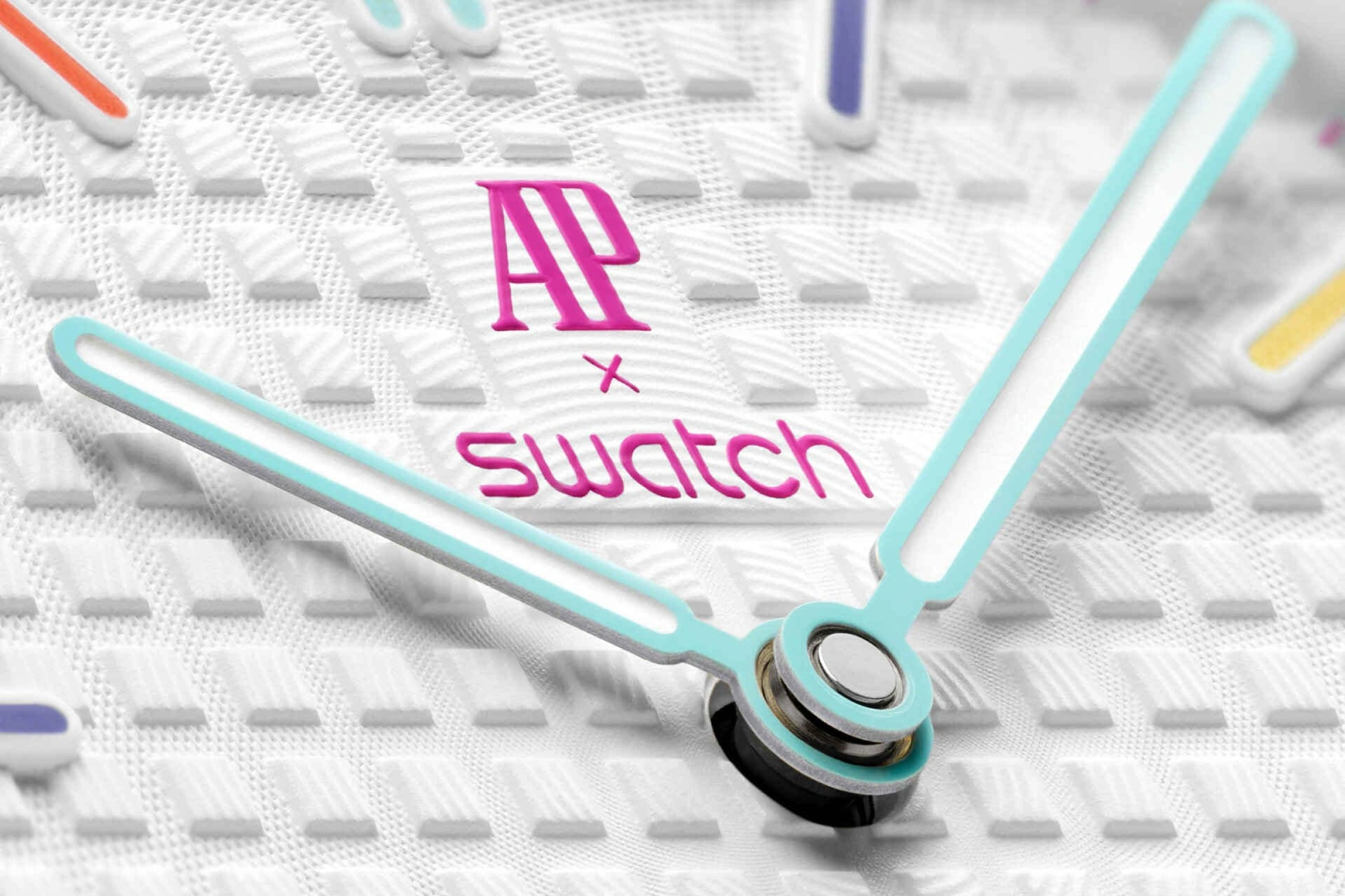
The watch also avoids the cardinal sin of many luxury collaborations: mockery through imitation. Its Gérald Genta-inspired octagonal bezel and petite tapisserie dial evoke the Royal Oak without descending into caricature.
Even the tactility appears unusually considered. Swatch and Audemars Piguet reportedly spent considerable effort refining the smoothness of the bioceramic case and the satisfying mechanical click of the detachable watch head.

Watch and Learn
Has Resta finally silenced her detractors? Perhaps not entirely. But the Royal Pop succeeds precisely where most luxury collaborations fail.
Long before the bewildering Gucci × Adidas experiment of 2022, the template for modern luxury-mass-market collaborations arguably began with H&M × Karl Lagerfeld in 2004. The underlying problem with these partnerships has always remained the same: luxury brands inevitably concede a desire to become culturally relevant again, and in doing so, they risk puncturing the very mystique that made them aspirational in the first place.
Did buyers of H&M × Karl Lagerfeld suddenly develop ambitions to own full-fledged Karl Lagerfeld merchandise? Some, certainly. Most probably did not.
The MoonSwatch demonstrated both the brilliance and danger of this formula. Today, nearly everyone with functioning eyesight recognises the Omega × Swatch MoonSwatch. Yet paradoxically, actual Omega Speedmasters now feel less visible than before. Familiarity may breed affection, but it also breeds normalisation.
In the years following the MoonSwatch’s 2022 release, Omega fell from the world’s third-highest grossing Swiss watch brand to fifth.

The damage and discrepancy: According to Morgan Stanley and LuxConsult figures highlighted by WatchPro, Swatch’s sales rose from CHF 420 million to CHF 474 million between 2022 and 2025, while Omega’s declined from CHF 2.5 billion to CHF 2.2 billion.
Put simply, when a luxury company dilutes the very symbol sustaining its desirability, it is effectively spending decades of accumulated prestige in exchange for a few quarters of algorithmic relevance.
Blancpain learned this lesson the hard way with the Blancpain × Swatch Bioceramic Scuba Fifty Fathoms—a collaboration that arrived to considerably more confusion than excitement. Consumers struggled to reconcile one of horology’s most historically important dive watches with something resembling a children’s toy purchased from an aquarium gift shop.
Again, we must ask the tough questions. Did consumers flock to the MoonSwatch and Scuba Fifty Fathoms because they were affordable? Absolutely.
Did many subsequently aspire to purchase the five-figure luxury originals? Far fewer than the brands likely hoped.
And this is where Resta appears to have said: hold my drink.
The Royal Pop harvests the viral frenzy of queues, resale speculation, and social media hysteria while remaining sufficiently detached from the actual Royal Oak that it never threatens the legitimacy of the real thing.
No owner of a Royal Pop will genuinely convince themselves that they no longer desire an actual Audemars Piguet.
In fact, the opposite may happen.
Luxury thrives on tension, on the perpetual gap between aspiration and ownership. A Royal Pop dangling from handbags across global cities functions less as a substitute for the Royal Oak than as a permanent advertisement for it.

The Wider Problem
That said, no drop—however cleverly conceived—will single-handedly solve Audemars Piguet’s broader challenges.
Resta inherited a market already suffering the aftereffects of the crypto-era speculative boom. During the pandemic frenzy, collectors convinced themselves that luxury sports watches were appreciating financial instruments rather than jewellery with escapements.
Eventually, gravity returned.
Royal Oaks that once traded at absurd premiums have corrected sharply, though many still command healthy margins, as they should. Pieces that approached seven figures during peak mania have drifted back toward something resembling earthly valuation. The market is no longer rewarding scarcity alone; it is rewarding conviction.
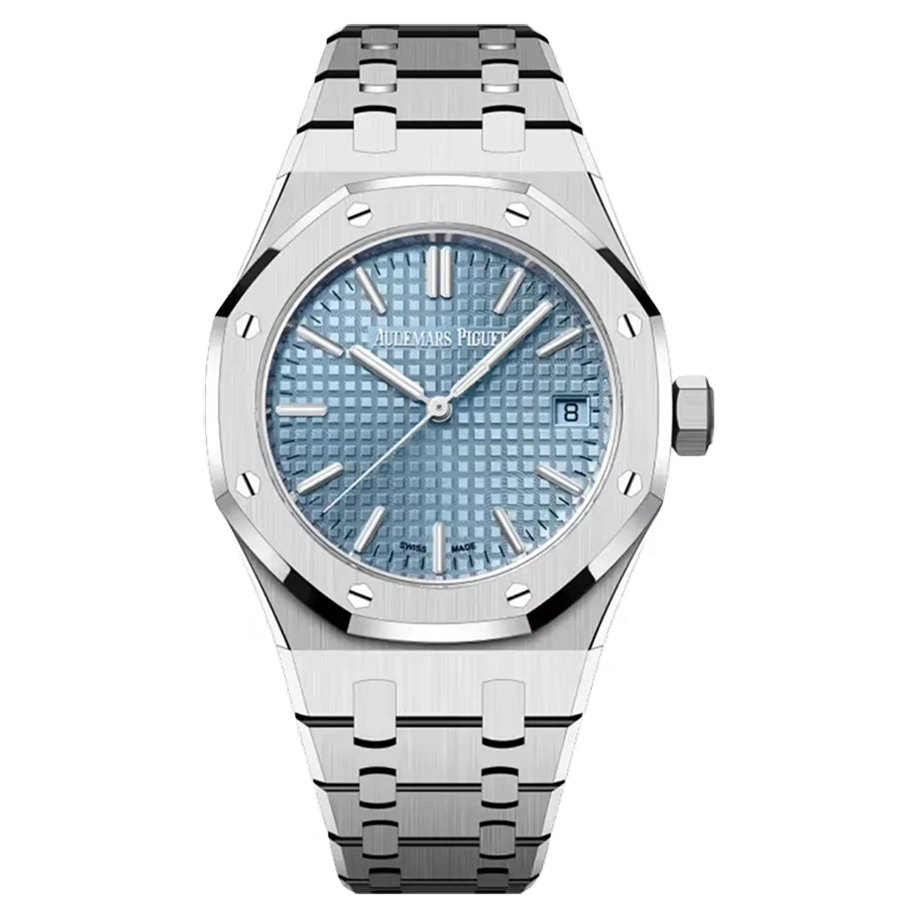
And while many privately owned watch brands continue trumpeting bold turnover figures, Audemars Piguet has struggled to preserve the untouchable aura once reflected in its secondary market prices. The platinum green-dial Royal Oak, for instance, famously soared towards US$900,000 during the Covid years, before collapsing nearer to US$240,000. The resulting consternation many Royal Oak owners now feel is understandable.
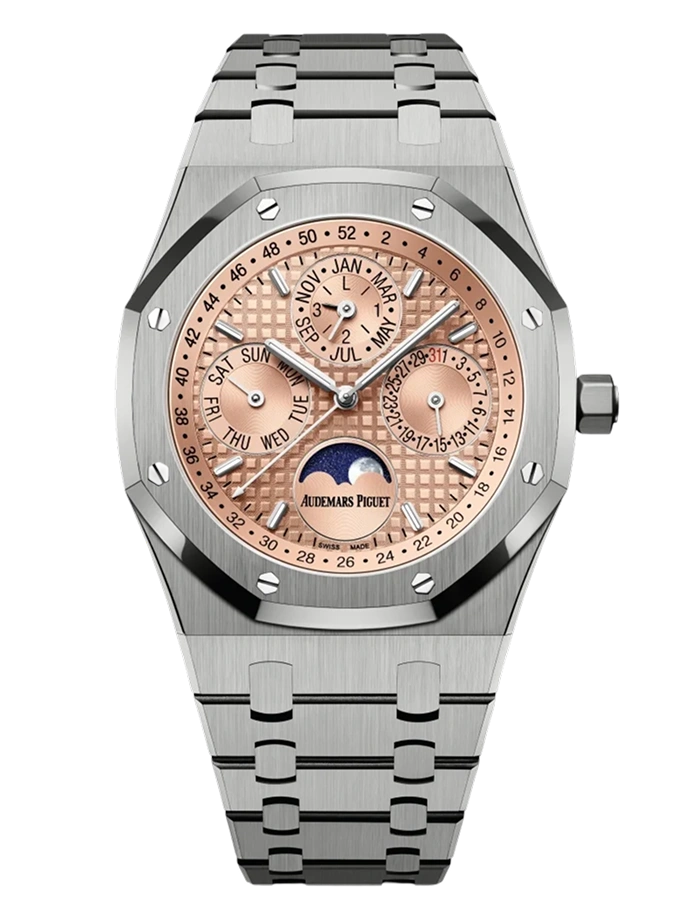
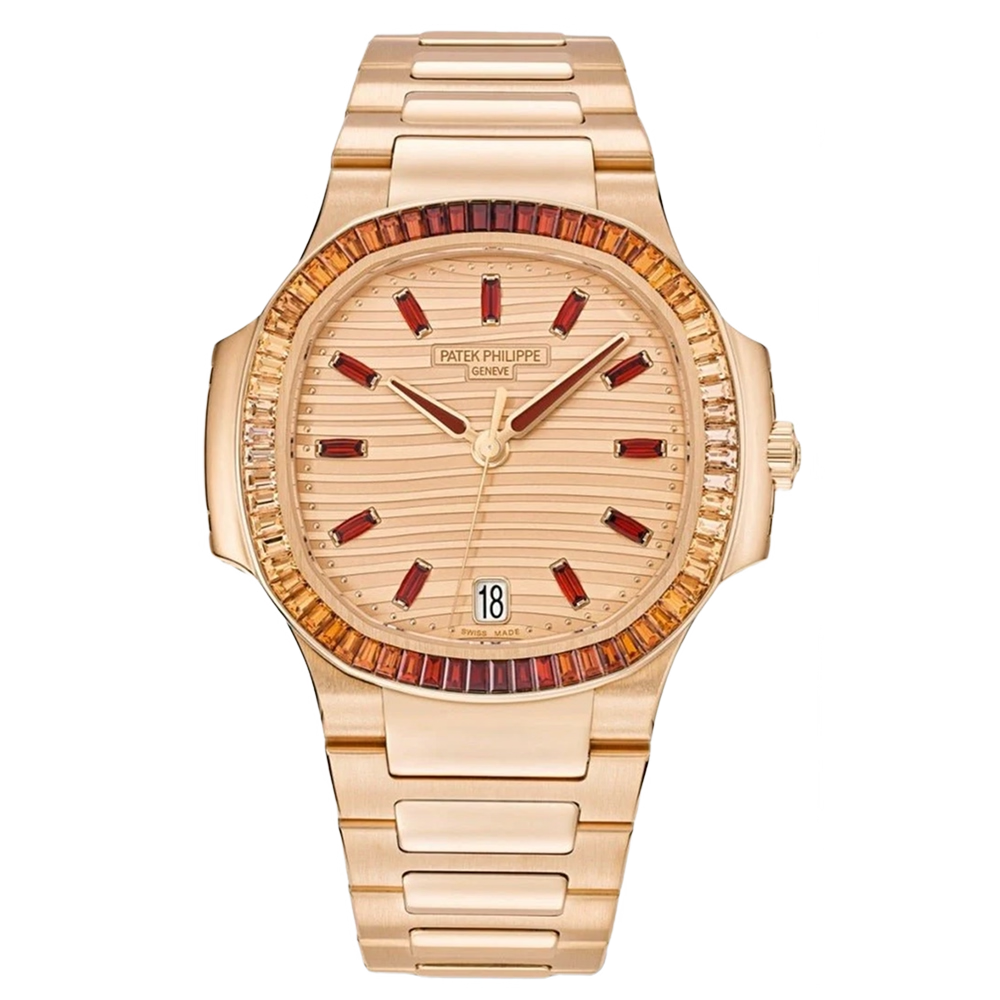
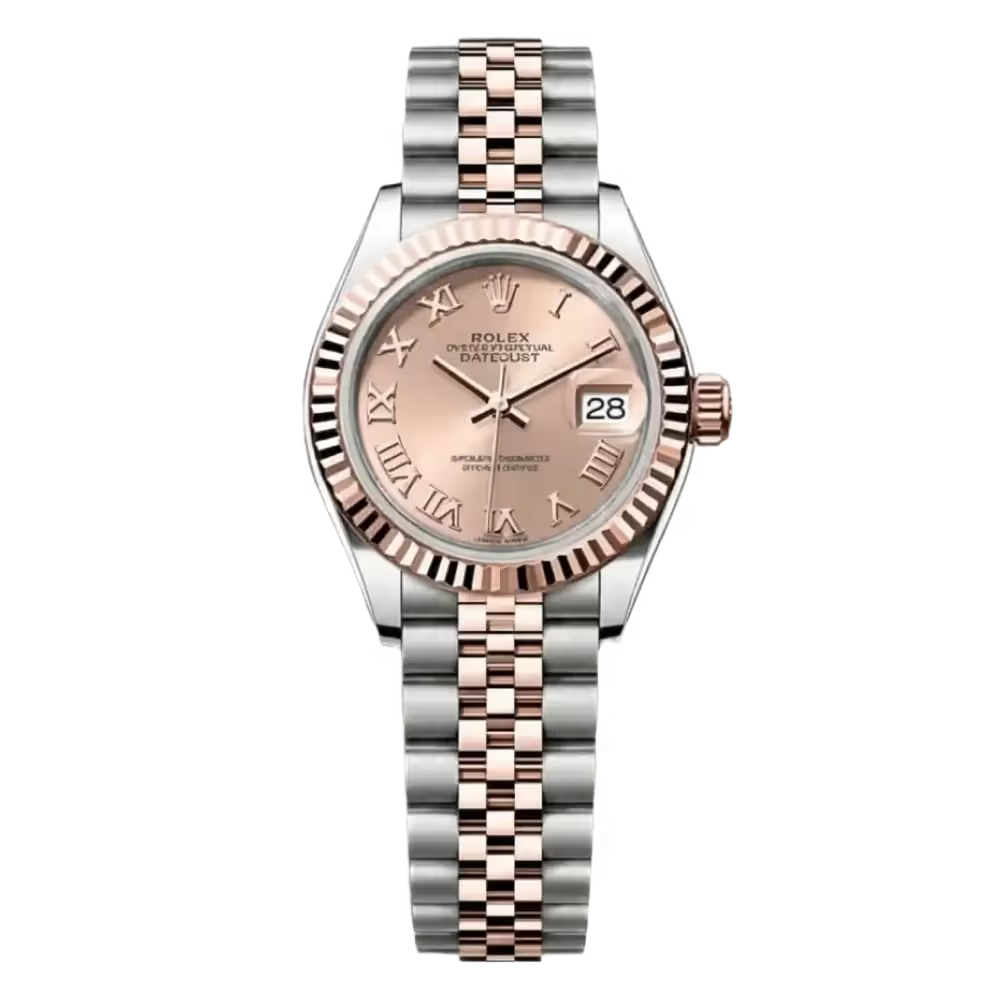
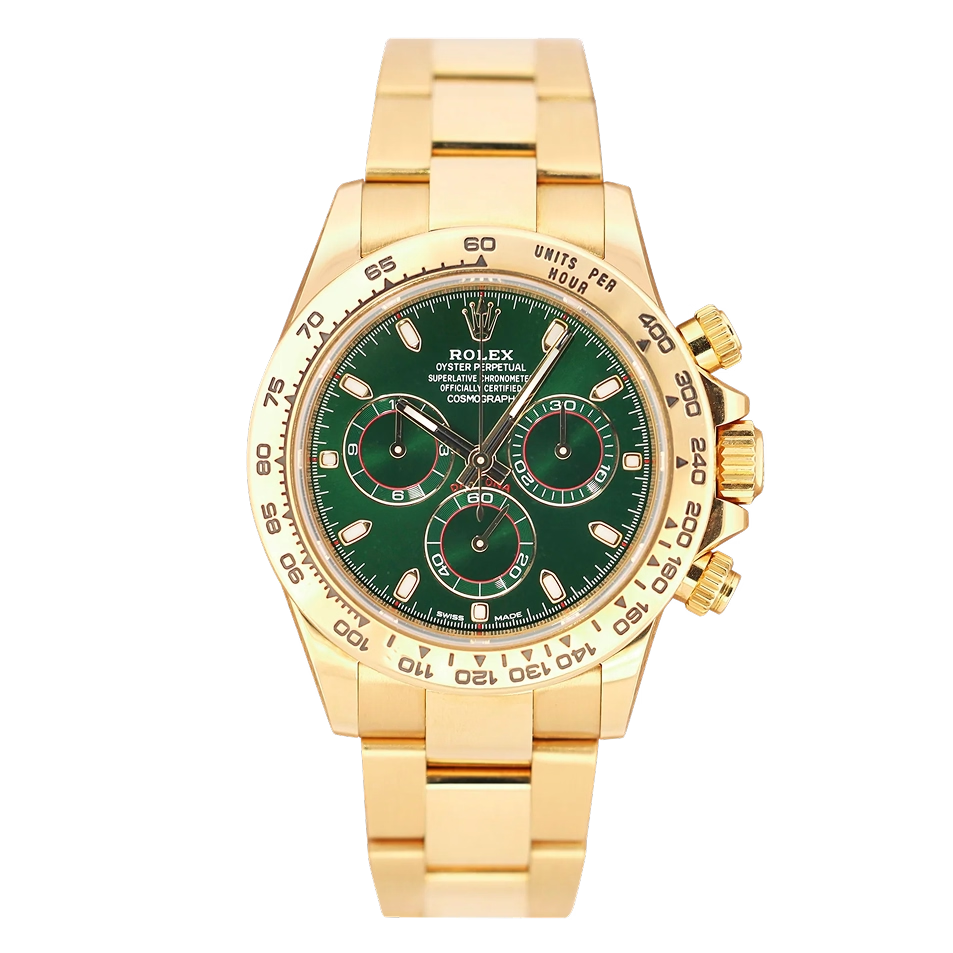
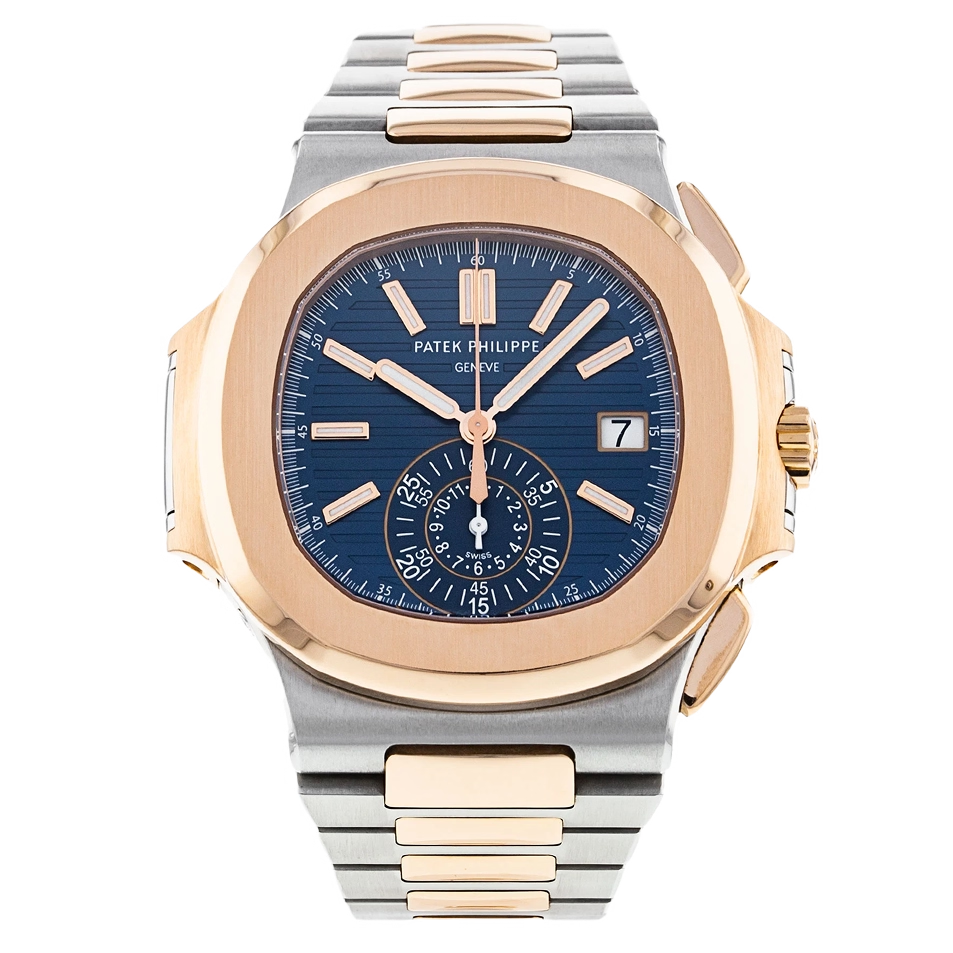
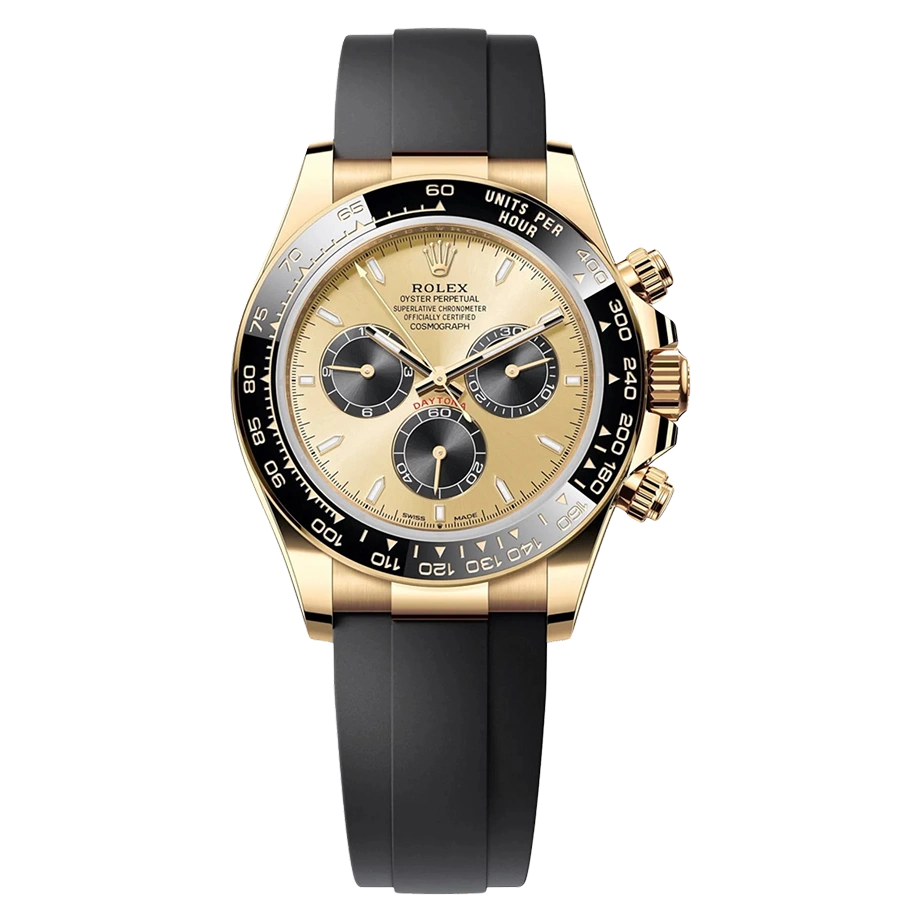
Audemars Piguet has been feeling the heat, particularly because it exists in permanent comparison with Rolex and Patek Philippe—brands whose secondary market strength remains a shorthand for desirability in the minds of many collectors. Publicly accessible platforms like Chrono24 and WatchCharts have only intensified that scrutiny, laying bare an uncomfortable reality: AP could no longer rely on hype and scarcity alone. It needed to reinforce the desirability not merely of the Royal Oak, but of the Audemars Piguet name itself.
So when AI-generated mock-ups of plastic Royal Oaks began flooding the Internet this week, collectors feared the worst—that Audemars Piguet had doubled down on accessible luxury in pursuit of volume. The Royal Oaks in their safes were going to become *gasp* accessible to others.
Instead, “the streets” discovered they were definitely not getting a cheap AP.
Where previous Swatch collaborations often resembled self-inflicted wounds—publicity stunts that eroded reputations accumulated over decades—the Royal Pop feels different. Rather than flattening the Royal Oak into a toy, it reframes it as cultural iconography.
And in doing so, Audemars Piguet may have achieved something surprisingly rare in modern luxury: relevance without surrender.

Even within the SRK team, we're divided over this collaboration. Some of us see this as an ingenious, trend-conscious move, which invites younger consumers to partake in Audemars Piguet’s hallowed ecosystem. But the rest of us see this as a potential faux pas. For those who share the latter sentiment, you can imagine the other grail brands quietly observing from the sidelines, with the famous Sun Tzu/Napoleon Bonaparte quote in mind: "Never interrupt your enemy while he's making a mistake."
If you seek clarity in the realm of watches and would like to learn more about sought-after timepieces, feel free to drop SRK Haute Horlogerie a message.