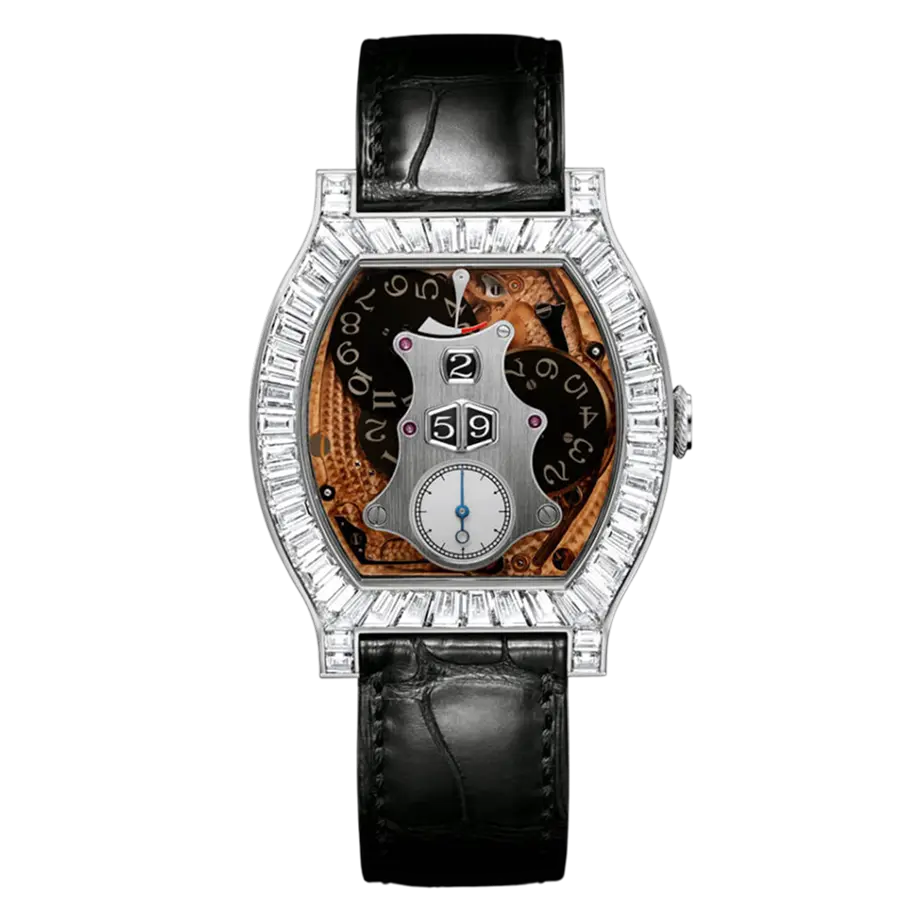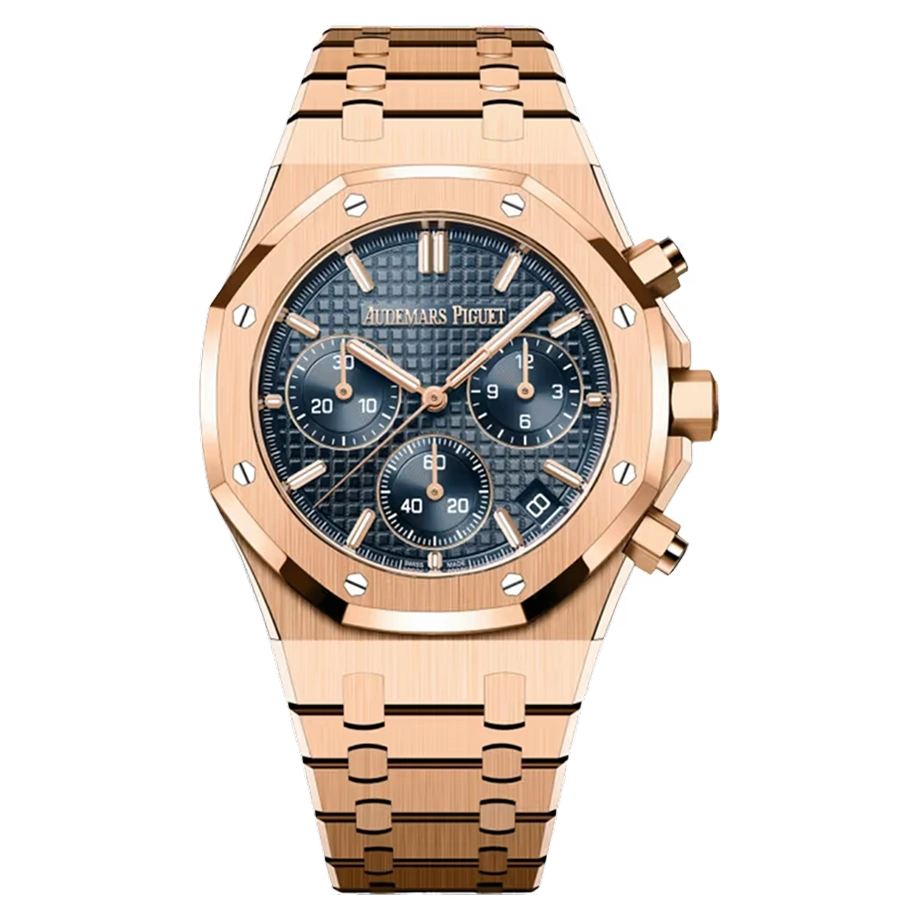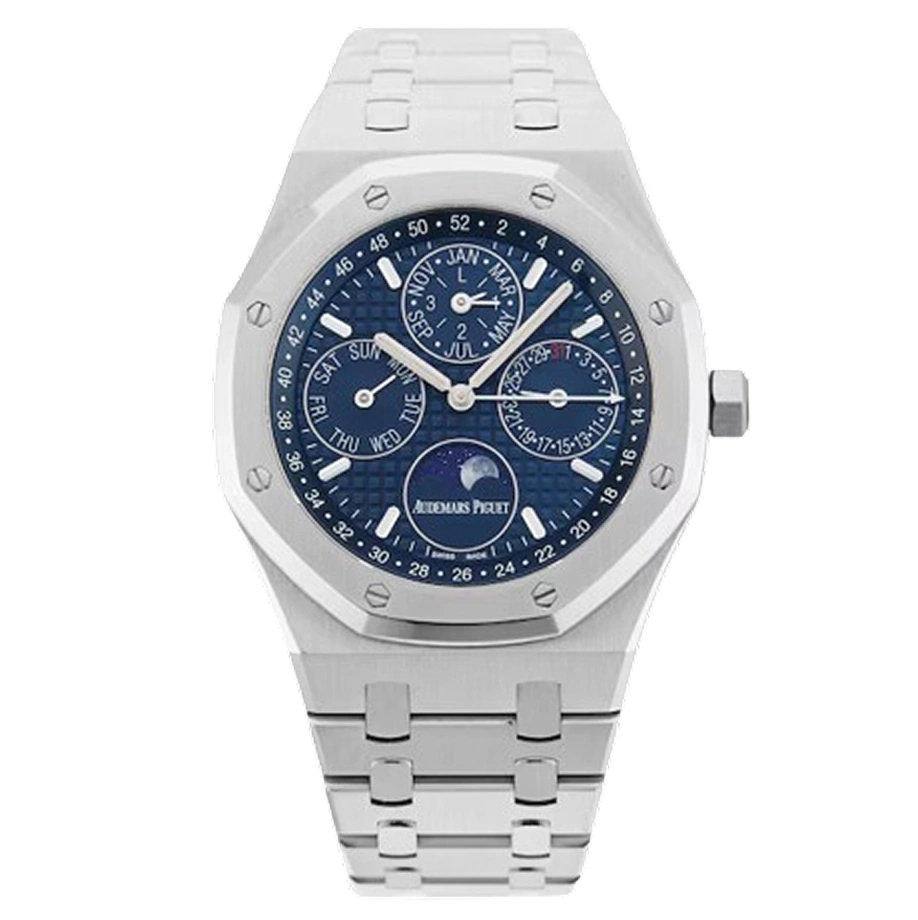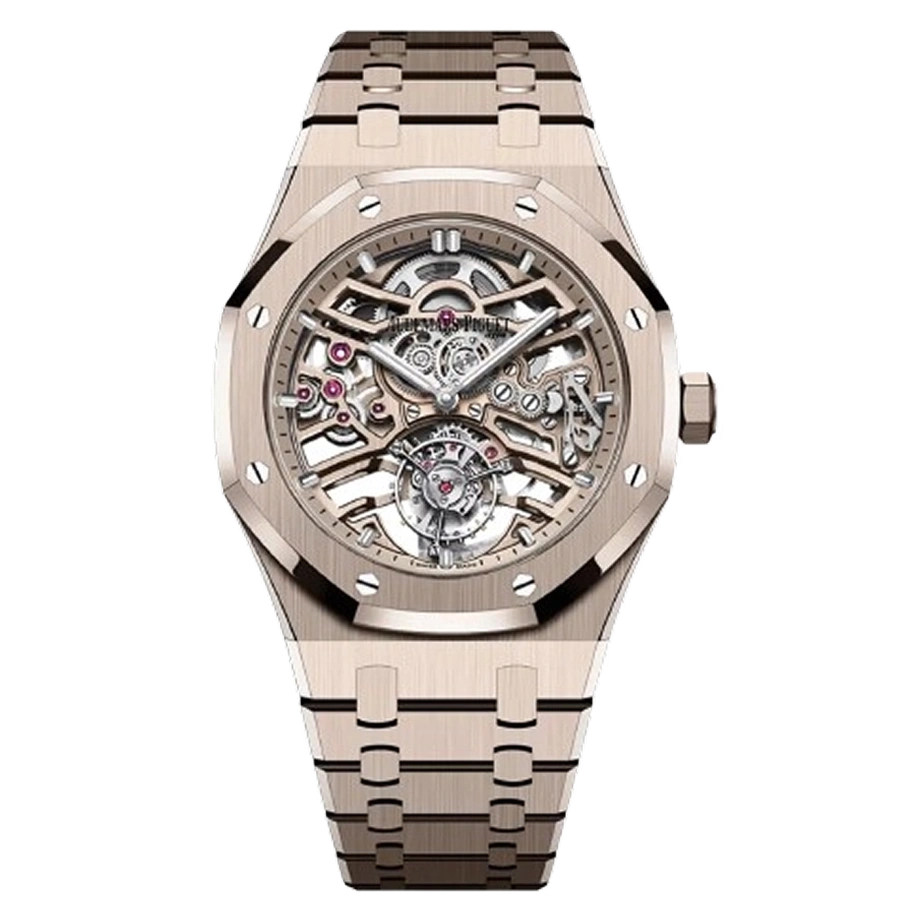
2026 marks the golden jubilee of a veritable game-changer in the world of high-end horology.
At SRK Haute Horlogerie, we believe no serious watch collection is truly complete without a Patek Philippe Nautilus—an object that, half a century on, remains one of horology’s most coveted and culturally loaded icons. In this essay, we look back at the history, evolution and influence of the Nautilus as we celebrate its 50th birthday!
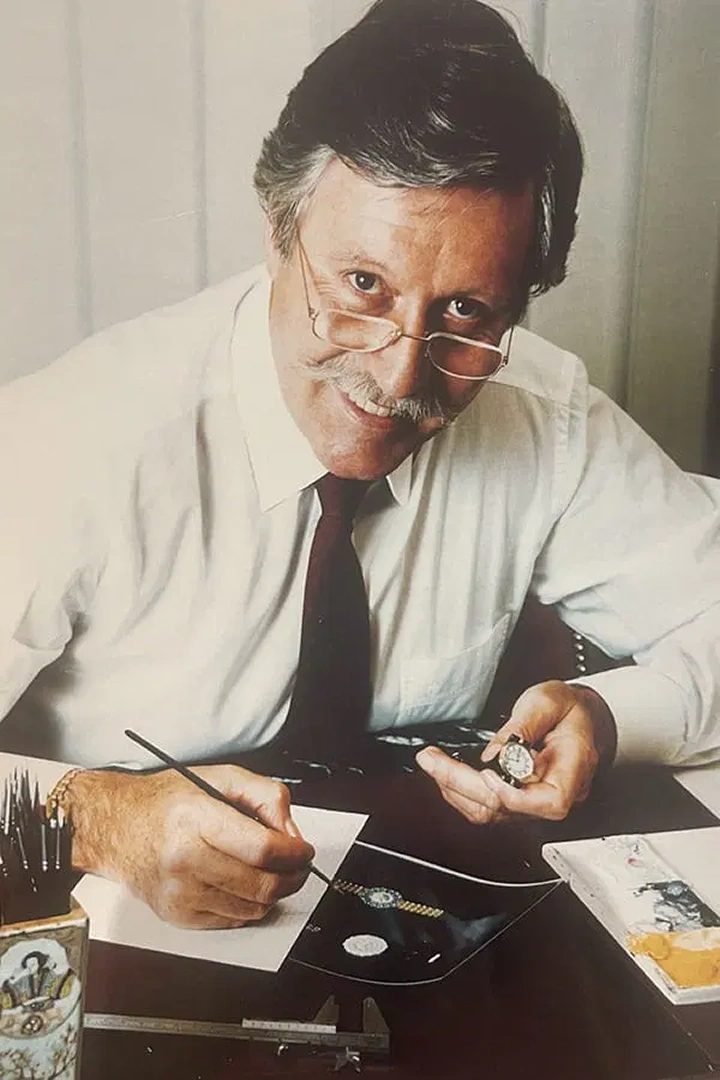
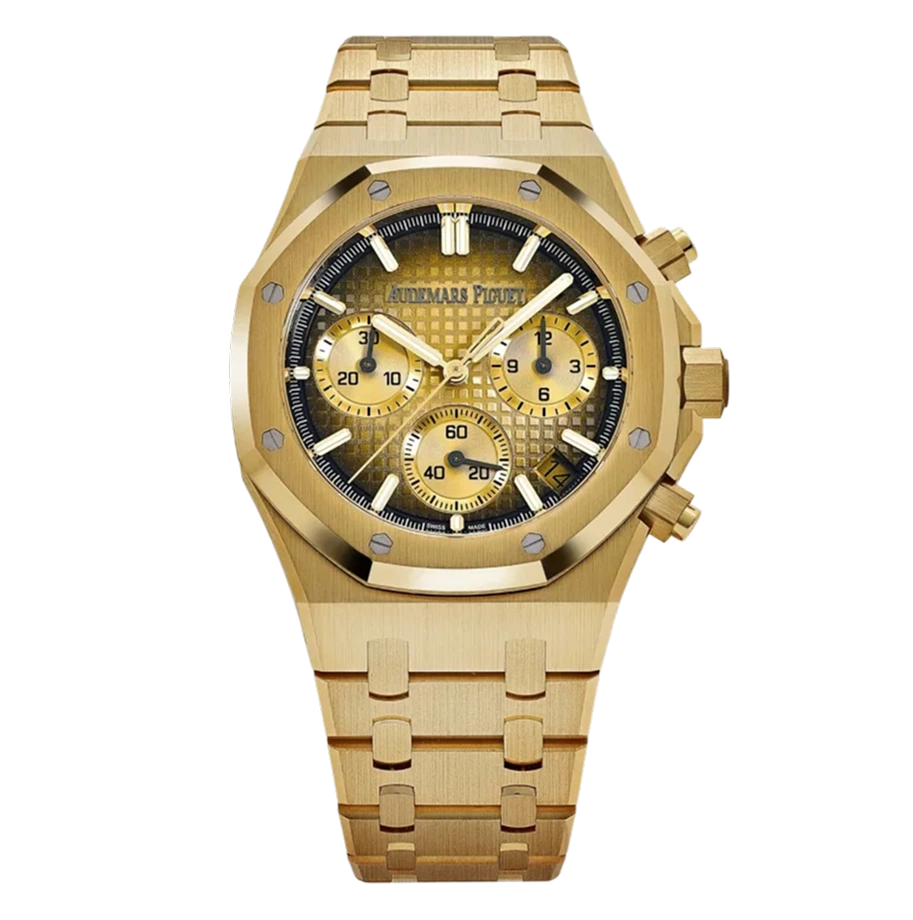
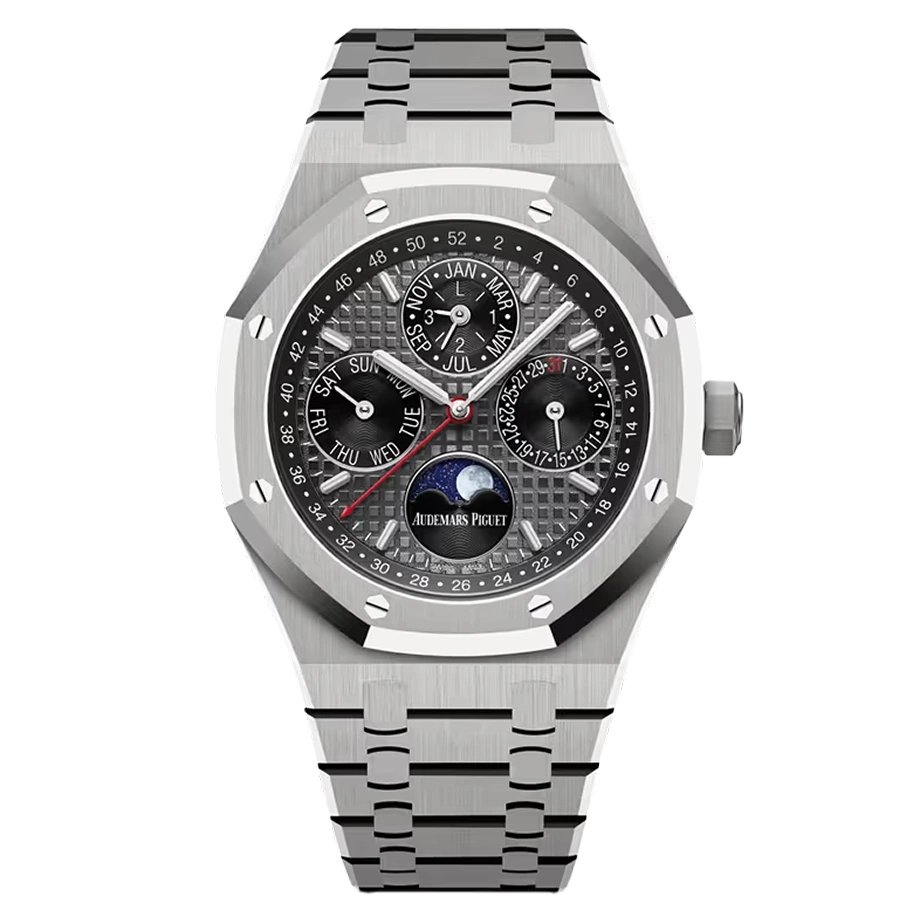
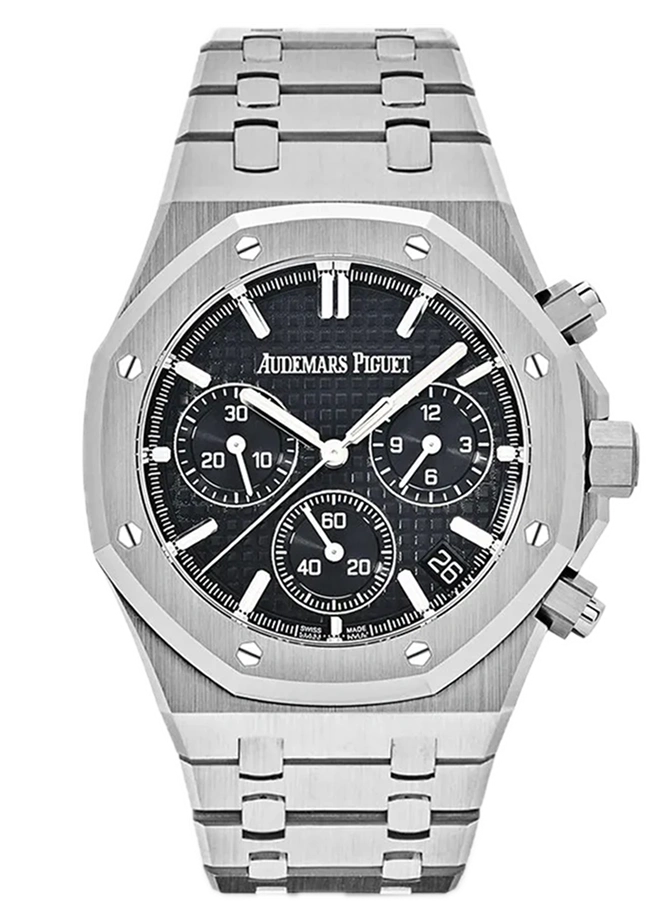
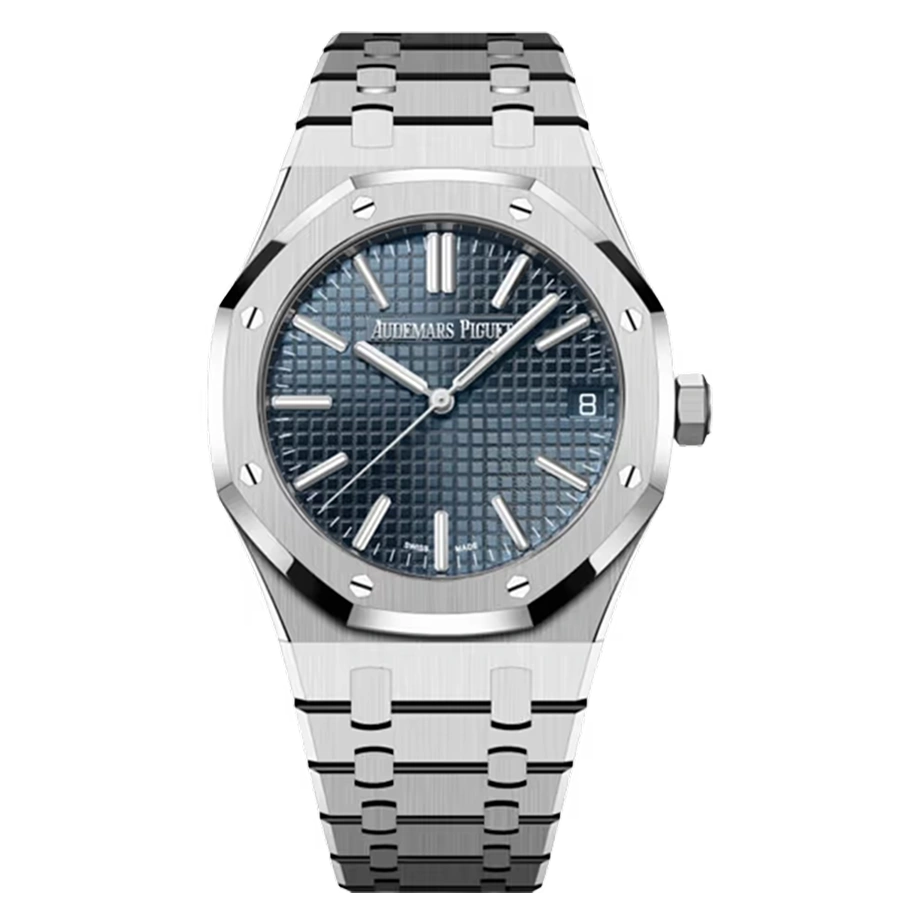
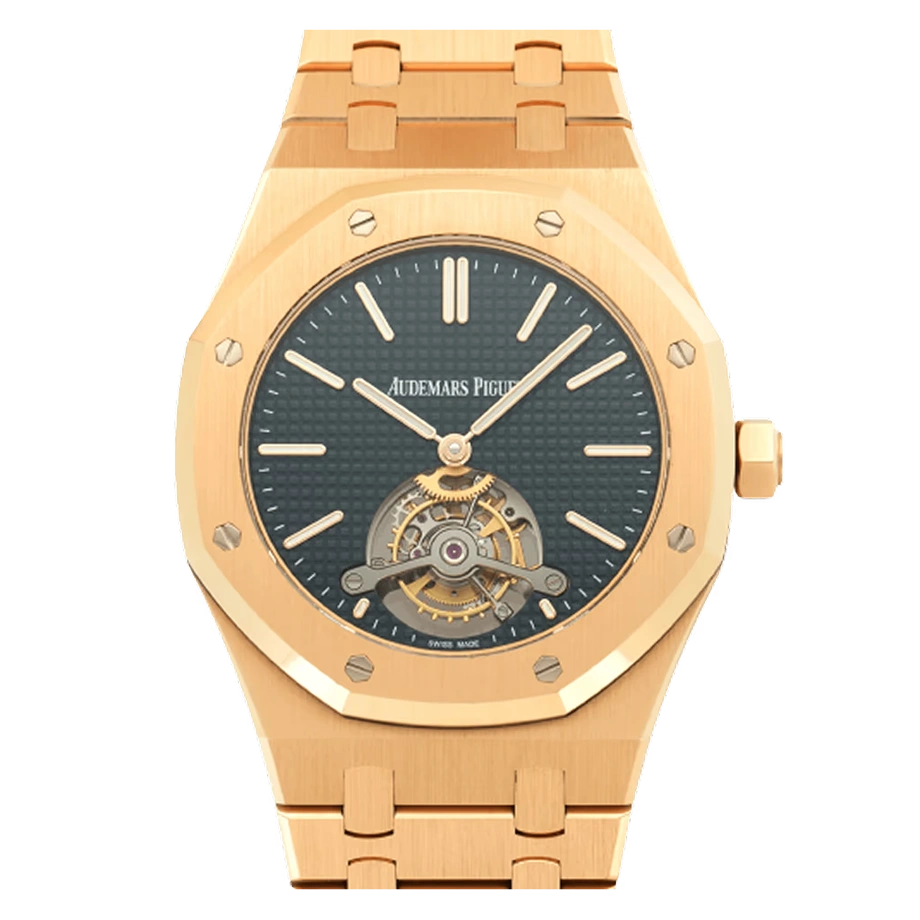
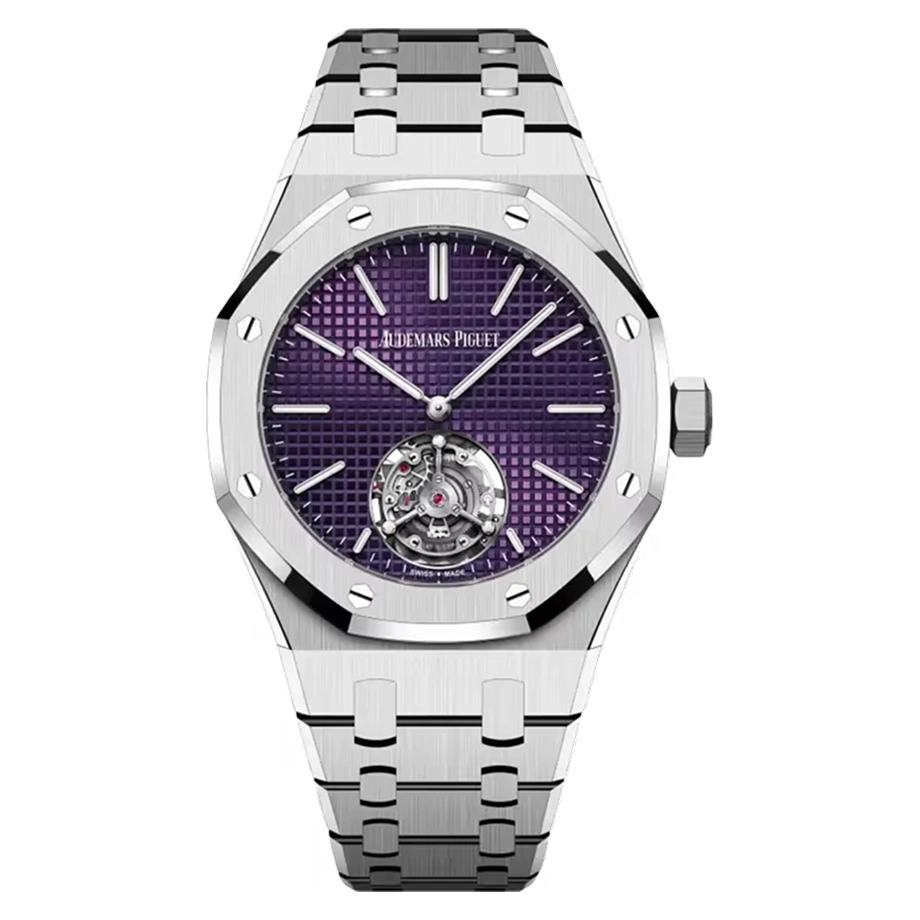
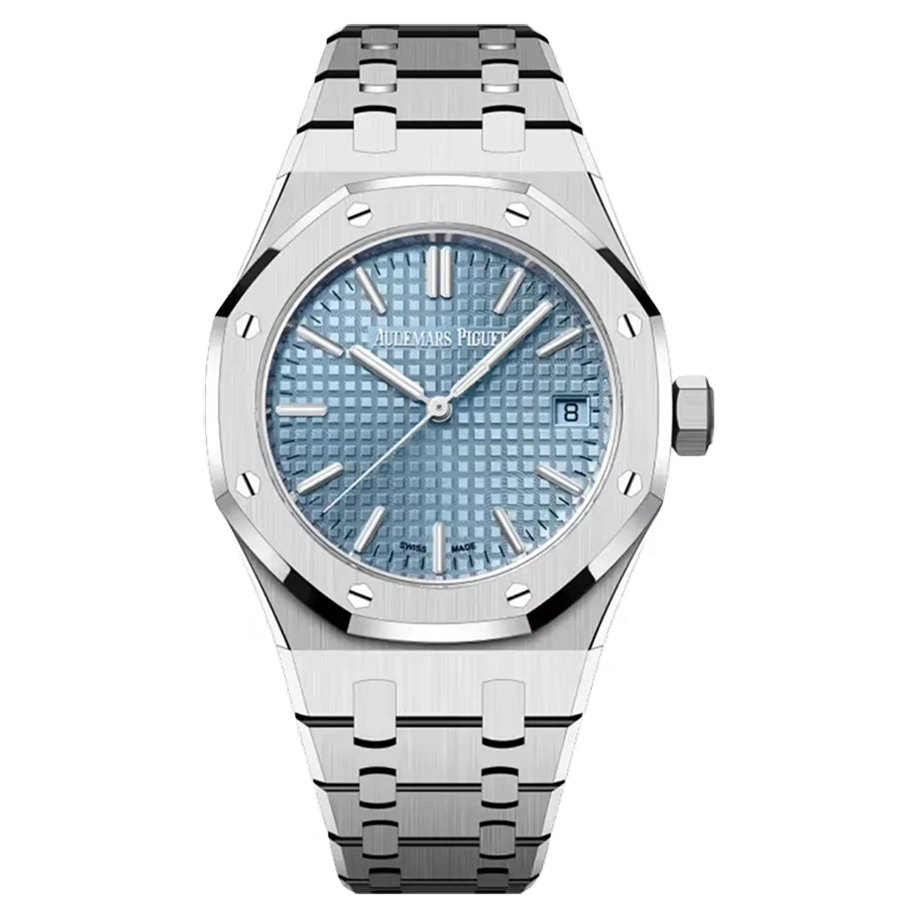
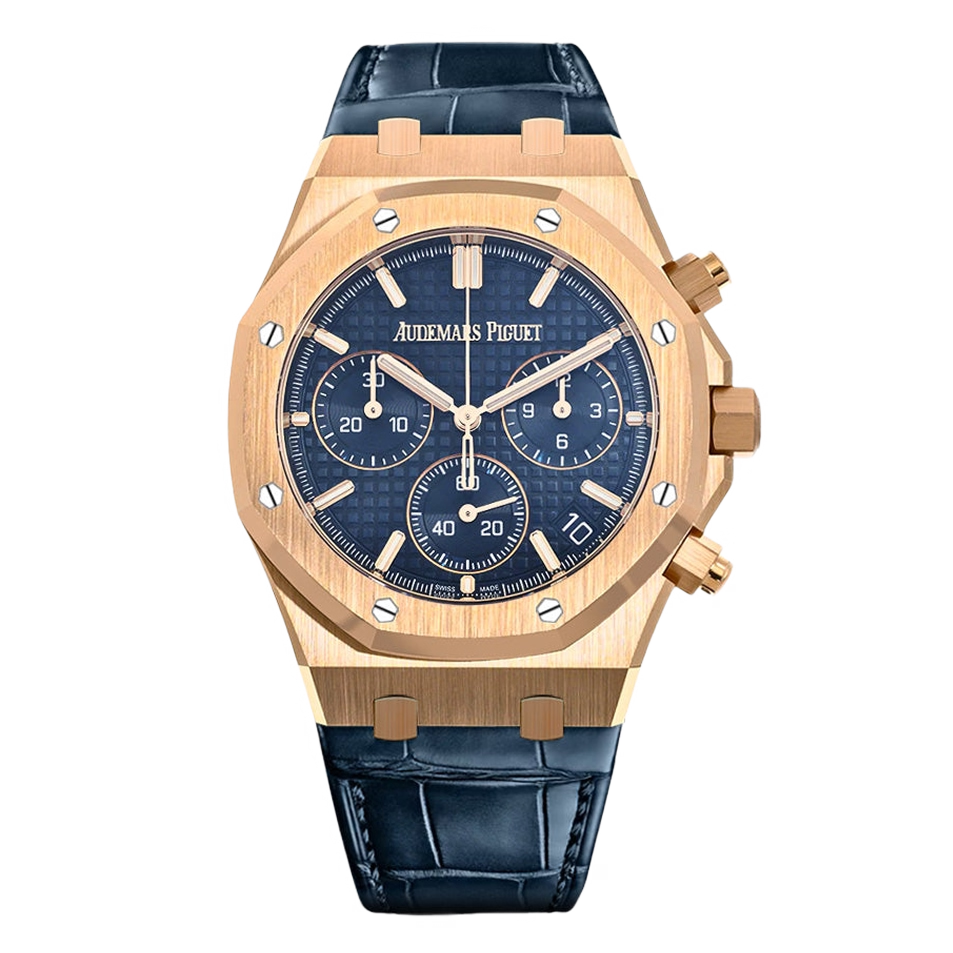
It may come as a surprise that its designer, Gérald Genta—the celebrated tastemaker behind the Audemars Piguet Royal Oak (1972), IWC Ingenieur SL (1976), Bulgari Bulgari (1977; together with Gianni Bulgari) and Omega Constellation “Manhattan” (1982; with Carol Didisheim)—was not formally credited in the patent documents of the original Patek Philippe Nautilus, unveiled in 1976. But that was a different era, when designers worked discreetly behind the curtain, and when the very idea of a luxury watch was still tethered to precious metals.
The timing of the Nautilus couldn’t have been more precarious. In the mid-1970s, Swiss mechanical watchmaking was reeling under the pressure of cheaply mass-produced Japanese quartz watches. Against this backdrop, Genta dismantled long-held assumptions about luxury, proposing instead an unconventional steel watch inspired by a ship’s porthole—sporty, architectural and unapologetically modern. A watch with a bracelet or a bracelet that happens to be a watch?
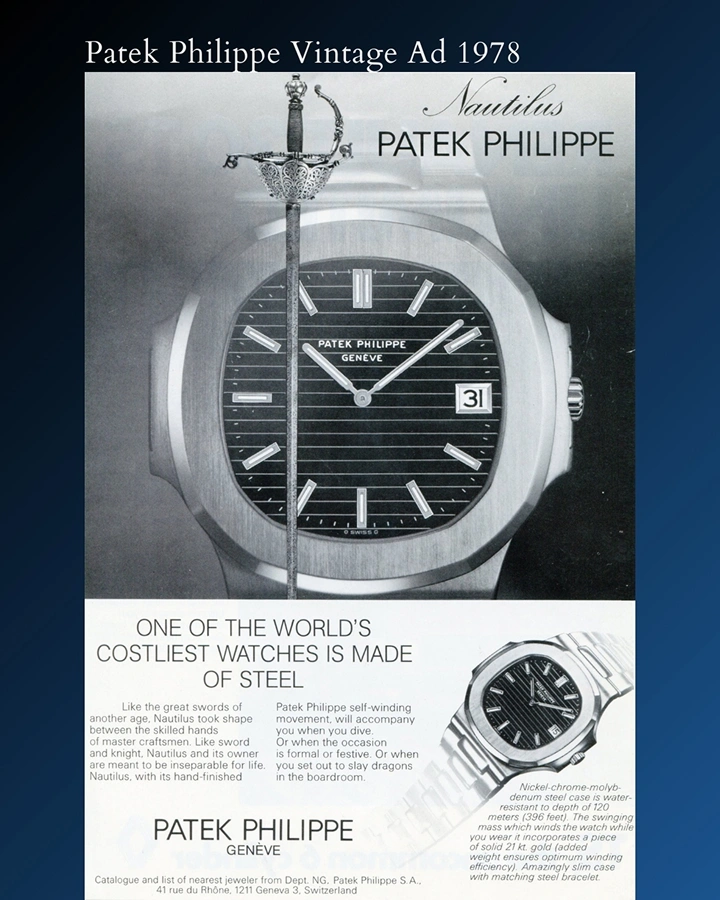
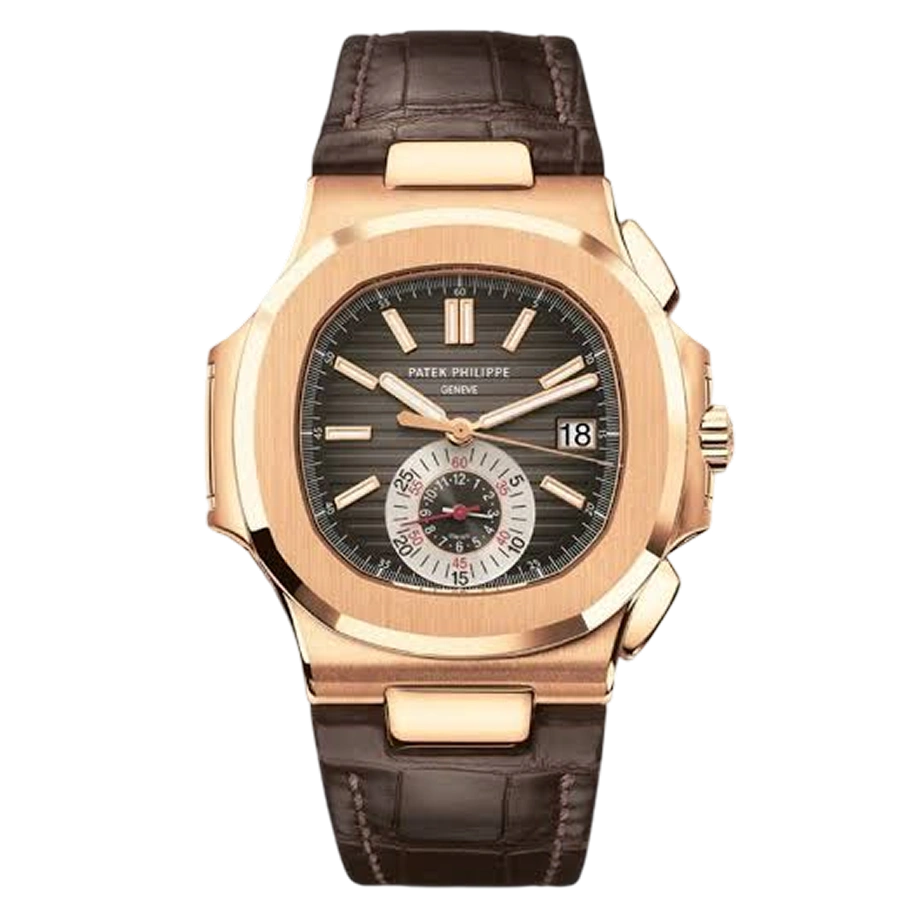
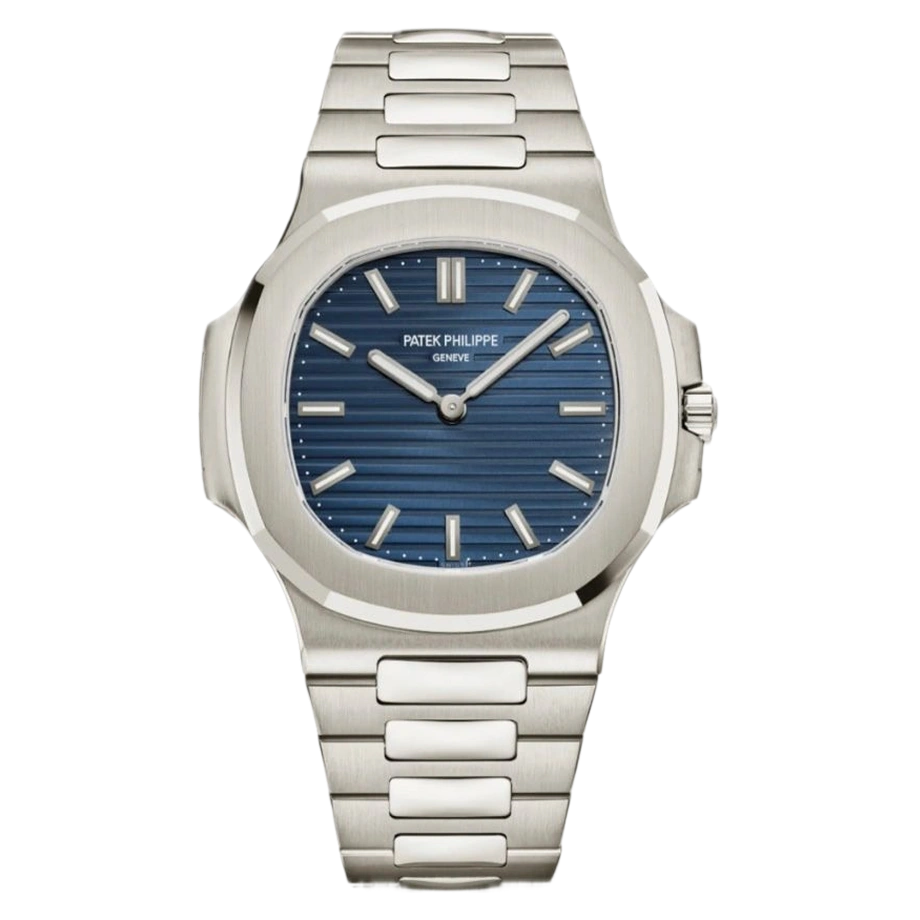
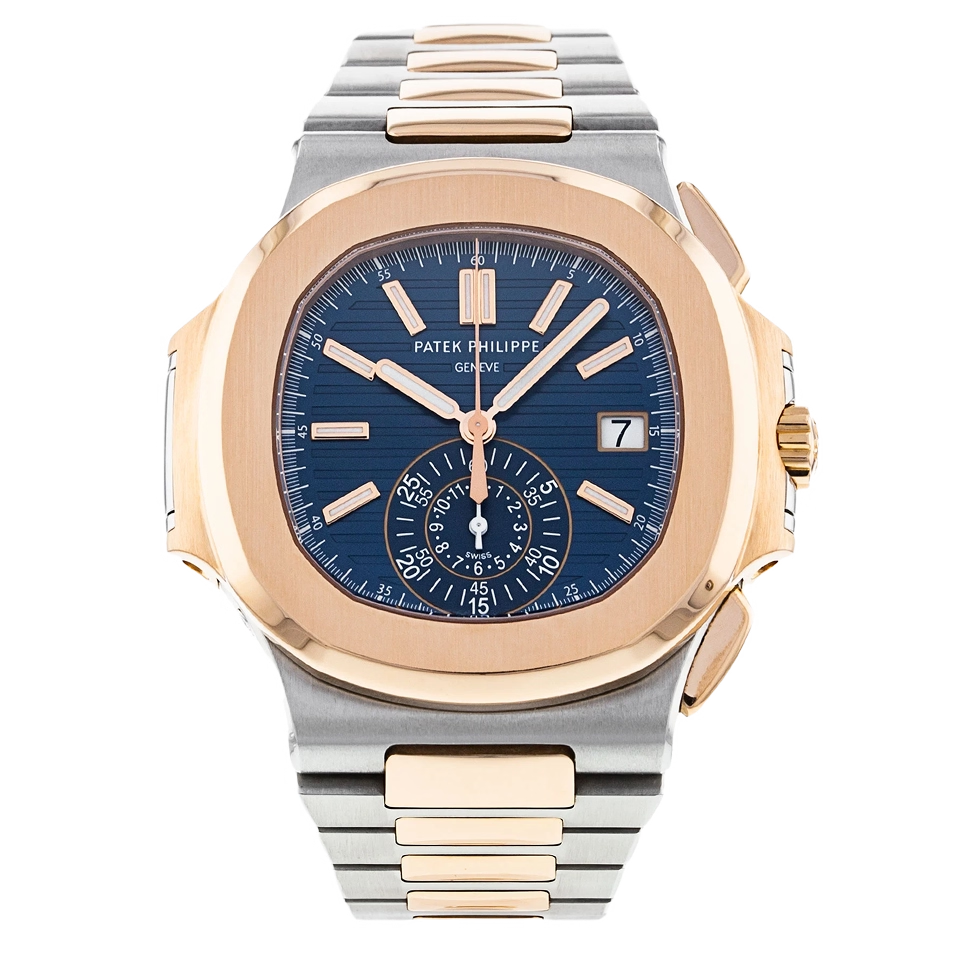
With its distinctive lateral ‘ears’, rounded octagonal bezel, and horizontally embossed dial, the Nautilus challenged prevailing notions of refinement, doing so in tandem with the Royal Oak. Meticulously finished, robust like a sports watch, yet priced higher than many gold watches, the Nautilus was a provocation as much as a product.
Expectedly, it did not fly off the shelves immediately. Believe it or not, there was a time when the Nautilus was considered a “sleeper piece” - not garnering the same level of attention as other models of that era. However, in the years that followed, the Nautilus succeeded in introducing the world to a new category altogether: the luxury sports watch.
In doing so, it shifted the global perception of high-end timepieces away from a precious metal mandate towards something more relaxed—an expression of confidence, freedom and effortless elegance. Fifty years on, the Nautilus continues to define the segment and creates significant demand.
A question we often received when we started this business two decades ago was: “Does a Patek Philippe Nautilus hold value?” The answer then, which still holds true today, is an unequivocal: very well.
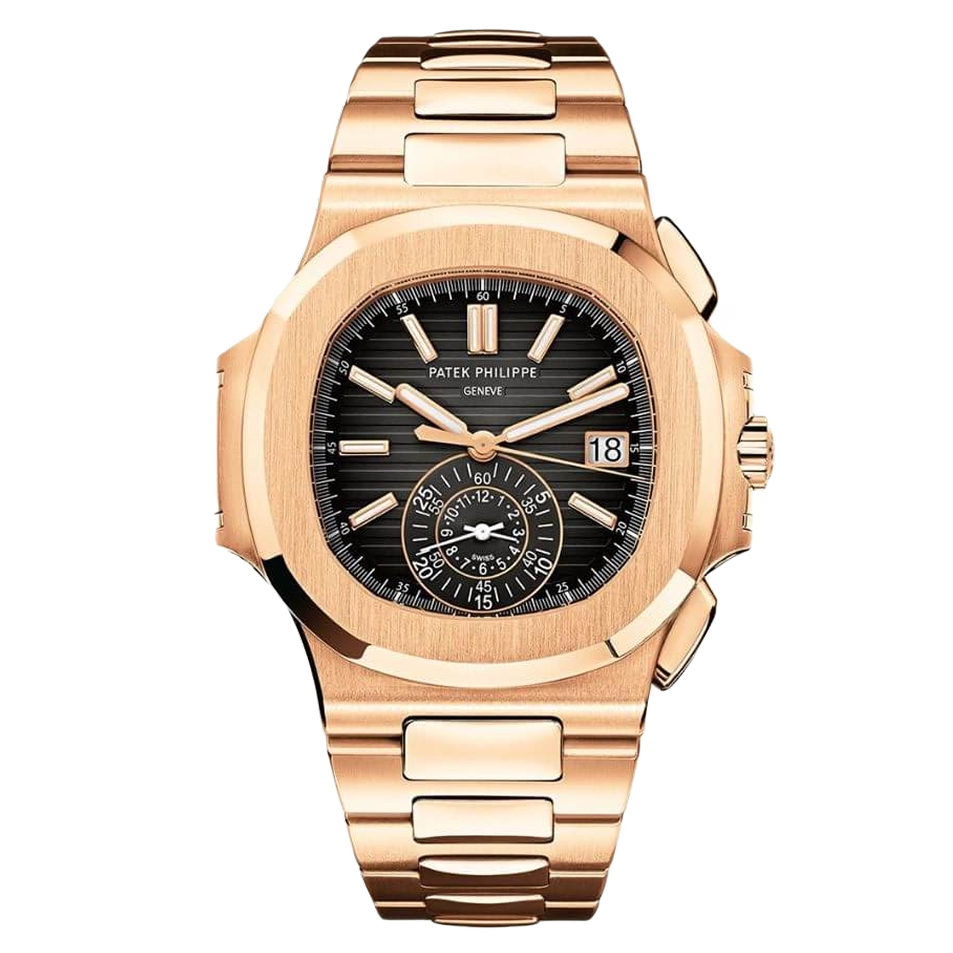
To cite a few examples: a pink-gold dual-time Nautilus chronograph (Ref. 5990/1R-001) and a white-gold, diamond-set Nautilus chronograph (Ref. 5976/1G-001) achieved over the estimated ranges when sold at the recent Phillips’ Decade One auction. References such as the 5711 (steel and platinum), 3712, 5712, 5990, and 5726 continue to command premiums that steadily rise as demand remains unabated.
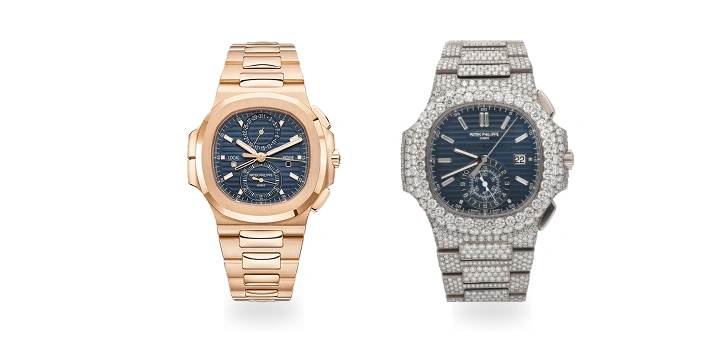
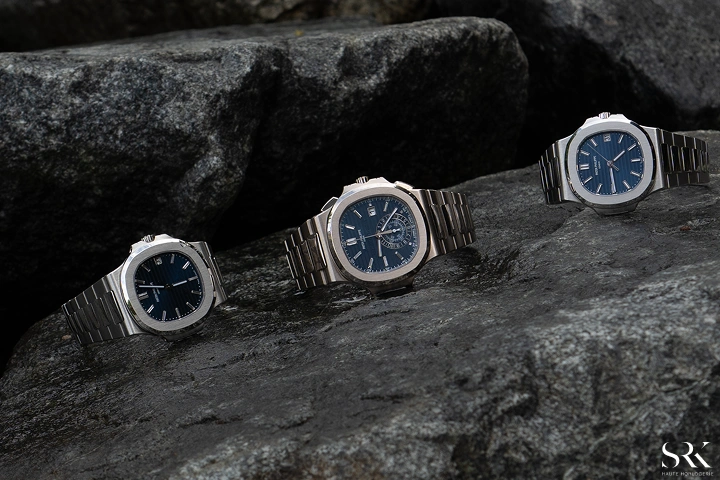
On the occasion of the Nautilus’s 50th anniversary, we revisit the collection’s most emblematic models, which serve as important milestones tracing the Nautilus’s history and evolution.
The references below remain notoriously difficult to obtain direct from an Authorised Dealer and those still in production have almost decade-long wait lists. At SRK Haute Horlogerie, we’ve been marrying this horological icon with collectors for over two decades, many being rare and limited production runs but without the waitlists—take your pick from the rare and off-catalogue Nautiluses in our inventory.
Historical Timeline & Reference Guide
Nautilus Ref. 3700 “Jumbo” (1976)
In the beginning, Genta created the Ref. 3700. Gérald Genta’s 40mm case felt radical for its time—seemingly a squared circle at first glance, yet closer inspection reveals a form that is as octagonal as it is squircle. Its dark blue dial features hand-embossed horizontal ribs, framed by applied baton indices, while an impressive 120-metre water-resistance underscores the watch’s technical intent.
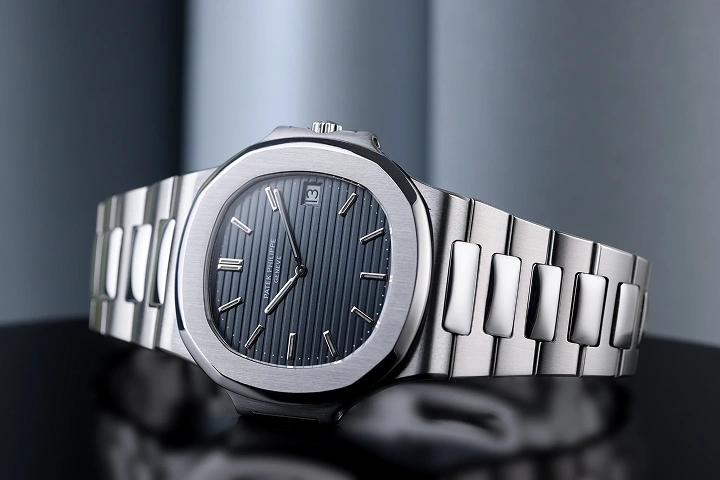
That depth rating was achieved through a clever two-part monobloc construction: one piece forms the caseback and middle, while a separate dial-side section—flanked by the Nautilus’s distinctive lateral ‘ears’—seals the watch from the front. Far from being decorative flourishes, these ears house four screws that clamp the two halves together in a gasket-style, pressure-resistant assembly. They would soon become one of the Nautilus’s most recognisable signatures.
For the movement, Patek Philippe selected the tried-and-tested calibre 28-255C, derived from the legendary Jaeger-LeCoultre 920—the same ultra-thin base used by Audemars Piguet to develop the calibre 2121 that powered early Royal Oaks, and adapted by Vacheron Constantin to build the 1120. Measuring just 3.05mm thick, the 28-255C perfectly served Genta’s vision of elegant thinness, allowing the Nautilus Ref. 3700 to come in at a remarkably slim 7.5mm overall.
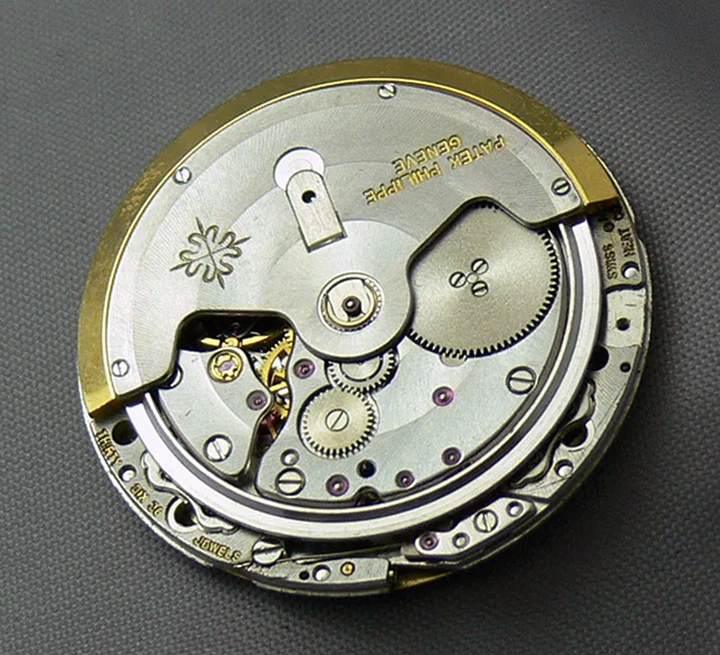
A virtuoso who will probably never be superseded in the realm of integrated-bracelet watches, Genta designed a 159-piece, hand-finished H-link bracelet to match the case.
Designated the “Ref. 3700/1A”, the first Nautilus was produced from 1976 to 1982, and featured a broader bracelet, while the later Ref. 3700/11A, produced from 1982 to 1990, introduced a slimmer, more tapered bracelet. Production numbers remain approximate, but collectors generally accept that around 3,500 examples of the 3700/1A were made, compared to just 1,300 pieces of the 3700/11A.
Both references were delivered in humble cork presentation boxes, and this deliberate rejection of ornate packaging has since become a defiant calling card of early Nautilus models. The simple design of this presentation box would make its return on the 40th Anniversary of the Nautilus.
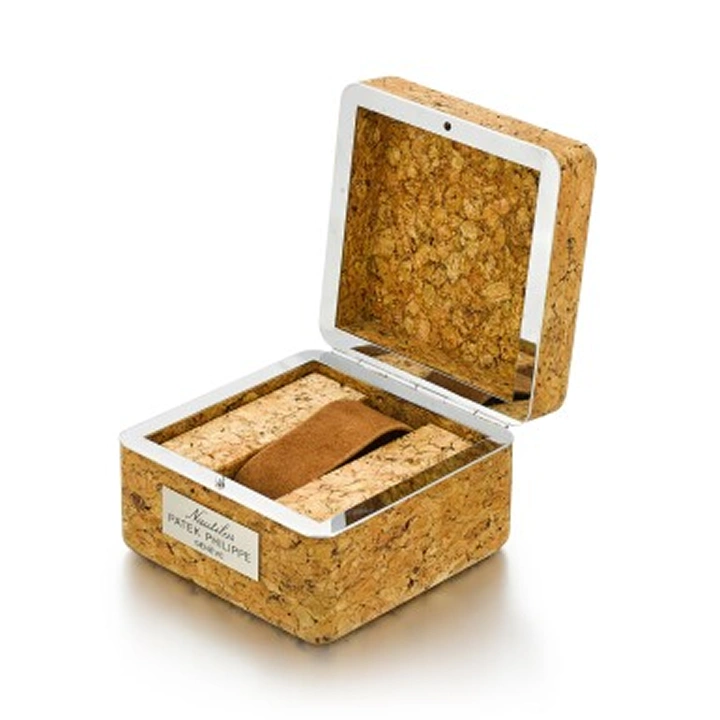
When the Ref. 3700 was discontinued in 1990, it triggered consternation and immediate market reaction, but also cleared the path for its spiritual successor: the Ref. 3711, which was unveiled in 2004.
Nautilus Ref. 3800 (1981)
And if you can’t get your hands on the Ref. 3700 granddaddy, consider the Ref. 3800—a 37mm interpretation of the Ref. 3700, which Patek Philippe produced from 1981 to 2006. Its discontinuation in 2006, too, was met with no small amount of grumbling among collectors. The Ref. 3800 was first powered by the caliber 335 SC, followed by the 330 SC.
Nautilus Ref. 3711 (2004)
Featuring a white gold case with black dial, the 3711 is driven by the 315 SC. Produced from 2004 to 2006, this rare Nautilus represents a drastic shift from the two-piece construction to a three-piece case.
Nautilus Ref. 3712 (2005) and Ref. 5712 (2006) Moonphase with Power Reserve
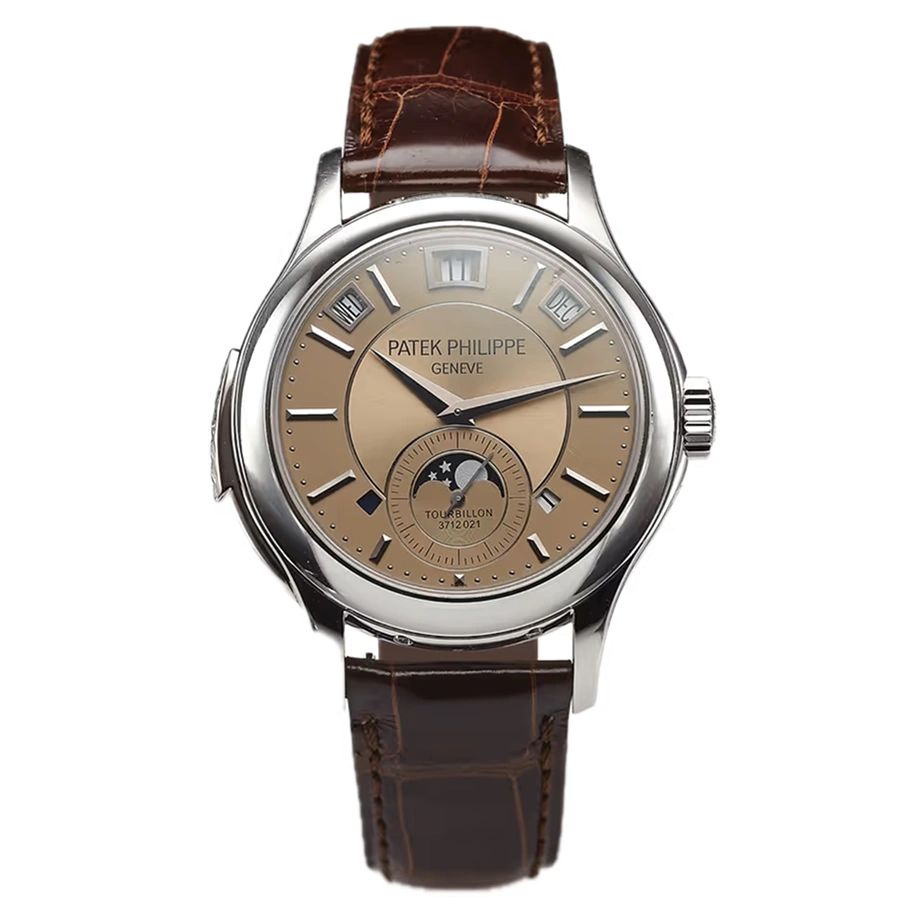
Beloved for its asymmetrical subdials, 2005’s Ref. 3712 was the first Nautilus with moonphase and power reserve displays. This reference is one of the most collectible timepieces in the history of the Nautilus, given one of the shortest production runs of any Patek Philippe—it was replaced by the 5712 that was introduced the following year.
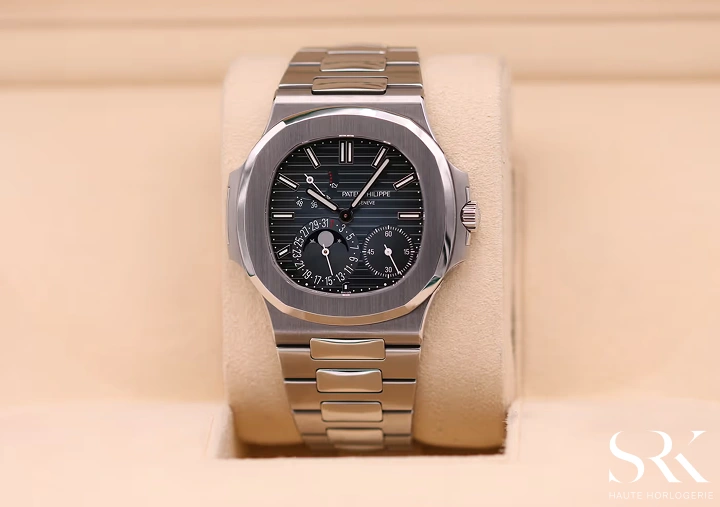
The Ref. 3712 has a two-piece construction, 42mm diameter (including ‘ears’), 8.37mm thickness and smaller push-down crown, while the latter had a three-piece case, 43mm diameter (including ‘ears’), 8.52mm thickness and a larger screw-down crown. Both are driven by the 240 PS IRM C LU, but the 3712 is only available in steel, while the 5712 also comes in precious metals.
Following the discontinuation of the 5712/A in 2025, Patek Philippe has announced that it will rarely make steel timepieces, with Patek Philippe president Thierry Stern stating a predominant focus on precious metals. Needless to say, this had seismic implications on secondary prices.
Nautilus Ref. 5800 “Mid-Size” (2006)
Another extremely rare discontinued reference is the Ref. 5800 that was unveiled in 2006, which featured subtle aesthetic updates. Its most dramatic upgrade was a sapphire caseback that lets us admire the calibre 330 SC. The production of this 38.5mm Nautilus ceased in 2009, once again spiking secondary prices.
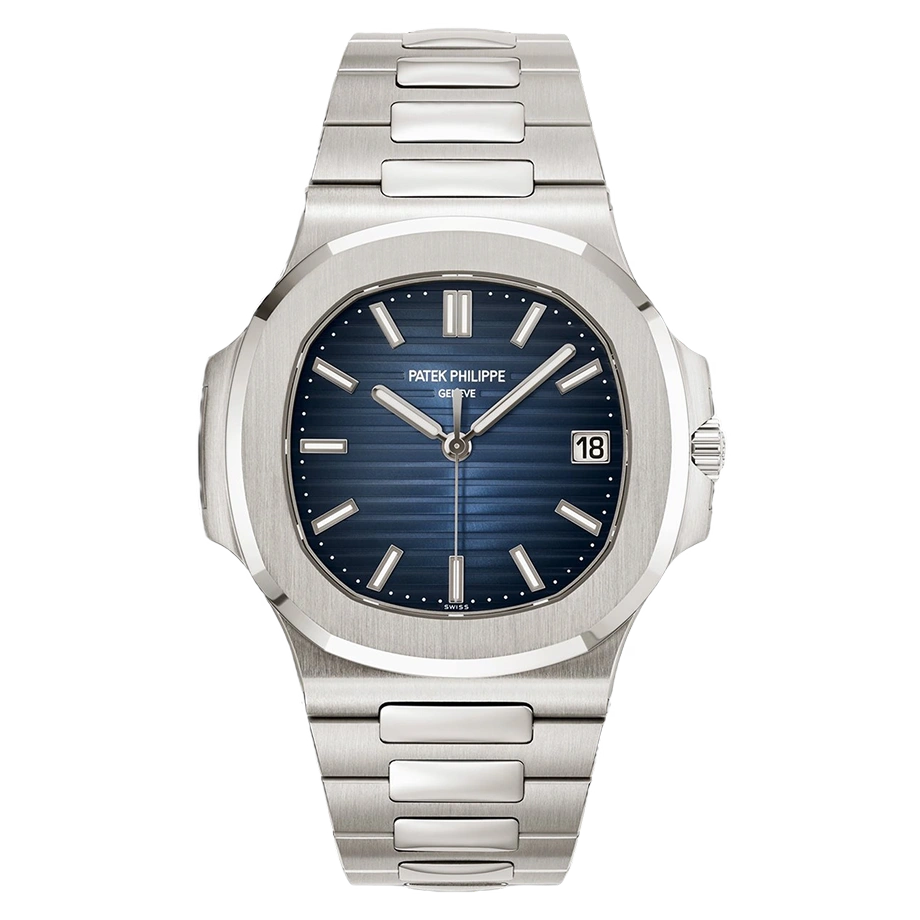
Nautilus Ref. 5711 (2006)
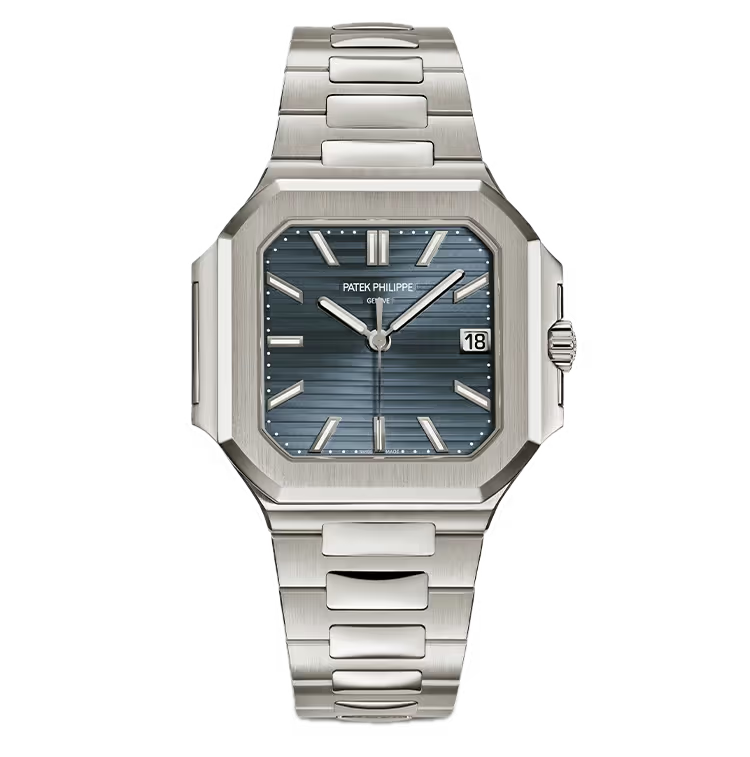
Released that same year—the 30th year of the Nautilus—the Ref. 5711 sports slightly wider ears, rounded hinges and a more vibrant blue. Unnoticeable to the untrained eye, the Ref. 5711 debuted an updated logo on its dial too. Also, a refreshed bracelet introduced slimmer links and a triple-folding clasp that replaced the double-folding one.

Early versions were fitted with the aforementioned 315 SC, which was later replaced by the 324 SC. Certain limited variants, such as the olive-green dial version of the Ref. 5711, high jewellery versions or the Tiffany blue 175-piece limited edition, command multiples of the original retail price given scarcity and demand.
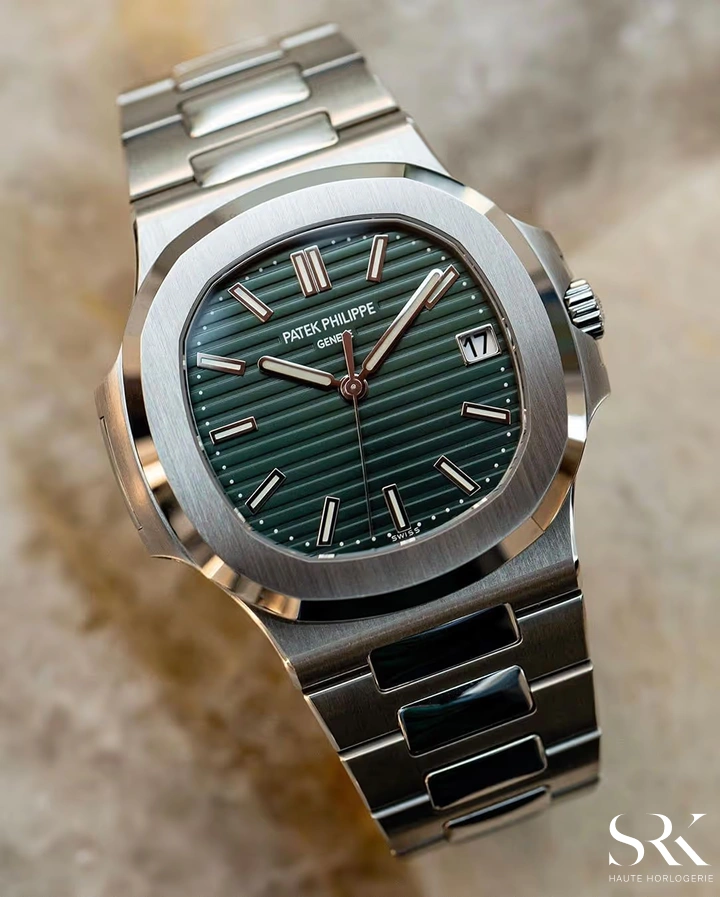
There have also been a mere handful of Ref. 5711 examples crafted in platinum. One being the 40th Anniversary 5711/1P (limited to 700 pieces). Not many collectors are aware that the manufacturer also made an extremely rare 5711/1P-010 that was only offered to VVIP clients of Patek Philippe. With a different shade of blue for the dial, the 5711/1P-010 is limited to around 20 to 70 pieces (according to Christie's and Sotheby's).
The Ref. 5711 was discontinued in 2021, which sent demand soaring and cemented its status as a grail watch.
Nautilus Ref. 5726 Annual Calendar with Moonphase (2010)
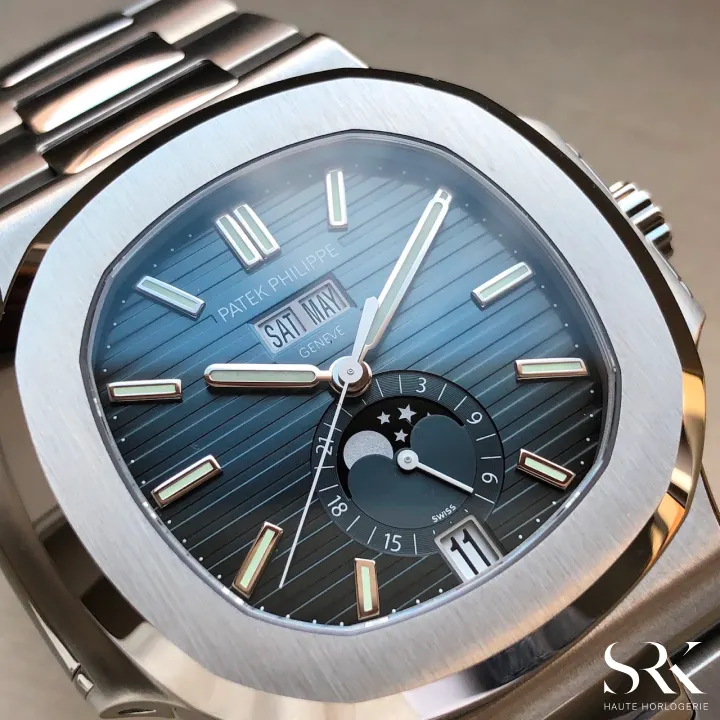
Launched in steel then later made in white gold and rose gold, the Ref. 5726 was the first Nautilus to feature an annual calendar complication, along with 24-hour and moonphase indication. This 40.5mm steel Nautilus is driven by the 324 S QA LU 24H/303 automatic movement that packs around 45 hours of autonomy. The Ref. 5726/1A is one of the last steel Nautilus models remaining in the catalogue and we anticipate that it will be quietly discontinued in the years to come.
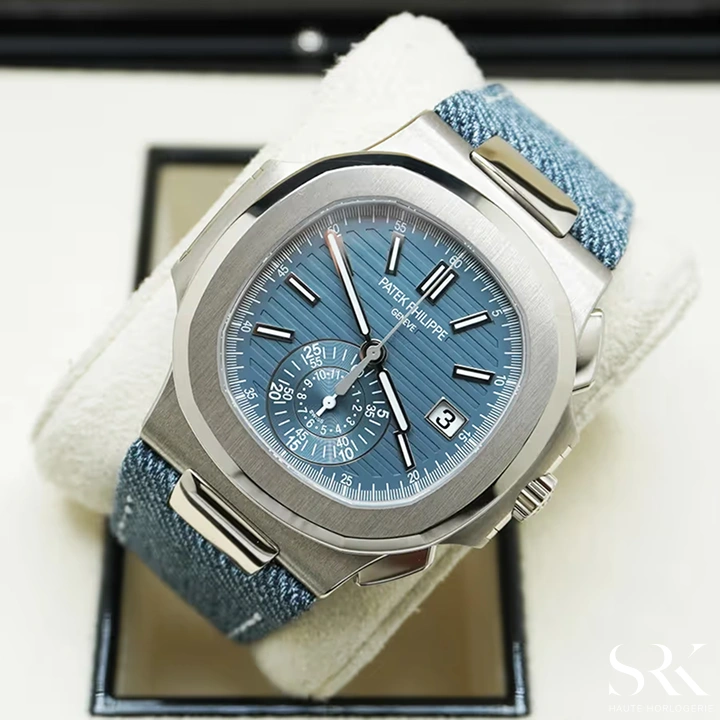
Nautilus Ref. 5980 Flyback Chronograph (2006) and Ref. 5990 Travel Time Chronograph (2014)
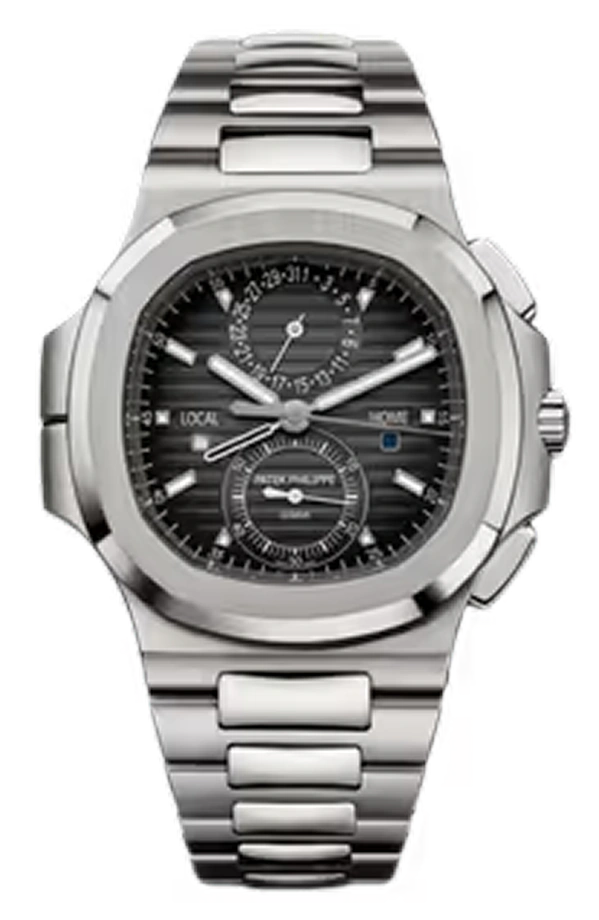
The Ref. 5980 was Patek Philippe's first in-house chronograph, and the Ref. 5990 was built based on the Ref. 5980—the Ref. 5990's pushers are closer to the crown. The Ref. 5980’s mono-counter has a 60-minute and a 12-hour scale, while the Ref. 5990’s only has a 60-minute track.
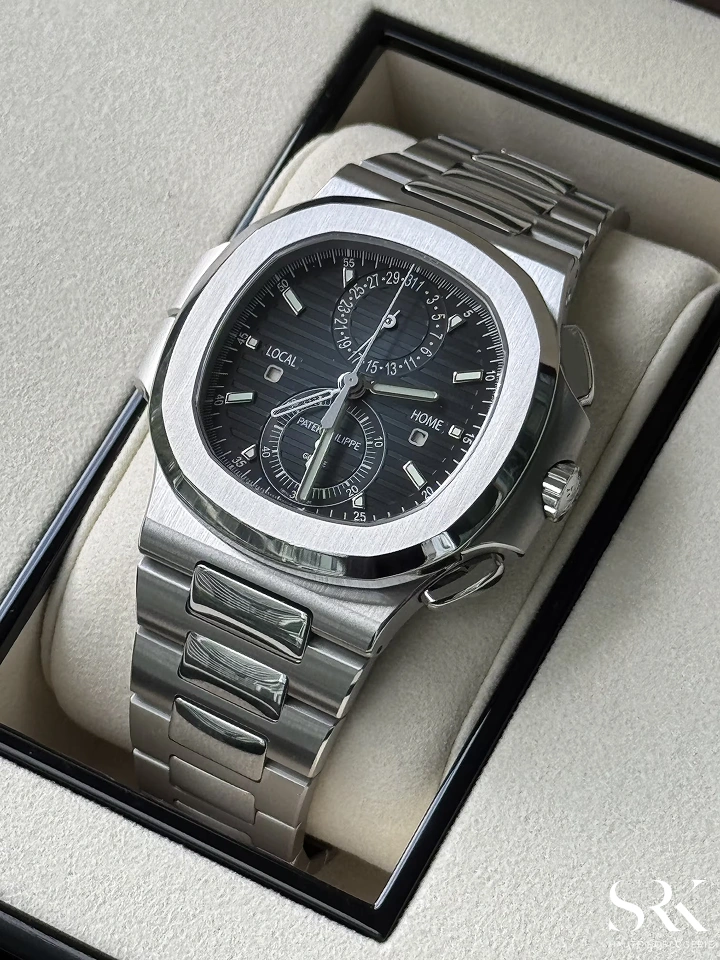
The Ref. 5990’s date is displayed by a subdial at 12 o’clock, and an additional skeletonised hand points to home time. Coloured squares at the 3:30 and 8:30 positions indicate if it's night or day in the home country and current country. In 2009, Patek Philippe raised its chronometric standards from the Genevan Seal to the more exacting Patek Philippe Seal, which adorns movements like the Ref. 5990’s calibre CH 28-520 C. In recent years, the Ref. 5990 has seen significant increase in demand, especially among its steel variants. This piece exudes a strong presence on the wrist and we’re convinced that the Ref. 5990 will go down as one of the most sought-after Nautilus models in history.
Nautilus Ref. 5976 Flyback Chronograph (2016)
When this legend was introduced, it took our breath away. The presence, the weight, and the history all contributed to this reference being such an amazing way to mark the 40th anniversary.
Driven by the CH 28‑520 C, this white gold 40th anniversary tribute timepiece brought back the hour chronograph scale on the lower subdial. Embossed with 40th anniversary details, this 1,300-piece limited edition measures an unabashed 49.25mm from ear to crown. Do not underestimate the significance of this piece—both historically and on the wrist. It commands attention, bears the heft of platinum, and remains one of the SRK Haute Horlogerie team’s all-time favourites.

Nautilus Ref. 7118 (2017)
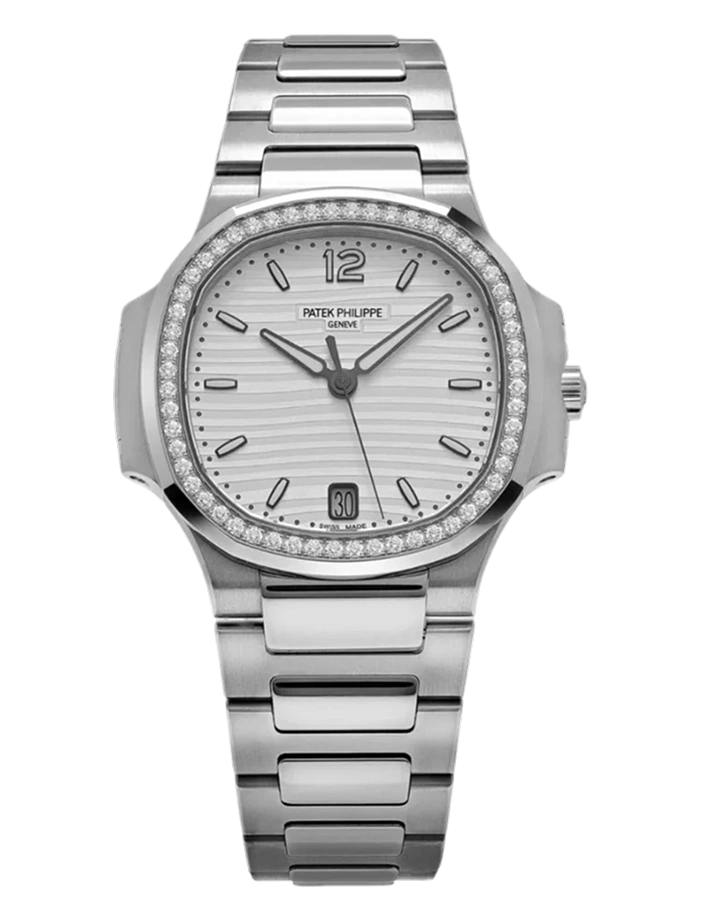
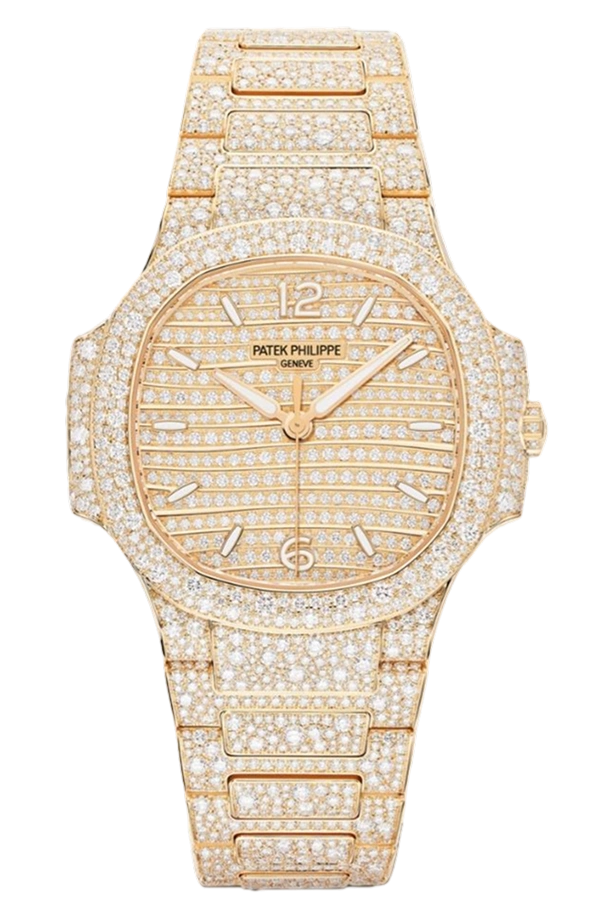
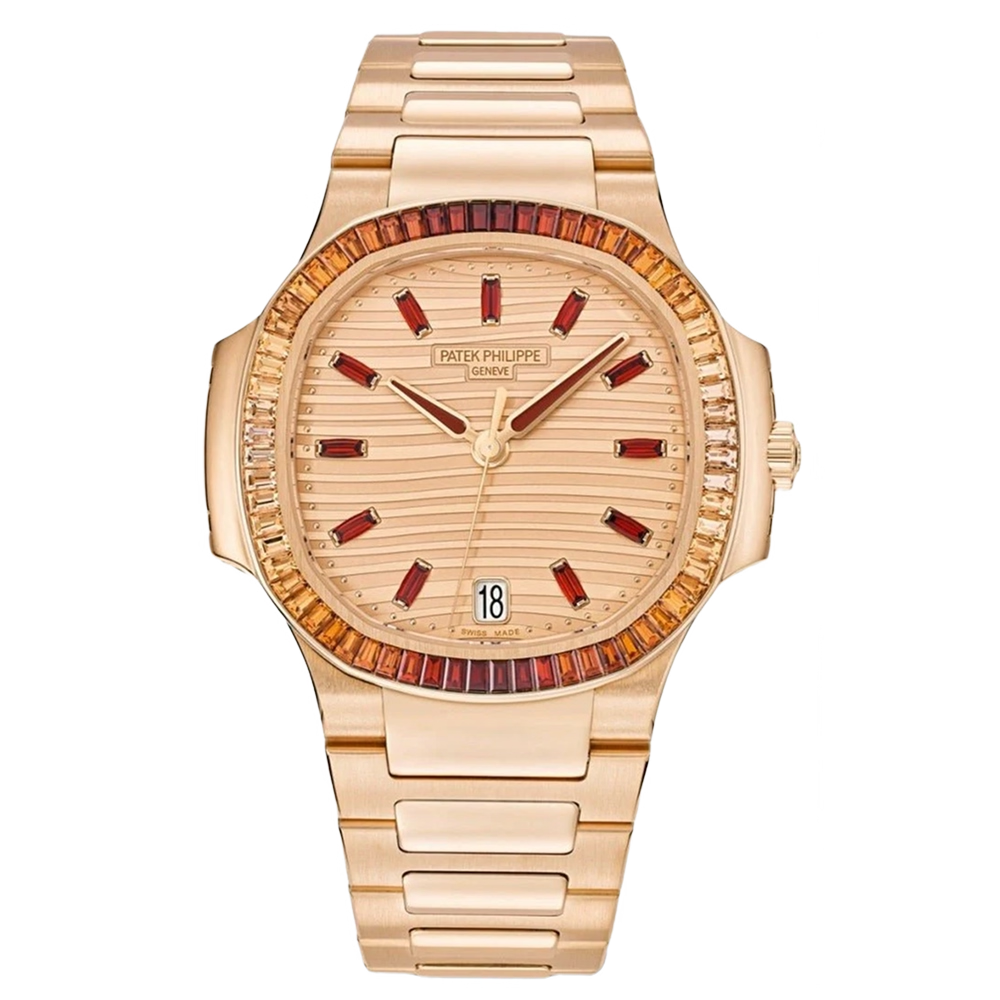
The Ref. 7118 is the standard bearer of Nautilus models for the ladies collection, and has been imagined in an array of diamond-set variations. Demand continues to increase for these models year-on-year, as Patek Philippe constantly evolves the aesthetics details of the Ref. 7118 family.

Nautilus Ref. 5740 Perpetual Calendar (2018)
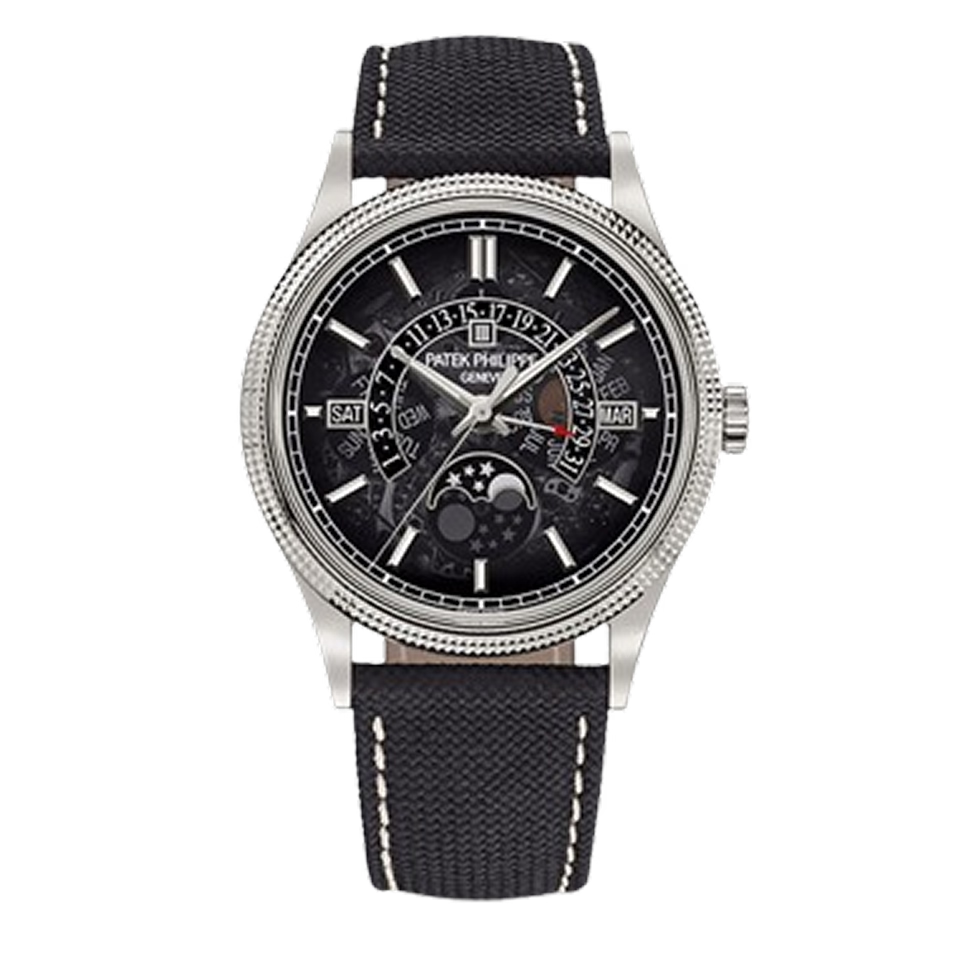
This 40mm white gold complication is only 8.42mm thick, thanks to the ultra-thin calibre 240. Sleek pushers along the flank allow for the easy adjustment of the six calendar and moonphase displays that are discerningly compacted into three subdials. The Patek Philippe Ref. 5740 was later crafted in other precious metals.

Nautilus Ref. 5811 (2022)
When the Ref. 5711 was discontinued and the Patek Philippe Ref. 5811 was introduced, the phrase that some collectors proclaimed was: “the King is dead, long live the King.” But there were differences—predominantly, the Ref. 5811 would never be crafted in steel, stated the brand. Also running on the 26-330 SC that debuted in 2019, the white gold 5811 is slightly larger at 41mm, but harks back to the two-piece construction of the Ref. 3700. This reference can be thought of as a larger gold iteration of the Ref. 3800 that includes hacking seconds, quick-set date, improved winding efficiency and a Spiromax balance spring.

Our final thoughts on the Patek Philippe Nautilus as it celebrates 50 years: thank you. As collectors fortunate enough to own pieces from Patek Philippe, we at SRK Haute Horlogerie recognise the distinct feeling that comes with wearing a Nautilus. It isn’t about signalling ownership of an icon, but about appreciating the history, craftsmanship, and legacy embodied in a single watch. It’s a presence you feel—one that quietly elevates the day. Here’s to the next 50 years.
Additional reading: The Aquanaut and Cubitus
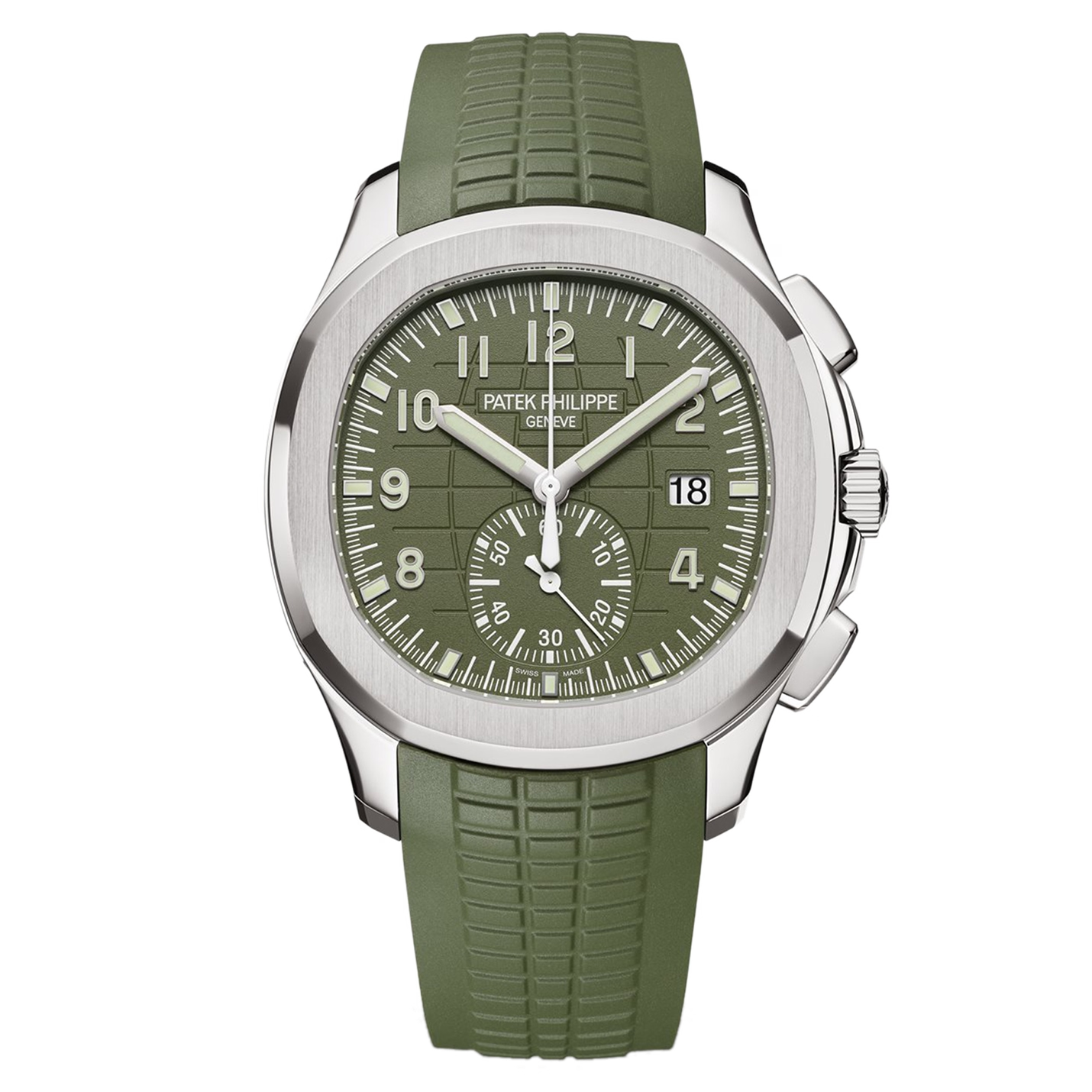
The Aquanaut was the maison’s next evolution of the Nautilus. Designed with a rounded octagonal case echoing the Nautilus, yet simplified for modern tastes, it paired a distinctive embossed dial with Patek’s first “Tropical” composite strap—a durable, water‑resistant material that contrasted sharply with the brand’s traditional leather straps and metal bracelets. Lightweight, sporty, and effortlessly versatile, the original Aquanaut signalled Patek Philippe’s intent to appeal to a new generation of collectors who value both luxury and practicality.
Aquanaut Travel Time Ref. 5164 (2011)
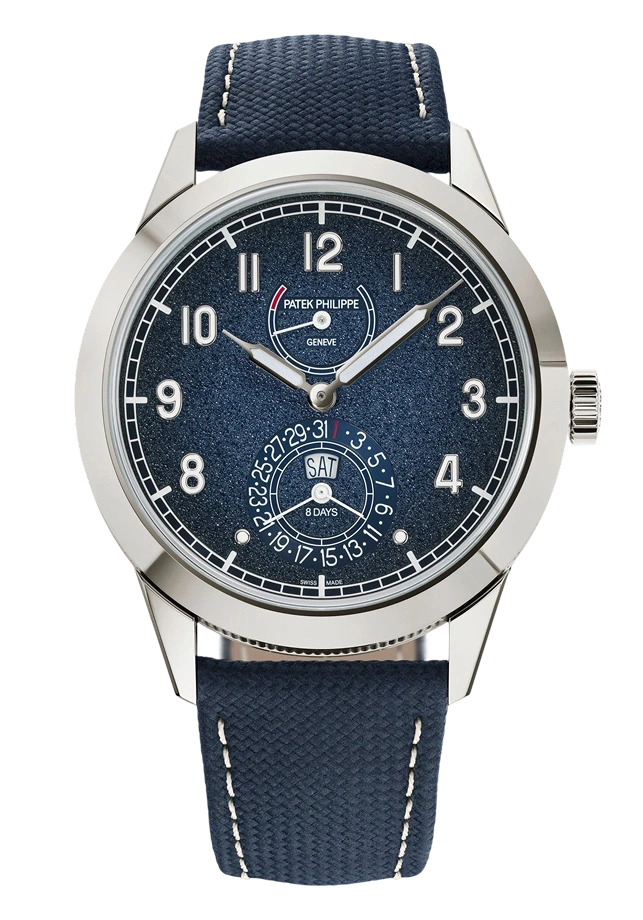
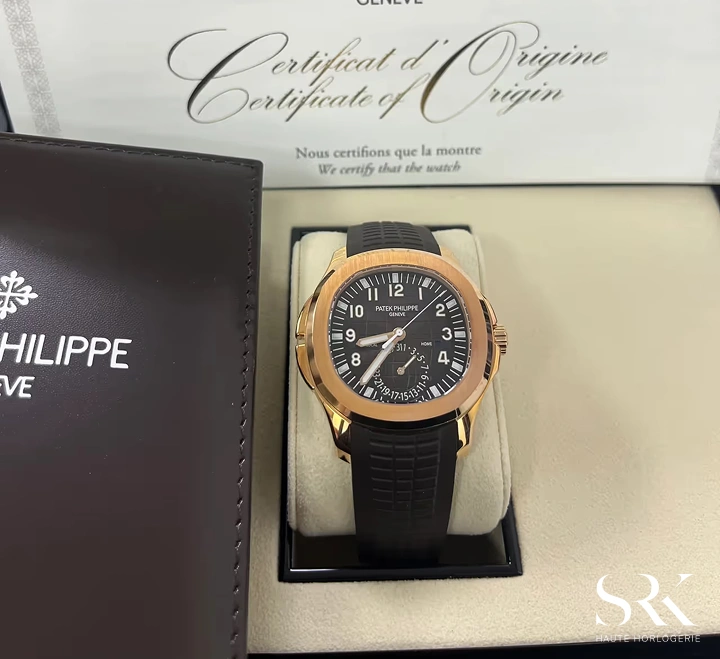
Debuting as a dual‑time version of the original Aquanaut on the occasion of its 10th anniversary, Patek Philippe’s Ref. 5164 combines the collection’s signature checkerboard‑embossed dial with a second time‑zone function and an intelligently linked date display that follows local time.
Aquanaut “Advanced Research” Ref. 5650 (2017)
Launched in 2017 as part of Patek Philippe’s avant‑garde Advanced Research programme, the Ref. 5650 showcased two groundbreaking technologies: a new generation Spiromax® silicon balance spring and a compliant mechanism for setting the dual time‑zone function, which dramatically reduces moving parts while improving reliability and precision. Limited to just 500 pieces, the Ref. 5650 has a semi‑openworked dial that partially reveals these innovations. On a personal note, I once saw a young man, no older than 25, wearing the Ref. 5650 in a nightclub—the horrifying thought of this half-million-dollar beauty getting dinged in a raucous social setting immediately sobered me up.
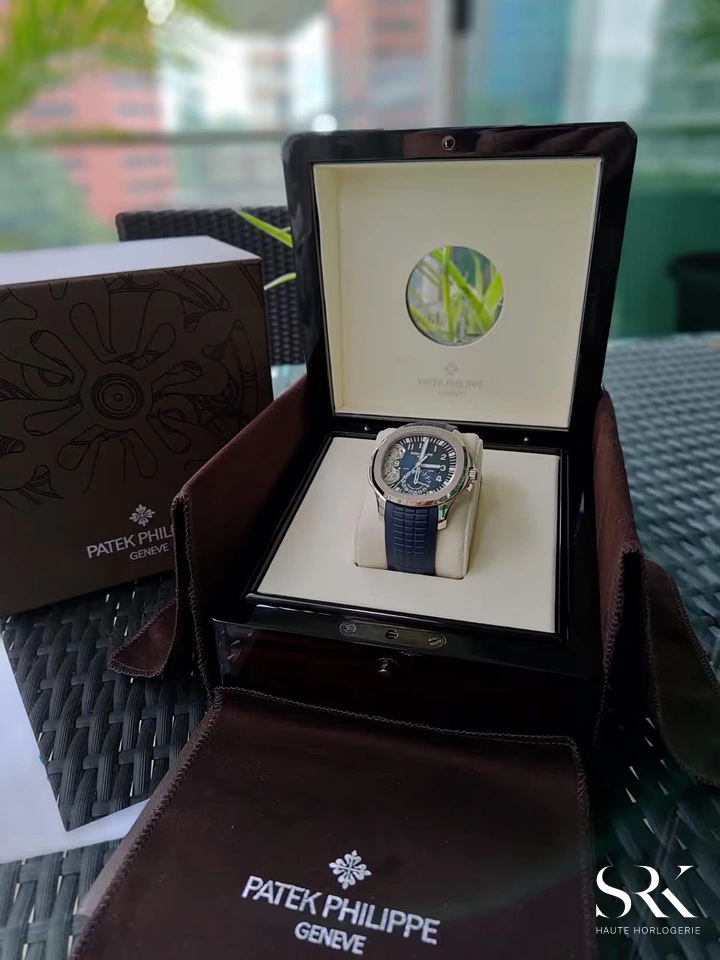
Aquanaut Chronograph Ref. 5968 (2018)
This is the first chronograph in the men’s Aquanaut range, combining a flyback chronograph mechanism with a 60‑minute counter at 6 o’clock, mirroring the bezel’s shape. Over time, Patek Philippe has expanded the Ref. 5968 beyond stainless steel, offering versions in precious metals with expressive dial colours.

Aquanaut Annual Calendar Ref. 5261 (2023)
Instead of equipping the Aquanaut line’s first annual calendar with the 324 S QA LU 24H/303 used in the Nautilus Annual Calendar Ref. 5726, Patek Philippe instead upgraded the 26-330 S QA LU found in the Refs. 3800 and 5811 with an annual calendar and moonphase module. As a result, the Patek Philippe 5261 sports a totally different dial layout from the Ref. 5726.
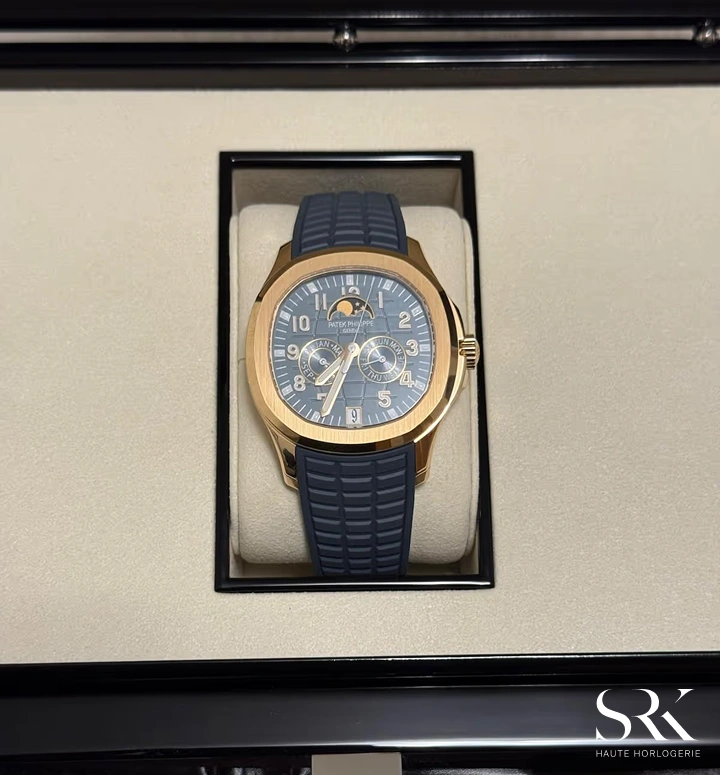
The first Cubitus models Refs. 5821 and 5822 (2024)
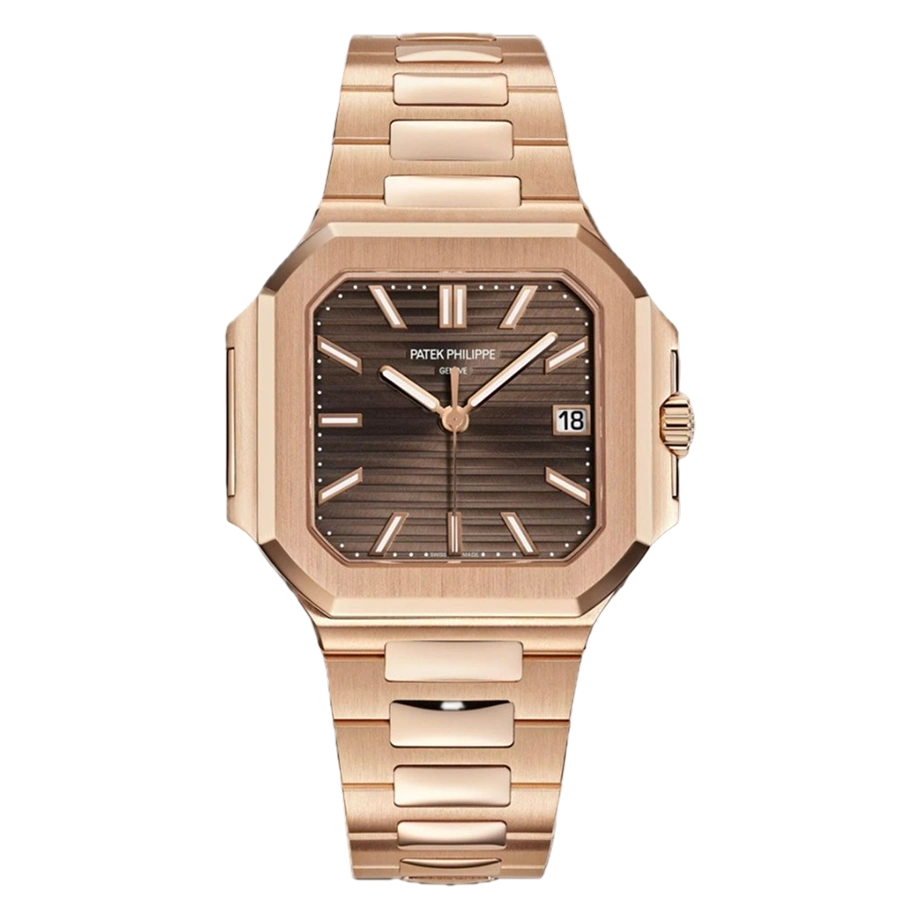
Designed based on the Nautilus, the Cubitus marks one of Patek Philippe’s most ambitious modern launches in decades, representing the first wholly new line in over 20 years. Across its launch variants, including all‑steel, two‑tone steel and rose gold, and a platinum flagship with large date, day and moonphase complications, the collection plays with horizontal embossing and slender profiles that echo the Nautilus's unmistakable DNA, while staking fresh design territory.
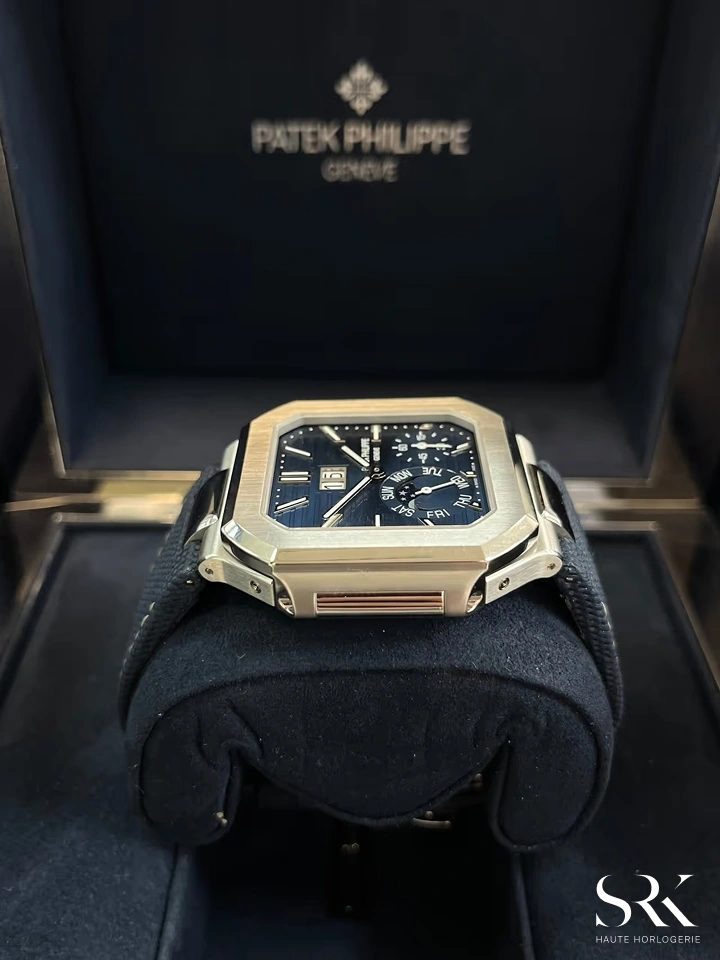
Thinking about adding a Patek Philippe to your collection? SRK Haute Horlogerie is happy to facilitate.
While the Patek Philippe inventory at authorised retailers are often accompanied by waitlists stretching as long as a decade, we specialise in offering immediate access to these rare and highly sought-after pieces. Our experts provide considered, personalised guidance and a level of service that reflects the exclusivity of the watches themselves, as you join our community of discerning collectors.
Explore the SRK Inventory
Ready to secure a piece of horological history for the 50th Anniversary? Check out our: